Adipotide vs. AOD 9604: Comparing hGH Lipolysis to Fat Cell Apoptosis

Disclaimer: The following biochemical analysis is strictly for informational and educational purposes. The compounds discussed are for Laboratory Research Use Only and are not approved for human consumption, diagnostic, or therapeutic procedures. Always consult a qualified medical professional or institutional review board regarding the handling and application of experimental peptides.
Introduction to Advanced Adipose Targeting
The landscape of metabolic research and anti-obesity pharmacotherapy has undergone a radical paradigm shift over the last decade. For years, the scientific community relied heavily on broad-spectrum stimulants, thyroid mimetics, and systemic metabolic accelerators to drive fat loss—often at the severe expense of cardiovascular health, lean muscle preservation, and central nervous system homeostasis. Today, peptide therapeutics have introduced an era of hyper-specific biological targeting.
When researchers examine the mechanisms of advanced adipose tissue reduction, they are fundamentally looking at two distinct cellular destinies: altering the metabolic behavior of the fat cell, or executing the fat cell entirely. This brings us to the comparative analysis of two highly sought-after compounds in modern biochemical research. By evaluating Adipotide vs AOD 9604, we are directly comparing the targeted manipulation of lipid metabolism against targeted vascular ablation. Understanding the profound pharmacokinetic differences between these two pathways is absolutely critical for researchers designing preclinical models, efficacy trials, or advanced biohacking protocols.
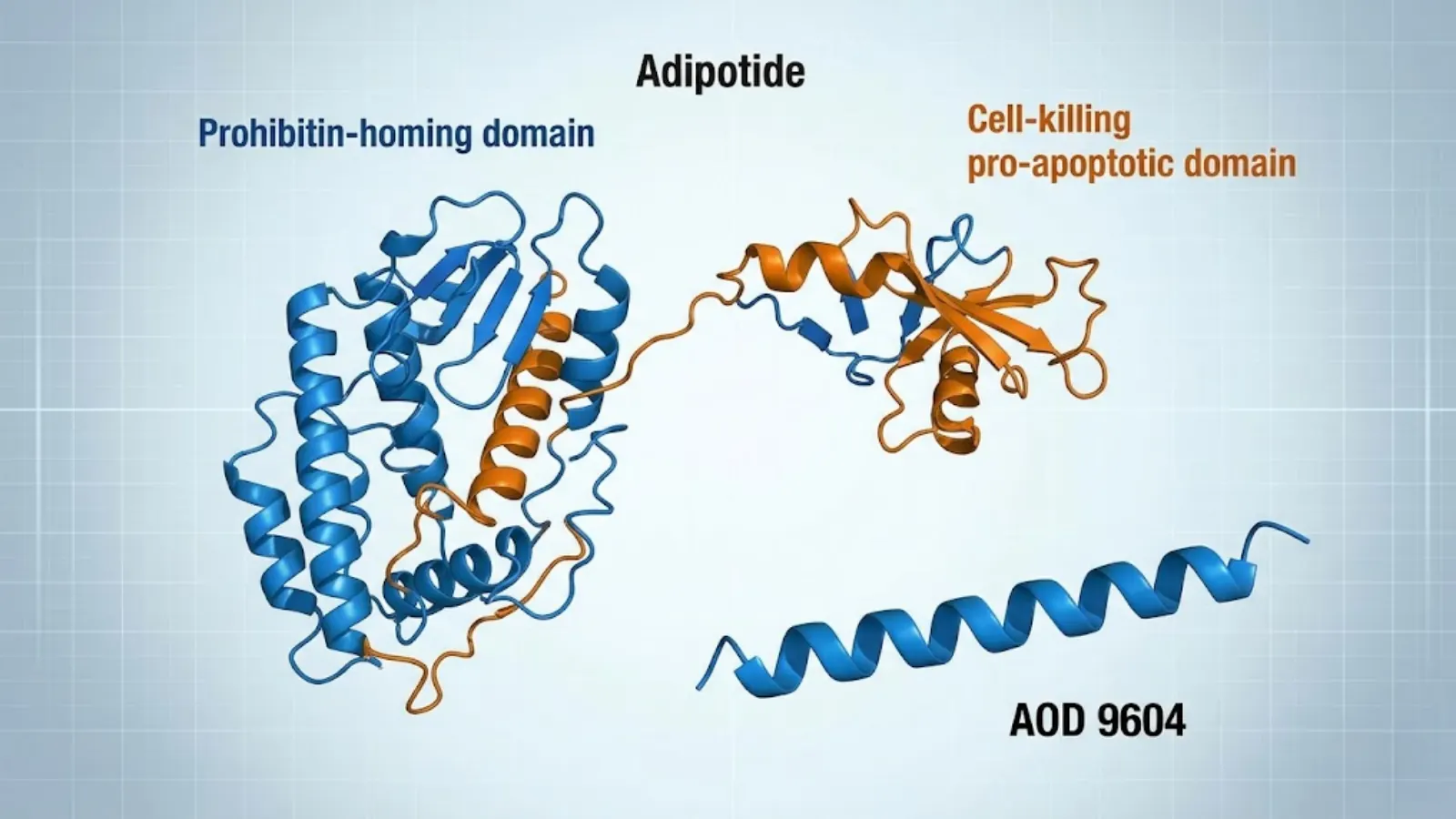
Figure 1: Overview of targeted adipose reduction strategies in peptide research.
Quick Answer: Adipotide vs AOD 9604
When comparing adipotide vs aod 9604, the primary difference lies in their mechanism of action. AOD 9604 is an hGH fragment that stimulates lipolysis, shrinking fat cells by safely up-regulating lipid metabolism. Conversely, Adipotide is a targeted peptidomimetic that induces apoptosis, permanently destroying white fat cells by starving their blood supply.
Table of Contents
- Understanding AOD 9604: The hGH Fragment
- Understanding Adipotide (FTP): The Vascular Targeting Agent
- Adipotide vs AOD 9604: Head-to-Head Comparison
- Clinical Data and Preclinical Research
- Safety Profiles and Known Side Effects
- B2B Considerations: Laboratory Synthesis and Sourcing
- B2C Application: Advanced Biohacking Protocols
- Frequently Asked Questions
- Final Verdict
Understanding AOD 9604: The hGH Fragment
To understand Anti-Obesity Drug 9604 (AOD 9604), we must first look at the endocrine architecture of human growth hormone (hGH). Endogenous hGH is a powerful 191-amino acid polypeptide secreted by the anterior pituitary gland. While it possesses profound lipolytic (fat-burning) capabilities, administering exogenous recombinant hGH presents significant clinical hurdles, most notably the stimulation of insulin-like growth factor 1 (IGF-1), cellular proliferation, and a pronounced reduction in insulin sensitivity. AOD 9604 was engineered specifically to isolate the fat-burning properties of hGH while stripping away its systemic growth and insulin-disrupting effects.
Origins from hGH Fragment 176-191
In the late 1990s, researchers at Monash University in Australia identified that the lipolytic capacity of the hGH molecule resides exclusively in its C-terminal domain, specifically between amino acids 176 and 191. By cleaving this specific 15-amino acid sequence, they created hGH Frag 176-191.
However, Frag 176-191 exhibited inherent structural instability and rapid enzymatic degradation in vivo. To solve this pharmacokinetic challenge, biochemists added an N-terminal tyrosine residue to the sequence. This single amino acid modification stabilized the molecule, drastically improved its half-life, and created the patented peptide we now identify as AOD 9604 (Tyr-hGH 176-191). This structural refinement yielded a compound that mimics the way natural growth hormone regulates fat metabolism but without binding to the hGH receptors that trigger systemic growth.
The Lipolysis Mechanism Explained
AOD 9604 operates through a highly specific, dual-action metabolic pathway. First, it up-regulates lipolysis (the breakdown or destruction of fat). It achieves this by binding to beta-3 adrenergic receptors located on the surface of adipocytes (fat cells). This binding action triggers a secondary messenger cascade involving cyclic adenosine monophosphate (cAMP), which subsequently activates hormone-sensitive lipase (HSL). HSL is the rate-limiting enzyme responsible for hydrolyzing stored triglycerides into free fatty acids and glycerol, allowing them to be oxidized (burned) for ATP production in the mitochondria.
Second, and equally important, AOD 9604 profoundly inhibits lipogenesis (the formation of new fat). In vitro cellular assays demonstrate that AOD 9604 down-regulates the activity of acetyl-CoA carboxylase, a crucial enzyme in the synthesis of fatty acids. Therefore, AOD 9604 does not kill the fat cell; rather, it forces the adipocyte to empty its lipid droplet into the bloodstream for energy, while simultaneously blocking the cellular machinery from storing new circulating lipids.
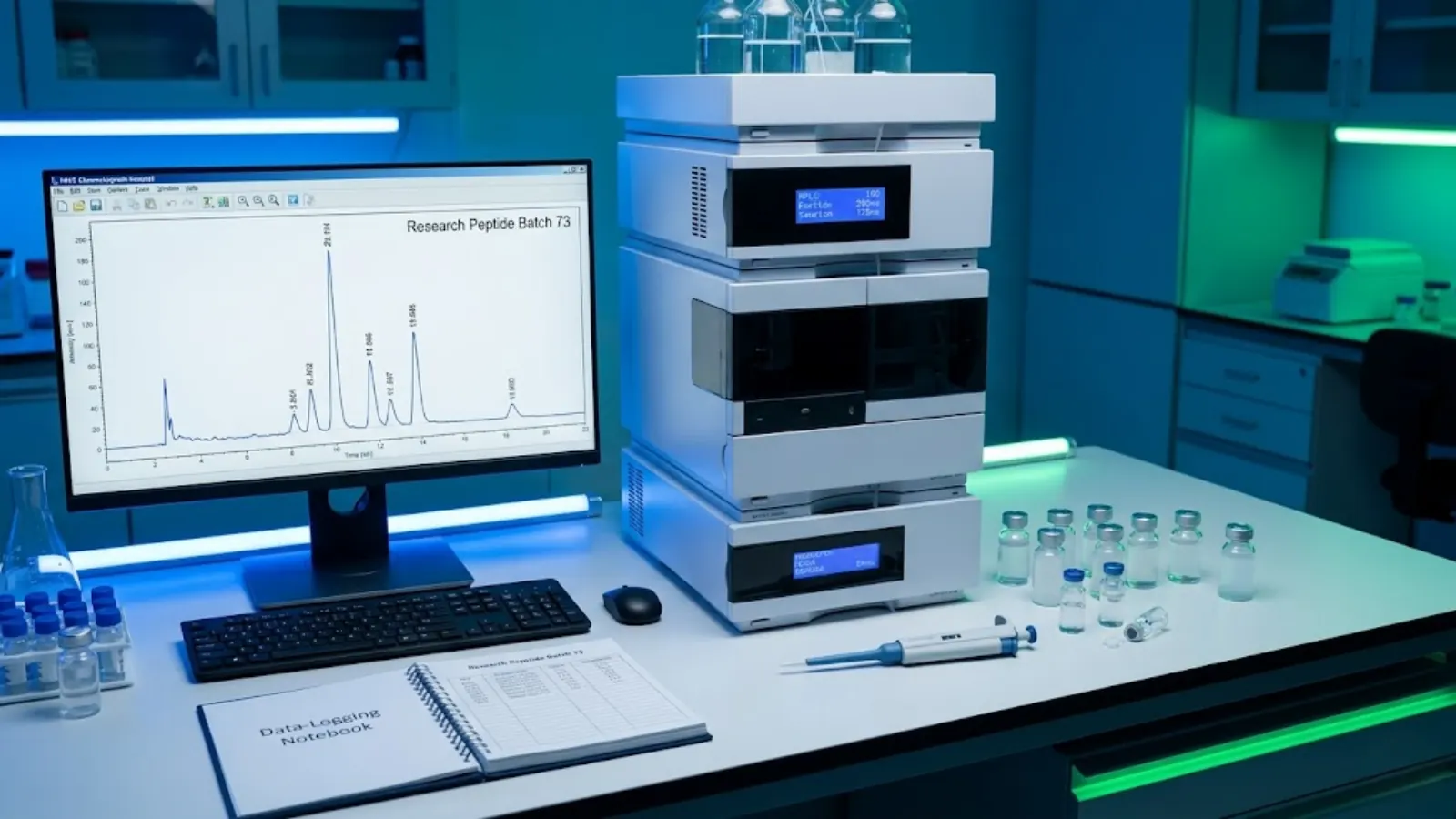
Figure 2: AOD 9604 stimulating lipolysis via beta-3 adrenergic receptors.
Understanding Adipotide (FTP): The Vascular Targeting Agent
If AOD 9604 is a metabolic scalpel, Adipotide is a targeted biological explosive. Officially known in clinical literature as Prohibitin-Targeting Peptide 1 (or Fat-Targeted Proapoptotic Peptide – FTP), Adipotide does not care about your metabolic rate, cyclic AMP, or hormone-sensitive lipase. It operates entirely outside the endocrine system. Adipotide is a synthetic peptidomimetic designed to act as an angiogenesis inhibitor, specifically weaponized against the blood vessels that keep white adipose tissue (WAT) alive.
Targeted White Adipose Tissue (WAT) Starvation
Fat tissue is not an inert storage depot; it is a highly active endocrine organ that requires a robust, continuous vascular network to supply it with oxygen and nutrients. Adipotide is structurally composed of two distinct domains fused together to exploit this dependency.
The first part of the molecule is a “homing” domain (amino acid sequence CKGGRAKDC). This sequence has a remarkable affinity for a specific protein called prohibitin. In healthy, non-adipose tissues, prohibitin is safely tucked away inside the mitochondria of cells. However, in the endothelial cells that line the blood vessels feeding white adipose tissue, prohibitin is aberrantly expressed on the outside of the cell membrane. Adipotide’s homing domain acts like a guided missile, locking exclusively onto the prohibitin markers found only on the vasculature of white fat.
The Apoptosis Mechanism Explained
Once the homing domain anchors the peptide to the targeted blood vessels, the second half of the Adipotide molecule goes to work. This is the “killing” domain, composed of an antimicrobial pro-apoptotic peptide sequence (KLAKLAK)2.
Upon internalization into the endothelial cell, the (KLAKLAK)2 domain physically disrupts the mitochondrial membrane. This catastrophic structural damage forces the mitochondria to leak cytochrome c into the cytosol, triggering an irreversible cascade of caspases (protease enzymes). The result is apoptosis, or programmed cell death.
As the endothelial cells die, the blood vessels collapse. The white adipocytes, suddenly cut off from their oxygen and nutrient supply, undergo rapid ischemic necrosis and apoptosis. The dead fat cells are subsequently dismantled by macrophages and cleared through the body’s lymphatic and renal systems. Adipotide does not shrink the fat cell—it definitively executes it.
Adipotide vs AOD 9604: Head-to-Head Comparison
To properly contextualize the differences for laboratory application, we must look at how these fundamental mechanistic divergences dictate the speed, efficacy, and biological footprint of the compounds.
| Feature / Metric | AOD 9604 | Adipotide (FTP) |
|---|---|---|
| Mechanism of Action | Lipolysis (Fat Shrinking) & Anti-Lipogenesis | Apoptosis (Fat Cell Death) via Vascular Ablation |
| Primary Target | Adipocyte Beta-3 Receptors | Endothelial Prohibitin (WAT Vasculature) |
| Systemic Endocrine Effect | Minimal to None (Does not alter IGF-1 or Insulin) | None (Mechanically targets vascular structures) |
| Pace of Tissue Reduction | Gradual, reliant on metabolic oxidation | Rapid, aggressive ischemic tissue clearance |
| Reversibility of Fat Loss | Reversible (Cells remain and can re-store lipids) | Highly Durable (Fat cells are destroyed and cleared) |
Speed of Results and Efficacy
The speed at which these compounds exhibit efficacy in laboratory models is night and day. AOD 9604 provides a steady, gradual reduction in adiposity. Because it relies on releasing free fatty acids into the bloodstream, the subject’s overall metabolic demand still plays a role in how effectively those mobilized lipids are oxidized. It is a slow, steady, and biologically gentle process.
Adipotide, conversely, induces rapid and dramatic morphological changes. In murine and primate models, Adipotide has demonstrated the ability to reduce total body weight by up to 11% in just four weeks. Because it is chemically asphyxiating the fat tissue, the reduction in adiposity happens independently of caloric restriction or metabolic rate. The tissue dies, and the mass is rapidly excreted.
Target Tissue Specificity
AOD 9604 is systemically active but tissue-specific by receptor design. It will circulate the body and interact predominantly with adipocytes where beta-receptors are dense, heavily favoring visceral adipose tissue (VAT) which is notoriously metabolically active.
Adipotide is entirely agnostic to the fat cell’s metabolic activity. Its specificity lies purely in its ability to bind to the vascular markers (prohibitin) of white adipose tissue. It bypasses brown adipose tissue (BAT) and lean muscle tissue completely, making it an incredibly precise tool for targeted WAT ablation, though the biological cost of clearing that dead tissue is high.
Clinical Data and Preclinical Research
When navigating the debate of adipotide vs aod 9604, evaluating the depth of their research history is paramount. The difference in their clinical maturity is significant, dictating how they are currently viewed by pharmacologists and regulatory bodies.
Human Clinical Trials for AOD 9604
AOD 9604 boasts a highly robust clinical portfolio. Originally developed and patented by Metabolic Pharmaceuticals, this peptide has successfully passed through Phase I, Phase IIa, and Phase IIb human clinical trials. Over 900 human subjects have been administered AOD 9604 in rigorously controlled, double-blind, placebo-controlled settings.
The data from these trials, particularly the HERO study, confirmed two massive biological victories: first, AOD 9604 was statistically significant in reducing body weight and improving lipid profiles in obese patients compared to placebo. Second, and perhaps more importantly, AOD 9604 exhibited a pristine safety profile. Human trials confirmed that it does not induce the hyperglycemia, insulin resistance, or cartilage proliferation associated with full-length hGH administration. It proved exceptionally well-tolerated, cementing its status as a viable, low-risk metabolic research compound.
Adipotide Studies in Primate Models
Adipotide, while biologically fascinating, remains strictly in the preclinical phase. Developed by researchers at the M.D. Anderson Cancer Center, its most profound data comes from studies on obese Old World monkeys (Rhesus macaques).
The primate data is undeniably spectacular. Spontaneously obese monkeys treated with Adipotide showed rapid, targeted reduction in white adipose tissue, notable improvements in insulin resistance (as a secondary byproduct of reduced visceral fat), and a marked decrease in waist circumference.
However, it is crucial to state that Adipotide has never successfully completed human clinical trials for obesity. The aggressive nature of inducing mass cellular apoptosis creates a tremendous biological burden on the subject’s filtration organs. While the efficacy data in primates represents a monumental leap in targeted tissue ablation, the translational gap between primate safety and human clinical application remains a significant hurdle in Adipotide’s developmental timeline.
Safety Profiles and Known Side Effects
When evaluating the overarching utility of any experimental compound, the therapeutic window—the dose range that produces a desired effect without causing unacceptable toxicity—must be rigorously established. In the discourse of adipotide vs aod 9604, the safety profiles are as diametrically opposed as their mechanisms of action. One presents a highly tolerable, mild metabolic shift, while the other imposes a massive physiological burden on the subject’s filtration organs.
Renal Toxicity Risks with Adipotide
The primary, dose-limiting toxicity of Adipotide is renal stress. This is not necessarily due to the chemical toxicity of the peptide itself, but rather the catastrophic biological aftermath of its mechanism. When Adipotide induces rapid apoptosis across widespread white adipose tissue, the resulting necrotic debris—comprising cellular membranes, intracellular proteins, and massive lipid loads—must be scavenged by macrophages and ultimately filtered out of the bloodstream by the kidneys.
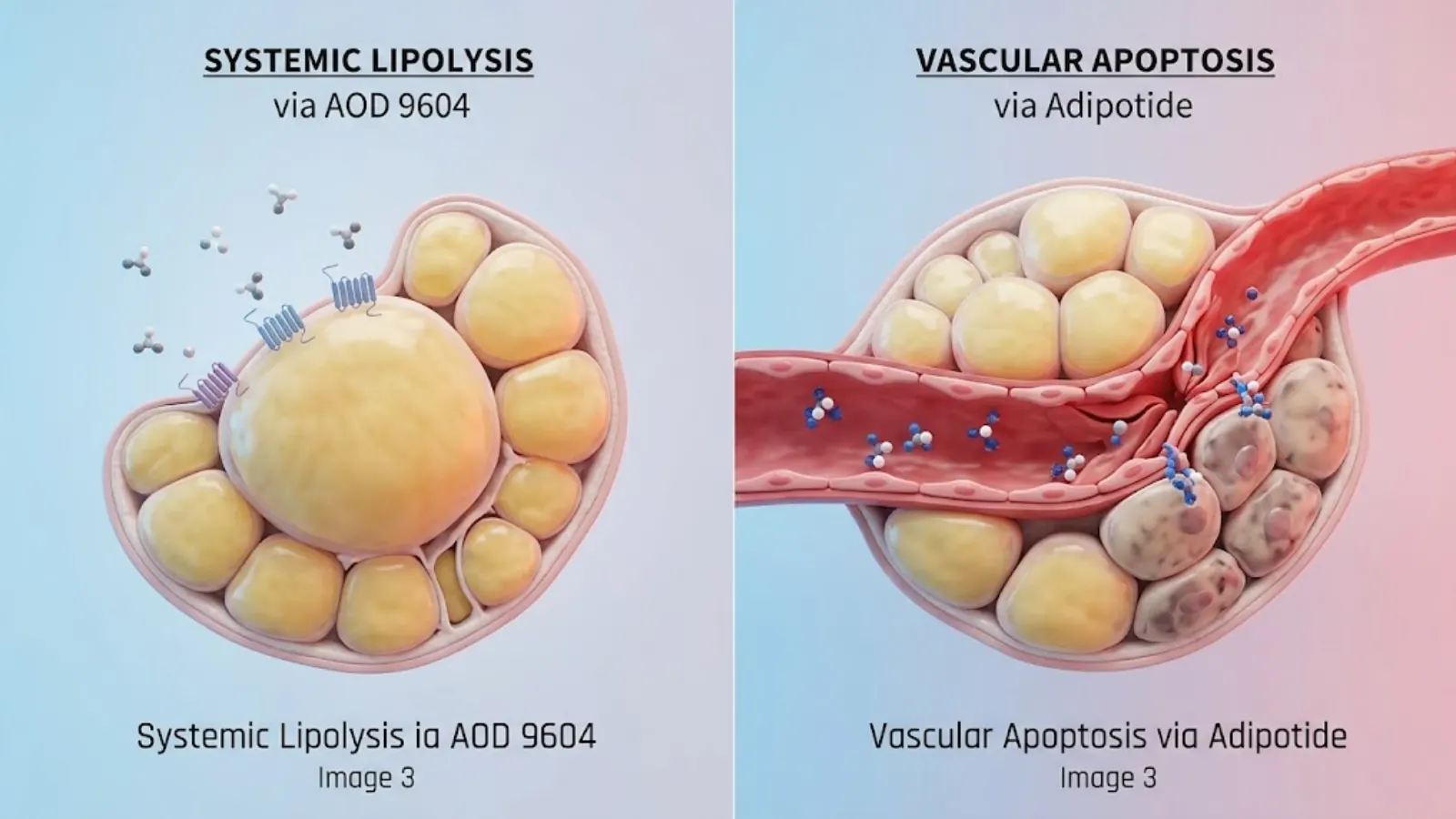
Figure 3: Adipotide’s mechanism of inducing necrotic clearance forces a high filtration load on the kidneys.
In primate studies, subjects administered Adipotide routinely exhibited predictable, dose-dependent renal lesions and transient acute kidney injury (AKI). Laboratory markers consistently show elevated serum creatinine, increased blood urea nitrogen (BUN), and pronounced proteinuria (excess protein in the urine). While the literature indicates these renal lesions are generally reversible upon cessation of the peptide, the acute stress placed on the nephrons requires meticulous hydration protocols and strict dosage ceilings. Furthermore, subjects often experience severe dehydration, localized edema, and profound lethargy as the body diverts immense energetic resources toward clearing the dead tissue.
The Favorable Tolerability of AOD 9604
Conversely, AOD 9604 possesses an exceptionally clean safety profile, largely because it leverages an endogenous (naturally occurring) metabolic pathway. Because it merely acts as a signaling molecule to up-regulate the activity of hormone-sensitive lipase without inducing cell death, it generates no toxic cellular debris.
Human clinical trials involving AOD 9604, including those tracking long-term administration, have noted an almost complete absence of severe adverse events. The most commonly reported side effects are localized: transient erythema (redness), mild pruritus (itching), or induration at the subcutaneous injection site. Crucially, metabolic blood panels confirm that AOD 9604 does not elevate systemic cortisol, nor does it induce the hyperinsulinemia or impaired glucose tolerance that famously plagues the administration of full-length recombinant human growth hormone. It is a biologically gentle compound.
B2B Considerations: Laboratory Synthesis and Sourcing
For laboratory wholesalers, research chemists, and institutional buyers, the logistical and financial realities of procuring these peptides dictate their viability. The structural complexity of a peptide directly correlates with its synthesis failure rate, required purification steps, and ultimate cost per milligram.
Synthesis Challenges: Peptidomimetics vs. Standard Chains
AOD 9604 is a relatively straightforward linear peptide consisting of 16 amino acids. It is routinely synthesized using standard Fmoc solid-phase peptide synthesis (SPPS). Because the sequence is short and lacks complex secondary folding requirements, chemical manufacturers can produce AOD 9604 at scale with high yield and minimal synthetic errors. The addition of the N-terminal tyrosine provides enough stability that premature degradation during the cleavage phase is rarely an issue.
Adipotide, however, is a synthetic nightmare. It is a chimeric peptidomimetic, meaning it is artificially engineered by fusing two highly distinct functional domains (the prohibitin-homing sequence and the pro-apoptotic sequence). The synthesis of Adipotide requires complex linker chemistry. Furthermore, the (KLAKLAK)2 domain is highly susceptible to aggregation during SPPS, leading to truncated sequences and dramatically lowering the overall yield. This structural complexity makes Adipotide exceptionally expensive to synthesize and requires highly specialized laboratories to produce it at research-grade purity.
Lyophilization, Stability, and HPLC Testing
Both peptides are typically supplied as lyophilized (freeze-dried) powders to preserve their structural integrity. However, quality assurance testing via High-Performance Liquid Chromatography (HPLC) and Mass Spectrometry (MS) is critical.
| Specification | AOD 9604 | Adipotide (FTP) |
|---|---|---|
| Synthesis Method | Standard Fmoc SPPS | Complex Chimeric SPPS with Linkers |
| Molecular Weight | 1815.1 g/mol | 2611.2 g/mol |
| Stability (Reconstituted) | High (Stable in bacteriostatic water for 14-21 days refrigerated) | Moderate (Requires immediate refrigeration; prone to rapid degradation) |
| Purity Standard Required | >98% (Standard HPLC validation) | >99% (Crucial to avoid toxic cleaved fragments) |
For B2B buyers, verifying the HPLC chromatogram for Adipotide is particularly vital. Because of its difficult synthesis, substandard batches often contain impurities or truncated fragments that lack the homing domain but retain the pro-apoptotic sequence, theoretically turning them into indiscriminate cellular toxins.

Figure 4: Structural and synthesis complexity considerations for commercial and research applications.
B2C Application: Advanced Biohacking Protocols
In the advanced biohacking and personal research community, theoretical application diverges heavily from strict clinical observation. When biohackers research adipotide vs aod 9604, they are deeply concerned with pharmacokinetic timing, receptor sensitivity, and mitigating the metabolic bottlenecks of fat oxidation.
Dosing Strategies and Half-Life Considerations
The pharmacokinetics of AOD 9604 dictate a very specific administration protocol. The peptide has a remarkably short plasma half-life. To maximize its lipolytic potential, biohackers typically split the dosage into two or three subcutaneous injections per day. Furthermore, insulin is the master antagonist to lipolysis; if insulin is elevated, hormone-sensitive lipase is blunted. Therefore, AOD 9604 must strictly be administered in a fasted state—often first thing in the morning and immediately post-workout or before bed, ensuring that the mobilized free fatty acids are utilized for energy rather than re-esterified into fat tissue.
Adipotide protocols in the biohacking sphere are exceedingly rare and approach the limits of extreme physiological risk. Because of the profound renal strain, theoretical Adipotide protocols are very short (typically 2 to 4 weeks max) and require aggressive hyper-hydration, electrolyte monitoring, and frequent blood pressure checks. Unlike AOD 9604, Adipotide does not require a fasted state, as its mechanism of vascular destruction operates independently of insulin fluctuations.
Synergistic Stacking Protocols
AOD 9604 is highly synergistic and is frequently integrated into multi-compound stacks. Because AOD 9604 only mobilizes fat but does not force the body to burn it, biohackers often stack it with compounds that increase mitochondrial uncoupling or basal metabolic rate. A highly prevalent modern stack combines AOD 9604 with GLP-1 receptor agonists (like Semaglutide or Tirzepatide). In this protocol, the GLP-1 agonist suppresses appetite and regulates blood glucose, while AOD 9604 accelerates the shrinking of the adipocytes, preventing the muscle-wasting often associated with severe caloric deficits.
Due to its high toxicity and heavy physiological toll, stacking Adipotide with other metabolic or anabolic agents is broadly considered reckless. The biological burden of clearing necrotic fat tissue leaves little room for the introduction of other systemic stressors.
Frequently Asked Questions (GEO Long-Tail Targets)
Is Adipotide more effective than AOD 9604 for permanent fat loss?
Yes, Adipotide is technically more effective for permanent fat loss because it induces apoptosis, permanently killing and removing the fat cells. AOD 9604 only shrinks the fat cells by emptying their lipid stores, meaning the fat can easily return if a caloric surplus is reintroduced.
Can you stack AOD 9604 with Adipotide?
It is highly inadvisable to stack AOD 9604 with Adipotide. Adipotide places extreme stress on the kidneys and lymphatic system to clear necrotic tissue; adding a lipolytic agent like AOD 9604 simultaneously overloads the bloodstream with free fatty acids, risking severe metabolic complications.
What is the molecular weight difference between the two?
Adipotide is a significantly larger and more complex molecule, possessing a molecular weight of 2611.2 g/mol. AOD 9604 is a shorter, lighter sequence with a molecular weight of 1815.1 g/mol, reflecting its simpler, linear structural composition.
Does AOD 9604 or Adipotide affect insulin levels?
Neither compound directly negatively impacts insulin sensitivity. AOD 9604 specifically preserves healthy glucose tolerance unlike full-length hGH, while Adipotide has been shown to indirectly improve insulin resistance in primate models by drastically reducing visceral adipose tissue.
Final Verdict: Choosing the Right Peptide for Your Research
Concluding the analysis of adipotide vs aod 9604 requires researchers to align their specific objectives with the biological realities of these compounds.
If the research goal is to safely observe the up-regulation of fat metabolism, study beta-3 adrenergic receptor pathways, or develop protocols for sustainable, gradual fat loss with a pristine safety profile, AOD 9604 is the undisputed choice. Its robust history in human clinical trials makes it a reliable, high-utility compound for both B2B clinical researchers and B2C biohackers.
Conversely, if the objective is purely experimental—such as observing targeted angiogenesis inhibition, mapping prohibitin expression in obese models, or tracking the biological mechanics of acute adipocyte necrosis—Adipotide offers a highly potent, albeit risky, mechanism. It remains a strictly preclinical tool, characterized by extreme efficacy overshadowed by the imminent threat of renal toxicity.
Key Takeaways
- Mechanism of Action: AOD 9604 drives lipolysis (shrinking fat cells via metabolic oxidation); Adipotide drives apoptosis (killing fat cells via targeted vascular destruction).
- Clinical Safety: AOD 9604 has a robust and highly favorable human safety profile, avoiding the insulin-disrupting side effects of standard hGH.
- Toxicity Risks: Adipotide carries notable and severe renal (kidney) risks due to the biological burden of clearing massive amounts of necrotic tissue, and its data is restricted to preclinical primate models.
- Application Protocol: AOD 9604 must be administered in a fasted state to bypass insulin’s anti-lipolytic effects, while Adipotide operates independently of the subject’s metabolic state.
- Synthesis & Sourcing: When researching adipotide vs aod 9604, buyers must note that Adipotide is vastly more expensive and complex to synthesize, requiring stringent HPLC purity verification to avoid toxic fragments.