
AOD-9604 vs. HGH Fragment 176-191: Which Lipolytic Peptide Delivers Superior Results?

Disclaimer: The following information is for educational and informational purposes only. The peptides discussed in this article are restricted for in vitro laboratory research use only. They are not approved by the FDA for human consumption, diagnostic, or therapeutic use.
Table of Contents
- 1. Quick Answer: HGH Fragment 176-191 vs AOD-9604
- 2. Introduction to Lipolytic Peptides in Modern Research
- 3. What is HGH Fragment 176-191?
- 4. What is AOD-9604?
- 5. Mechanism of Action: How These Peptides Drive Lipolysis
- 6. Structural Stability & Purity: B2B Laboratory Perspectives
- 7. Clinical Data & Metabolic Outcomes
- 8. Advanced Biohacking: Practical Application & Protocols
- 9. Safety Profiles and Potential Side Effects
- 10. Sourcing Quality: Wholesale Synthesis and Personal Research
- 11. Frequently Asked Questions (FAQs)
- 12. Key Takeaways
1. Quick Answer: HGH Fragment 176-191 vs AOD-9604
When evaluating hgh fragment 176-191 vs aod-9604, the key distinction lies in structural stability. AOD-9604 is a modified derivative of HGH Frag 176-191, containing an additional N-terminal tyrosine. This modification significantly enhances its resistance to proteolytic degradation, making AOD-9604 the superior lipolytic peptide for prolonged laboratory research and metabolic protocols.
2. Introduction to Lipolytic Peptides in Modern Research
The pursuit of targeted metabolic modulation has driven a massive paradigm shift in peptide biochemistry. For decades, researchers sought a mechanism to harness the profound fat-burning capabilities of human growth hormone (hGH) without triggering its systemic, pleiotropic effects. Endogenous hGH—a 191-amino acid, 22-kilodalton (kDa) polypeptide secreted by the anterior pituitary—acts on multiple tissue types, driving cellular proliferation, longitudinal bone growth, and dramatic shifts in macronutrient partitioning.
However, the therapeutic and research application of full-length recombinant hGH for targeted lipolysis (fat loss) is severely bottlenecked by its physiological trade-offs.
2.1 The Evolution from Full-Length HGH
When full-length hGH is introduced into a biological system, it binds to growth hormone receptors (GHRs) predominantly located in the liver, stimulating the synthesis and secretion of Insulin-like Growth Factor 1 (IGF-1). While IGF-1 is highly anabolic, this exact pathway induces cellular proliferation—a highly undesirable effect when the sole objective is metabolic regulation or fat loss.
Furthermore, full-sequence hGH exhibits a pronounced diabetogenic effect. By rapidly mobilizing free fatty acids (FFAs) into the bloodstream, prolonged hGH exposure can induce the Randle cycle (glucose-fatty acid cycle), where the oxidation of fatty acids competitively inhibits glucose oxidation. This sequence of events predictably leads to hyperinsulinemia, decreased insulin sensitivity, and altered glucose homeostasis. For B2B synthesis labs and B2C biohackers alike, utilizing full-length GH solely for fat reduction is a blunt-force approach fraught with off-target risks.
2.2 The Rise of Targeted Fragments
The breakthrough in metabolic peptide research occurred when biochemists successfully mapped the functional domains of the hGH molecule. Researchers discovered that the metabolic, growth-promoting, and diabetogenic properties of the hormone were entirely distinct and localized to different regions of the peptide chain.
Specifically, the lipolytic (fat-burning) and anti-lipogenic (fat-blocking) domain of human growth hormone is localized exclusively to the C-terminal end of the molecule. By cleaving this specific segment, researchers successfully isolated the lipolytic machinery from the anabolic and diabetogenic domains. This monumental isolation gave birth to the class of peptides we now recognize as HGH fragments—hyper-targeted biological tools engineered solely for the acceleration of fat metabolism.
3. What is HGH Fragment 176-191?
To deeply understand the nuances of lipolytic research, we must first deconstruct the primary architect of C-terminal fat metabolism: HGH Fragment 176-191.
3.1 Structural Breakdown
HGH Fragment 176-191 is a truncated synthetic peptide comprising exactly 16 amino acids. As its nomenclature suggests, this sequence represents amino acid residues 176 through 191 of the intact 191-amino acid hGH polypeptide.
The primary amino acid sequence is represented as: Leu-Arg-Ile-Val-Gln-Cys-Arg-Ser-Val-Glu-Gly-Ser-Cys-Gly-Phe.
A critical structural feature of this specific fragment is the presence of two cysteine residues (Cys-182 and Cys-189). In optimal biochemical environments, these cysteines form a vital disulfide bridge. This disulfide bond induces a highly specific conformational fold—a hairpin loop—that is absolutely paramount for the peptide’s biological activity and receptor binding affinity on adipocytes (fat cells). If a laboratory synthesizes this fragment but fails to accurately close this disulfide bridge during oxidation, the peptide will be virtually inert in vitro.
3.2 Core Functions
HGH Frag 176-191 operates as a highly specialized metabolic regulator. Unlike sympathomimetic agents (such as clenbuterol or ephedrine) that force fat oxidation through central nervous system stimulation and adrenal output, Frag 176-191 operates directly at the adipose tissue level.
Its primary functions are strictly dual-mechanistic:
- Upregulation of Lipolysis: It acts directly on adipocytes to stimulate the breakdown of stored triglycerides into glycerol and free fatty acids, effectively releasing stored energy into the bloodstream for oxidation.
- Downregulation of Lipogenesis: Simultaneously, it exerts an inhibitory effect on lipogenic enzymes, drastically reducing the cell’s ability to convert circulating dietary carbohydrates and lipids back into stored triglycerides.
Because it lacks the specific N-terminal and central domains required to interact with hepatic GHRs, Fragment 176-191 yields these robust fat-loss mechanisms without elevating systemic IGF-1 or disrupting glucose tolerance.
4. What is AOD-9604?
While HGH Fragment 176-191 represented a monumental leap in targeted metabolic pharmacology, it was not without its limitations—specifically regarding structural degradation and biological half-life. Enter AOD-9604, the next evolutionary step in lipolytic peptide synthesis.
4.1 The “Anti-Obesity Drug” Origins
AOD-9604 (Advanced Obesity Drug) was engineered in the late 1990s by Metabolic Pharmaceuticals, an Australian biotechnology firm. The foundational goal was to create a pharmaceutical-grade, orally bioavailable, and highly stable derivative of the hGH lipolytic domain to treat clinical obesity. The researchers required a compound that maintained the exact fat-burning efficacy of the 176-191 sequence but possessed the robust chemical stability required to survive clinical processing, gastric environments, and extended circulation in the bloodstream.
4.2 The Crucial N-Terminal Tyrosine Modification
When we directly compare hgh fragment 176-191 vs aod-9604 from a biochemical standpoint, the structural variance is minimal but mechanistically profound.
AOD-9604 is essentially the identical 16-amino acid sequence of HGH Frag 176-191, but with the addition of a single tyrosine amino acid at the N-terminus.
Originally, researchers appended this tyrosine residue to the peptide simply to allow for radioiodination (attaching a radioactive iodine isotope to track the peptide during in vivo assays and pharmacokinetic studies). However, they stumbled upon an extraordinary secondary effect: the N-terminal tyrosine dramatically altered the peptide’s steric hindrance and enzymatic resistance.
This single amino acid modification shields the peptide chain from rapid proteolytic cleavage by endogenous peptidases. The result is a peptide that boasts a significantly longer half-life, superior structural stability during lyophilization (freeze-drying), and remarkable resilience against ambient temperature fluctuations compared to its predecessor.
Structural Comparison Matrix
| Feature / Metric | HGH Fragment 176-191 | AOD-9604 |
|---|---|---|
| Amino Acid Count | 16 | 17 |
| Origin Sequence | Residues 176-191 of hGH | Residues 176-191 + N-terminal Tyrosine |
| Disulfide Bridge | Yes (Cys-182 to Cys-189) | Yes (Cys-182 to Cys-189) |
| In Vivo Half-Life | Short (< 30 minutes) | Extended (Resistant to proteolysis) |
| Oral Bioavailability | Negligible / Poor | Documented clinical efficacy orally |
| Primary Indication | Targeted fat metabolism | Targeted fat metabolism / Osteoarthritis research |
5. Mechanism of Action: How These Peptides Drive Lipolysis
To appreciate why both laboratory researchers and advanced biohackers utilize these specific compounds, it is imperative to dissect their exact mechanism of action at the cellular level. Both peptides operate via identical metabolic pathways, acting as precision instruments on adipose tissue.
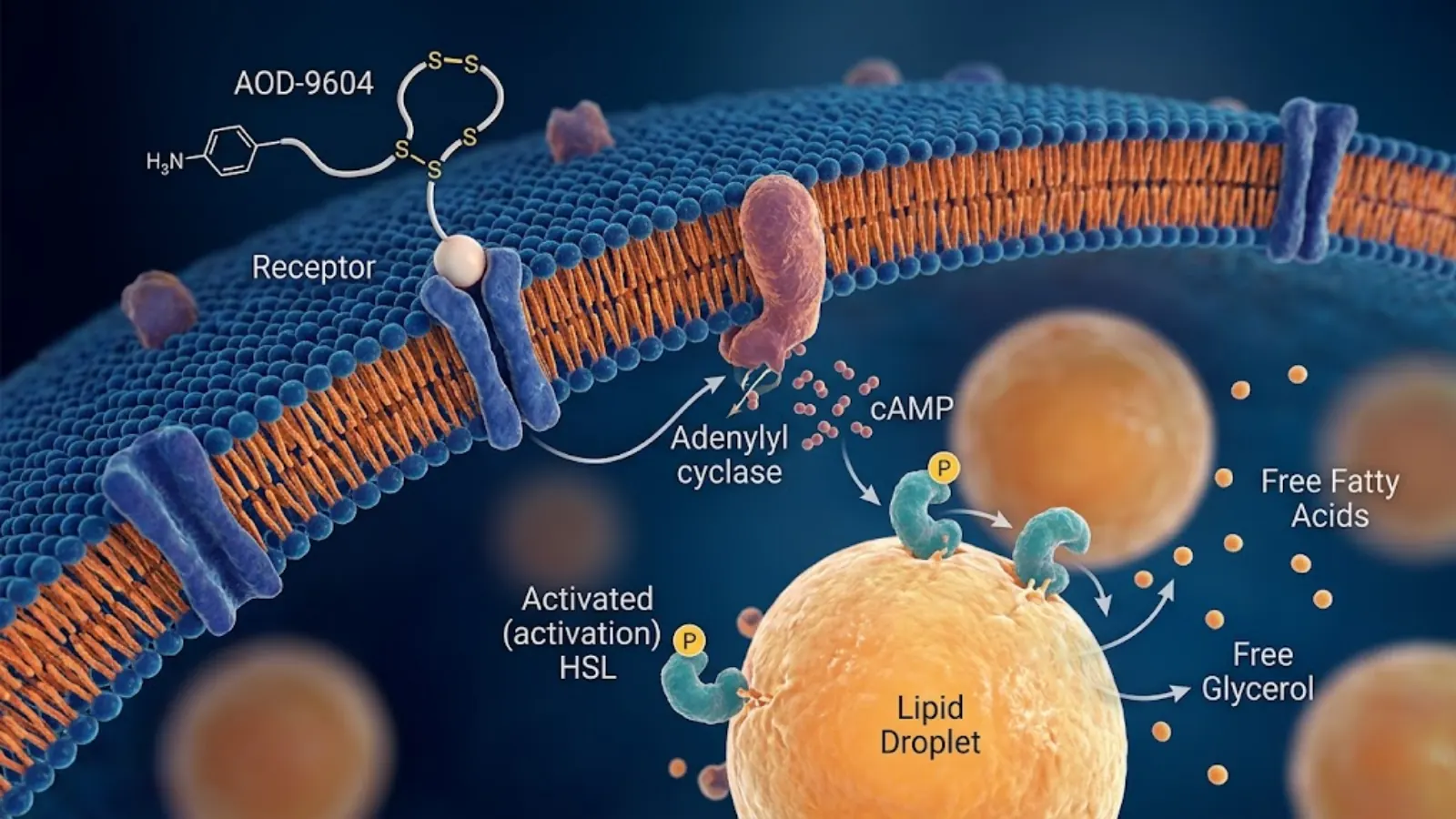
Figure 1: The intracellular lipolytic cascade initiated by targeted peptide binding to adipocyte surface receptors.
5.1 Cellular Receptor Interaction and the Enzymatic Cascade
While traditional hGH utilizes the JAK2/STAT5 signaling pathway to drive widespread physiological changes, HGH Fragment 176-191 and AOD-9604 bypass this cascade entirely. Instead, their mechanism is hyper-focused on the regulation of intra-cellular enzymes within the adipocyte.
When these lipolytic peptides interface with the adipocyte membrane, they trigger an intracellular signaling cascade mediated by cyclic adenosine monophosphate (cAMP).
- The cascade begins with the stimulation of adenylyl cyclase, which converts ATP into cAMP.
- Elevated cAMP levels subsequently activate Protein Kinase A (PKA).
- PKA then phosphorylates (activates) Hormone-Sensitive Lipase (HSL) and perilipin (the protein coating the lipid droplet).
- The phosphorylation of perilipin allows HSL access to the stored triglycerides, hydrolyzing them into free fatty acids and glycerol to be utilized as ATP (cellular energy) by mitochondria.
Remarkably, clinical data suggests these peptides heavily favor visceral adipose tissue—the metabolically dangerous fat packed around internal organs—over subcutaneous fat, due to a higher density of specific lipolytic receptors in visceral adipocytes. Furthermore, they actively downregulate the enzyme acetyl-CoA carboxylase, effectively shutting the biological door on new fatty acid synthesis.
5.2 Blood Sugar and IGF-1 Preservation
Perhaps the most clinically significant aspect of their mechanism is what they do not do.
In exhaustive human and animal trials evaluating these fragments, researchers meticulously tracked fasting blood glucose, insulin sensitivity, and serum IGF-1 levels. Because neither HGH Frag 176-191 nor AOD-9604 possesses the N-terminal or central binding domains required to activate the full hGH receptor, they are completely devoid of diabetogenic and anabolic activity. This means there is no stimulation of IGF-1 (or its potent variants like IGF-DES) which typically drives unchecked cellular proliferation.
They do not stimulate glycogenolysis (the breakdown of glycogen into glucose) in the liver, meaning they will not spike blood sugar levels or demand a compensatory insulin response from the pancreas. Furthermore, they do not induce cartilage growth or cellular proliferation, making them infinitely safer for long-term clinical evaluation and extended biohacking protocols aimed exclusively at fat loss and metabolic healing.
6. Structural Stability & Purity: B2B Laboratory Perspectives
For laboratory researchers, synthesis facilities, and B2B wholesale purveyors, the efficacy of a peptide is entirely contingent upon its stability and purity. A highly potent peptide is clinically useless if it rapidly degrades during transit, storage, or the reconstitution phase. This is the exact arena where the comparison of hgh fragment 176-191 vs aod-9604 becomes heavily weighted toward the latter.
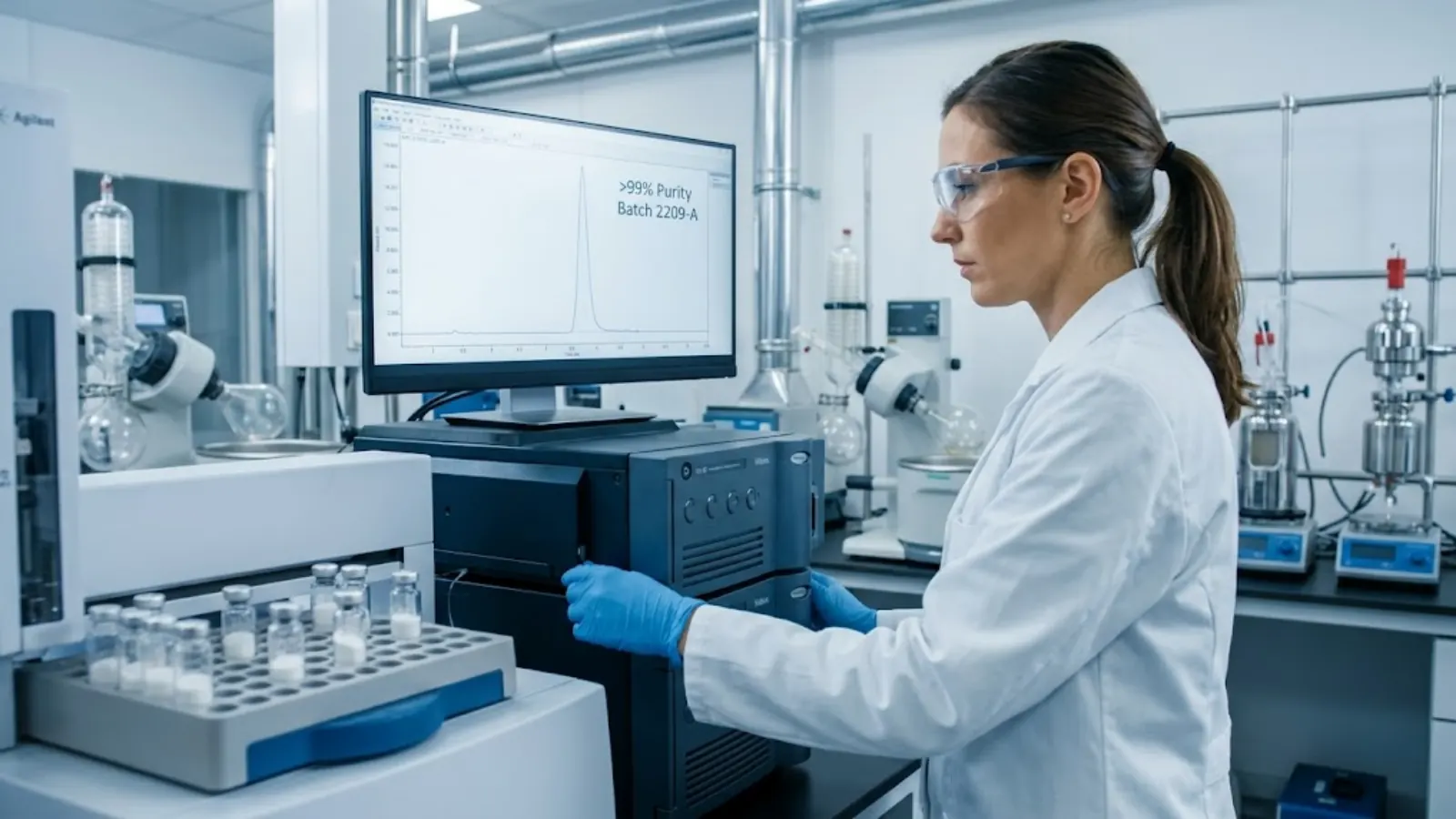
Figure 2: HPLC analysis confirming >99% purity—a non-negotiable standard for laboratory research.
6.1 Lyophilization and Reconstitution Dynamics
Both HGH Fragment 176-191 and AOD-9604 are synthesized via Solid-Phase Peptide Synthesis (SPPS) and subsequently lyophilized (freeze-dried) to suspend them in a stable, dormant state. In this lyophilized powder form, they are relatively resilient to environmental stressors.
However, the moment these peptides are reconstituted—typically using bacteriostatic water containing 0.9% benzyl alcohol—the molecular dynamics shift. In an aqueous solution, the peptide bonds become highly susceptible to hydrolysis and enzymatic degradation. HGH Fragment 176-191, lacking any protective terminal modifications, begins to rapidly denature at room temperature. Its native conformation, dependent on the fragile disulfide bridge between Cys-182 and Cys-189, can easily uncouple under suboptimal pH conditions or minor thermal fluctuations, rendering the molecule biologically inert.
6.2 Why AOD-9604 Wins on Stability
AOD-9604 was engineered specifically to circumvent the structural fragility inherent to the naked 176-191 fragment. The addition of the N-terminal tyrosine acts as a molecular shield via steric hindrance. By altering the three-dimensional geometry at the cleavage site where circulating endopeptidases typically attack, the tyrosine residue actively deflects enzymatic degradation.
In a laboratory setting, this translates to vastly superior pharmacokinetics. While HGH Fragment 176-191 has an extremely brief in vivo half-life (often less than 30 minutes), requiring highly frequent administration to maintain steady-state lipolysis, AOD-9604 maintains its structural integrity significantly longer. For in vitro cell culture studies, researchers find that AOD-9604 maintains its lipolytic signaling on cultured adipocytes for hours without requiring constant replenishment of the medium.
6.3 HPLC Analysis and Purity Testing
When B2B purchasers source these peptides, verifying purity via High-Performance Liquid Chromatography (HPLC) paired with Mass Spectrometry (LC-MS) is a non-negotiable protocol.
During the SPPS process, truncated sequences (incomplete peptide chains) and toxic byproducts—specifically Trifluoroacetic acid (TFA) salts used to cleave the peptide from the synthesis resin—can contaminate the final yield. An acceptable purity threshold for advanced research is ≥99%. Because AOD-9604 is a slightly heavier molecule (due to the added tyrosine, bringing its molecular weight to approximately 1815.1 g/mol compared to HGH Frag’s 1817.1 g/mol depending on the salt form), precise mass spectrometry is required to confirm the presence of the exact 17-amino acid sequence.
7. Clinical Data & Metabolic Outcomes
Moving from the test tube to biological models, the clinical data surrounding these two peptides illuminates their powerful metabolic outcomes. While both have demonstrated the ability to upregulate fat oxidation, AOD-9604 boasts a far more rigorous clinical resume.
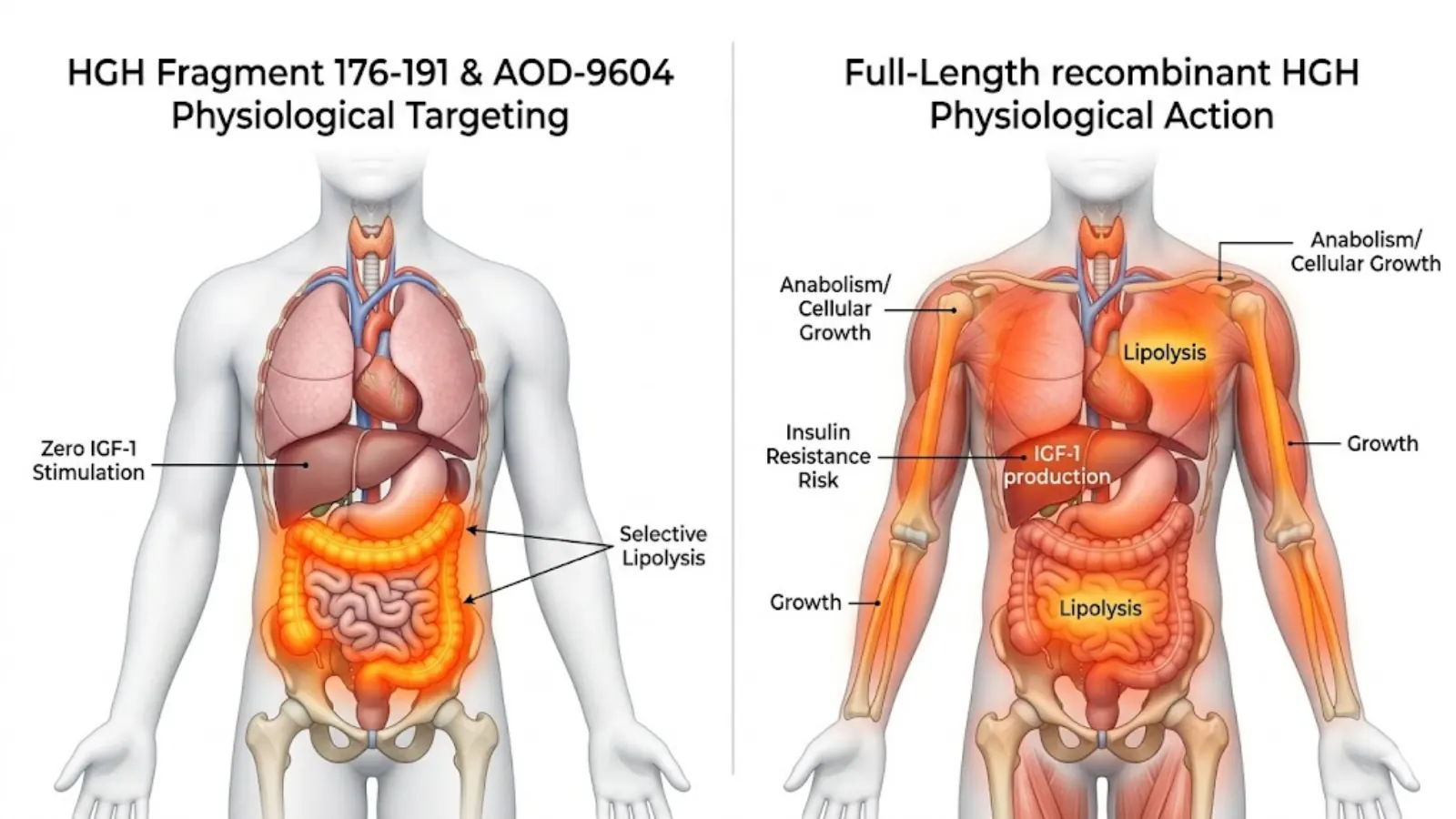
Figure 3: Physiological targeting map. Notice the fragments’ high affinity for visceral adipose tissue without systemic off-target effects.
7.1 In Vitro Efficacy
In controlled laboratory environments, adipocytes (fat cells) harvested from humans and rodents exhibit profound morphological changes when exposed to these peptides. Studies conducted by Professor Frank Ng and his team at Monash University in Australia demonstrated that exposing obese cellular models to the AOD-9604 peptide sequence triggered an immediate uncoupling of triglycerides.
Interestingly, researchers noted that the lipolytic response was highly localized to hypertrophic (enlarged) adipocytes. The peptides exerted a far less pronounced effect on lean, metabolically healthy fat cells. This suggests an innate, receptor-mediated autoregulation—the peptides preferentially target dysfunctional, overstuffed fat cells while largely ignoring healthy lipid reservoirs required for standard cellular function.
7.2 Animal Models and Human Trials
AOD-9604 underwent extensive human clinical trials in the early 2000s under the banner of Metabolic Pharmaceuticals. Across several Phase II trials involving hundreds of clinically obese patients, AOD-9604 demonstrated a clear capacity to reduce body fat, particularly visceral adipose tissue, without any of the dangerous side effects associated with sympathomimetic weight-loss drugs.
Crucially, continuous monitoring of the trial participants revealed zero disruption to glucose homeostasis. Fasting insulin, blood glucose levels, and IGF-1 remained completely stable throughout the 12-to-24-week administration periods. Furthermore, AOD-9604 achieved a coveted GRAS (Generally Recognized As Safe) designation in the United States for specific food and cosmetic applications—a testament to its incredibly mild physiological footprint.
Clinical Biomarker Comparison
| Metabolic Biomarker | Full-Length HGH | HGH Frag 176-191 | AOD-9604 |
|---|---|---|---|
| Lipolysis (Fat Burning) | Very High | High | High |
| IGF-1 Elevation | Yes (Significant) | No | No |
| Insulin Resistance Risk | High | Zero | Zero |
| Cellular Proliferation | Yes (Anabolic) | No | No |
| Clinical Trial Backing | Decades of data | Moderate in vitro data | Extensive Phase II human data |
8. Advanced Biohacking: Practical Application & Protocols
For the advanced B2C biohacker, understanding the biochemistry of these peptides is only half the equation; the other half is flawless execution. The application of lipolytic peptides requires strict adherence to metabolic timing.
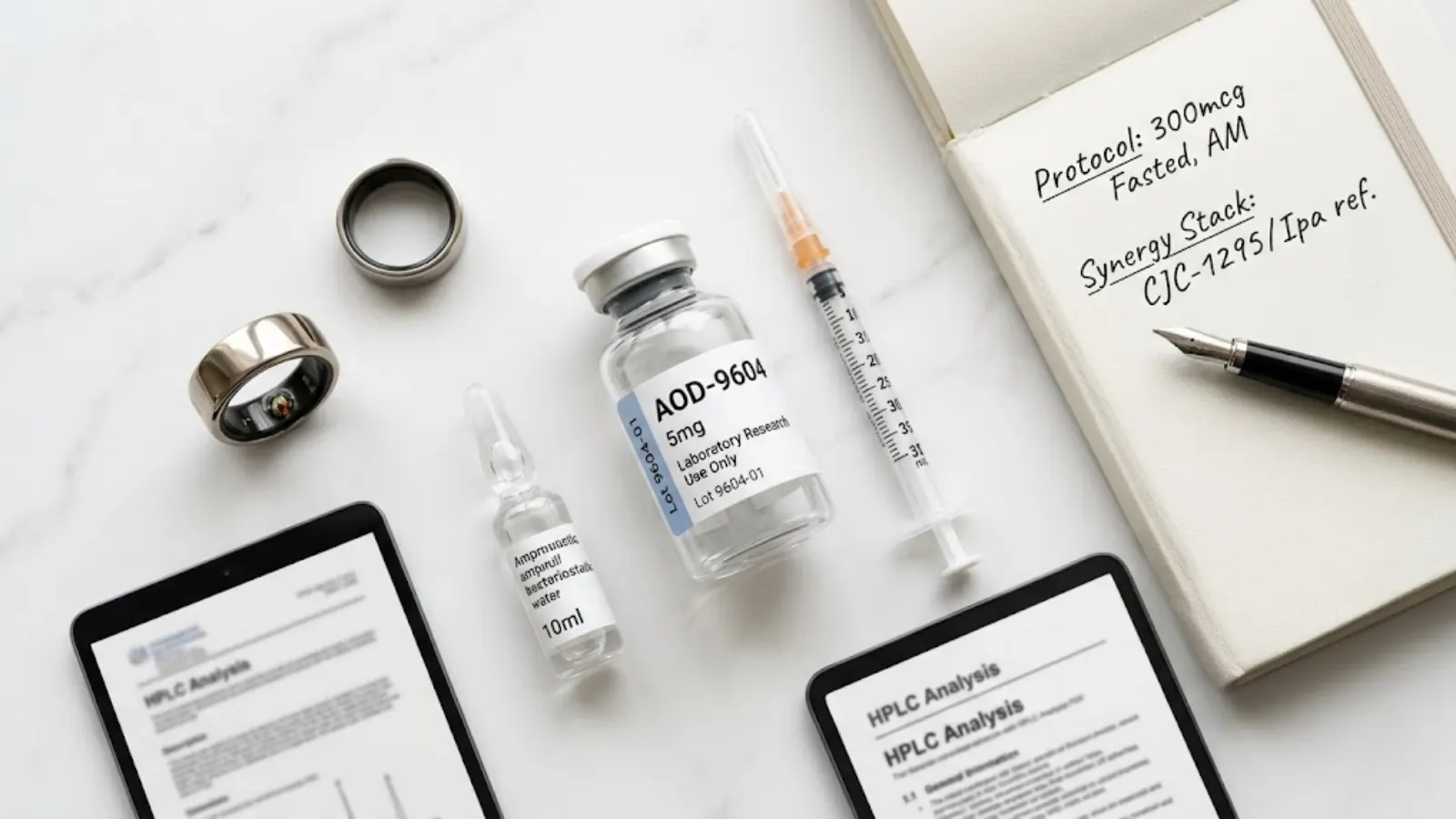
Figure 4: A highly structured approach to advanced metabolic research and peptide administration.
8.1 Dosing Strategies: The Insulin Paradox
The most critical error made in biohacking research with HGH Fragment 176-191 and AOD-9604 is administering the peptide in the presence of elevated insulin.
Insulin is the undisputed master hormone of cellular storage. When carbohydrates or exogenous amino acids are ingested, the pancreas secretes insulin to shuttle these nutrients into cells. At the intracellular level, insulin severely upregulates the enzyme phosphodiesterase (PDE). PDE rapidly degrades cAMP—the exact secondary messenger that these peptides rely on to activate Hormone-Sensitive Lipase (HSL).
If you administer AOD-9604 while insulin levels are elevated, the peptide will bind to the receptor, but the intracellular signal will be instantly crushed by PDE. Therefore, fasting is a non-negotiable prerequisite. Advanced protocols demand that administration occurs strictly during a fasted state, typically first thing in the morning or deep into an intermittent fasting window, with no caloric intake for at least 2 to 3 hours post-administration to allow the mobilized free fatty acids to be oxidized via cardiovascular exercise.
8.2 Cycle Lengths and Administration
(Note: The following represents observational data from advanced biohacking communities and is not medical advice.)
Because these peptides do not cause receptor downregulation in the same aggressive manner as full-length hGH or beta-2 adrenergic agonists, researchers often utilize them for extended cycles.
- Administration Route: Subcutaneous injection directly into abdominal adipose tissue using a 31-gauge insulin syringe is the standard protocol, maximizing local tissue absorption.
- Dosage Ranges: Observational data suggests common research dosages range between 250mcg to 500mcg per administration, frequently split into two daily doses (e.g., morning fasted, and pre-cardio fasted).
- Cycle Duration: Cycles commonly run between 8 to 12 weeks, as the subtle, enzymatic shift in lipid metabolism requires compounding time to yield visible structural changes.
8.3 Synergistic Peptide Stacking
To amplify metabolic outcomes, biohackers frequently engineer peptide “stacks.” Because AOD-9604 and HGH Frag 176-191 do not interact with the pituitary or the GHRP/GHRH receptors, they can be flawlessly integrated alongside endogenous growth hormone secretagogues or muscle-preserving agents like GDF-8 (Myostatin Propeptide) to prevent catabolism during aggressive fat loss phases.
A standard advanced protocol involves stacking AOD-9604 with a GHRH/GHRP blend such as CJC-1295 (without DAC) and Ipamorelin. This combination creates a dual-pronged metabolic assault: the secretagogues stimulate a natural, pulsatile release of endogenous GH (promoting recovery, sleep, and mild anabolism), while the AOD-9604 hyper-focuses the body’s metabolic machinery on visceral fat oxidation. Additionally, mitochondrial-derived peptides like MOTS-c are occasionally stacked to upregulate AMP-activated protein kinase (AMPK), forcing the mitochondria to rapidly burn the free fatty acids mobilized by the AOD-9604.
9. Safety Profiles and Potential Side Effects
One of the primary drivers behind the explosive popularity of targeted fragments is their remarkably benign safety profile. When comparing them to traditional metabolic interventions, the risk-to-reward ratio is profoundly skewed in favor of safety.
9.1 General Tolerability
Because these molecules are endogenous peptide fragments, the body recognizes them with high affinity. They do not cross the blood-brain barrier in significant quantities to induce neurological side effects (such as the anxiety, tremors, or insomnia heavily associated with clenbuterol or high-dose caffeine). Furthermore, because they completely bypass the IGF-1 pathway, there is theoretically zero risk of acromegaly (abnormal bone and tissue growth), organomegaly (organ enlargement), or the exacerbation of dormant oncological (cancer) pathways—all of which are persistent risks with illicit, high-dose hGH abuse.
9.2 Injection Site Reactions (ISR)
The most frequently documented side effect in both clinical trials and observational biohacking logs is Injection Site Reaction (ISR). This typically manifests as a minor, transient red welt, accompanied by mild pruritus (itching) or localized swelling at the site of subcutaneous administration.
From a biochemical standpoint, this is rarely an allergic reaction to the peptide itself. Instead, it is almost entirely attributable to two factors:
- Improper pH of the Reconstitution Fluid: Bacteriostatic water that is too acidic.
- TFA Contamination: As mentioned in Section 6, poorly synthesized, low-purity peptides often retain Trifluoroacetic acid salts. When injected subcutaneously, TFA triggers a localized histamine response from mast cells. This is why sourcing >99% purity with a verifiable COA is critical.
9.3 Long-Term Considerations
Current clinical data on AOD-9604 suggests it is remarkably safe for continuous use up to 24 weeks. However, as with any compound that alters lipid metabolism, researchers are advised to routinely monitor comprehensive metabolic panels, paying specific attention to circulating lipid profiles (HDL, LDL, and triglycerides), as the mechanism fundamentally relies on shuttling stored fats into the bloodstream for oxidation.
10. Sourcing Quality: Wholesale Synthesis and Personal Research
The gray market of peptide synthesis is notoriously fraught with under-dosed, degraded, or entirely counterfeit products. Both laboratory procurement officers and private researchers must operate with extreme prejudice when selecting a manufacturer.
10.1 Vetting B2B Peptide Manufacturers
A legitimate peptide manufacturer will operate under strict cGMP (Current Good Manufacturing Practice) guidelines. They must utilize automated Solid-Phase Peptide Synthesizers and possess in-house lyophilization capabilities. Furthermore, they should readily provide blind, third-party analytical testing for every single batch produced. Trusting the manufacturer’s in-house testing is a fundamental error; independent verification is the only shield against chemical degradation and poor synthesis yields.
10.2 Reading a Certificate of Analysis (COA)
When reviewing a COA for HGH Fragment 176-191 or AOD-9604, you must verify three critical data points:
- Purity Percentage via HPLC: The chromatogram must display a single, massive, sharp peak indicating that >99% of the solution is the target peptide, with minimal “noise” (smaller peaks) which represent truncated sequences or impurities.
- Molecular Weight via LC-MS: The mass spectrometry readout must match the theoretical mass of the peptide. For AOD-9604, look for a mass-to-charge ratio that confirms the ~1815 g/mol weight, definitively proving the N-terminal tyrosine is present.
- Net Peptide Content (NPC): A vial labeled “5mg” may contain 5mg of total powder, but only 3mg of actual peptide, with the rest being salts and moisture. High NPC values separate elite synthesis labs from average ones.
11. Frequently Asked Questions (FAQs)
11.1 What is the exact structural difference between AOD-9604 and HGH Frag 176-191?
The structural difference is the addition of a single amino acid. AOD-9604 is identical to the 16-amino acid sequence of HGH Fragment 176-191, but with an added tyrosine residue at the N-terminus. This minor modification dramatically increases AOD-9604’s stability and protects it from rapid enzymatic breakdown in the body.
11.2 Is AOD-9604 better than HGH Frag 176-191 for stubborn fat loss?
Yes, clinical and observational data suggest AOD-9604 is superior. While both trigger lipolysis via identical pathways, AOD-9604’s extended half-life and enhanced resistance to proteolytic degradation mean it remains biologically active for a longer duration, leading to more sustained fat oxidation without the need for constant redosing.
11.3 What are the optimal storage conditions for reconstituted AOD-9604 vials?
Lyophilized (unmixed) AOD-9604 should be stored in a freezer at -20°C for long-term stability. Once reconstituted with bacteriostatic water, the vial must be stored in a refrigerator between 2°C and 8°C (36°F – 46°F) and kept away from direct UV light. Under these conditions, the reconstituted peptide will remain stable for approximately 21 to 28 days.
11.4 Can you stack AOD-9604 with other biohacking peptides?
Absolutely. Because AOD-9604 does not interfere with the pituitary gland or endogenous growth hormone production, it is highly synergistic when stacked with GH secretagogues like CJC-1295, Ipamorelin, or Tesamorelin. It can also be paired with mitochondrial peptides like MOTS-c to maximize the cellular oxidation of the released fatty acids.
12. Key Takeaways: Concluding Thoughts on hgh fragment 176-191 vs aod-9604
The evolution of metabolic biochemistry has successfully untangled the complex web of human growth hormone, allowing researchers to isolate its fat-burning capabilities from its anabolic and diabetogenic risks. When concluding the debate regarding hgh fragment 176-191 vs aod-9604, the scientific consensus is clear: while HGH Fragment 176-191 laid the foundational groundwork for targeted lipolysis, AOD-9604 represents the refined, perfected iteration of this biological tool.
By strategically modifying the N-terminus with a single tyrosine residue, biochemists solved the critical issue of rapid enzymatic degradation. For B2B synthesis laboratories demanding structural resilience, and advanced B2C biohackers seeking prolonged metabolic optimization without the burden of hyper-frequent administration, AOD-9604 stands as the superior compound. It provides a precision-guided, highly tolerable, and profoundly effective mechanism for dissecting and dissolving visceral adiposity, solidifying its place at the very forefront of modern lipolytic peptide research.