
CJC-1295 DAC vs. No DAC: Pharmacokinetics and Optimal Biohacking Protocols Explained

Disclaimer: The following information is strictly for educational and informational purposes. The peptides discussed, including CJC-1295 (with or without DAC), are classified as research chemicals and are strictly for Laboratory Research Use Only. They are not approved by the FDA for human consumption, diagnostics, or therapeutic use. Always consult with a licensed medical professional or lead investigator before handling or studying experimental biochemicals.
Table of Contents
- 1. Quick Answer: The Core Difference
- 2. What is CJC-1295? Understanding GHRHs
- 3. The Science of the Drug Affinity Complex (DAC)
- 4. Pharmacokinetics: CJC-1295 DAC vs. No DAC
- 5. Clinical Data & Laboratory Applications (B2B Focus)
- 6. CJC-1295 No DAC (Mod GRF 1-29) Biohacking Protocols
- 7. CJC-1295 With DAC Biohacking Protocols
- 8. Side Effects and Safety Profiles
- 9. Procurement: Sourcing Reliable Peptides
- 10. Frequently Asked Questions (FAQs)
- 11. Key Takeaways
1. Quick Answer: The Core Difference
When evaluating cjc 1295 dac vs no dac, the core difference is their pharmacokinetic half-life. No DAC (Modified GRF 1-29) has a 30-minute half-life, triggering a natural, pulsatile growth hormone release ideal for daily administration. Conversely, the DAC (Drug Affinity Complex) version binds to serum albumin, extending its half-life to roughly eight days, creating a continuous growth hormone elevation suited for infrequent, specialized research applications.
2. What is CJC-1295? Understanding Growth Hormone-Releasing Hormones
To fully grasp the biochemical nuances separating these two prominent research peptides, one must first examine the physiological framework they are designed to manipulate. CJC-1295, in both its forms, belongs to a class of synthetic peptide therapeutics known as Growth Hormone-Releasing Hormone (GHRH) analogues. Their primary function is to act as secretagogues—compounds that stimulate the anterior pituitary gland to secrete its own endogenous growth hormone (GH), rather than introducing synthetic, exogenous growth hormone directly into the systemic circulation.
The Somatotropic Axis Explained
The regulatory network governing growth, cellular repair, and metabolic homeostasis in mammals is known as the somatotropic axis. This axis is a tightly orchestrated feedback loop primarily involving the hypothalamus, the pituitary gland, and the liver.
The hypothalamus acts as the neuroendocrine command center. It dictates growth hormone secretion through the alternating release of two opposing neurohormones into the hypophyseal portal system:
- GHRH (Growth Hormone-Releasing Hormone): A 44-amino-acid peptide that binds to the GHRH receptors on the surface of somatotroph cells in the anterior pituitary. This binding activates the G-protein coupled receptor (GPCR) cyclic AMP (cAMP) pathway, leading to an influx of calcium ions and the exocytosis of stored growth hormone vesicles.
- Somatostatin: An inhibitory peptide that actively suppresses the release of GH.
When endogenous GH is released into the bloodstream, it acts directly on various tissues to stimulate lipolysis and protein synthesis. More importantly, it signals the liver to produce and secrete Insulin-like Growth Factor 1 (IGF-1). IGF-1 mediates the majority of the anabolic and tissue-repairing effects traditionally associated with growth hormone. To maintain homeostasis, elevated levels of GH and IGF-1 trigger a negative feedback loop, stimulating the hypothalamus to release somatostatin and blunt further GHRH secretion.
The Evolution from GRF 1-29 to Modified GRF 1-29
Endogenous human GHRH is a rapidly metabolized 44-amino-acid chain. Decades of biochemical research revealed that only the first 29 amino acids of this sequence are biologically active and necessary for binding to the pituitary somatotroph receptors. This truncated 29-amino-acid sequence was synthesized and named Growth Hormone-Releasing Factor 1-29 (GRF 1-29), commonly known in clinical settings as Sermorelin.
However, Sermorelin possesses a critical pharmacokinetic flaw: an extraordinarily brief biological half-life of less than 5 minutes. The moment it enters systemic circulation, it is aggressively cleaved and degraded by proteolytic enzymes, most notably dipeptidyl peptidase IV (DPP-IV), which attacks the bond between the second and third amino acids.
To create a more robust research tool, peptide chemists systematically engineered a highly stable analogue known as Tetrasubstituted GRF 1-29, or Modified GRF 1-29 (which is colloquially, though technically inaccurately, referred to as “CJC-1295 No DAC”). This modification involved four specific amino acid substitutions designed to shield the peptide from enzymatic degradation:
- Position 2: L-Alanine was replaced with D-Alanine. This stereochemical inversion is the primary defense against cleavage by DPP-IV.
- Position 8: Asparagine was replaced with Glutamine to prevent spontaneous isomerization and deamidation, preserving the molecule’s structural integrity.
- Position 15: Glycine was replaced with Alanine to enhance the alpha-helical secondary structure, increasing receptor binding affinity.
- Position 27: Methionine was replaced with Leucine to eliminate the risk of oxidation at this site.
Through these precise biochemical alterations, Modified GRF 1-29 achieves a half-life of approximately 30 minutes—a 600% increase over native Sermorelin—allowing sufficient time to navigate systemic circulation and trigger a robust, natural pulse of growth hormone.
3. The Science of the Drug Affinity Complex (DAC)
While Modified GRF 1-29 effectively solved the immediate issue of rapid enzymatic cleavage, researchers seeking long-term elevation of IGF-1 levels required a compound that could persist in the bloodstream for days rather than minutes. This demand led to the development of the true CJC-1295 molecule, characterized by the addition of the Drug Affinity Complex (DAC).
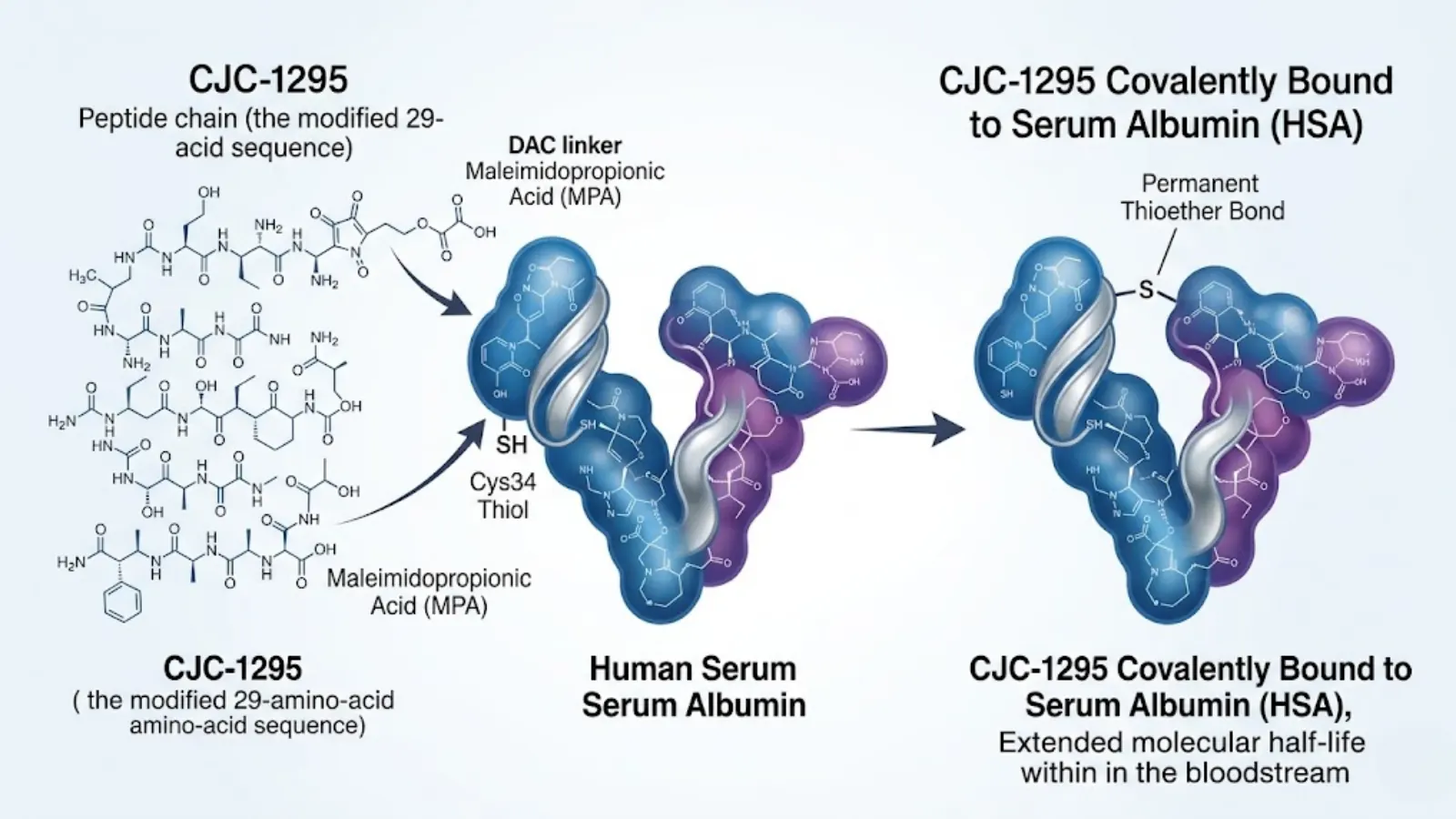
Fig 1: Conceptual molecular mechanism of the Maleimidopropionic Acid (MPA) linker binding the CJC-1295 peptide to the Cys34 thiol group of Human Serum Albumin, extending its biological half-life.
Bioconjugation and Albumin Binding
The DAC is not merely a structural reinforcement; it is an advanced bioconjugation delivery system. To create CJC-1295 with DAC, chemists took the stable Modified GRF 1-29 backbone and added a reactive moiety to the C-terminus. Specifically, they attached a lysine residue linked to Maleimidopropionic Acid (MPA).
When CJC-1295 DAC is injected via subcutaneous or intramuscular routes, it enters the vascular compartment where it encounters human serum albumin (HSA), the most abundant protein in blood plasma. Albumin acts as a universal carrier molecule, transporting hormones, fatty acids, and exogenous drugs.
The maleimide group of the DAC is highly electrophilic. It actively hunts for free thiol (sulfhydryl) groups in the bloodstream. Albumin features a unique, unbound cysteine residue at position 34 (Cys34). The MPA linker of the CJC-1295 DAC undergoes a rapid, targeted Michael addition reaction with the Cys34 thiol group, forming a permanent, covalent thioether bond.
By hitching a ride on this massive, naturally circulating protein, the relatively small peptide avoids renal filtration and hepatic degradation. The peptide assumes the pharmacokinetic profile of albumin itself, surviving in the circulatory system until the albumin molecule is eventually recycled by the body.
Molecular Weight and Lyophilized Stability
Understanding the physical properties of these compounds is vital for laboratory technicians handling lyophilized powders, planning reconstitution protocols, and calculating molar dosages. Because of the added MPA linker and lysine, the DAC variant is significantly heavier.
| Biochemical Property | CJC-1295 No DAC (Mod GRF 1-29) | CJC-1295 with DAC |
|---|---|---|
| Amino Acid Count | 29 | 30 |
| Molecular Formula | C152H252N44O42 | C165H269N47O46 |
| Molecular Weight | 3367.97 g/mol | 3647.28 g/mol |
| Terminal Modification | C-terminal amide | C-terminal Lys-Maleimidopropionic Acid |
| Binding Affinity | GHRH Receptor only | GHRH Receptor + Human Serum Albumin |
Lyophilized Stability: Both variants are highly stable when stored as lyophilized (freeze-dried) powder in a sterile, climate-controlled environment (-20°C). However, researchers must be aware that due to the highly reactive nature of the maleimide group on the DAC variant, it is theoretically more susceptible to premature cross-linking if exposed to moisture or extreme heat prior to controlled in vivo or in vitro introduction. Once reconstituted in bacteriostatic water, both peptides must be refrigerated (2°C to 8°C) to prevent rapid peptide bond hydrolysis.
4. Pharmacokinetics: CJC-1295 DAC vs. No DAC
The molecular structural differences detailed above dictate entirely divergent pharmacokinetic behaviors. This is the crux of the debate surrounding cjc 1295 dac vs no dac, as the choice of peptide dictates whether the subject experiences natural hormonal mimicry or a state of chronic elevation.
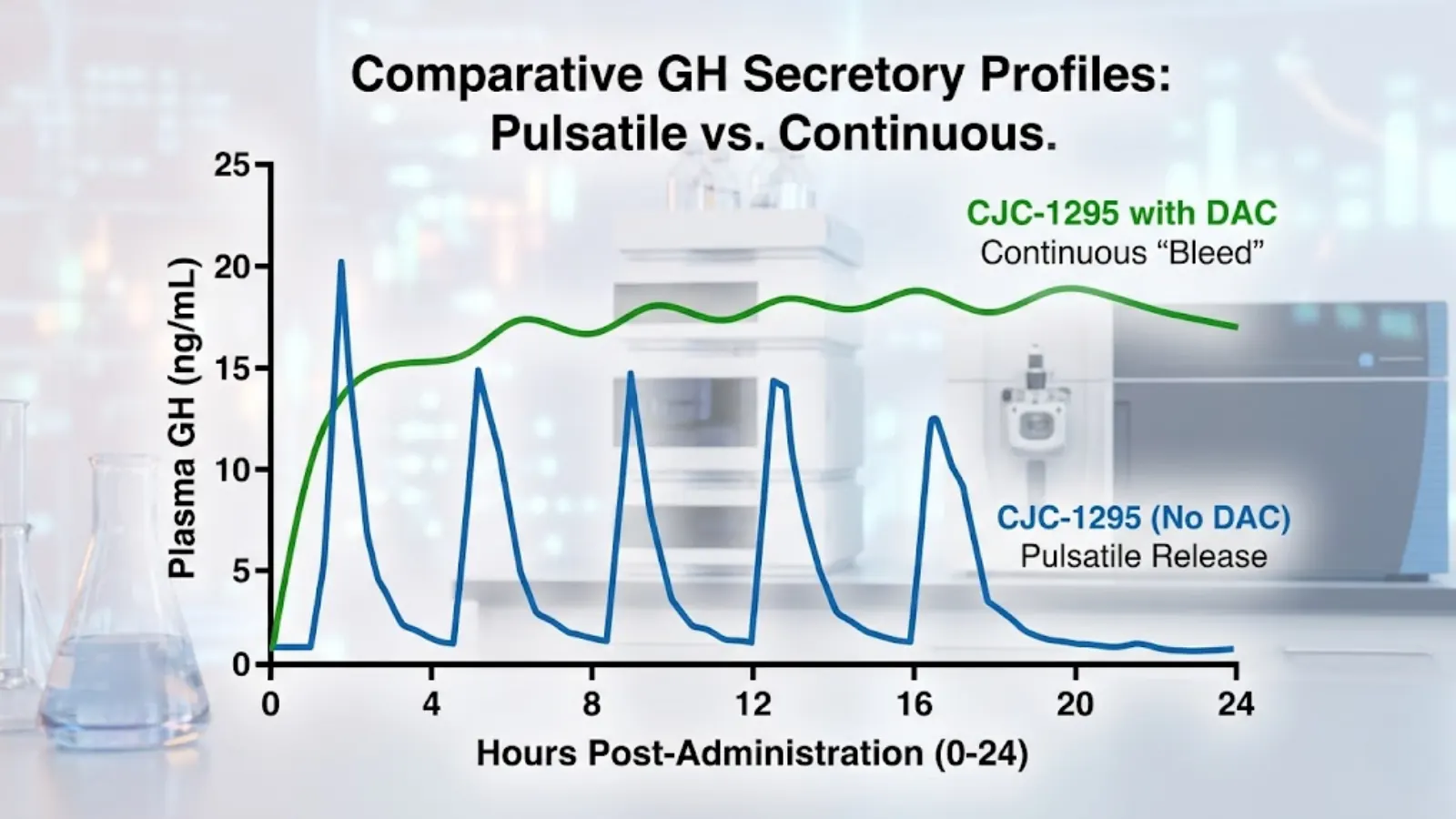
Fig 2: A clinical-grade visualization comparing the 24-hour plasma Growth Hormone concentration of the pulsatile No DAC variant versus the continuous baseline elevation of the DAC variant.
Half-Life Comparison (30 Minutes vs. 8 Days)
The pharmacokinetic clearance of a drug is often modeled using the elimination half-life equation (t1/2 = ln(2) / k).
- No DAC (Modified GRF 1-29): With a half-life of ~30 minutes, this peptide exhibits a rapid rise to peak plasma concentration followed by swift clearance. It acts essentially as an exogenous biochemical trigger. Once the peptide binds to the pituitary somatotrophs, the physiological “work” is done. The peptide is cleared from the system shortly after the GH pulse is initiated.
- DAC (Drug Affinity Complex): Because the peptide is covalently bonded to serum albumin, its clearance rate is dictated by albumin turnover. The half-life extends exponentially to between 6 and 8 days. A single microgram-dosed injection will maintain steady, biologically active concentrations of the GHRH analogue circulating through the hypophyseal portal system for over a week.
Pulsatile Release vs. Continuous “Bleed”
The mammalian endocrine system is inherently pulsatile. Endogenous growth hormone is not secreted in a steady stream; rather, it is released in massive, transient spikes (pulses) throughout the day, primarily during the deep delta-wave stages of the sleep cycle. Between these pulses, basal GH levels drop to near zero, allowing the somatotroph receptors to reset and preventing cellular desensitization.
- The Pulsatile Advantage (No DAC): Administering Modified GRF 1-29 perfectly mimics and amplifies this natural physiological rhythm. When injected, it forces a massive, acute pulse of GH, peaking roughly 30 to 60 minutes post-administration. Once the peptide clears, the pituitary is permitted its necessary resting phase. This preserves the natural feedback loops, maintains insulin sensitivity, and prevents the exhaustion of the anterior pituitary gland.
- The Continuous “Bleed” (DAC): The persistent circulation of the DAC-bound peptide fundamentally alters the architecture of GH secretion. Because the somatotroph receptors are subjected to constant, unyielding stimulation, the anterior pituitary is forced into a state of continuous GH release—a phenomenon clinically referred to as a “GH bleed.” While this dramatically elevates overall trough levels of GH and leads to a sustained, powerful elevation in systemic IGF-1, it abandons the natural pulsatile rhythm. This continuous elevation is highly valuable in specific therapeutic models (e.g., treating severe cachexia or profound GH deficiency), but it requires careful management to mitigate negative feedback loop adaptations.
5. Clinical Data & Laboratory Applications (B2B Focus)
For B2B entities—ranging from biochemical synthesis laboratories and bulk wholesale suppliers to clinical trial investigators—understanding the analytical data and in vivo observations associated with these two distinct peptides is paramount for quality control and research design.
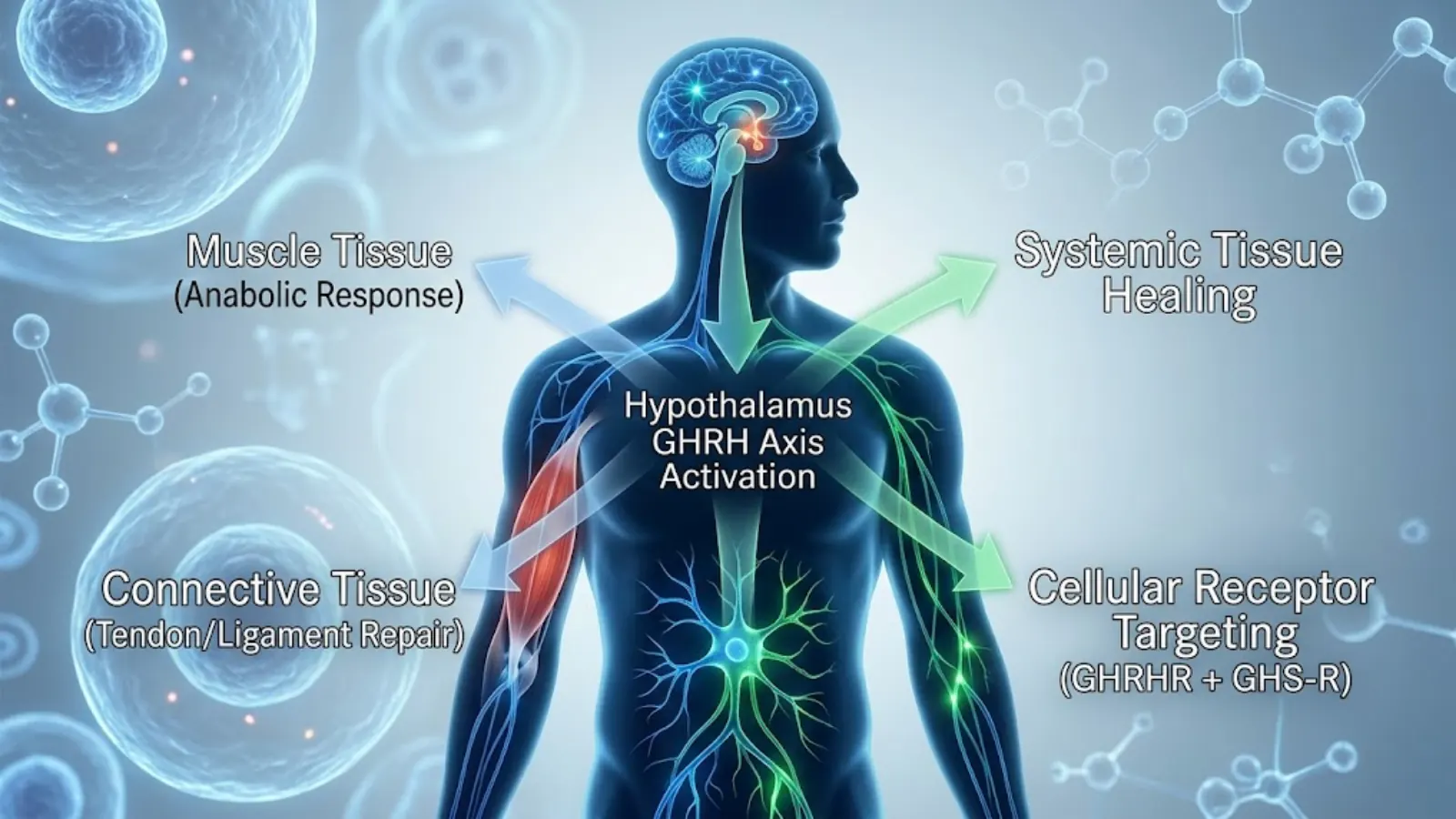
Fig 3: Physiological targeting map demonstrating the systemic activation of the Somatotropic axis, detailing connective tissue repair and muscle anabolic responses.
Synthesis, Purity, and HPLC Analysis
The synthesis of both CJC-1295 variants relies heavily on Solid-Phase Peptide Synthesis (SPPS) using Fmoc (Fluorenylmethyloxycarbonyl) chemistry. Ensuring the integrity of the final product requires rigorous High-Performance Liquid Chromatography (HPLC) and Mass Spectrometry (MS).
For laboratory procurement, a Certificate of Analysis (COA) must demonstrate a purity threshold of >99%.
- TFA Removal: Peptides synthesized via SPPS often contain residual trifluoroacetic acid (TFA), which can cause localized tissue necrosis in vivo and alter cellular environments in vitro. Advanced B2B suppliers utilize ion exchange chromatography to convert the TFA salts to safer acetate salts.
- Chromatographic Challenges: When running HPLC on the DAC variant, the chromatogram will naturally look different due to the bulky maleimide group. Researchers must verify that the MPA linker is intact and has not prematurely hydrolyzed, as an inactive maleimide group completely nullifies the DAC’s ability to bind to albumin, effectively rendering the expensive peptide functionally identical to a poorly performing Mod GRF 1-29.
In Vitro and In Vivo Research Observations
Clinical data derived from animal models and early-stage human trials clearly delineates the differing utility of the two compounds.
In a landmark trial analyzing the DAC variant, researchers observed that a single injection of CJC-1295 with DAC in human subjects resulted in a sustained, dose-dependent increase in mean plasma GH levels by 2- to 10-fold for a period of 6 days or more, accompanied by an increase in IGF-1 levels by 1.5- to 3-fold for 9 to 11 days. The data definitively proved that the bioconjugation strategy was profoundly effective at sustaining the bioactivity of the GHRH analogue.
Conversely, in vivo studies utilizing Modified GRF 1-29 (No DAC) frequently pair the peptide with a Growth Hormone Releasing Peptide (GHRP), such as Ipamorelin or GHRP-6. Clinical observations consistently show that while Mod GRF 1-29 alone produces a measurable GH pulse, its co-administration with a GHRP results in a synergistic, rather than additive, release of growth hormone. The resulting pulse is observed to be significantly larger than what the pituitary could achieve with either compound alone, yet basal levels successfully return to zero within three hours, showcasing a highly controlled, optimized research model for studying acute somatotropic responses without disrupting long-term endocrine homeostasis.
6. CJC-1295 No DAC (Mod GRF 1-29) Biohacking Protocols
Transitioning from strictly laboratory environments to the realm of advanced human performance and longevity, the application of these peptides requires a deep understanding of human chronobiology and metabolic states. For the advanced biohacker, the choice of cjc 1295 dac vs no dac almost universally tilts toward the No DAC variant (Modified GRF 1-29). By retaining the body’s natural pulsatile rhythm, researchers can mitigate receptor downregulation while maximizing the restorative benefits of endogenous growth hormone (GH) and Insulin-like Growth Factor 1 (IGF-1).
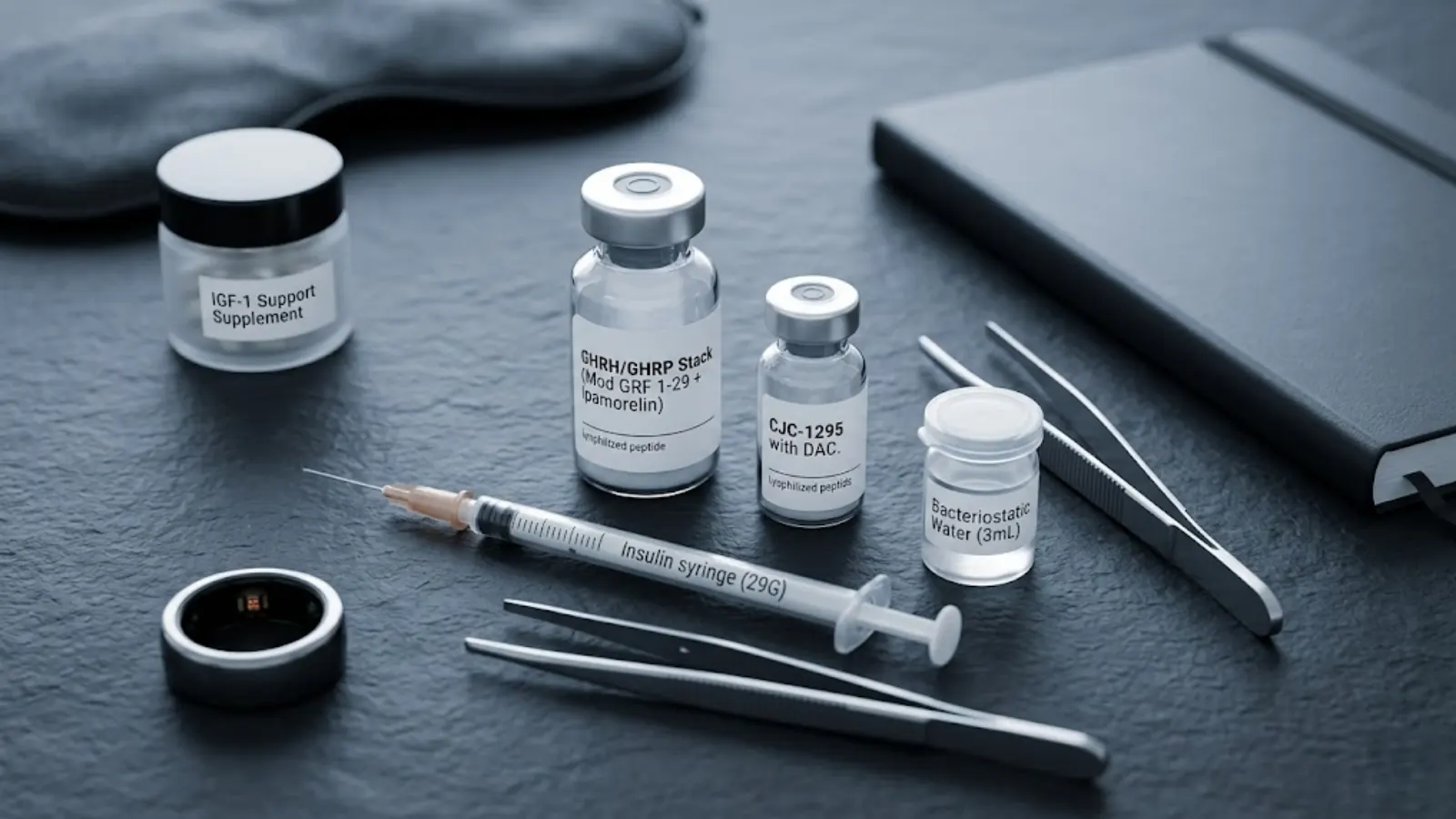
Fig 4: An advanced optimization station displaying the components of a synergistic stacking protocol, featuring a GHRH/GHRP blend alongside sterile preparation tools.
Optimal Dosing Schedules and the “Saturation Dose”
In observational human research protocols, the widely accepted “saturation dose” for Modified GRF 1-29 is strictly 100 micrograms (mcg) per administration.
Why 100mcg? Pharmacodynamic studies indicate that the GHRH receptors on the anterior pituitary somatotrophs reach maximum saturation at roughly 1mcg per kilogram of body weight, capping out near 100mcg for the average adult. Administering 200mcg or 300mcg does not result in a twofold or threefold increase in growth hormone release. Instead, the excess peptide is rapidly metabolized and cleared, offering zero additional physiological benefit while wasting expensive research materials.
Standard protocols involve administering this 100mcg saturation dose one to three times daily, delivered via subcutaneous injection using an insulin syringe, targeting adipose tissue (typically the abdomen).
Synergistic Stacking for Peak Performance
In the biohacking community, Modified GRF 1-29 is rarely researched in isolation. To achieve profound clinical outcomes, it is almost exclusively stacked with a Growth Hormone Releasing Peptide (GHRP), such as Ipamorelin, GHRP-2, or GHRP-6. In fact, many biohackers prefer a pre-mixed CJC-1295 No DAC / Ipamorelin Blend for convenience.
This stacking protocol leverages a powerful biochemical synergy. GHRH analogues (like CJC-1295) and GHRPs (which are ghrelin mimetics) operate via completely distinct receptor pathways to stimulate the pituitary:
- GHRH (CJC-1295): Binds to the GHRH receptor, increasing intracellular cyclic AMP (cAMP), which signals the release of stored GH vesicles.
- GHRP (Ipamorelin): Binds to the secretagogue receptor (GHSR), which simultaneously increases intracellular calcium ions (forcing further GH exocytosis) while actively inhibiting the release of somatostatin (the hormone responsible for shutting down GH release).
By combining the two, you provide the signal to release GH while simultaneously neutralizing the body’s primary mechanism for blunting that release. The result is a massive, synergistic pulse of growth hormone that can be up to ten times larger than administering either peptide alone. A standard anti-aging stack typically pairs 100mcg of CJC-1295 No DAC with 100mcg to 200mcg of Ipamorelin in the same syringe.
Timing for Sleep and Fasting
The efficacy of Modified GRF 1-29 is entirely dependent on the subject’s metabolic state at the time of injection. Insulin and growth hormone share an inverse, antagonistic relationship. When blood glucose and insulin levels are elevated, somatostatin is triggered, effectively locking down the pituitary gland and rendering the peptide injection useless.
Therefore, optimal protocols dictate a strict fasting window:
- Fasted Administration: Injections must occur at least two hours after consuming carbohydrates or fats, and subjects should wait 20 to 30 minutes post-injection before consuming calories.
- Circadian Alignment: The most critical dose of the day is administered immediately prior to sleep. This precisely aligns with and amplifies the body’s largest natural GH pulse, which occurs during the first cycle of deep, slow-wave (delta) sleep.
7. CJC-1295 With DAC Biohacking Protocols
While the No DAC variant is favored for anti-aging and daily optimization, CJC-1295 with DAC (Drug Affinity Complex) serves a highly specific, utility-driven purpose. Because its covalent bond to serum albumin extends its half-life to approximately eight days, it completely overwrites the body’s pulsatile rhythm, creating a sustained, heavy elevation of baseline IGF-1 levels.
Weekly Dosing Frameworks
The pharmacokinetics of the DAC variant render daily injections illogical and potentially hazardous. Protocols for CJC-1295 with DAC rely on infrequent dosing, designed to maintain a steady-state concentration of the peptide in systemic circulation.
Standard observational dosing ranges from 1 milligram (mg) to 2 milligrams (mg) per week. To mitigate acute side effects like transient facial flushing or sudden lethargy, advanced researchers often split this weekly allotment, administering 500mcg to 1mg twice a week (e.g., Monday and Thursday).
When to Choose DAC Over No DAC
In the debate of cjc 1295 dac vs no dac, the DAC variant should be reserved for acute, severe recovery scenarios rather than decades-long longevity protocols.
- Severe Injury and Tissue Repair: For a subject recovering from massive trauma, orthopedic surgery, or catastrophic muscle tears, the constant “bleed” of growth hormone and subsequent sustained peak of IGF-1 provides a relentless, 24/7 anabolic environment optimized for rapid cellular repair and chondrogenesis.
- Compliance and Convenience: For subjects who cannot adhere strictly to the fasting windows and multiple daily injections required by Mod GRF 1-29, a single weekly injection of the DAC variant ensures the peptide therapy remains active.
However, biohackers generally cap DAC protocols at 8 to 12 weeks to prevent long-term endocrine disruption.
8. Side Effects and Safety Profiles: Mitigating Risks
Manipulating the somatotropic axis is not without physiological consequence. Researchers must be acutely aware of the side effects associated with sustained GH elevation and understand how to titrate dosages accordingly.
Understanding “Pituitary Bleed” and Receptor Desensitization
The most fiercely debated risk factor regarding CJC-1295 with DAC is the phenomenon of “pituitary bleed.” Because the DAC variant remains active in the bloodstream for over a week, the GHRH receptors on the anterior pituitary are subjected to relentless, continuous stimulation.
In molecular biology, chronic agonist exposure inevitably leads to receptor downregulation and desensitization. The somatotrophs may become exhausted, leading to a blunted endogenous response once the exogenous peptide is removed. This is why cyclic usage is mandatory. Conversely, the No DAC variant, with its 30-minute half-life, allows the receptors to completely clear and re-sensitize between pulses, preserving long-term pituitary health.
Managing Water Retention and Insulin Sensitivity
Both variants can induce side effects typical of elevated growth hormone:
- Insulin Resistance: Because growth hormone stimulates lipolysis (the breakdown of fats) and decreases cellular glucose uptake, chronic elevation can lead to increased fasting blood glucose levels. Researchers utilizing the DAC variant for extended periods must routinely monitor HbA1c and fasting insulin to prevent drug-induced insulin resistance.
- Water Retention and Edema: High levels of IGF-1 cause the kidneys to retain sodium and water, frequently resulting in peripheral edema (swelling of the ankles, wrists, and fingers) and a feeling of heavy lethargy. If a subject experiences carpal tunnel-like symptoms (numbness in the hands), the protocol dosage must be immediately reduced.
9. Procurement: Sourcing Reliable Peptides
The peptide market operates in a regulatory gray area. Because these compounds are strictly designated as “research chemicals” and not regulated by the FDA, the burden of quality control falls entirely on the buyer.
Wholesale vs. Retail Biohacking Sources
- B2B Wholesale Procurement: Clinical laboratories and wholesale distributors typically purchase bulk Active Pharmaceutical Ingredients (API) directly from synthesizing facilities. These transactions involve grams of raw peptide powder and demand rigorous, independently verified mass spectrometry data to ensure there is no heavy metal or trifluoroacetic acid (TFA) contamination.
- B2C Retail Procurement: Advanced biohackers source from retail peptide vendors who purchase the bulk API and partition it into sterile, lyophilized glass vials (typically in 2mg or 5mg quantities).
Red Flags in Peptide Vendors
When sourcing CJC-1295 variants online, vigilance is paramount. Red flags indicating a low-quality or fraudulent supplier include:
- Lack of Third-Party Testing: A vendor must provide a recent Certificate of Analysis (COA) displaying both High-Performance Liquid Chromatography (HPLC) and Mass Spectrometry (MS) results. If the COA is older than six months or lacks a verifiable laboratory watermark, do not purchase.
- Suspicious Pricing: Synthesizing the DAC variant is biochemically complex and expensive. If a vendor is selling CJC-1295 with DAC at the same exact price point as Modified GRF 1-29, they are almost certainly selling you the cheaper No DAC variant under a false label.
10. Frequently Asked Questions (FAQs)
Should I use CJC-1295 with or without DAC for muscle recovery?
For acute, severe muscle tears or post-surgical recovery, CJC-1295 with DAC is superior due to its continuous elevation of IGF-1, which provides round-the-clock tissue repair. For standard workout recovery and long-term athletic performance, the No DAC variant is safer and prevents receptor downregulation.
What is the best peptide stack with CJC-1295 for anti-aging?
The gold standard anti-aging stack combines CJC-1295 No DAC with Ipamorelin. Ipamorelin is a highly selective GHRP that amplifies the growth hormone pulse without significantly elevating cortisol or prolactin levels, resulting in enhanced fat loss, improved skin elasticity, and deeper sleep.
Does CJC-1295 with DAC cause pituitary bleed?
Yes. “Pituitary bleed” refers to the continuous, unyielding release of growth hormone caused by the extended 8-day half-life of the DAC variant. While excellent for short-term, aggressive healing, this continuous stimulation can lead to receptor desensitization and pituitary exhaustion if used without cycling off.
What is the difference in half-life between CJC-1295 with and without DAC?
CJC-1295 without DAC (Modified GRF 1-29) has a short half-life of approximately 30 minutes, allowing for a natural, transient pulse of growth hormone. CJC-1295 with DAC utilizes a bioconjugation process to bind to serum albumin, extending its active half-life to between 6 and 8 days.
How often do you inject CJC-1295 No DAC vs. DAC?
Because of its rapid clearance, CJC-1295 No DAC requires administration 1 to 3 times daily, strictly on an empty stomach. Conversely, CJC-1295 with DAC requires only 1 to 2 injections per week due to its long-lasting, steady-state pharmacokinetic profile.
11. Key Takeaways
- Fundamental Distinction: The debate of cjc 1295 dac vs no dac ultimately comes down to half-life. No DAC provides a 30-minute active window for natural pulses, while DAC binds to albumin for an 8-day continuous elevation.
- Scientific Accuracy: The compound colloquially known as “CJC-1295 No DAC” is technically named Modified GRF 1-29. True CJC-1295 always contains the Drug Affinity Complex.
- B2C Biohacking Superiority: For longevity, sleep optimization, and sustainable body composition changes, the No DAC variant stacked with Ipamorelin is the gold standard, as it prevents pituitary exhaustion.
- B2B Clinical Utility: The DAC variant remains highly valuable in clinical models requiring aggressive, sustained IGF-1 elevation for extreme tissue repair or reversing severe cachexia.
- Mitigate Risks: Always cycle these compounds (e.g., 12 weeks on, 4 weeks off), monitor fasting insulin levels to prevent insulin resistance, and ensure your peptides are tested for purity (>99%) by an independent laboratory.