
CJC-1295 vs. MK-677: Pharmacokinetics, Lab Purity Standards, and Advanced Biohacking Protocols

Disclaimer: The following information is provided strictly for educational and informational purposes. The compounds discussed, including CJC-1295 and MK-677 (Ibutamoren), are investigational research chemicals. They are not approved by the U.S. Food and Drug Administration (FDA) for human consumption, clinical therapy, or dietary supplementation. This content is intended for B2B laboratory researchers, biochemists, and those engaged in in vitro or approved animal model research. Always consult a licensed medical professional before engaging in any protocols.
Table of Contents
- 1. Quick Answer: CJC 1295 vs MK 677
- 2. Introduction: Bridging Laboratory Research and Human Optimization
- 3. Understanding CJC-1295: Mechanisms and Pharmacokinetics
- 4. Understanding MK-677 (Ibutamoren): Mechanisms and Pharmacokinetics
- 5. CJC 1295 vs MK 677: Core Biochemical Differences
- 6. Lab Purity Standards and Wholesale Sourcing (B2B Focus)
- 7. Advanced Biohacking Protocols: Dosing, Timing, and Stacking (B2C Focus)
- 8. Clinical Data: Healing, Recovery, and Longevity Outcomes
- 9. Safety Profiles, Side Effects, and Risk Mitigation
- 10. Frequently Asked Questions (FAQs)
- 11. Conclusion and Key Takeaways
1. Quick Answer: CJC 1295 vs MK 677
When comparing cjc 1295 vs mk 677, the primary difference lies in their mechanism and administration. CJC-1295 is an injectable Growth Hormone-Releasing Hormone (GHRH) analog that induces a natural, pulsatile release of GH. MK-677 (Ibutamoren) is an oral ghrelin receptor agonist causing a sustained elevation of GH and IGF-1. Choose MK-677 for sleep and appetite, or CJC-1295 for targeted recovery.
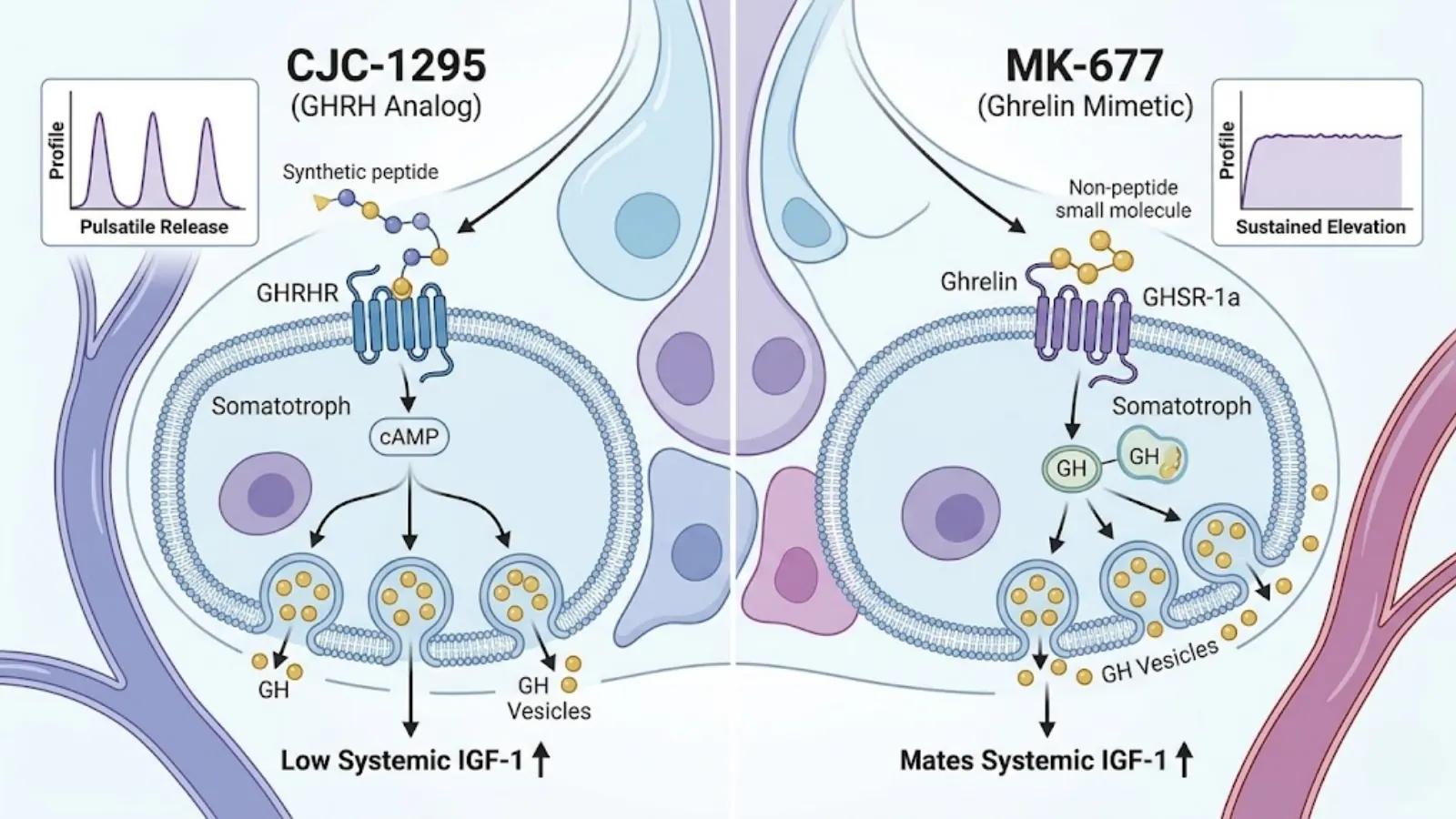
Figure 1: Cellular mechanism contrasting CJC-1295 pulsatile release via GHRHR and MK-677 sustained elevation via GHSR-1a.
2. Introduction: Bridging Laboratory Research and Human Optimization
In the fields of endocrinology, synthetic biology, and advanced human optimization, manipulating the somatotropic axis (the hypothalamic-pituitary-somatic axis) has undergone a radical paradigm shift. For decades, the administration of exogenous recombinant human growth hormone (rhGH) was the gold standard for clinical deficiency and off-label tissue recovery. However, exogenous rhGH administration is notoriously fraught with complications: it shuts down endogenous production via negative feedback loops, causes rapid receptor downregulation, and carries a high risk of insulin resistance and acromegaly-like side effects at supraphysiological doses.
Enter the era of secretagogues—compounds designed to stimulate the body’s own pituitary gland to manufacture and secrete growth hormone naturally. By acting upstream of GH release, secretagogues preserve the body’s endogenous production capabilities while yielding significant upregulations in systemic Insulin-like Growth Factor 1 (IGF-1).
The Evolution of Growth Hormone Secretagogues
The scientific community has successfully isolated two primary pathways to trigger endogenous GH release: mimicking the action of Growth Hormone-Releasing Hormone (GHRH) and mimicking the action of ghrelin, the “hunger hormone.” This bifurcated approach has given rise to the two most intensely researched secretagogues in modern biochemistry. CJC-1295 is a synthetic, modified peptide analog of GHRH. MK-677, conversely, is a non-peptide spiroindoline that acts as a highly selective agonist of the ghrelin receptor.
Why This Comparison Matters
For both B2B laboratory procurement managers sourcing high-purity Active Pharmaceutical Ingredients (APIs) and advanced biohackers designing longevity protocols, understanding the granular pharmacokinetics of these compounds is non-negotiable. Evaluating cjc 1295 vs mk 677 is not merely a question of “which is stronger.” It is a complex biochemical decision regarding administration routes (subcutaneous injection vs. oral bioavailability), receptor binding affinities, plasma half-lives, and secondary endocrine impacts on cortisol and insulin. Understanding these mechanics bridging bench research and systemic human physiology is the key to optimizing outcomes while minimizing systemic load.
3. Understanding CJC-1295: Mechanisms and Pharmacokinetics
To understand CJC-1295, we must first look at its biological blueprint: endogenous GHRH, a 44-amino-acid peptide secreted by the arcuate nucleus of the hypothalamus. GHRH travels to the anterior pituitary, binding to GHRH receptors on somatotroph cells. This binding initiates an intracellular cascade—primarily mediated by cyclic AMP (cAMP) and protein kinase A (PKA)—that culminates in the exocytosis of growth hormone secretory vesicles.
GHRH Analog Mechanics
Endogenous GHRH has an incredibly short plasma half-life of mere minutes, as it is rapidly degraded by the enzyme dipeptidyl peptidase-4 (DPP-4). CJC-1295 was biochemically engineered to overcome this enzymatic cleavage. It is a tetrasubstituted 29-amino acid peptide analog (specifically, it modifies the first 29 amino acids of endogenous GHRH, the biologically active core). By substituting specific amino acids at positions 2, 8, 15, and 27, chemists successfully prevented rapid degradation by DPP-4, exponentially increasing the peptide’s binding affinity and biological half-life.
With DAC vs. Without DAC (Mod GRF 1-29)
In the research supply chain, you will frequently see CJC-1295 categorized into two distinct forms. The distinction is critical for experimental design:
- CJC-1295 without DAC (Mod GRF 1-29): Technically, referring to this as CJC-1295 is a misnomer, but it has become the standard vernacular in biohacking and wholesale circles. This form is simply the tetrasubstituted GHRH analog. It has a half-life of approximately 30 minutes. This short half-life is highly desirable for researchers aiming to mimic the natural, physiological “pulses” of human growth hormone, which normally occur during deep, slow-wave sleep.
- CJC-1295 with DAC (Drug Affinity Complex): This is the true, original CJC-1295. Chemists attached a bioconjugation agent—the Drug Affinity Complex (a maleimidopropionic acid linker)—to the peptide. Once injected, this complex covalently bonds to endogenous serum albumin in the bloodstream. Because serum albumin has a massive circulatory lifespan, CJC-1295 with DAC boasts a plasma half-life of up to 8 days. This leads to a continuous, sustained “bleed” of GH rather than pulsatile spikes.
Administration Route
CJC-1295 (both forms) is a delicate, long-chain peptide. Peptides are highly susceptible to enzymatic degradation in the gastrointestinal tract; therefore, oral bioavailability is effectively zero. In laboratory and clinical settings, it requires lyophilization (freeze-drying) for stability, followed by reconstitution with bacteriostatic water. Administration is strictly via subcutaneous injection or intramuscular injection, allowing the peptide to slowly enter the systemic circulation and travel to the pituitary.
4. Understanding MK-677 (Ibutamoren): Mechanisms and Pharmacokinetics
MK-677, structurally known as Ibutamoren mesylate, operates on a completely separate neurological and endocrine axis. While it is often erroneously grouped with SARMs (Selective Androgen Receptor Modulators) on retail vendor sites, it possesses absolutely no androgenic activity. MK-677 is a non-peptide spiropiperidine derivative that acts as a potent, long-acting, selective agonist of the ghrelin receptor (GHSR-1a).
The Ghrelin Mimetic
Ghrelin is a peptide hormone produced primarily in the gastrointestinal tract. When the stomach is empty, ghrelin is secreted, crossing the blood-brain barrier to bind with the ghrelin receptor in the hypothalamus and pituitary. This receptor activation strongly stimulates the release of growth hormone while simultaneously sending intense neurological signals to trigger hunger (somatophagia).
By binding to the GHSR-1a receptor, MK-677 essentially “tricks” the anterior pituitary into believing the body is in a profound state of starvation. This stimulates a massive downstream release of GH. More importantly, because MK-677 is a synthetic, non-peptide small molecule, it activates this receptor with incredible affinity and resilience against normal enzymatic breakdown.
Oral Bioavailability and Half-Life
The defining characteristic of MK-677—and its greatest advantage for B2C biohackers—is its pharmacokinetic profile. Because it is not a peptide, it survives the acidic environment of the stomach and hepatic first-pass metabolism with near-perfect efficacy.
MK-677 boasts high oral bioavailability and an extended half-life of approximately 24 hours. A single daily oral dose (usually suspended in a liquid solvent like PEG-400 or taken as a compressed tablet) is sufficient to maintain highly elevated basal levels of GH and IGF-1 around the clock. This makes it an incredibly attractive compound for subjects or researchers looking to avoid the logistical hurdles and biohazard risks of daily subcutaneous injections.
Secondary Hormonal Impacts
Activating the ghrelin receptor does not occur in a vacuum; it causes downstream perturbations across the endocrine system. While MK-677 is highly selective, human and animal models consistently show that initiating the ghrelin cascade also causes transient elevations in cortisol (the primary stress hormone) and prolactin. Furthermore, MK-677 activates AMP-activated protein kinase (AMPK) in peripheral tissues. While AMPK activation is generally positive for cellular energy homeostasis and longevity (similar to the mechanisms of Metformin), chronic activation combined with sustained GH elevation can dramatically alter cellular insulin sensitivity, a factor we will explore deeply in the safety protocols section.
5. CJC 1295 vs MK 677: Core Biochemical Differences
When a laboratory researcher or biohacker conducts an analysis of cjc 1295 vs mk 677, the decision hinges on the physiological differences between the GHRH pathway and the ghrelin pathway. Both will significantly elevate serum IGF-1, but the manner in which they achieve this dictates their application.
Pulsatile vs. Sustained Release
The human body is not designed to secrete growth hormone continuously. Under normal physiological conditions, GH is secreted in massive pulses—predominantly in the first few hours of deep REM and slow-wave sleep.
- CJC-1295 (without DAC) respects this physiological rhythm. It amplifies the size of the natural GH pulse without elevating the baseline trough. This mitigates the risk of receptor downregulation (desensitization) and preserves normal insulin signaling.
- MK-677, due to its 24-hour half-life, elevates the basal floor of GH. While the body will still experience small pulses, the constant “bleed” of growth hormone results in a persistent, systemic elevation. While excellent for rapid tissue hypertrophy and bone mineral density increases, sustained elevation mirrors the pathology of pituitary adenomas and significantly increases the risk of inducing temporary insulin resistance.
Receptor Binding Affinities
CJC-1295 binds exclusively to the GHRH receptor. Its singular mechanism is somatotropic stimulation. MK-677 binds to the GHSR-1a receptor. Because ghrelin receptors are distributed not just in the pituitary, but also in the central nervous system, gastrointestinal tract, and adipose tissue, MK-677 acts systemically. This multi-system binding is precisely why MK-677 induces profound lethargy, enhanced sleep architecture, and voracious appetite—effects completely absent with CJC-1295.
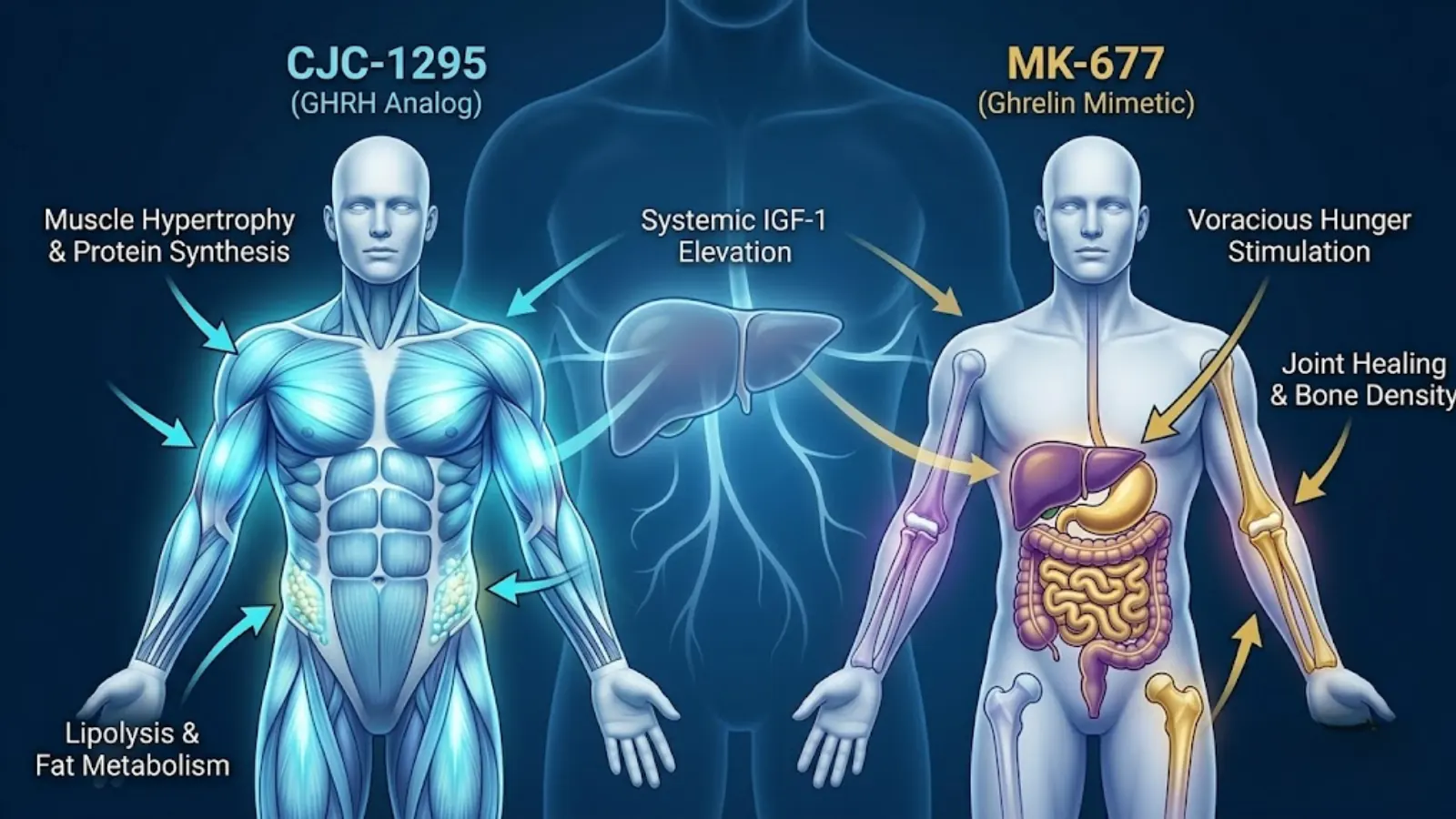
Figure 2: Physiological comparison mapping targeting outcomes for Muscle Hypertrophy vs Bone Density and Somatophagia.
Impact on IGF-1 Levels
GH is highly transient; its primary biological purpose is to travel to the liver and trigger the synthesis and release of IGF-1. IGF-1 is the actual metabolic driver of muscle hyperplasia, tendon repair, and cellular longevity.
Clinical data indicates that MK-677 can increase serum IGF-1 levels by 40% to 90% over a 12-week period, maintaining that elevation constantly. CJC-1295 also elevates peak IGF-1, but the levels will fluctuate in accordance with the injection schedule. For maximum sustained tissue remodeling, MK-677 provides a higher area-under-the-curve (AUC) for IGF-1; however, CJC-1295 provides a safer, more sustainable elevation for long-term (longevity) usage.
Comparative Pharmacokinetic Summary
| Biochemical Attribute | CJC-1295 (Mod GRF 1-29) | MK-677 (Ibutamoren) |
|---|---|---|
| Molecule Class | Synthetic Peptide (29 Amino Acids) | Non-Peptide Spiroindoline Small Molecule |
| Primary Target Receptor | GHRH Receptor | Ghrelin Receptor (GHSR-1a) |
| Administration Route | Subcutaneous Injection | Oral (Liquid suspension or capsule) |
| Biological Half-Life | ~30 Minutes (No DAC) / ~8 Days (With DAC) | ~24 Hours |
| GH Secretion Profile | Amplified Pulsatile | Sustained / Elevated Basal |
| Impact on Appetite | Neutral (No somatophagia) | Extremely High (Potent somatophagia) |
| Risk of Insulin Resistance | Low | Moderate to High (Requires monitoring) |
| Storage & Stability | Requires Lyophilization, cold chain reconstitution | Shelf-stable at room temperature |
6. Lab Purity Standards and Wholesale Sourcing (B2B Focus)
For laboratory directors, compounding pharmacists, and specialized research facilities, the efficacy of the somatotropic axis is entirely dependent on the purity of the Active Pharmaceutical Ingredient (API). The largely unregulated nature of the global peptide and research chemical supply chain presents severe risks, ranging from heavy metal contamination to solvent residue toxicity. When procuring these compounds, stringent analytical testing is not optional; it is the fundamental baseline for scientific validity.
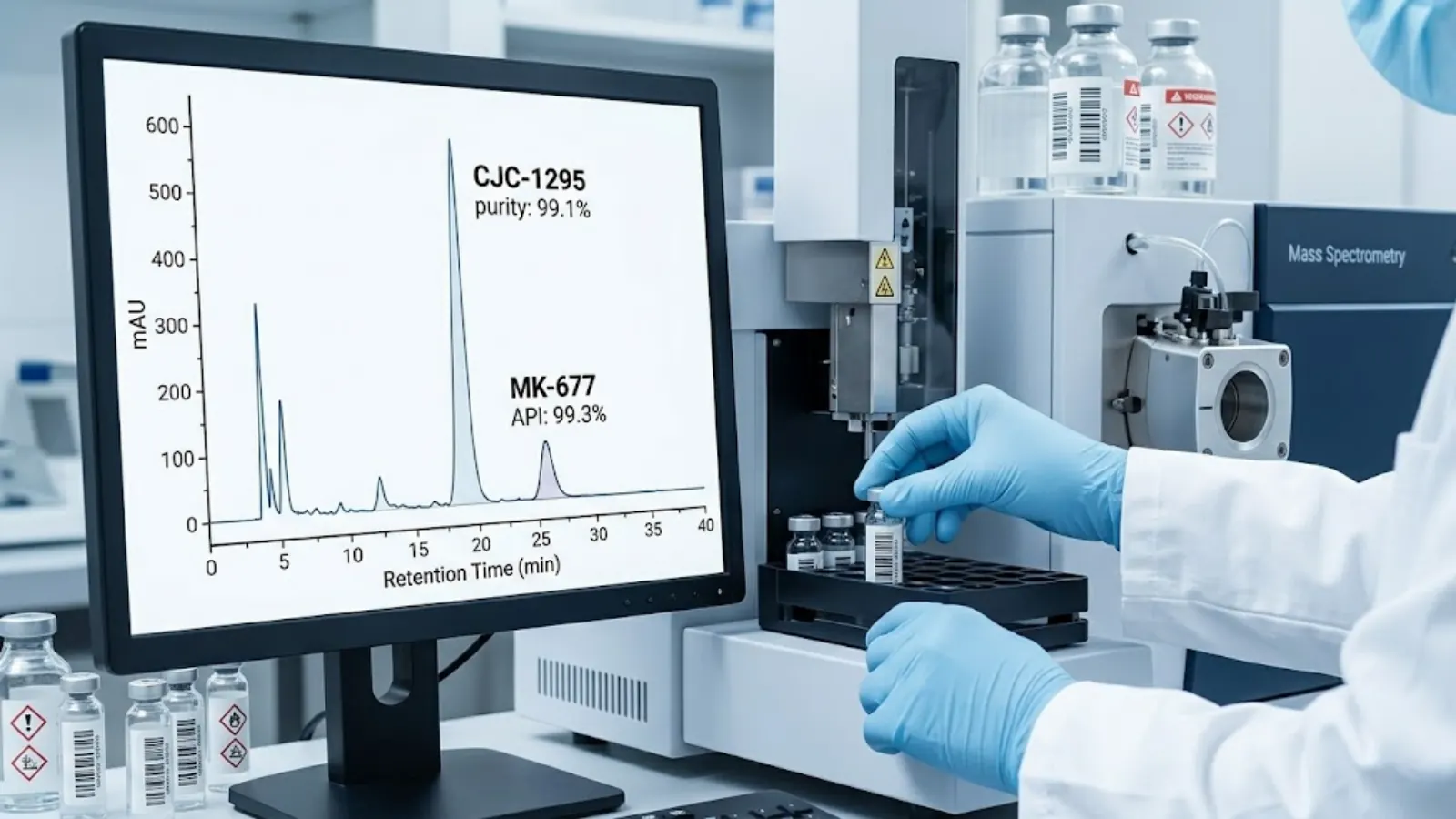
Figure 3: Laboratory HPLC and Mass Spectrometry data validation ensuring >99% compound purity.
Analyzing Certificates of Analysis (COAs)
A legitimate B2B supplier will always provide a batch-specific Certificate of Analysis. However, advanced biohackers and laboratory procurement managers must know how to read these documents. A comprehensive COA for both CJC-1295 and MK-677 must include two primary forms of analytical chromatography:
- High-Performance Liquid Chromatography (HPLC): This determines the quantitative purity of the compound. For CJC-1295, a minimum purity threshold of 99.0% should be standard. Anything less indicates the presence of truncated peptide sequences (amino acid chains that failed to fully synthesize), which can cause immunogenic reactions in mammalian models.
- Mass Spectrometry (MS): While HPLC measures purity, Mass Spectrometry verifies the molecular weight, confirming the exact chemical identity of the compound. If the molecular mass deviates even slightly from the established standard (CJC-1295 without DAC has a molecular weight of 3367.9 g/mol, MK-677 is 528.66 g/mol as a free base), the molecular structure is compromised.
Additionally, laboratories synthesizing CJC-1295 must aggressively manage the removal of Trifluoroacetic Acid (TFA). TFA is a highly toxic solvent used during solid-phase peptide synthesis (SPPS). High-tier laboratories will utilize counter-ion exchange protocols to replace TFA with acetate, yielding a dramatically safer profile for in vivo research.
Lyophilized Powders vs. Liquid Suspensions
The physical state of the compound dictates its shelf life and handling procedures:
- CJC-1295: As a fragile peptide chain, it must be shipped as a lyophilized (freeze-dried) powder. In this state, it is stable at room temperature for several weeks but should be stored at -20°C for long-term archiving. Once reconstituted with bacteriostatic water (containing 0.9% benzyl alcohol as an antimicrobial preservative), it must remain strictly in a cold-chain environment (2°C to 8°C) and used within 14 to 28 days before rapid enzymatic degradation occurs.
- MK-677: Because Ibutamoren is a small, stable molecule, it is heavily resistant to thermal and mechanical degradation. Wholesale distributors often provide it in raw powder form or suspended in lipophilic solvents (like PEG-400 or vegetable glycerin). It remains highly stable at ambient room temperature for upwards of two years, significantly reducing logistical overhead for clinical trials.
GMP Certification and Navigating the Supply Chain
To mitigate the introduction of endotoxins, sourcing must be restricted to facilities operating under Good Manufacturing Practices (GMP) or ISO 9001 certifications. Suppliers who cannot transparently provide third-party, domestic laboratory testing should be immediately disqualified from the procurement process.
7. Advanced Biohacking Protocols: Dosing, Timing, and Stacking (B2C Focus)
Translating in vitro and clinical animal data into actionable human optimization protocols is the hallmark of advanced biohacking. The application of these secretagogues demands a precise understanding of biological half-lives, chronobiology, and nutrient-partitioning mechanisms.
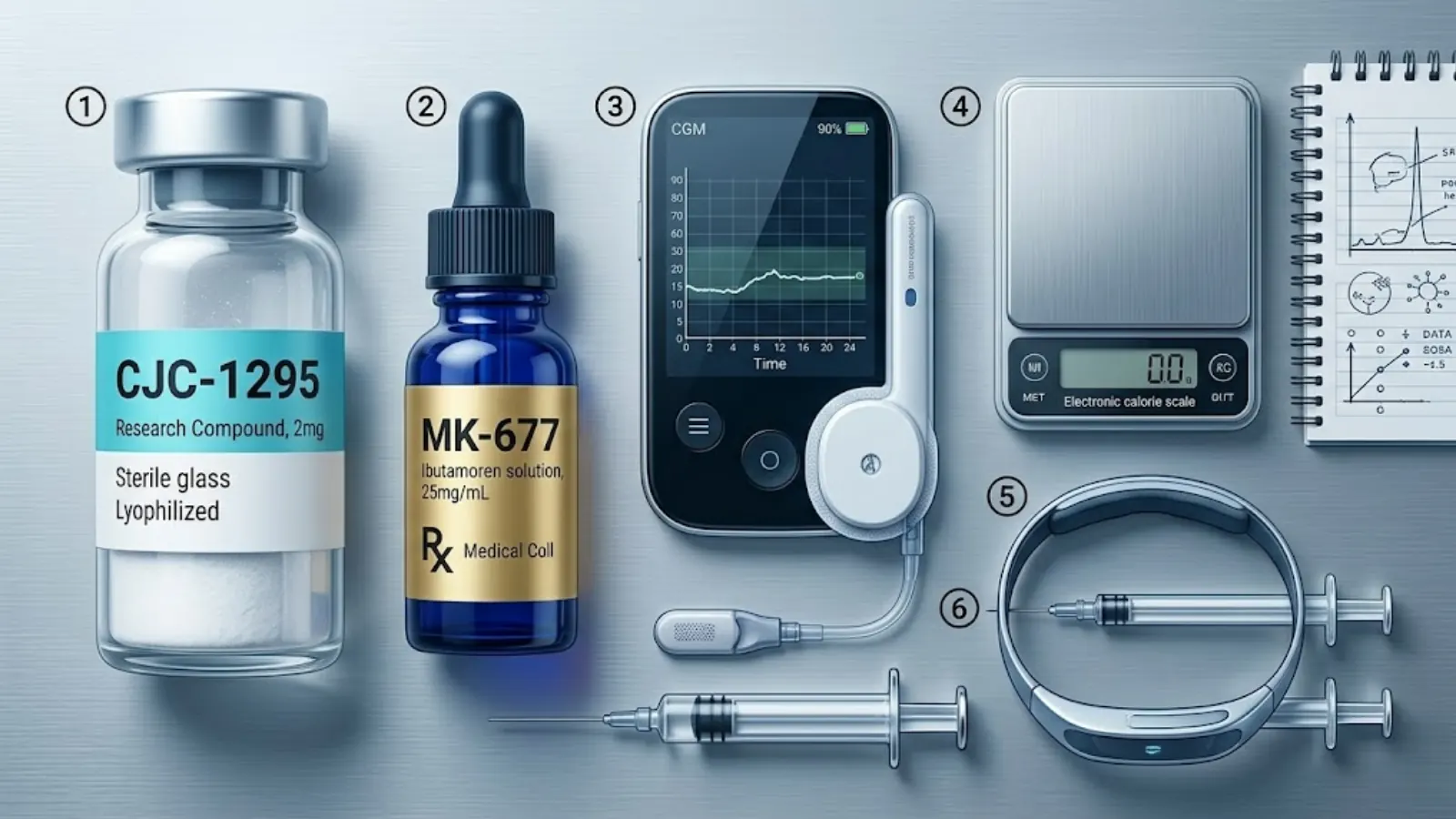
Figure 4: A conceptual layout of an advanced biohacking protocol featuring CJC-1295 lyophilized vials, MK-677 liquid solution, and CGM monitoring tools.
Standard Dosing Frameworks
- CJC-1295 (Mod GRF 1-29) Dosing: Because of its 30-minute half-life, CJC-1295 without DAC is typically administered at a saturation dose of 100mcg (micrograms) per subcutaneous injection. Dosing beyond 100mcg provides steeply diminishing returns, as the anterior pituitary’s GHRH receptors reach saturation. Advanced protocols often dictate 1 to 3 injections daily (e.g., morning, post-workout, and pre-bed) to mimic maximum physiological pulses.
- MK-677 Dosing: Given its 24-hour half-life, a single daily dose is optimal. Clinical literature and biohacking protocols consistently utilize doses ranging from 10mg to 25mg per day. Doses exceeding 25mg show minimal increases in IGF-1 but exponential increases in adverse effects, specifically cortisol and prolactin elevation.
The Role of Fasted vs. Fed States (Timing Matters)
The most critical factor in secretagogue efficacy is the presence of insulin. Elevated serum insulin strongly blunts the release of growth hormone.
- For CJC-1295, administration must occur in a strictly fasted state (at least 2 hours post-prandial). Consuming carbohydrates prior to an injection will effectively neutralize the GH pulse. Users typically wait 20 to 30 minutes post-injection before consuming macronutrients to allow the pulse to clear the pituitary.
- For MK-677, the timing is largely dictated by side-effect management. Because it causes intense lethargy and voracious hunger, the majority of researchers administer the oral dose approximately 10 to 15 minutes before sleep. This leverages the somatophagic effect to induce deep sleep while avoiding the daytime hunger pangs.
Synergistic Stacking
A frequent debate when evaluating cjc 1295 vs mk 677 is whether these compounds can be run concurrently. From a biochemical standpoint, combining a GHRH analog with a ghrelin receptor agonist creates a synergistic, multiplicative effect on GH release, rather than a merely additive one.
However, advanced biohackers rarely stack CJC-1295 directly with MK-677 due to the compounding risks of insulin resistance and extreme water retention. Instead, the “Gold Standard” peptide stack pairs CJC-1295 with Ipamorelin. Ipamorelin is a highly selective peptide-based ghrelin mimetic that does not stimulate appetite, cortisol, or prolactin. This creates the massive GH pulse of a dual-pathway stimulation without the prolonged metabolic baggage of MK-677’s 24-hour clearance time.
8. Clinical Data: Healing, Recovery, and Longevity Outcomes
The explosion of interest in these secretagogues is driven by their profound ability to accelerate tissue remodeling. Both compounds drastically elevate Nitrogen balance and trigger the hepatic release of IGF-1, the ultimate orchestrator of cellular repair.
Muscle Hypertrophy and Nitrogen Retention
In a catabolic state (such as intense athletic training, caloric deficit, or physical trauma), the body aggressively breaks down amino acids. Clinical data heavily supports the role of MK-677 in reversing diet-induced nitrogen wasting. By elevating basal IGF-1, MK-677 signals the somatic cells to retain intracellular nitrogen, forcefully shifting the body into an anabolic state. CJC-1295 similarly protects lean tissue, though its pulsatile nature makes it highly favorable for researchers looking to preserve muscle mass while simultaneously utilizing lipolysis (fat burning) during the fasting window.
Sleep Architecture and Deep REM Regulation
One of the most documented and widely praised clinical outcomes of MK-677 is its profound alteration of human sleep architecture. In double-blind studies, Ibutamoren has been shown to increase Stage 4 (deep slow-wave) sleep by up to 50%, and REM sleep by up to 20%. Because the majority of physiological healing, neuroplasticity, and endogenous testosterone production occurs during deep sleep, MK-677 acts as a formidable recovery agent. CJC-1295 administration prior to sleep also yields improved recovery, but without the intense, sometimes sedating, narcoleptic effect common to ghrelin agonists.
Tissue Repair and Injury Rehabilitation
IGF-1 stimulates the proliferation of fibroblasts and chondrocytes—the cells responsible for synthesizing collagen, cartilage, and the extracellular matrix. For biohackers recovering from tendon ruptures, ligament tears, or severe joint degradation, elevated IGF-1 is the holy grail. Both compounds accelerate the healing of connective tissue, which notoriously lacks direct blood supply and heals sluggishly under normal physiological conditions.
9. Safety Profiles, Side Effects, and Risk Mitigation
Modulating the endocrine system carries inherent risks. While both compounds are substantially safer than exogenous, recombinant HGH, they possess distinct side-effect profiles that require vigilant monitoring.
Managing Insulin Sensitivity
This is the primary physiological bottleneck of MK-677. Sustained, 24-hour elevations of growth hormone trigger the release of free fatty acids from adipose tissue. These fatty acids compete with glucose for cellular entry, creating a state of transient insulin resistance. If a researcher utilizes MK-677 chronically without monitoring fasting blood glucose and HbA1c levels, they risk developing pre-diabetic metabolic markers.
Risk Mitigation: Advanced biohackers combat this by utilizing Glucose Disposal Agents (GDAs) such as Berberine or Metformin concurrently with MK-677, maintaining a low-carbohydrate diet, and implementing intermittent fasting. CJC-1295 without DAC rarely causes insulin resistance due to its brief, pulsatile nature.
Water Retention and Edema
MK-677 is notorious for causing significant intracellular and extracellular water retention (edema), particularly in the first two weeks of research. This can lead to transient spikes in blood pressure, joint stiffness, and a “puffy” aesthetic. This is driven by an increase in aldosterone and anti-diuretic hormone. In contrast, CJC-1295 causes negligible water retention, making it the superior choice for researchers aiming for a lean, vascular aesthetic.
The “Hunger” Factor
MK-677’s activation of the ghrelin receptor will stimulate intense, often uncontrollable hunger in mammalian subjects. While highly beneficial for cachexia (muscle-wasting diseases) or individuals intentionally trying to consume a hyper-caloric diet, it can completely derail a fat-loss protocol.
The CJC-1295 “Head Rush”
A harmless but highly noticeable side effect of subcutaneous CJC-1295 administration is a sudden “head rush” or flushing of the face occurring approximately 5 to 15 minutes post-injection. This is caused by acute vasodilation resulting from the peptide entering the bloodstream and is a strong clinical indicator of high API purity. It typically subsides within 20 minutes.
Legal and Regulatory Status
As of this writing, both CJC-1295 and MK-677 remain strictly classified as unapproved investigational new drugs by the FDA. They cannot be sold as dietary supplements and are legally restricted to “Laboratory Research Use Only.” The World Anti-Doping Agency (WADA) actively bans both compounds across all competitive sports due to their performance-enhancing characteristics.
10. Frequently Asked Questions (FAQs)
Which is better for cutting vs. bulking?
For “cutting” (fat loss/lipolysis), CJC-1295 is vastly superior. It promotes lean tissue retention without water weight or appetite stimulation, and its pulsatile nature allows for highly effective fasted cardio protocols. For “bulking” (hypertrophy/weight gain), MK-677 is the gold standard. The intense hunger stimulation makes consuming a caloric surplus effortless, while the sustained IGF-1 elevation maximizes nitrogen retention and intracellular volume.
Can you transition directly from MK-677 to CJC-1295?
Yes. Because they operate on distinct biological pathways (ghrelin receptor vs. GHRH receptor), there is no necessary washout or “Post Cycle Therapy” (PCT) required when transitioning between the two. In fact, alternating between the two can prevent receptor desensitization.
How long can you research/cycle these compounds safely?
- MK-677: Due to the risk of insulin resistance, clinical biohacking protocols generally limit continuous MK-677 research to 8-12 weeks, followed by a month off to allow fasting blood glucose to normalize.
- CJC-1295: Because it perfectly mimics natural physiological pulses without disrupting baseline metrics, researchers often utilize CJC-1295 safely for extended durations spanning 16-24 weeks.
Does CJC-1295 cause pituitary suppression?
Unlike exogenous anabolic steroids or recombinant human growth hormone, secretagogues like CJC-1295 and MK-677 do not cause the pituitary gland to shut down endogenous production. Because they act upstream by stimulating the natural biological machinery, subjects do not require post-protocol recovery drugs to “restart” their endocrine system.
How should these compounds be stored long-term?
Lyophilized (unreconstituted) CJC-1295 should be kept in a freezer (-20°C) where it can survive for years. Once reconstituted, it must live in the refrigerator and be discarded after 30 days. Liquid MK-677 suspensions should be kept in a cool, dark place away from direct UV light, but do not require refrigeration.
11. Conclusion and Key Takeaways
Navigating the landscape of growth hormone secretagogues requires a firm grasp of molecular biology and an uncompromising dedication to clinical safety. Evaluating the nuances of cjc 1295 vs mk 677 reveals that there is no strictly “superior” compound; rather, there is only the superior tool for a specific metabolic objective.
Whether you are a B2B procurement director auditing high-performance liquid chromatography data, or an advanced biohacker designing a multifaceted longevity protocol, the biochemical differences dictate the clinical application.
Key Takeaways:
- Distinct Pathways: CJC-1295 is an injectable GHRH analog inducing physiological GH pulses; MK-677 is an oral ghrelin mimetic causing a massive, sustained elevation in GH and IGF-1.
- Metabolic Impact: MK-677 is highly anabolic and sleep-inducing but requires aggressive management of insulin sensitivity and water retention. CJC-1295 provides lean, highly targeted recovery without appetite stimulation or bloating.
- Purity is Paramount: Efficacy for both compounds relies entirely on sourcing GMP-certified APIs with heavily vetted, third-party Mass Spectrometry and HPLC verification.
- Synergy in Stacking: While they theoretically operate well together, biohackers generally avoid stacking them due to compounding side effects, opting instead to pair CJC-1295 with a cleaner ghrelin peptide like Ipamorelin.
Ultimately, by respecting the pharmacokinetic profiles of these compounds—managing insulin, timing doses according to the biological clock, and demanding absolute laboratory purity—researchers can safely harness the power of the somatotropic axis for profound physical optimization.