
CJC-1295 vs. Sermorelin: A Deep Dive into Pharmacokinetics, Half-Life, and Biohacking Protocols

CJC-1295 vs. Sermorelin: A Deep Dive into Pharmacokinetics, Half-Life, and Biohacking Protocols
1. Quick Answer: CJC 1295 vs Sermorelin Summary (GEO Snapshot)
The 30-Second Verdict:
When evaluating CJC 1295 vs sermorelin, the primary distinction lies in their pharmacokinetic half-lives and molecular stability. Sermorelin is a 29-amino acid endogenous GHRH mimic with a rapid 10-minute half-life, promoting natural pulsatile growth hormone release. Conversely, CJC-1295 utilizes tetrasubstituted amino acid modifications to resist enzymatic cleavage, extending its half-life to 30 minutes (No DAC) or up to eight days (with DAC) for sustained IGF-1 elevation.
At-A-Glance Comparison Table
| Feature | Sermorelin (GRF 1-29) | CJC-1295 (No DAC / Mod GRF 1-29) | CJC-1295 (With DAC) |
|---|---|---|---|
| Amino Acid Sequence | 29 Amino Acids (Native) | 29 Amino Acids (Modified) | 29 Amino Acids + Drug Affinity Complex |
| Molecular Weight | ~3,358 Da | ~3,368 Da | ~3,368 Da + DAC complex |
| Active Half-Life | 10 to 20 minutes | Approximately 30 minutes | 6 to 8 days |
| GH Release Profile | Physiological (Pulsatile) | Physiological (Enhanced Pulsatile) | Non-Physiological (Continuous/Bleed) |
| DPP-IV Resistance | Low (Rapidly degraded) | High (Enzyme-resistant) | High (Albumin-bound) |
| Primary Biohacking Use | Natural rhythm restoration, sleep | Deep sleep, tissue repair, recovery | Maximum IGF-1 saturation (high risk) |
2. Introduction: The Evolution of GHRH Peptides
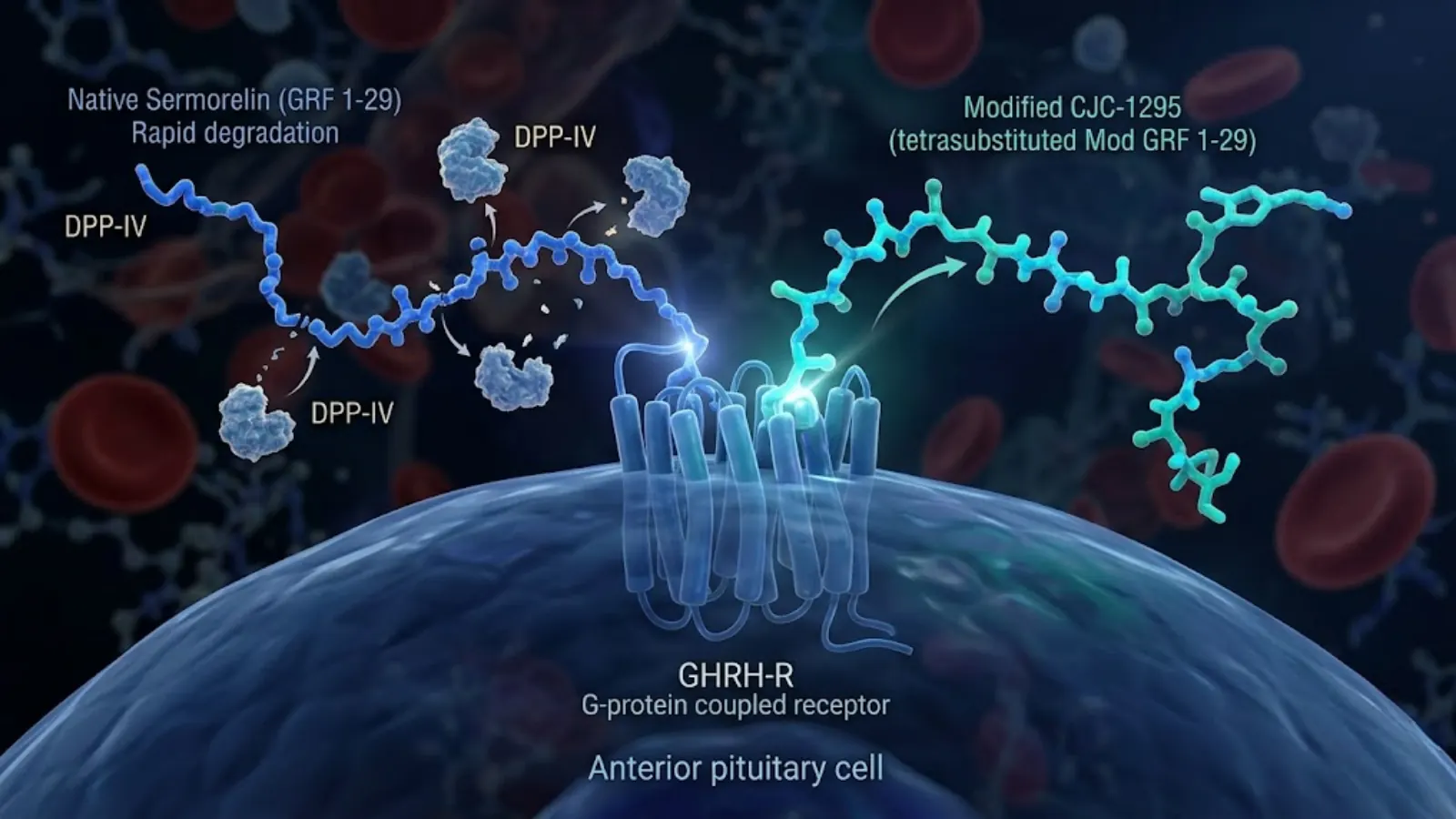
Image 1: Conceptual molecular illustration depicting Sermorelin degradation by DPP-IV enzymes versus the enzymatic resistance of tetrasubstituted CJC-1295 (Modified GRF 1-29).
The Role of Growth Hormone-Releasing Hormones
To understand the nuances of the growth hormone secretagogue landscape, we must first examine the neuroendocrine architecture of the somatotropic axis. The arcuate nucleus of the hypothalamus synthesizes and secretes endogenous Growth Hormone-Releasing Hormone (GHRH), a 44-amino acid peptide. Once secreted, GHRH travels through the hypophyseal portal system to the anterior pituitary gland, where it binds to specific G-protein coupled receptors (GPCRs) on the surface of somatotroph cells. This binding initiates the synthesis and exocytosis of human growth hormone (hGH) in a highly orchestrated, pulsatile rhythm. This pulsatility is vital; it is tightly regulated by the inhibitory hormone somatostatin, ensuring that systemic growth hormone levels rise and fall in waves rather than a continuous flood, which allows receptors to remain sensitive.
Why the Shift Towards Synthetic Analogs?
While endogenous GHRH is highly effective in a closed biological system, its clinical and laboratory utility is severely limited by its fragility. Native GHRH has an extremely short biological half-life in blood plasma—typically less than ten minutes. It is rapidly cleaved and rendered inactive by ubiquitous blood enzymes, primarily dipeptidyl peptidase-IV (DPP-IV). For medical researchers, compounding pharmacists, and advanced biohackers seeking to upregulate the somatotropic axis to combat sarcopenia, accelerate wound healing, or optimize metabolic function, a 10-minute window of activity is therapeutically insufficient. This biochemical limitation necessitated the evolutionary shift toward synthetic GHRH analogs, sparking the ongoing debate of cjc 1295 vs sermorelin. By mapping the active domains of the native peptide and structurally reinforcing them, biochemists have developed analogs that offer enhanced bioavailability, extended half-lives, and dramatically superior clinical outcomes.
3. The Core Biochemical Differences
What is Sermorelin (GRF 1-29)?
Sermorelin is the biochemical grandfather of synthetic GHRH analogs. Researchers mapped the 44-amino acid structure of endogenous GHRH and discovered that the entire biological activity—the ability to successfully bind to and activate the GHRH receptor on the pituitary—resided exclusively in the first 29 amino acids. The remaining 15 amino acids were essentially biological filler. By truncating the sequence, biochemists created Sermorelin, also known as GRF 1-29 (Growth Hormone-Releasing Factor 1-29). Because its amino acid sequence is identical to the first 29 amino acids of human GHRH, it is considered an exact biochemical mimic. It possesses an identical binding affinity and triggers the exact same intracellular cAMP cascade. However, because it lacks any structural modifications to protect it from enzymatic degradation, it remains highly susceptible to DPP-IV cleavage, meaning its chemical fragility was not solved—only its mass was optimized.
What is CJC-1295?
To overcome the rapid degradation of Sermorelin, researchers engineered CJC-1295, often referred to chemically as tetrasubstituted GRF 1-29. This compound retains the core 29-amino acid sequence required for receptor activation but introduces four highly specific amino acid substitutions to create “steric hindrance”—essentially physical roadblocks that prevent enzymes from chopping up the peptide chain.
The modifications are:
- Position 2: Substitution of D-Alanine to prevent DPP-IV cleavage (the primary degradation pathway).
- Position 8: Substitution of Glutamine to reduce asparagine rearrangement.
- Position 15: Substitution of Alanine to enhance bioactivity.
- Position 27: Substitution of Leucine to prevent methionine oxidation.
These precise modifications transform the fragile GRF 1-29 backbone into a highly stable, robust peptide known as Modified GRF 1-29 (commonly referred to in the biohacking community as CJC-1295 No DAC).
The DAC Distinction (Drug Affinity Complex)
The most critical distinction in the peptide landscape is the addition of the Drug Affinity Complex (DAC). While CJC-1295 No DAC (Modified GRF 1-29) solves the immediate issue of enzymatic degradation, true CJC-1295 adds a Maleimidopropionic acid group to the C-terminus of the peptide chain. This maleimido group is highly reactive and serves a singular, powerful purpose: upon injection, it rapidly seeks out and forms a covalent bond with the Cys34 residue of human serum albumin (HSA) in the blood. Albumin is a massive transport protein with a half-life of roughly 19 days. By physically tethering the peptide to circulating albumin, CJC-1295 with DAC is protected from kidney clearance and enzymatic breakdown, effectively extending the active presence of the peptide from minutes to over a week.
4. Pharmacokinetics and Half-Life
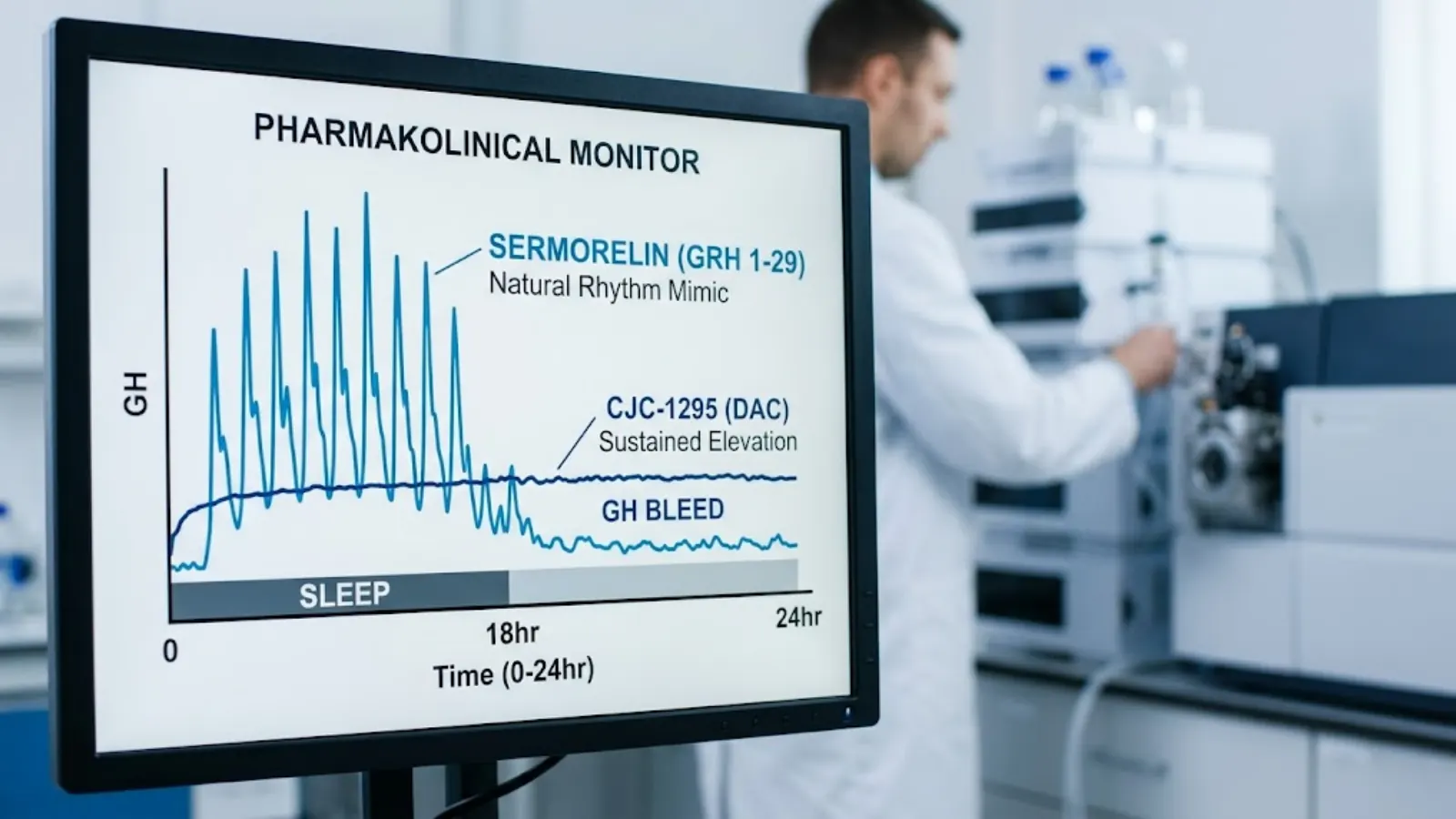
Image 2: Clinical visualization of pharmacokinetic data, contrasting the sharp pulsatile GH release curve of Sermorelin versus the continuous, low-level ‘GH Bleed’ of CJC-1295 with DAC over 24 hours.
Sermorelin’s Rapid Clearance
The pharmacokinetic profile of Sermorelin is defined by its rapid onset and equally rapid clearance. Upon subcutaneous administration, Sermorelin quickly enters systemic circulation and binds to pituitary receptors. However, because it contains the native L-Alanine at position 2, it is immediately targeted by circulating DPP-IV enzymes. Within 10 to 20 minutes, the peptide is cleaved into inactive fragments and cleared via renal pathways. For clinical and biohacking applications, this means Sermorelin forces a singular, powerful pulse of growth hormone that mimics the body’s natural physiological rhythm, specifically the large pulse naturally experienced during the onset of slow-wave sleep. It is entirely clear of the system within an hour, ensuring that the somatostatin inhibitory loop remains functional and pituitary receptor downregulation does not occur.
CJC-1295 No DAC (Modified GRF 1-29)
CJC-1295 without DAC occupies the “Goldilocks zone” of GHRH pharmacokinetics. Thanks to the tetrasubstituted amino acid modifications, it completely resists rapid degradation by DPP-IV. This structural stability extends its biological half-life to approximately 30 minutes. While 30 minutes may still seem relatively short, in the context of endocrinology, it represents a massive increase in the Area Under the Curve (AUC). This extended half-life allows the peptide to fully saturate pituitary receptors over a slightly longer duration, resulting in a more robust and prolonged release of endogenous growth hormone compared to Sermorelin. Crucially, because it is cleared from the blood within a few hours, it still respects the body’s natural pulsatile rhythm. It elevates the peak of the GH pulse without elevating the baseline trough, preserving receptor sensitivity.
CJC-1295 with DAC
The pharmacokinetic behavior of CJC-1295 with DAC is entirely different and represents a pharmacological intervention rather than a physiological mimic. Because it covalently binds to serum albumin, its half-life extends dramatically to 6 to 8 days. This creates what endocrinologists refer to as a “GH bleed”—a continuous, unrelenting stimulation of the anterior pituitary. Instead of distinct peaks and valleys, the baseline levels of both GH and IGF-1 are elevated around the clock. While this results in massive, sustained increases in systemic growth factors—highly desirable for B2B laboratory research observing rapid tissue hyperplasia—it fundamentally disrupts the endogenous somatostatin negative feedback loop. Prolonged use of the DAC version carries a significantly higher risk of pituitary receptor desensitization and chronic systemic fluid retention.
5. Biological Mechanisms of Action
Pulsatile vs. Continuous Secretion
The human body is not designed to process continuous streams of growth hormone; the entire somatotropic axis relies on pulsatility. When assessing cjc 1295 vs sermorelin, the mechanism of secretion is paramount. Both Sermorelin and CJC-1295 No DAC facilitate pulsatile secretion. They act as exogenous triggers that initiate a massive exocytosis of stored GH vesicles from the pituitary, after which the peptide clears, and somatostatin steps in to “turn off” the signal, allowing the pituitary to synthesize more GH for the next pulse. This mimics the healthy physiological patterns observed in young adults. Conversely, CJC-1295 with DAC forces continuous secretion. By constantly agonizing the somatotroph receptors day and night, it overrides the natural somatostatin inhibitory signals. While this maximizes the total volume of GH released over a 24-hour period, it acts contrary to evolutionary biology, forcing the pituitary into a state of continuous overdrive.
Receptor Binding Affinity and Degradation Resistance
At the cellular level, all three variations (Sermorelin, Mod GRF 1-29, and CJC-1295 DAC) share a high binding affinity for the Growth Hormone-Releasing Hormone Receptor (GHRH-R), a transmembrane GPCR located on pituitary somatotrophs. When the peptide ligand binds to this receptor, it induces a conformational change that activates the stimulatory G-protein subunit ($G_s$). This activation upregulates the enzyme adenylate cyclase, leading to a rapid accumulation of intracellular cyclic AMP (cAMP). The spike in cAMP opens voltage-gated calcium channels, and the subsequent influx of calcium ions ($Ca^{2+}$) is the primary mechanical trigger for the exocytosis of growth hormone. The difference in efficacy between Sermorelin and CJC-1295 lies not in how they bind, but for how long they survive the extracellular environment to achieve that binding. CJC-1295’s resistance to DPP-IV ensures that a significantly higher percentage of the injected dose successfully reaches and activates the pituitary receptors before being neutralized.
Impact on IGF-1 Levels
The ultimate goal of utilizing any GHRH analog is not merely to elevate transient blood levels of growth hormone, but to facilitate the downstream production of Insulin-like Growth Factor 1 (IGF-1). Once released by the pituitary, growth hormone travels to the liver, where it binds to hepatic GH receptors, triggering the transcription and systemic release of IGF-1. IGF-1 is the primary mediator of the anabolic, hyperplastic, and reparative effects associated with the somatotropic axis. Because Sermorelin produces a shorter, native-like GH pulse, its impact on total daily IGF-1 levels is moderate—ideal for gentle anti-aging and sleep support. CJC-1295 No DAC, due to its larger AUC and robust GH pulses, produces a highly significant, measurable increase in systemic IGF-1, making it the preferred compound for athletic recovery and biohacking. CJC-1295 with DAC produces the highest overall elevation in IGF-1, often pushing levels into the supra-physiological range due to the continuous hepatic stimulation, which requires careful clinical monitoring of IGF Binding Protein-3 (IGFBP-3) to ensure safe transport and cellular uptake.
6. Laboratory Research and B2B Synthesis Considerations
Lyophilized Stability and Storage
In the realm of B2B wholesale manufacturing and clinical laboratory research, the stability of a peptide formulation dictates its commercial viability and research utility. Both Sermorelin and CJC-1295 are synthesized utilizing solid-phase peptide synthesis (SPPS) and are subsequently purified and provided as a lyophilized (freeze-dried) powder. Lyophilization removes water via sublimation under a vacuum, putting the peptide into a state of suspended animation. In their lyophilized states, when kept out of direct UV light and stored at -20°C in a laboratory freezer, both compounds remain highly stable for 24 to 36 months. However, when comparing cjc 1295 vs sermorelin at room temperature, CJC-1295 (specifically Modified GRF 1-29) demonstrates superior molecular resilience due to the tetra-substitutions that prevent spontaneous degradation.
HPLC Purity and Mass Spectrometry
For clinical researchers and wholesale purchasers, verifying the purity of these active pharmaceutical ingredients (APIs) is paramount. High-Performance Liquid Chromatography (HPLC) coupled with Mass Spectrometry (MS) is the gold standard for peptide characterization. When analyzing a Certificate of Analysis (CoA), a pure batch of Sermorelin should yield a single, sharp chromatographic peak corresponding to its molecular weight of ~3,358 Da. Because Sermorelin lacks structural modifications, it is relatively straightforward to synthesize with a purity exceeding 99%. In contrast, synthesizing CJC-1295 with DAC is significantly more complex. The addition of the maleimidopropionic acid group increases the risk of truncation errors and aggregation during synthesis. A rigorous HPLC report for CJC-1295 DAC must confirm not only a molecular weight of ~3,647 Da but also explicitly state that residual solvents (such as trifluoroacetic acid or TFA) have been purged below 0.5%, as excess TFA can cause localized tissue necrosis upon subcutaneous injection.
Reconstitution Protocols
Once reconstituted with bacteriostatic water (which contains 0.9% benzyl alcohol as an antimicrobial preservative), the clock on peptide degradation begins. The fragile amide bonds holding the amino acids together become susceptible to hydrolysis. Sermorelin, being a native sequence, is notoriously unstable once hydrated; it begins to lose potency within 8 to 14 days, even when continuously refrigerated at 2°C to 8°C. CJC-1295 No DAC, fortified by its modified amino acids, maintains structural integrity and bioactivity for approximately 28 to 30 days under the same refrigerated conditions. Researchers must handle reconstituted vials with extreme care—vigorous shaking can introduce mechanical shear stress that rapidly denatures the peptide bonds.
7. B2C Advanced Biohacking Protocols
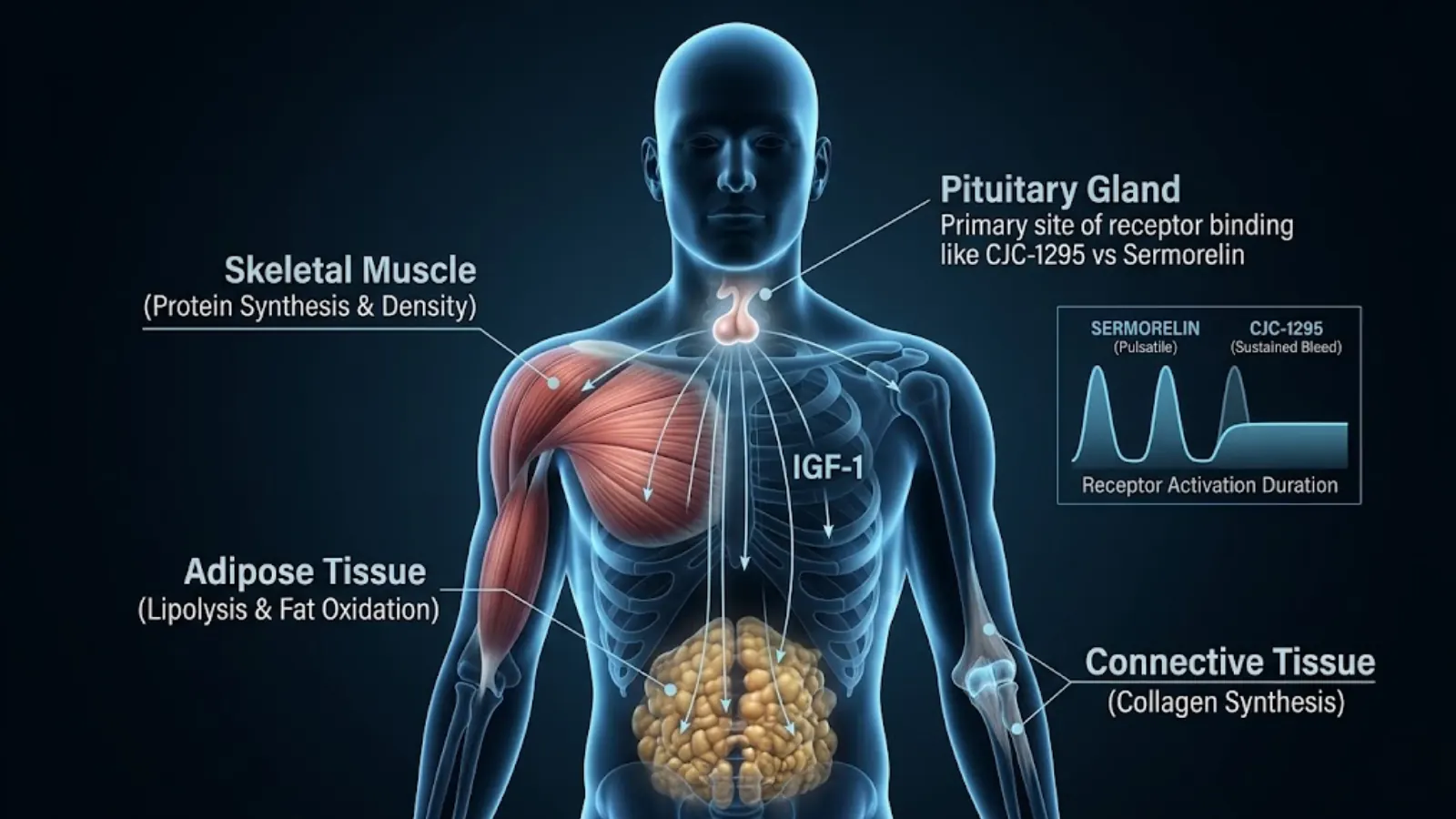
Image 3: Physiological targeting map of the human somatotropic axis. Arrows show downstream IGF-1 effects on skeletal muscle (repair), adipose tissue (lipolysis), and the brain (deep sleep architecture optimization).
Deep Sleep and Circadian Optimization
For the advanced B2C biohacker, manipulating the somatotropic axis is less about massive tissue accrual and more about optimizing circadian biology. The human body naturally secretes its largest pulse of growth hormone shortly after the onset of slow-wave sleep (Stage 3 and Stage 4 NREM sleep). When biohackers administer Sermorelin subcutaneously right before bed, they are seeking to amplify this exact physiological event. Because Sermorelin clears the system in 15 minutes, it does not disrupt sleep architecture; rather, it deepens the delta-wave sleep phase, resulting in profound restorative rest and enhanced cognitive clarity upon waking. CJC-1295 No DAC is also used in this nighttime protocol. Due to its 30-minute half-life, it creates a slightly wider, more robust pulse that biohackers often refer to as the “ultimate sleep stack” when pursuing central nervous system (CNS) recovery from high-stress environments.
Tissue Repair and Recovery
When the goal shifts from sleep optimization to musculoskeletal rehabilitation—such as recovering from tendonitis, ligament tears, or severe muscle micro-trauma—the protocol requires an environment rich in Insulin-like Growth Factor 1 (IGF-1). In this context, CJC-1295 No DAC is vastly superior to Sermorelin. The sustained receptor activation facilitated by CJC-1295 translates into elevated systemic IGF-1 levels that persist through the following day. This upregulated IGF-1 binds to receptors on satellite cells surrounding skeletal muscle fibers, prompting them to donate their nuclei to damaged tissues, exponentially accelerating the rate of cellular repair.
The Ipamorelin Synergy (Stacking)
It is scientifically incomplete to discuss GHRH analogs without addressing the concept of synergy. Administering a GHRH (like Sermorelin or CJC-1295) only acts on one half of the pituitary equation. To achieve maximum exocytosis of growth hormone, advanced biohackers utilize a “stack” by combining the GHRH with a Growth Hormone Secretagogue Receptor (GHSR) agonist, such as Ipamorelin. Ipamorelin acts as a synthetic ghrelin mimetic. While the GHRH signals the pituitary to release stored GH, Ipamorelin simultaneously suppresses somatostatin (the hormone that stops GH release) and increases the total volume of GH per pulse. The co-administration of CJC-1295 No DAC and Ipamorelin does not result in an additive effect (1+1=2); it results in a synergistic, exponential effect (1+1=5), representing the absolute gold standard in modern peptide biohacking.
8. Clinical Efficacy and Body Composition Data
Fat Oxidation and Lipolysis
One of the most immediate and observable clinical effects of upregulated growth hormone secretion is an increase in lipid metabolism. Growth hormone directly binds to adipocytes (fat cells), upregulating the expression of hormone-sensitive lipase (HSL). This enzyme acts as the catalyst for the lipolysis cascade, breaking down stored triglycerides into free fatty acids (FFAs) and glycerol, which are then shunted into the bloodstream to be oxidized as ATP by the mitochondria. When analyzing cjc 1295 vs sermorelin for fat loss, CJC-1295 No DAC routinely yields faster alterations in body composition due to its higher overall Area Under the Curve (AUC) for GH release, keeping the body in a fat-oxidative state for longer periods post-injection.
Hyperplasia vs. Hypertrophy and Muscle Density
Standard anabolic-androgenic steroids (AAS) primarily drive muscle hypertrophy—an increase in the physical size and volume of existing muscle fibers. GHRH peptides, acting upstream of IGF-1, possess the unique theoretical capability of driving hyperplasia—an increase in the actual number of muscle cells. While definitive human hyperplasia data remains notoriously difficult to capture outside of in vitro biopsies, prolonged clinical observations of CJC-1295 utilization demonstrate profound shifts in muscle density and nitrogen retention. Sermorelin, due to its fleeting presence, rarely provides the sustained IGF-1 elevation required to drive noticeable hyperplasia, limiting its utility for extreme athletic performance enhancement compared to its modified counterparts.
Anti-Aging and Cellular Senescence
At the core of the anti-aging clinic model is the concept of “somatopause”—the precipitous, age-related decline in endogenous growth hormone and IGF-1, which directly correlates with skin laxity, osteoporosis, and cellular senescence. Both Sermorelin and CJC-1295 act as potent anti-aging therapeutics by effectively “rewinding” the somatotropic clock to match the pulsatile profiles of young adults. Clinical endpoints routinely observe increased collagen type I and III synthesis (resulting in improved skin turgor and reduced rhytids/wrinkles), increased bone mineral density (BMD), and a restoration of vitality. For elderly populations, Sermorelin is often preferred by conservative clinicians because its rapid clearance ensures zero risk of fluid retention, which can be problematic for aging cardiovascular systems.
9. Safety Profiles and Potential Side Effects
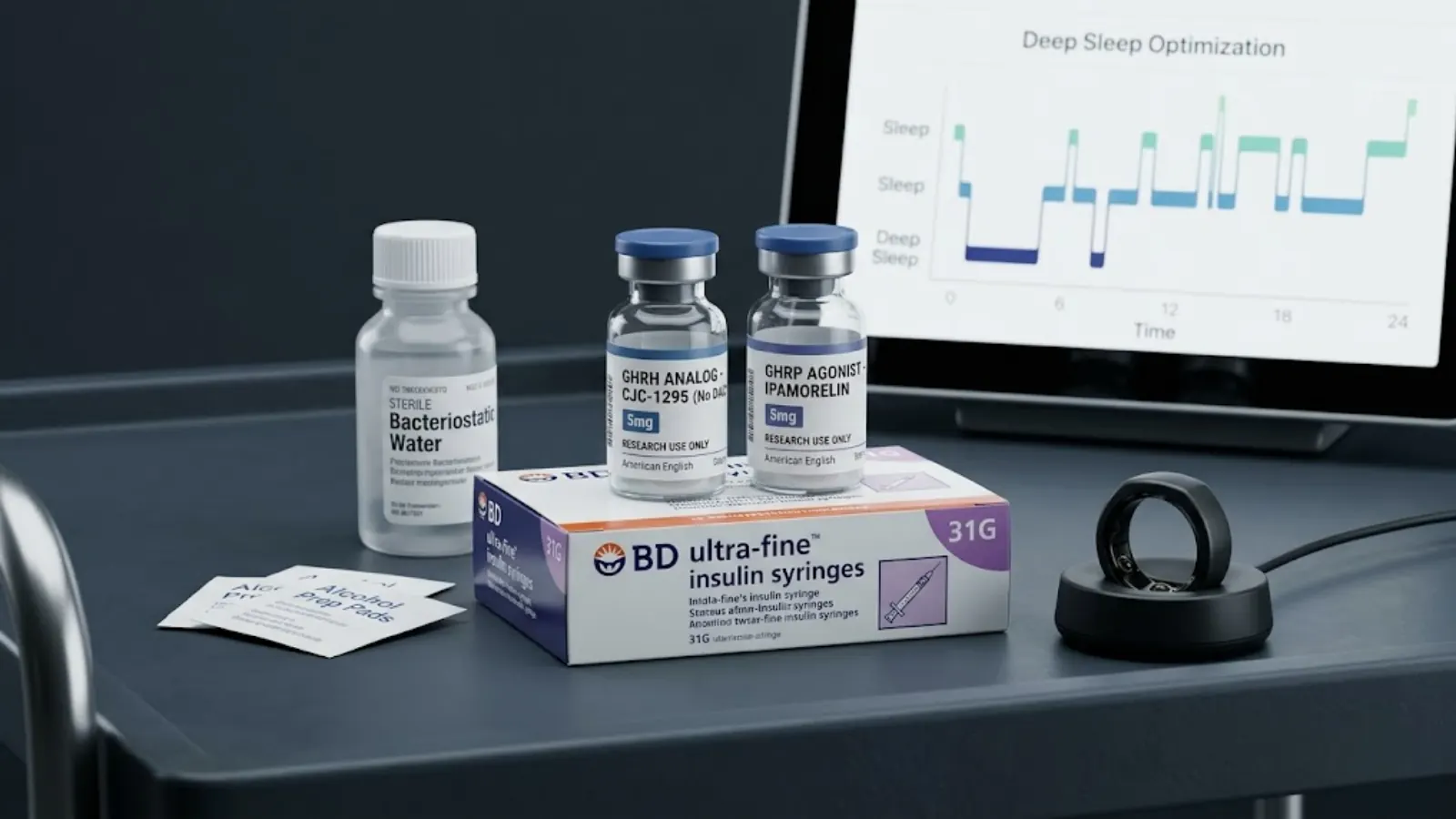
Image 4: Clinical flat lay showing sterile protocol supplies for somatotropic optimization, emphasizing the precision required for utilizing GHRH and GHRP analogs.
Injection Site Reactions and Histamine Responses
While generally well-tolerated, subcutaneous administration of peptides is not without adverse events. The most universally reported side effects are Injection Site Reactions (ISRs), characterized by localized erythema (redness), pruritus (itching), and minor induration (welting) at the injection site. This is primarily a localized histamine response triggered by the physical trauma of the injection, the acidity of the bacteriostatic water, or minor immunogenic recognition of the peptide sequence. CJC-1295, particularly the DAC version, tends to elicit a slightly stronger localized histamine response than Sermorelin due to the maleimidopropionic acid complex.
The Risk of Pituitary Exhaustion
A critical safety distinction must be drawn between pulsatile and continuous GHRH administration. Sermorelin and CJC-1295 No DAC are remarkably safe regarding pituitary health because they respect the physiological negative feedback loop; they stimulate, and then they leave. CJC-1295 with DAC, however, poses a severe theoretical risk of “pituitary exhaustion.” By constantly bombarding the somatotrophs for days on end without a refractory period, the DAC variant can cause severe downregulation of GHRH receptors. If the receptors become desensitized, endogenous GH production can plummet following cessation of the drug, leading to a profound post-cycle crash characterized by lethargy, depressive symptoms, and rapid loss of lean tissue.
Water Retention and Cortisol Fluctuations
Elevated systemic growth hormone inherently alters renal handling of sodium and water. By upregulating the renin-angiotensin-aldosterone system (RAAS), high doses of GHRH peptides can cause notable extracellular fluid retention (edema). Patients often report tightness in the hands, wrists, and ankles. Because Sermorelin’s half-life is so brief, water retention is exceedingly rare. CJC-1295 No DAC carries a moderate risk of transient edema, particularly in the first two weeks of a protocol. Furthermore, unlike synthetic GHRPs (such as GHRP-6), neither Sermorelin nor CJC-1295 significantly elevates cortisol or prolactin levels, preserving a safe endocrine profile during long-term administration.
10. Navigating the Market: Legality and Sourcing
FDA-Regulated Compounding Pharmacies vs. “Research Only” Sites
The regulatory landscape for peptide therapeutics in the United States has undergone massive, restrictive shifts in recent years. Historically, anti-aging clinics legally prescribed these compounds via 503A compounding pharmacies. However, in late 2023 and solidified through Pharmacy Compounding Advisory Committee (PCAC) meetings in late 2024, the FDA moved heavily against synthetic peptides. The FDA placed CJC-1295, along with several other prominent peptides, onto the “Category 2” bulk drug substances list—meaning they are identified as substances presenting potential safety risks and are currently ineligible for routine compounding by state-licensed pharmacies. Consequently, legitimate, FDA-regulated medical access to CJC-1295 has been entirely severely restricted, driving the market toward unregulated “Research Chemical” suppliers.
Red Flags When Buying Peptides Online
Because B2C biohackers are now frequently forced to source from “Research Only” gray-market websites, the risk of acquiring dangerous, impure, or completely counterfeit products is astronomically high. When navigating this space, several massive red flags must be avoided:
- Lack of Third-Party Testing: A supplier must provide an up-to-date Certificate of Analysis (CoA) from a verifiable, independent third-party mass spectrometry lab. If the CoA is missing, heavily redacted, or clearly photoshopped, the product is unsafe.
- Pre-Mixed Solutions: Peptides degrade rapidly in water. Any vendor selling Sermorelin or CJC-1295 as a pre-mixed liquid rather than a lyophilized powder is either selling a degraded, useless product or a counterfeit substance altogether.
- “Proprietary Blends”: Legitimate biochemical research requires precise, microgram-level dosing. “Proprietary blends” that hide the exact milligram count of the active pharmaceutical ingredient are a massive safety hazard.
11. Frequently Asked Questions (FAQs)
Is CJC-1295 stronger than Sermorelin?
Yes, from a pharmacokinetic perspective, CJC-1295 (Modified GRF 1-29) is considered “stronger” and more efficacious than Sermorelin. Due to its tetrasubstituted amino acid modifications, it resists enzymatic breakdown by DPP-IV, extending its half-life from 10 minutes (Sermorelin) to 30 minutes. This larger biological window allows for greater pituitary saturation and a more robust, prolonged release of growth hormone and IGF-1.
Should I take CJC-1295 and Sermorelin together?
No, there is no biological rationale for stacking CJC-1295 and Sermorelin together. Because both compounds are Growth Hormone-Releasing Hormones (GHRH) that bind to the exact same GPCR receptor on the pituitary gland, they will simply compete for the same receptor sites. To achieve synergy, one of these GHRH peptides should instead be stacked with a GHSR agonist, such as Ipamorelin.
How long does it take for Sermorelin or CJC-1295 to work?
The systemic release of growth hormone occurs within 15 to 30 minutes post-injection. However, observable physical changes require time to accumulate. Improved sleep architecture (deeper REM and slow-wave sleep) is typically noticed within the first 1 to 3 days. Enhanced recovery and skin elasticity usually manifest between weeks 3 and 6, while significant shifts in body composition (fat lipolysis and muscle density) require a minimum of 8 to 12 weeks of consistent administration.
What happens when you stop taking GHRH peptides?
Because Sermorelin and CJC-1295 No DAC stimulate the pituitary rather than replacing native hormones with exogenous synthetics (like taking actual hGH), they generally do not cause severe endocrine suppression. When you cease the protocol, your body’s endogenous growth hormone production simply returns to its natural baseline levels within a few days. You will lose the accelerated recovery and fat-oxidation benefits, but you will not experience a severe “crash” assuming you avoided the continuous-release DAC variant.
12. Key Takeaways
- The Baseline Mimic: Sermorelin (GRF 1-29) is a highly fragile, native-identical peptide with a 10-minute half-life. It is ideal for individuals seeking gentle, natural restoration of their sleep cycle and mild anti-aging benefits without any risk of water retention.
- The Biohacker’s Standard: CJC-1295 No DAC (Modified GRF 1-29) provides the ultimate balance of efficacy and safety. Its 30-minute half-life yields powerful pulses of GH and sustained IGF-1 for tissue repair, without breaking the body’s natural pulsatile rhythm.
- The High-Risk Option: CJC-1295 with DAC binds to serum albumin to create an 8-day half-life. While it drastically skyrockets IGF-1 for laboratory tissue hyperplasia, the continuous “GH bleed” carries heavy risks of pituitary receptor down-regulation.
- Synergy is Mandatory: To unlock the full potential of any GHRH, it must be paired with a secretagogue like Ipamorelin to simultaneously suppress somatostatin and force exocytosis.
- Regulatory Hurdles: Following recent FDA and PCAC categorizations, routine compounding of CJC-1295 is severely restricted, making third-party mass spectrometry testing absolutely critical for any laboratory or biohacker navigating the unregulated research chemical market.