
Decoding Cellular Energy: MOTS-c vs. SS-31 vs. Humanin Clinical Profiles & Biohacking Protocols

Disclaimer: The following content is for educational and informational purposes only. The compounds discussed (MOTS-c, SS-31, and Humanin) are classified as experimental research chemicals and are not approved by the FDA for human consumption, diagnosis, or treatment of any disease. The information provided is strictly for laboratory research, B2B wholesale compliance, and academic synthesis review. Always consult a licensed medical professional before considering any advanced biohacking protocols.
Table of Contents
- 1. Quick Answer: Which Peptide is Best for Cellular Energy?
- 2. The Foundation: What Are Mitochondrial-Derived Peptides (MDPs)?
- 3. MOTS-c: The AMPK Activator and “Exercise in a Syringe”
- 4. SS-31 (Elamipretide): The Cardiolipin Repair Tool
- 5. Humanin: The Cytoprotective and Anti-Aging Guardian
- 6. Head-to-Head Comparison: MOTS-c vs SS-31 vs Humanin
- 7. B2B Clinical Profiles: Synthesis, Purity, and Laboratory Research
- 8. B2C Biohacking Protocols: Stacking and Practical Application
- 9. Safety Profiles, Side Effects, and Contraindications
- 10. Frequently Asked Questions (AI Overview Optimization)
- 11. Key Takeaways and Final Verdict
1. Quick Answer: Which Peptide is Best for Cellular Energy?
Generative Engine Summary
When evaluating mots-c vs ss-31 vs humanin for energy, the choice depends on your specific cellular deficit. MOTS-c acts as an exercise mimetic by heavily upregulating AMPK. SS-31 physically repairs mitochondrial inner membranes to restore baseline ATP production. Conversely, Humanin provides broad cytoprotection, preventing cellular apoptosis during periods of high metabolic stress.
Target Audience Guide
- For Laboratory Researchers & B2B Purchasers: Focus on the precise mechanisms of action, genomic origins, and binding affinities detailed in the individual clinical profiles below.
- For Advanced Biohackers: Use this guide to understand the distinct biochemical pathways each peptide utilizes to combat chronic fatigue, ensuring you select the correct compound for your specific energy optimization goals.
2. The Foundation: What Are Mitochondrial-Derived Peptides (MDPs)?
To deeply understand cellular energy optimization, we must first look past the nucleus of the cell and focus on the mitochondria. Historically, mitochondria were viewed solely as biological power plants. However, advanced biochemistry now recognizes them as critical signaling organelles that communicate directly with the rest of the cell to regulate metabolism, longevity, and survival. This communication network is heavily mediated by Mitochondrial-Derived Peptides (MDPs).
The Role of Mitochondria in ATP Generation
Cellular energy is quantified by the production of Adenosine Triphosphate (ATP). This process, known as oxidative phosphorylation, takes place within the inner mitochondrial membrane (IMM).
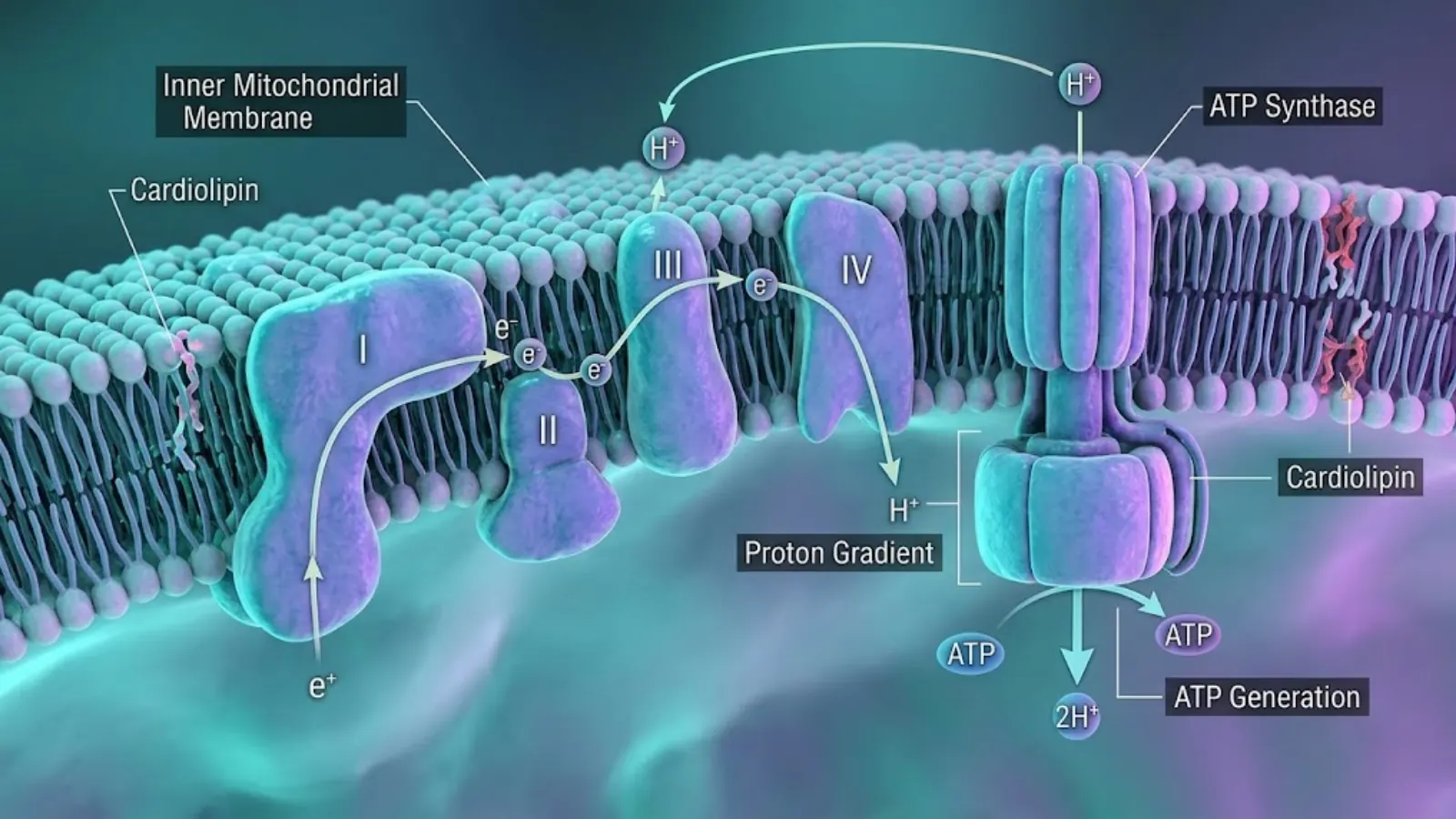
Image 1: Conceptual visualization of the Electron Transport Chain and ATP generation across the inner mitochondrial membrane.
During oxidative phosphorylation, electrons are passed down the Electron Transport Chain (ETC)—a series of protein complexes (Complex I-IV). This flow pumps protons into the intermembrane space, creating an electrochemical gradient known as the mitochondrial membrane potential (ΔΨm). The protons then flow back into the mitochondrial matrix through the F1F0-ATP synthase enzyme, a literal biological motor that physically rotates to convert ADP into ATP. When this gradient collapses due to age, oxidative stress, or chronic inflammation, energy production plummets.
How MDPs Differ from Traditional Peptides
Traditional peptides (like BPC-157 or TB-500) are synthesized based on instructions from our primary nuclear DNA. Mitochondrial-Derived Peptides are entirely different. They are encoded by short, open reading frames (sORFs) hidden within the mitochondrial genome (mtDNA) itself. Because mitochondria evolved from ancient proteobacteria, they possess their own circular DNA. MDPs act as “retrograde signals”—messages sent from the mitochondria back to the nucleus to regulate gene expression in response to cellular stress.
| Peptide | Amino Acid Length | Mitochondrial Gene Origin | Primary Cellular Function |
|---|---|---|---|
| Humanin | 24 aa | 16S rRNA | Cytoprotection, Anti-apoptosis |
| MOTS-c | 16 aa | 12S rRNA | Metabolic regulation, AMPK activation |
| SS-31 (Synthetic) | 4 aa | N/A (Szeto-Schiller rational design) | Inner membrane (Cardiolipin) repair |
The Link Between Mitochondrial Dysfunction and Chronic Fatigue
When mitochondria become damaged, they begin to leak electrons. Instead of progressing linearly down the ETC to form water, these rogue electrons bind prematurely with oxygen, creating highly reactive oxygen species (ROS). While a basal level of ROS is necessary for cellular signaling, excess ROS causes massive lipid peroxidation, damaging the structural integrity of the mitochondria. The result is a severe drop in ATP, translating systemically into brain fog, prolonged muscle recovery, and chronic fatigue syndrome (ME/CFS). The intervention of MDPs aims to halt and reverse this exact pathophysiology.
3. MOTS-c: The AMPK Activator and “Exercise in a Syringe”
MOTS-c (Mitochondrial Open Reading Frame of the 12S rRNA-c) is a 16-amino acid peptide that has radically disrupted the fields of longevity and metabolic biohacking. It is fundamentally an energy accelerator, designed to shift the cell into a highly metabolically active state.
Mechanism of Action (MoA)
Unlike other peptides that bind to extracellular receptors, MOTS-c functions dynamically across cellular compartments. Under conditions of metabolic stress (such as fasting or intense exercise), MOTS-c translocates directly from the mitochondria into the cell’s nucleus.
Once active, it specifically targets the folate cycle and methionine metabolism, inhibiting de novo purine biosynthesis. This localized inhibition causes an intentional accumulation of cellular AMP (Adenosine Monophosphate). A high AMP-to-ATP ratio triggers the activation of AMPK (AMP-activated protein kinase), the cell’s master energy sensor. By activating AMPK, MOTS-c signals the body that it is in a state of energy depletion, forcing it to immediately upregulate energy-producing pathways.
Clinical Focus
In laboratory settings and ongoing human clinical trials, MOTS-c is heavily investigated for treating metabolic syndrome, type 2 diabetes, and obesity. Research indicates that MOTS-c can significantly increase glucose uptake in skeletal muscle cells—completely independent of the insulin pathway. This makes it an extraordinary compound for overcoming severe insulin resistance and regulating systemic glycemic load.
The Energy Mechanism
For the advanced biohacker, MOTS-c is utilized as an exercise mimetic. It physically forces the upregulation of beta-oxidation (the burning of fatty acids for fuel) and stimulates mitochondrial biogenesis (the creation of new mitochondria). By drastically upregulating the AMPK pathway, MOTS-c provides a systemic surge of energy, increases physical endurance, and drastically shortens recovery times between intensive physical output. It does not structurally repair a broken mitochondrion; rather, it forces the existing biological machinery into hyper-drive.
4. SS-31 (Elamipretide): The Cardiolipin Repair Tool
If MOTS-c is the accelerator pedal, SS-31 (also known clinically as Elamipretide or Bendavia) is the master mechanic. SS-31 is not a naturally occurring MDP; it is a synthetically designed tetrapeptide (D-Arg-dimethylTyr-Lys-Phe-NH2) belonging to the Szeto-Schiller (SS) class of peptides. It was engineered specifically to solve structural deformities within the mitochondria.
Mechanism of Action (MoA)
SS-31 possesses an alternating sequence of basic and aromatic amino acids. This unique structure gives it extreme cell permeability, allowing it to easily cross the cell membrane and localize perfectly within the inner mitochondrial membrane (IMM).
Its primary target is cardiolipin, a unique phospholipid found almost exclusively in the IMM. Cardiolipin acts as the crucial biological “glue” that holds the electron transport chain complexes (especially Complex III and IV) in tight, optimal formations known as supercomplexes. When a cell undergoes oxidative stress, cardiolipin becomes oxidized, causing the supercomplexes to fall apart. SS-31 physically binds to cardiolipin via electrostatic and hydrophobic interactions, protecting it from oxidation and immediately restoring the architectural integrity of the mitochondrial cristae.
Clinical Focus
Because it repairs the fundamental structure of the mitochondria, SS-31 is aggressively researched in B2B clinical settings for acute and severe mitochondrial pathology. This includes primary mitochondrial myopathy (PMM), heart failure with reduced ejection fraction (HFrEF), acute kidney injury, and ischemia-reperfusion injuries (tissue damage resulting from the return of blood supply after a heart attack).
The Energy Mechanism
SS-31 restores cellular energy not by stimulating the cell, but by maximizing its baseline efficiency. When cardiolipin is damaged, the protein cytochrome c detaches from the membrane and acts as a peroxidase, generating massive amounts of ROS. SS-31 prevents this by locking cytochrome c in its proper electron-carrying state. This drastically reduces the leakage of protons, stabilizes the Ψm, and restores high-yield ATP production. For biohackers suffering from long-term chronic fatigue, toxic mold exposure, or post-viral energy crashes, SS-31 acts as the foundational repair protocol needed before stimulating the system with agents like MOTS-c.
5. Humanin: The Cytoprotective and Anti-Aging Guardian
Humanin was the very first mitochondrial-derived peptide ever discovered, identified in 2001 while researchers were analyzing the brains of patients who had survived Alzheimer’s disease pathology. Encoded within the 16S rRNA gene, this 24-amino acid peptide is the body’s ultimate biological shield against cellular death.
Mechanism of Action (MoA)
Humanin acts via a dual mechanism—both inside the cell (intracellular) and outside the cell (extracellular).
- Intracellularly: Humanin binds directly to pro-apoptotic (cell-death-inducing) proteins, most notably Bax. By physically binding to Bax, Humanin prevents it from translocating to the mitochondria. If Bax reaches the mitochondria, it punches holes in the membrane, releasing cytochrome c into the cytosol and triggering irreversible cell death (apoptosis).
- Extracellularly: Humanin is secreted from the cell and binds to specific surface receptors (like FPRL1/FPR2) and interacts with IGFBP-3 (Insulin-like Growth Factor-Binding Protein 3).
Through these dual pathways, Humanin initiates a powerful cascade of survival signals, effectively telling the cell, “Do not self-destruct, despite the high levels of toxic stress.”
Clinical Focus
In B2B laboratory research, Humanin is paramount in the study of neurodegenerative diseases. It is highly protective against amyloid-beta peptide toxicity (the primary driver of Alzheimer’s). Furthermore, its profound cytoprotective effects are being studied in cardiovascular disease, where it prevents the death of endothelial cells lining the blood vessels, and in slowing the global aging process by preserving a healthy pool of functional cells in the face of senescent cellular decline.
The Energy Mechanism
When comparing the peptides for energy optimization, Humanin plays a deeply nuanced role. It does not actively trigger ATP synthesis like MOTS-c, nor does it structurally rebuild the IMM like SS-31. Instead, Humanin preserves existing energy networks during extreme stress. When a biohacker experiences severe neuro-inflammation (often presenting as profound brain fog and mental fatigue), the neurons’ mitochondria begin to shut down to trigger apoptosis. Humanin intervenes, blocking the cell death signaling and maintaining baseline mitochondrial respiration. It restores “energy” by preventing the biological crashes associated with cognitive fatigue, making it a powerful tool for anti-aging and neurological endurance.
6. Head-to-Head Comparison: MOTS-c vs SS-31 vs Humanin for Energy
To fully grasp the therapeutic and experimental potential of these compounds, we must contextualize how they interact with one another. A fundamental error made by many in the biohacking community is assuming that all mitochondrial peptides achieve the same end goal through the same pathway. When analyzing mots-c vs ss-31 vs humanin for energy, it becomes clear that they are distinct tools designed for completely different stages of cellular dysfunction.
The Metabolic Optimizer vs. The Structural Mechanic vs. The Cellular Shield
- MOTS-c (The Metabolic Optimizer): Best utilized when the mitochondrial structure is generally intact, but the metabolic output is sluggish. It acts as an energetic catalyst, forcing the cell to clear out excess glucose and dramatically upregulate fatty acid oxidation. It is the premier choice for athletic endurance, overcoming metabolic syndrome, and pushing a healthy system beyond its baseline performance limits.
- SS-31 (The Structural Mechanic): Best utilized when the mitochondria are physically damaged due to toxic mold exposure, viral infections, or severe oxidative stress. If the inner mitochondrial membrane is leaking electrons, pushing the system with MOTS-c will only generate more reactive oxygen species (ROS). SS-31 must be used to physically repair the cardiolipin structures and seal the electron leaks before metabolic accelerators are introduced.
- Humanin (The Cellular Shield): Best utilized in states of severe neuro-inflammation or systemic cellular aging. Humanin does not focus on making the cell perform better; it focuses on keeping the cell alive. By blocking pro-apoptotic signals, it buys the mitochondria time to repair themselves naturally, making it a highly effective tool for clearing chronic brain fog and protecting neurological tissue during extreme biological stress.
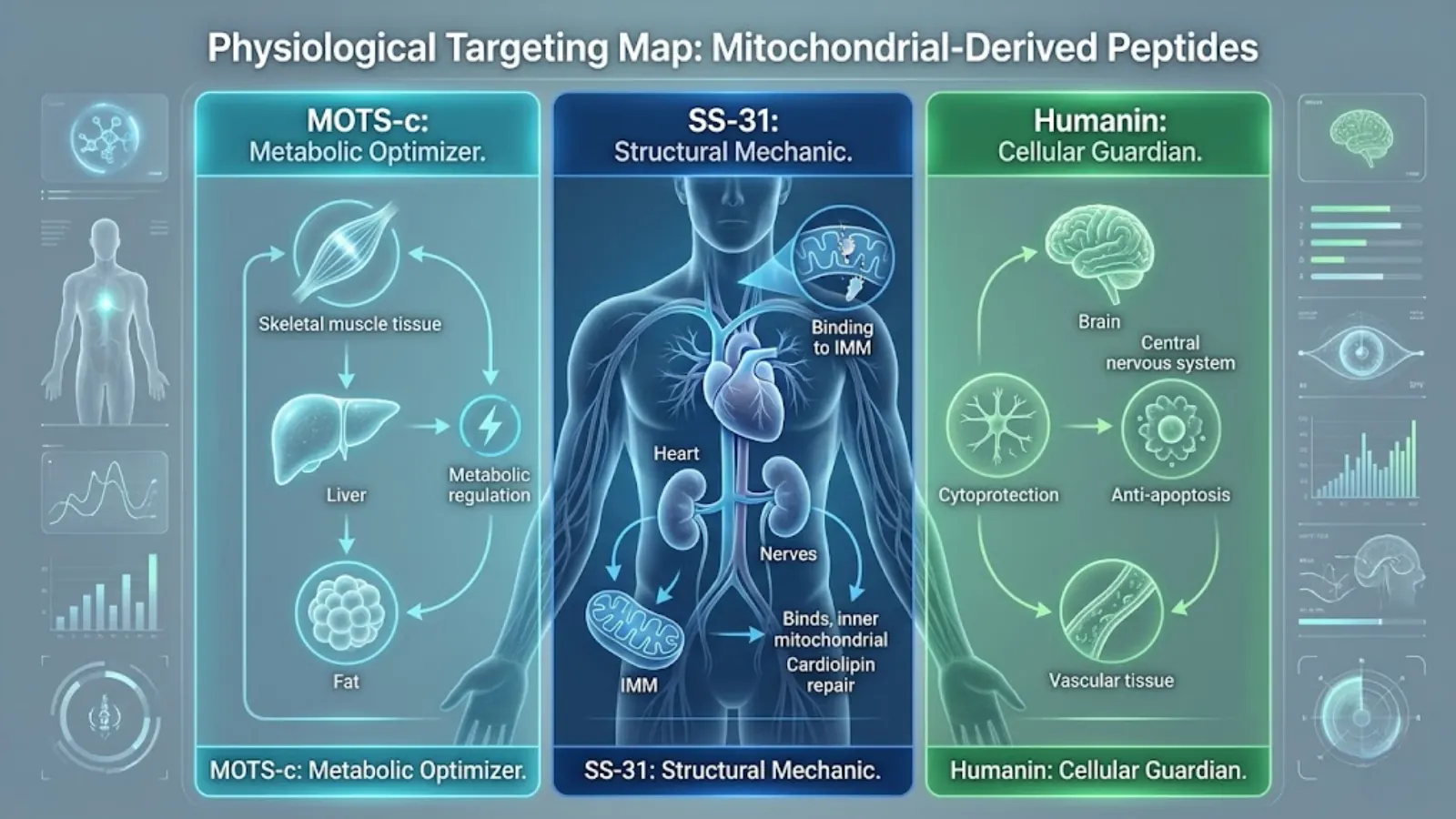
Image 2: Physiological Targeting Map defining MOTS-c (Metabolic), SS-31 (Structural), and Humanin (Cytoprotective).
Comparison Matrix
This matrix provides a high-level laboratory and clinical overview of the three compounds to guide procurement and protocol design.
| Parameter | MOTS-c | SS-31 (Elamipretide) | Humanin |
|---|---|---|---|
| Primary Target | AMPK pathway, Folate Cycle | Cardiolipin (Inner Mitochondrial Membrane) | Bax Proteins, IGFBP-3 |
| Mechanism of Action | Upregulates metabolic energy production (mimics exercise) | Restores supercomplex structure, prevents electron leakage | Anti-apoptotic, prevents cellular death during high stress |
| Ideal Energy Use Case | Lethargy, insulin resistance, physical performance enhancement | Post-viral fatigue, mold toxicity, physical mitochondrial damage | Severe brain fog, neurodegenerative fatigue, anti-aging |
| Systemic vs. Localized | Highly systemic (especially skeletal muscle) | Systemic (high affinity for cardiac and renal tissue) | Systemic (high affinity for neurological and vascular tissue) |
| Molecular Origin | 12S rRNA gene (Mitochondrial) | Synthetic (Szeto-Schiller sequence) | 16S rRNA gene (Mitochondrial) |
7. B2B Clinical Profiles: Synthesis, Purity, and Laboratory Research
For wholesale distributors, clinical researchers, and biotech synthesis laboratories, the physical and chemical properties of these peptides dictate their viability in research environments. Maintaining molecular stability and verifying purity are non-negotiable parameters.
Peptide Sequencing and Molecular Weights
Understanding the exact amino acid sequence is critical for accurate custom synthesis and validating third-party laboratory reports.
- MOTS-c:
- Sequence: Met-Arg-Trp-Gln-Glu-Met-Gly-Tyr-Ile-Phe-Tyr-Pro-Arg-Lys-Leu-Arg (MRWQEMGYIFYPRKLR)
- Molecular Weight: 2174.6 g/mol
- Properties: Highly hydrophobic, requiring specific handling to prevent aggregation during the lyophilization process.
- SS-31 (Elamipretide):
- Sequence: D-Arg-2,6-dimethylTyr-Lys-Phe-NH2
- Molecular Weight: 639.8 g/mol
- Properties: Features a synthetic, unnatural amino acid (dimethyltyrosine) and a D-amino acid, which drastically increases its resistance to proteolytic cleavage (enzymatic breakdown) compared to natural peptides.
- Humanin:
- Sequence: Met-Ala-Pro-Arg-Gly-Phe-Ser-Cys-Leu-Leu-Leu-Leu-Thr-Ser-Glu-Ile-Asp-Leu-Pro-Val-Lys-Arg-Arg-Ala (MAPRGFSCLLLLTSEIDLPVKRRA)
- Molecular Weight: 2687.2 g/mol
- Properties: Contains a central hydrophobic core. Variations like HNG (where Serine 14 is replaced with Glycine) are often synthesized to drastically increase biological potency.

Image 3: B2B laboratory research validating peptide synthesis purity using High-Performance Liquid Chromatography (HPLC).
The Importance of HPLC and Mass Spectrometry Testing
In the B2B space, the influx of degraded or under-dosed research chemicals is a significant issue. High-Performance Liquid Chromatography (HPLC) coupled with Mass Spectrometry (MS) is the gold standard for verifying peptide purity. Because MDPs are highly sensitive to oxidative degradation (particularly the Methionine residues in MOTS-c and Humanin), laboratories must demand Certificates of Analysis (COAs) that guarantee a purity of >98%. Contaminants from the solid-phase peptide synthesis (SPPS) process, such as truncated sequences or leftover cleavage reagents, can trigger severe immune responses in in-vivo models.
Optimal Storage and Reconstitution Parameters
To preserve the structural integrity of these molecules, strict cold-chain protocols must be adhered to:
- Lyophilized Powder: Unreconstituted lyophilized peptides should be stored in a dark environment at -20°C for long-term storage (up to 24 months).
- Reconstitution: For laboratory research, the compounds must be reconstituted using bacteriostatic water (containing 0.9% benzyl alcohol) to prevent microbial growth. Once reconstituted, the liquid solution is highly fragile and must be stored at 2°C to 8°C.
- Degradation Window: MOTS-c, in particular, is prone to rapid degradation once in solution. Laboratory best practices dictate that reconstituted MOTS-c should be utilized within 14 to 20 days to ensure experimental efficacy.
8. B2C Biohacking Protocols: Stacking and Practical Application
Protocol Disclaimer: The following section details theoretical protocols discussed in the advanced biohacking and life-extension communities. MOTS-c, SS-31, and Humanin are strictly experimental research chemicals. They are not approved by the FDA for treating chronic fatigue, metabolic syndrome, or any human condition. These protocols are shared for educational analysis and should never replace the guidance of a licensed medical physician.
Standalone Dosage Ranges for Research Purposes
Based on current independent research and clinical trial data, the following dosage ranges are frequently observed in experimental models:
- MOTS-c: Typically administered at 5mg to 10mg subcutaneously once or twice a week. Because it mimics heavy exercise, users often report a flush of systemic heat shortly after administration.
- SS-31: Administered daily at lower doses, generally ranging from 2mg to 4mg subcutaneously. The half-life is relatively short, necessitating consistent daily dosing to maintain the structural repair of the inner mitochondrial membrane.
- Humanin: Highly variable depending on the analog used (e.g., standard Humanin vs. HNG). Standard experimental doses range from 2mg to 5mg, utilized cyclically to prevent the downregulation of natural apoptotic pathways.

Image 4: Conceptual layout of the sequential ‘Mitochondrial Reboot’ stack highlighting Phase 1 (SS-31 Repair) and Phase 2 (MOTS-c Activation).
The “Mitochondrial Reboot” Stack
One of the most profound strategies in modern biohacking is the sequential stacking of these compounds. Advanced users suffering from long-term burnout or chronic fatigue do not use these simultaneously; they sequence them to follow the logical steps of cellular repair.
- Phase 1: The Repair Phase (SS-31 for 20-30 days). The protocol begins exclusively with SS-31. The goal here is to fix the structural damage to the cardiolipin and seal the electron transport chain. Pushing a broken system with energy accelerators will only cause damage. This phase establishes a structurally sound baseline.
- Phase 2: The Acceleration Phase (MOTS-c for 4-6 weeks). Once the mitochondrial architecture is repaired, MOTS-c is introduced. Now that the cell can safely handle an increase in metabolic throughput without leaking reactive oxygen species, MOTS-c is used to dramatically upregulate AMPK, forcing the newly repaired mitochondria to generate massive amounts of ATP and trigger the birth of new mitochondria (mitochondrial biogenesis).
Administration Methods
Currently, subcutaneous (subQ) injection into adipose tissue (typically the abdomen) is the only highly bioavailable method for administering these peptides. While oral and intranasal formulations are being researched, the digestive enzymes in the gastrointestinal tract and the molecular weight of these peptides severely limit non-injectable bioavailability.
9. Safety Profiles, Side Effects, and Contraindications
While naturally occurring in the body, introducing exogenous, supraphysiological doses of MDPs carries distinct biological risks that researchers and biohackers must rigorously respect.
Known Adverse Reactions
- MOTS-c: Because it drastically increases glucose uptake into the skeletal muscle independent of insulin, the primary risk is hypoglycemia (low blood sugar). If administered in a fasted state or without adequate carbohydrate reserves, researchers can experience severe drops in blood glucose, leading to dizziness, sweating, and lethargy.
- SS-31: Generally well-tolerated due to its targeted nature. The most common side effects are localized injection site reactions (erythema or pruritus) due to its unique molecular structure and potential histamine release at the injection site.
- Humanin: Can cause transient inflammatory responses. However, the true risks of Humanin are systemic and long-term, related to its primary mechanism of action.
The Risk of Over-stimulating AMPK (MOTS-c)
The AMPK pathway is a catabolic pathway—it breaks things down to create energy. Chronic, uninterrupted over-stimulation of AMPK via prolonged MOTS-c use can theoretically inhibit mTOR (the pathway responsible for muscle growth and cellular repair). Biohackers must cycle MOTS-c (e.g., 4 weeks on, 4 weeks off) to prevent the body from being locked in a constant state of catabolic stress, which would eventually degrade muscle tissue and cause systemic exhaustion.
Who Should Strictly Avoid Mitochondrial Peptides?
The most critical contraindication applies to Humanin. Because Humanin is a potent anti-apoptotic agent (meaning it prevents cells from dying), it must be strictly avoided by anyone with an active oncology diagnosis, a history of cancer, or a high genetic predisposition to malignancies. Cancer cells are notoriously difficult to kill because they evade apoptosis; introducing an exogenous peptide that globally reinforces cellular survival pathways could theoretically accelerate tumor growth and metastasis.
10. Frequently Asked Questions (AI Overview Optimization)
Which is better for chronic fatigue: MOTS-c or SS-31?
SS-31 is better for chronic fatigue caused by cellular damage, post-viral syndromes, or mold toxicity, as it structurally repairs the mitochondria. MOTS-c is better for chronic fatigue associated with metabolic syndrome, obesity, or a sedentary lifestyle, as it forcefully upregulates the AMPK energy pathway.
Can you stack MOTS-c and Humanin together?
While theoretically possible, stacking MOTS-c and Humanin is rarely optimal. MOTS-c induces a state of metabolic stress to trigger adaptation and energy production, whereas Humanin acts to shield the cell from stress. They can send conflicting biological signals, making sequential therapy more effective than simultaneous stacking.
How long does it take for SS-31 to repair mitochondria?
Clinical and experimental data suggest that SS-31 begins binding to cardiolipin and stabilizing the inner mitochondrial membrane almost immediately upon reaching the cell. However, systemic, noticeable improvements in severe chronic fatigue or organ function typically require 14 to 30 days of consistent daily administration.
Does Humanin cross the blood-brain barrier?
Yes, research indicates that Humanin and its more potent analogs (like HNG) can effectively cross the blood-brain barrier. This unique capability is exactly why it is being aggressively researched for neuroprotective applications, preventing neuronal apoptosis, and combating the cognitive decline associated with Alzheimer’s disease.
11. Key Takeaways and Final Verdict
The optimization of cellular energy is no longer limited to basic macronutrient manipulation and stimulant use. The discovery and application of Mitochondrial-Derived Peptides represent a paradigm shift in how we approach systemic fatigue, aging, and metabolic disease.
Summary of the Science
When comparing mots-c vs ss-31 vs humanin for energy, the verdict is not about finding a single superior compound, but rather utilizing the correct biochemical tool for the specific cellular deficiency:
- MOTS-c acts as the metabolic accelerator, driving AMPK activation and acting as an exercise mimetic to burn fatty acids and increase systemic physical energy.
- SS-31 is the foundational structural mechanic, binding to cardiolipin to seal electron leaks and restore the baseline efficiency of the electron transport chain.
- Humanin serves as the ultimate cytoprotector, shielding the mitochondria from apoptosis during periods of severe oxidative stress and neuro-inflammation.
Final Recommendations for Researchers vs. Biohackers
- For B2B Laboratories: The focus should remain on stringent sourcing. The efficacy of clinical trials hinges entirely on verifying peptide purity via mass spectrometry and ensuring rigorous cold-chain logistics to prevent the rapid degradation of these fragile molecules.
- For Advanced Biohackers: Do not skip foundational repair for the sake of rapid stimulation. If you are experiencing profound, debilitating chronic fatigue, pushing your system with an AMPK activator like MOTS-c without first repairing the mitochondrial architecture with SS-31 may exacerbate the generation of reactive oxygen species. Assess your biological state, respect the mechanisms of action, and structure your protocols sequentially.
By understanding the precise cellular targets of these revolutionary peptides, both the medical establishment and the optimization community can unlock unprecedented levels of biological energy and longevity.