
Dulaglutide vs. Semaglutide: Which GLP-1 Agonist Delivers Superior Metabolic Control?

Disclaimer: The information provided in this article is for educational and informational purposes only. The compounds discussed, including dulaglutide and semaglutide, are strictly for Laboratory Research Use Only and are not intended for human consumption, self-administration, or unprescribed clinical use.
Table of Contents
- 1. Quick Answer: Dulaglutide vs Semaglutide
- 2. Introduction: The Evolution of Incretin Mimetics
- 3. Mechanism of Action: How These Peptides Re-engineer Metabolism
- 4. Pharmacokinetics: Half-Life, Absorption, and Molecular Structure
- 5. Clinical Efficacy: Glycemic Control and Insulin Sensitivity
- 6. Weight Management Outcomes: Which Offers Superior Fat Loss?
- 7. Cardiovascular and Renal Protective Benefits
- 8. Dosing Protocols and Administration (Practical Application)
- 9. Tolerability, Side Effects, and Safety Profiles
- 10. Sourcing, Purity, and Laboratory Considerations
- 11. Frequently Asked Questions
- 12. Key Takeaways: Making the Data-Driven Choice
1. Quick Answer: Dulaglutide vs Semaglutide
While both are highly effective once-weekly GLP-1 receptor agonists, clinical and pharmacokinetic data consistently demonstrate that semaglutide delivers superior metabolic control. Semaglutide yields statistically significant, greater reductions in both HbA1c levels and overall adipose tissue mass compared to dulaglutide. Conversely, dulaglutide utilizes an IgG4 Fc fragment structure that may offer a slightly gentler gastrointestinal tolerability profile for sensitive subjects during the initial titration phase.
2. Introduction: The Evolution of Incretin Mimetics
Incretin mimetics have fundamentally altered the landscape of endocrinology, metabolic research, and advanced physiological optimization. Historically, the management of dysglycemia relied on exogenous insulin or oral agents that merely forced pancreatic output or reduced hepatic glucose production. The advent of Glucagon-Like Peptide-1 (GLP-1) receptor agonists shifted the paradigm toward systemic metabolic reprogramming.
At the center of this biochemical revolution is the continuous debate: dulaglutide vs semaglutide. These two compounds represent peak structural engineering in the peptide space, engineered to overcome the rapid enzymatic degradation that plagues endogenous GLP-1.
Bridging the Gap Between Clinical Medicine and Metabolic Optimization
For laboratory researchers, understanding the nuanced differences in molecular weight, half-life, and steady-state pharmacokinetics between these two peptides is critical for designing in vitro and in vivo models. For the advanced biohacker or clinician, the divergence in their clinical outcomes—specifically concerning lipolysis, insulin sensitivity, and lean tissue preservation—dictates protocol selection.
While both peptides bind to the exact same transmembrane receptor, their unique structural scaffolds generate distinct downstream cascades. Semaglutide (marketed clinically as Ozempic® and Wegovy®) and dulaglutide (Trulicity®) may share a therapeutic class, but their pharmacodynamics diverge significantly. To understand which GLP-1 agonist delivers superior metabolic control, we must dissect their molecular architecture, cellular mechanisms, and verified trial data.
3. Mechanism of Action: How These Peptides Re-engineer Metabolism
To appreciate the efficacy of these compounds, one must first examine the endogenous hormone they mimic. Human GLP-1 is a 30-amino acid peptide hormone secreted by the enteroendocrine L-cells of the distal ileum and colon in response to nutrient ingestion. It is a highly potent incretin, yet natively, it has a plasma half-life of less than two minutes due to rapid cleavage by the enzyme dipeptidyl peptidase-4 (DPP-4). Both dulaglutide and semaglutide are engineered to resist this enzymatic cleavage, but they utilize vastly different molecular strategies to achieve sustained stability.
GLP-1 Receptor Activation at the Cellular Level
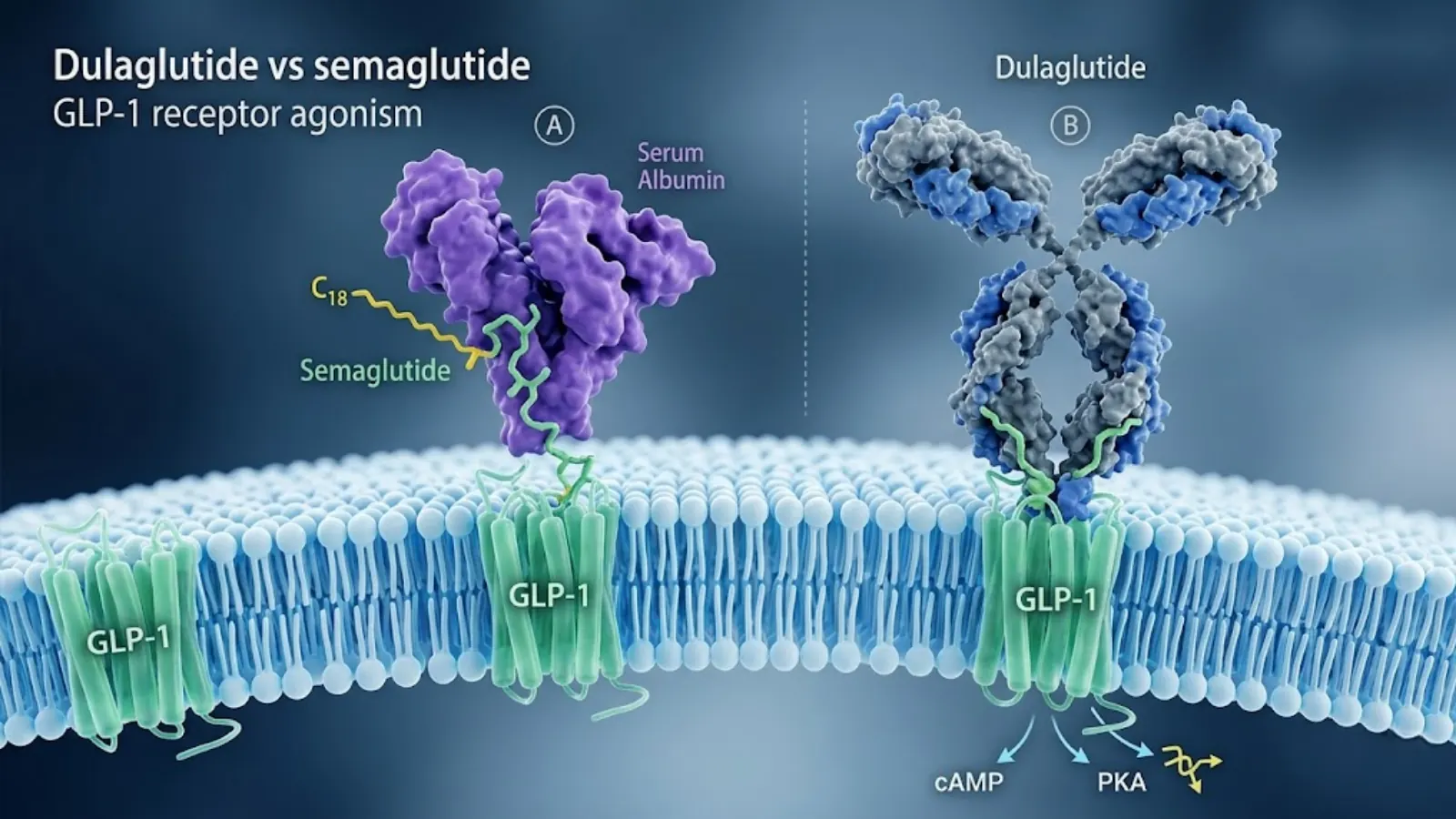
Fig 1: Cellular activation pathways: Semaglutide binding via albumin vs. Dulaglutide’s large IgG4 Fc fusion protein at the GLP-1 receptor.
When either semaglutide or dulaglutide enters systemic circulation, it targets the GLP-1 receptor (GLP-1R), a Class B G-protein-coupled receptor (GPCR) predominantly localized in the pancreatic beta cells, the central nervous system (CNS), and the gastrointestinal tract.
Upon binding to the extracellular domain of the GLP-1R, a conformational change triggers the activation of the stimulatory G-protein (Gs). This activation upregulates the enzyme adenylate cyclase, resulting in the intracellular accumulation of cyclic AMP (cAMP). Elevated cAMP subsequently activates Protein Kinase A (PKA) and Epac2 (Exchange Protein directly Activated by cAMP 2).
In the pancreatic beta cell, this biochemical cascade closes ATP-sensitive potassium channels (KATP), depolarizing the cell membrane and opening voltage-dependent calcium channels (VDCCs). The subsequent influx of Ca2+ triggers the exocytosis of insulin-containing granules. Crucially, this mechanism is strictly glucose-dependent. If blood glucose levels are euglycemic (normal), the insulinotropic effect is sharply blunted, severely reducing the risk of fatal hypoglycemia—a massive physiological advantage over traditional secretagogues like sulfonylureas.
Satiety Signaling and Delayed Gastric Emptying
While the pancreatic effects forcefully modulate blood sugar, the true metabolic reprogramming—and the intense interest from the biohacking community—stems from the extra-pancreatic effects of these peptides.
- Neurological Satiety: Both peptides cross the blood-brain barrier (BBB) to interact with GLP-1 receptors in the arcuate nucleus of the hypothalamus and the hindbrain. Here, they stimulate pro-opiomelanocortin (POMC) and cocaine-and amphetamine-regulated transcript (CART) neurons, which actively drive satiety, while simultaneously inhibiting agouti-related peptide (AgRP) and neuropeptide Y (NPY) neurons, which drive hunger.
- Gastric Emptying: Peripherally, GLP-1 receptor activation alters vagal nerve tone to the stomach. This drastically decelerates gastric emptying. The mechanical distension of the stomach remains longer, blunt-forcing the postprandial (post-meal) glycemic spike downward and sending sustained vagal afferent signals to the brain that caloric intake is sufficient.
4. Pharmacokinetics: Half-Life, Absorption, and Molecular Structure (B2B/Lab Focus)
The fundamental differences in the dulaglutide vs semaglutide analysis emerge when we examine their molecular blueprints. For biochemical synthesis labs and B2B wholesale environments, understanding these structures is paramount for quality control, HPLC (High-Performance Liquid Chromatography) testing, and proper lyophilized storage.
Structural Engineering for Extended Half-Life
Dulaglutide’s Architecture:
Dulaglutide is a massive molecule compared to endogenous GLP-1. It is a recombinant fusion protein. It consists of two identical, disulfide-linked chains. Each chain contains a modified GLP-1 analog sequence covalently fused to the Fc fragment of a human Immunoglobulin G4 (IgG4) heavy chain via a small peptide linker.
- DPP-4 Resistance: Amino acid substitutions at positions 8, 22, and 36 protect the GLP-1 moiety from DPP-4 enzymatic degradation.
- Size-Mediated Half-Life: By fusing the peptide to a large IgG4 Fc fragment, the molecular weight of dulaglutide swells to approximately 60 kDa (kilodaltons). This massive steric bulk actively prevents renal clearance (glomerular filtration), keeping the molecule circulating in the blood stream for days.
Semaglutide’s Architecture:
Semaglutide takes a completely different, highly elegant biochemical approach. It shares 94% structural homology with native human GLP-1 but utilizes specific amino acid substitutions and lipid conjugation.
- DPP-4 Resistance: Alanine at position 8 is replaced with α-aminoisobutyric acid (Aib), a synthetic, non-proteinogenic amino acid that renders the peptide bond virtually unrecognizable to the DPP-4 enzyme.
- Albumin Binding: The true genius of semaglutide lies at position 26. The lysine residue is acylated with a C18 fatty diacid chain via a hydrophilic spacer (a γGlu-PEG-like linker). Once injected, this C18 fatty acid acts like a molecular anchor, binding aggressively to human serum albumin in the bloodstream. Since albumin is too large to be filtered by the kidneys, the bound semaglutide is protected from renal clearance and enzymatic degradation, slowly dissociating into the plasma to activate GLP-1 receptors.
Bioavailability and Steady-State Plasma Concentrations
To clearly contrast these pharmacokinetic profiles, we can evaluate their clinical parameters in a standardized format.
| Pharmacokinetic Parameter | Dulaglutide (GLP-1 Fc Fusion) | Semaglutide (Lipidated GLP-1 Analog) |
|---|---|---|
| Molecular Weight | ~60,000 Daltons (60 kDa) | 4113.6 Daltons (4.1 kDa) |
| Primary Half-Life Extension | Large IgG4 Fc fusion preventing renal clearance | C18 fatty acid binding to serum albumin |
| Time to Peak Concentration (Tmax) | 24 to 72 hours post-subcutaneous injection | 24 to 36 hours post-subcutaneous injection |
| Elimination Half-Life (t1/2) | ~120 hours (approx. 5 days) | ~165 hours (approx. 7 days) |
| Steady-State Achievement | 2 to 4 weeks | 4 to 5 weeks |
| Primary Route of Excretion | Proteolytic degradation into component amino acids | Proteolytic cleavage and beta-oxidation of fatty acid |
Semaglutide’s extended half-life of 165 hours provides a tighter, more uniform steady-state plasma concentration over a 7-day period compared to dulaglutide’s 120-hour half-life. This pharmacokinetic superiority is the primary driver behind semaglutide’s unparalleled clinical efficacy in both HbA1c reduction and systemic fat oxidation.
5. Clinical Efficacy: Glycemic Control and Insulin Sensitivity
When evaluating the utility of these peptides—whether for managing severe metabolic syndrome or optimizing insulin sensitivity for athletic performance—the clinical data provides the ultimate verdict. Both peptides have undergone massive, multi-national, randomized controlled trials: the AWARD program for dulaglutide and the SUSTAIN program for subcutaneous semaglutide.
HbA1c Reduction Data (Clinical Benchmarks)
Hemoglobin A1c (HbA1c) represents a three-month rolling average of plasma glucose concentration. Lowering this metric is the gold standard for restoring metabolic homeostasis.
In direct, head-to-head clinical trial comparisons (such as the highly cited SUSTAIN 7 trial, which directly pitted once-weekly semaglutide against once-weekly dulaglutide), semaglutide consistently outperformed dulaglutide across all corresponding dosage tiers.
- Low Dose Comparison: Semaglutide at 0.5 mg generated an average HbA1c reduction of approximately 1.5%, whereas dulaglutide at 0.75 mg resulted in a 1.1% reduction.
- High Dose Comparison: Semaglutide at 1.0 mg pushed HbA1c down by an astonishing 1.8%, while dulaglutide at 1.5 mg achieved a 1.4% reduction.
- (Note: Later trials evaluating higher-dose dulaglutide [3.0 mg and 4.5 mg] did improve its isolated efficacy, but when matched against higher-dose semaglutide [2.4 mg Wegovy protocols], semaglutide still maintains a statistically significant lead.)
For the advanced biohacker tracking metabolic markers via continuous glucose monitors (CGMs), semaglutide typically yields a “flatter” glucose curve. The 165-hour half-life ensures that the suppression of postprandial glucose spikes remains robust even on day 6 or 7 prior to the next injection, whereas some dulaglutide subjects report slight glycemic variability tapering off toward the end of the weekly cycle.
Impact on Pancreatic Beta-Cell Function
Perhaps the most profoundly regenerative aspect of both incretin mimetics is their impact on the pancreas itself. Type 2 diabetes and advanced metabolic dysfunction are fundamentally characterized by beta-cell exhaustion and apoptosis (programmed cell death) due to chronic glucotoxicity and lipotoxicity.
In vitro and animal models strongly suggest that sustained GLP-1 receptor activation does not merely squeeze the pancreas for more insulin; it actually preserves beta-cell mass and promotes beta-cell proliferation. By severely mitigating the hyperglycemic burden, both dulaglutide and semaglutide allow the beta cells to rest and upregulate the expression of PDX-1 (Pancreatic and duodenal homeobox 1), a master transcription factor critical for beta-cell survival and insulin gene expression.
While both agents demonstrate this vital beta-cell protective effect, the superior glycemic normalization achieved by semaglutide mathematically dictates a more profound reduction in systemic glucotoxicity. Therefore, from a pure cellular longevity standpoint, semaglutide offers a marginally superior environment for pancreatic recovery and baseline metabolic repair.
6. Weight Management Outcomes: Which Offers Superior Fat Loss? (B2C Focus)
For the advanced biohacking community and patients battling severe obesity, the primary metric of interest rarely stops at glycemic control. The conversation invariably shifts to systemic lipolysis, appetite suppression, and the radical alteration of body composition. When evaluating dulaglutide vs semaglutide purely through the lens of weight management, the clinical divergence is stark and mathematically undeniable.
The Fat Loss Hierarchy: Trial Data Comparison
The architectural superiority of semaglutide—specifically its robust binding to human serum albumin via its C18 fatty diacid chain—translates to unparalleled suppression of caloric intake.
In the landmark STEP (Semaglutide Treatment Effect in People with obesity) clinical trial program, patients utilizing a 2.4 mg weekly subcutaneous dose of semaglutide achieved an average body weight reduction of approximately 15% to 18% over 68 weeks. A significant cohort of these subjects lost over 20% of their baseline body mass.
Conversely, dulaglutide, while highly effective for its primary indication of glycemic control, exhibits a much lower ceiling for total fat loss. In the AWARD trials, even at its higher titration thresholds (3.0 mg and 4.5 mg), patients typically experienced a 5% to 6% reduction in total body weight. While clinically meaningful for metabolic health, it does not approach the transformative body composition changes induced by semaglutide.
Metabolic Shifts and Body Composition
Beyond absolute scale weight, we must analyze what tissue is being catabolized. Dual-energy X-ray absorptiometry (DEXA) scan data from clinical subpopulations indicates that semaglutide drives a disproportionate reduction in visceral adipose tissue (VAT)—the highly inflammatory, metabolically active fat surrounding the internal organs—relative to subcutaneous fat.
From a biohacker’s perspective, during a dedicated “cutting” or fat-loss phase, the primary concern is the preservation of lean body mass (LBM). Extreme caloric deficits induced by semaglutide’s profound anorexigenic effect can lead to concurrent muscle catabolism. To mitigate this, advanced practitioners mandate high-protein nutritional protocols (frequently exceeding 1.2 grams of protein per pound of target body weight) alongside rigorous resistance training. When these variables are controlled, semaglutide functions as an unparalleled tool for aggressive body lipid reduction while sparing skeletal muscle tissue.
7. Cardiovascular and Renal Protective Benefits
Historically, the medical community viewed glucose-lowering agents purely as tools to prevent microvascular complications (like retinopathy or neuropathy). However, the modern incretin mimetic class exerts profound macroscopic organ protection. Both peptides exhibit pleiotropic effects—meaning their benefits extend far beyond their primary mechanism of action.
MACE (Major Adverse Cardiovascular Events) Reduction
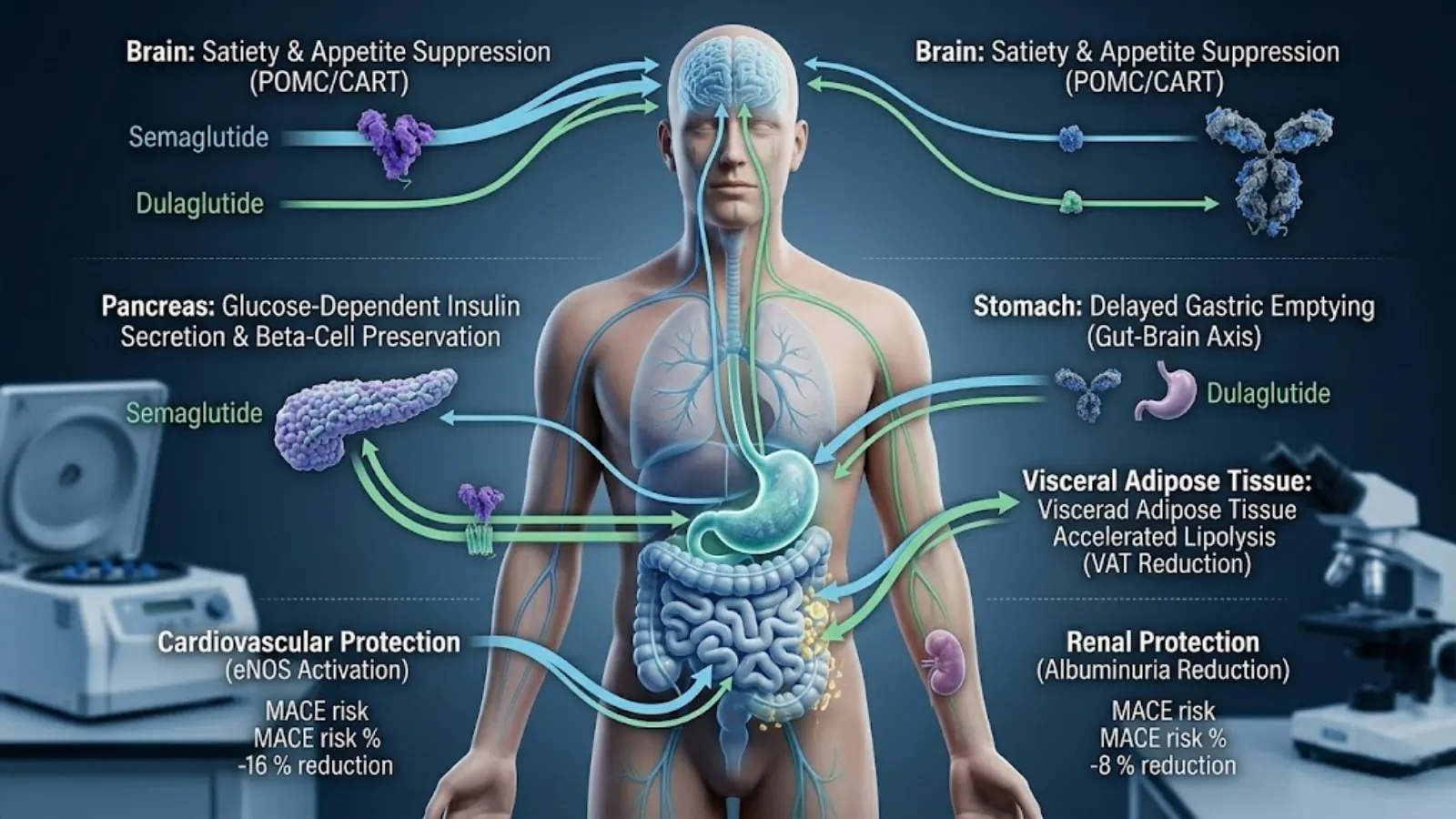
Fig 2: Systemic reprogramming map illustrating target tissues (Brain, Stomach, Pancreas, VAT) and cardioprotective outcomes of incretin mimetics.
The cardiovascular outcome trials (CVOTs) for both compounds have permanently altered cardiology guidelines.
- Dulaglutide (REWIND Trial): This trial was groundbreaking because it included a massive cohort of patients with multiple cardiovascular risk factors, not just those with established cardiovascular disease. Dulaglutide demonstrated a statistically significant 12% relative risk reduction in 3-point MACE (cardiovascular death, non-fatal myocardial infarction, or non-fatal stroke).
- Semaglutide (SUSTAIN 6 and SELECT Trials): Semaglutide has shown even more aggressive cardioprotection. The recent SELECT trial evaluated semaglutide 2.4 mg in patients with obesity and established cardiovascular disease without diabetes. It demonstrated a staggering 20% reduction in MACE.
The mechanism behind this cardioprotection is not entirely dependent on weight loss or HbA1c reduction. GLP-1 receptors are expressed directly on endothelial cells and smooth muscle cells within the vasculature. Activation of these receptors drives the upregulation of endothelial nitric oxide synthase (eNOS), promoting vasodilation, while simultaneously downregulating inflammatory cytokines (such as hsCRP) and stabilizing atherosclerotic plaques.
Kidney Function Preservation
Diabetic nephropathy is driven by chronic glomerular hypertension and glucotoxicity. Both dulaglutide and semaglutide demonstrate significant renal protective effects, primarily measured by a reduction in new-onset macroalbuminuria (the leakage of protein into the urine). By reducing systemic blood pressure, lowering systemic inflammation, and potentially modulating sodium excretion directly at the proximal tubule, these peptides drastically slow the decline of the estimated glomerular filtration rate (eGFR).
8. Dosing Protocols and Administration (Practical Application)
The pharmacokinetics of these compounds necessitate strict adherence to titration schedules to mitigate adverse physiological responses, primarily driven by the central nervous system’s reaction to delayed gastric emptying.
Standard Clinical Titration Schedules
Both compounds are administered via subcutaneous injection once every 7 days. Because of their extended half-lives, injecting a maximum therapeutic dose immediately would result in severe, incapacitating nausea and emesis. The goal is to allow the body to reach a steady-state plasma concentration gradually.
| Week(s) | Dulaglutide Protocol (Trulicity®) | Semaglutide Protocol (Wegovy® / Off-Label) |
|---|---|---|
| Weeks 1-4 | 0.75 mg weekly | 0.25 mg weekly |
| Weeks 5-8 | 1.5 mg weekly (Maintenance for many) | 0.5 mg weekly |
| Weeks 9-12 | 3.0 mg weekly (If further HbA1c control needed) | 1.0 mg weekly |
| Weeks 13-16 | 4.5 mg weekly (Maximum clinical dose) | 1.7 mg weekly |
| Weeks 17+ | 4.5 mg weekly | 2.4 mg weekly (Maximum clinical dose) |
Advanced “Micro-Dosing” Strategies for Biohackers
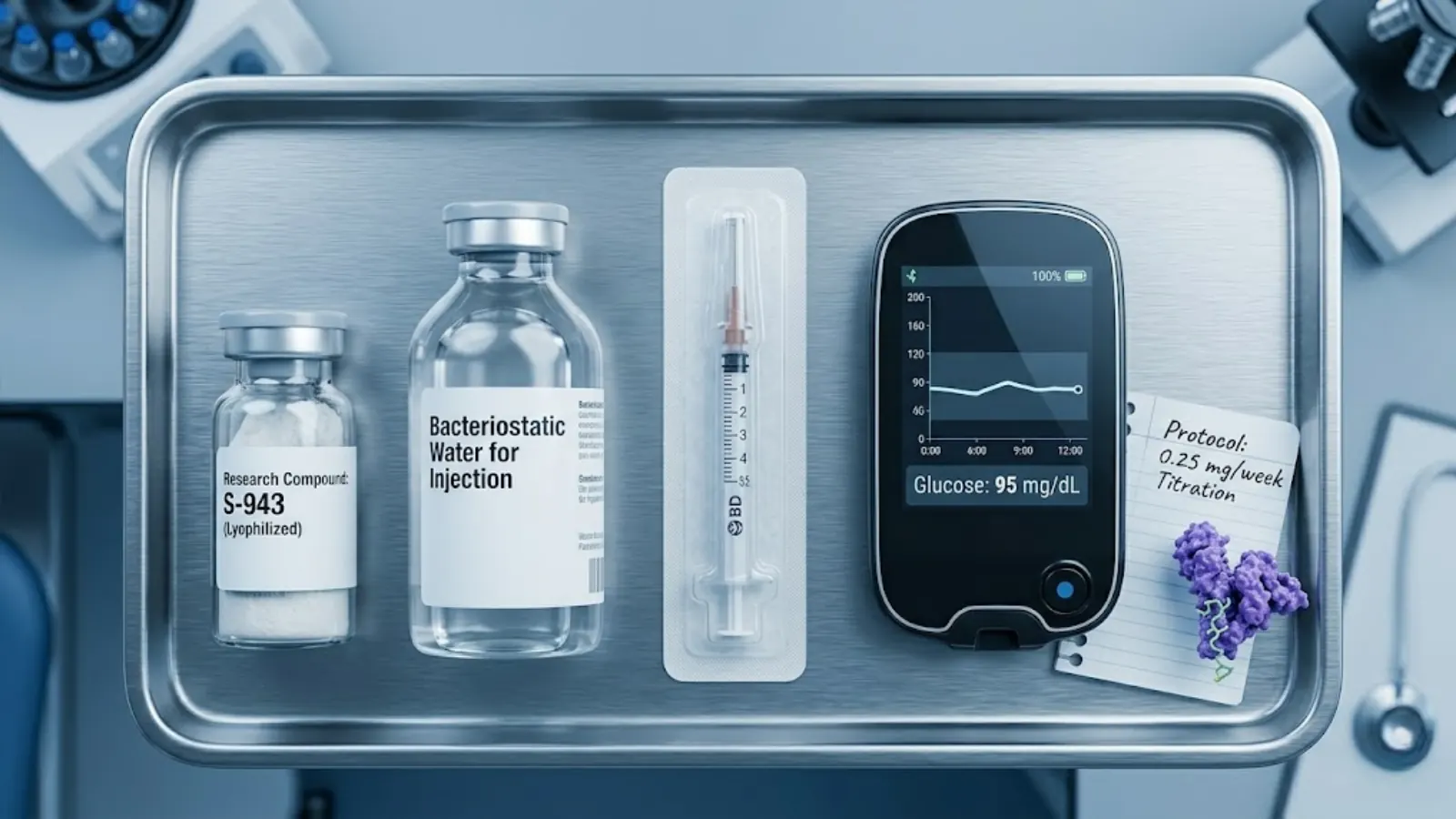
Fig 3: A standard biohacking setup featuring research compound vials, bacteriostatic water, administration tools, and continuous glucose monitoring.
Within the advanced biohacking and longevity optimization communities, the goal is often not to achieve maximum weight loss, but rather to optimize insulin sensitivity, reduce systemic inflammation, and establish a moderate caloric deficit without crushing the appetite entirely (which would inhibit hypertrophy training).
Consequently, “micro-dosing” protocols have emerged. Instead of scaling up to the 2.4 mg semaglutide ceiling, many biohackers maintain a chronic, low dose of 0.25 mg to 0.5 mg weekly. Alternatively, some utilize split-dosing (e.g., 0.125 mg every 3.5 days) to flatten the peak-to-trough plasma concentration curve, theoretically minimizing the acute nausea associated with the Cmax (peak concentration) of a single weekly bolus.
Administration Best Practices: Subcutaneous injections should be rotated meticulously between the periumbilical region (abdomen), the anterior thigh, or the outer upper arm to prevent lipohypertrophy (localized accumulation of fat and scar tissue).
9. Tolerability, Side Effects, and Safety Profiles
The efficacy of GLP-1 receptor agonists is inherently tied to their primary side effects. The precise mechanisms that drive satiety are the same mechanisms that induce gastrointestinal distress.
Navigating Gastrointestinal Distress
The most frequently reported adverse events for both compounds are nausea, vomiting, diarrhea, and constipation. These are intrinsically linked to the vagal nerve modulation that delays gastric emptying.
When evaluating dulaglutide vs semaglutide for tolerability, clinical anecdotes and trial discontinuation rates suggest that dulaglutide is often perceived as “gentler” during the initial onboarding phase. The staggering potency of semaglutide’s central anorexigenic signaling can be highly disruptive for sensitive individuals. However, for both compounds, these GI effects are generally transient, peaking during dose escalation and subsiding as the body acclimatizes to the steady-state peptide levels.
Mitigation Strategies and Supplements
Advanced practitioners utilize specific protocols to mitigate GI distress:
- Volume Control: Transitioning to high-frequency, ultra-low-volume meals prevents physical gastric distension, which triggers nausea when the stomach empties slowly.
- Digestive Support: The use of exogenous digestive enzymes (lipases, proteases, amylases) and betaine HCl can assist in breaking down food matter that is sitting longer in the gastric chamber.
- Hydration and Motility: Because delayed gastric emptying can lead to severe constipation, aggressive hydration protocols combined with magnesium citrate or osmotic laxatives are frequently deployed to maintain bowel motility.
Contraindications and Long-Term Safety
Both dulaglutide and semaglutide carry a critical FDA Black Box Warning regarding thyroid C-cell tumors. In rodent models (rats and mice), GLP-1 receptor agonists have been shown to cause medullary thyroid carcinoma (MTC). While the relevance of this specific pathway in human physiology remains uncertain (humans have significantly fewer GLP-1 receptors on thyroid C-cells than rodents), these peptides are strictly contraindicated in individuals with a personal or family history of MTC or Multiple Endocrine Neoplasia syndrome type 2 (MEN 2).
Additionally, due to the stimulation of the pancreas, there is a low but documented risk of acute pancreatitis.
10. Sourcing, Purity, and Laboratory Considerations (B2B/Wholesale Focus)
For B2B entities, laboratory researchers, and compounding facilities, the sourcing and verification of raw Active Pharmaceutical Ingredients (APIs) is the most critical juncture of the process. Purchasing lyophilized (freeze-dried) peptides requires stringent analytical chemistry protocols to ensure safety and experimental validity.
The Importance of Third-Party COAs and HPLC Testing
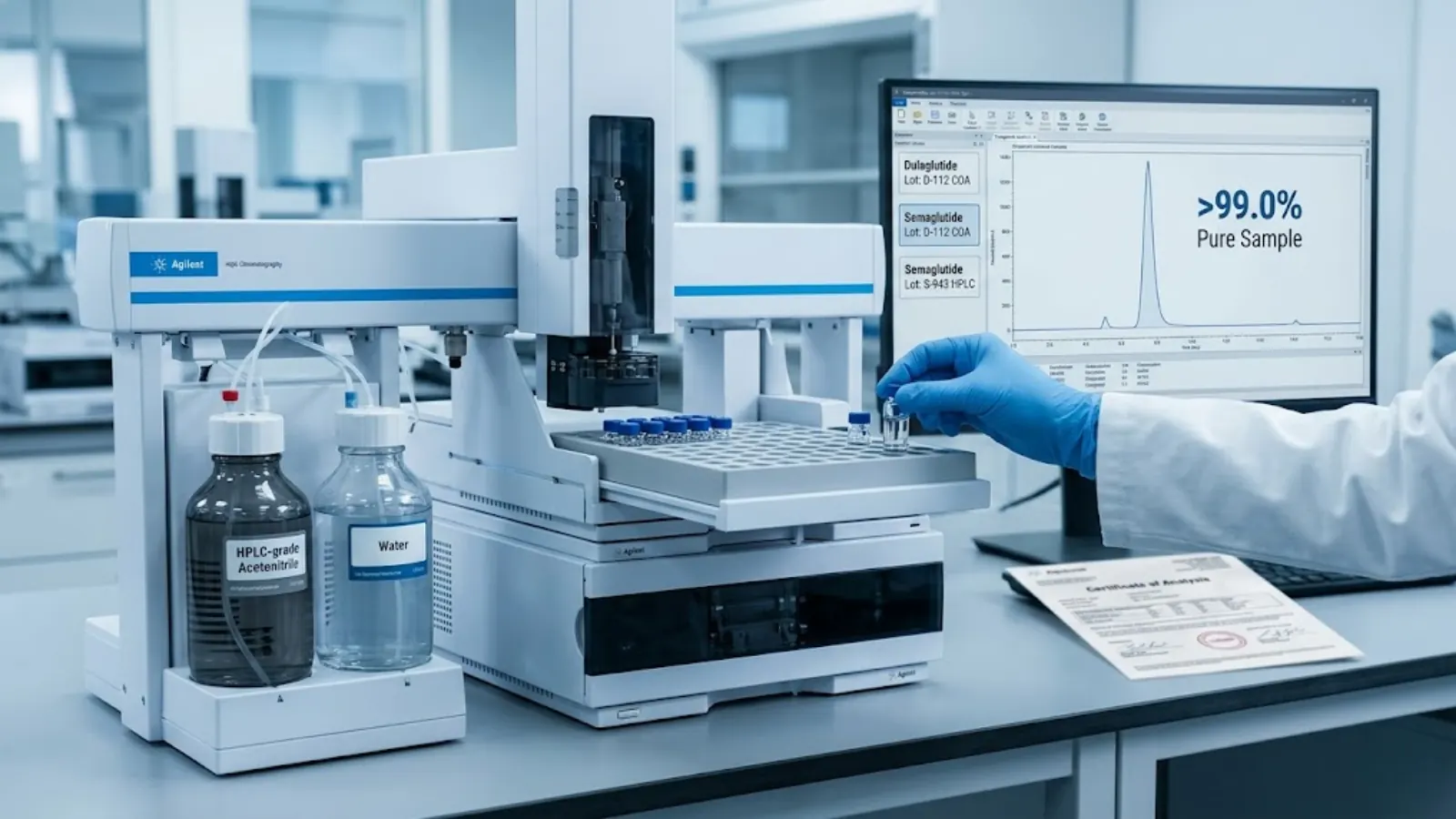
Fig 4: Verifying compound purity in a professional lab using High-Performance Liquid Chromatography (HPLC) showing >99.0% sample purity.
Research-grade semaglutide and dulaglutide are synthesized via Solid-Phase Peptide Synthesis (SPPS) or recombinant DNA technology. During SPPS, truncated peptide sequences and amino acid deletions naturally occur, creating impurities.
A legitimate laboratory must demand a third-party Certificate of Analysis (COA) that includes two vital analytical metrics:
- High-Performance Liquid Chromatography (HPLC): This verifies the purity of the sample. For highly sensitive in vitro or in vivo research, an HPLC purity of >99.0% is the standard. The chromatogram should show a single, sharp, dominant peak.
- Mass Spectrometry (MS): This verifies the exact molecular weight, ensuring the lab actually received semaglutide (4.1 kDa) or dulaglutide (~60 kDa), and not a mislabeled, cheaper sequence.
Furthermore, laboratories must screen for Trifluoroacetic acid (TFA) salts. TFA is a toxic, harsh acid used during the cleavage phase of peptide synthesis. While acceptable in trace amounts for rudimentary in vitro cellular assays, high TFA content is cytotoxic and highly inflammatory in mammalian models. Premium wholesale suppliers will subject the peptide to an acetate or chloride salt exchange process to remove the TFA.
Lyophilized Peptides vs. Branded Pre-Filled Pens
While clinical settings utilize pre-filled, buffered autoinjector pens (Trulicity®, Wegovy®), laboratories deal in raw lyophilized pucks.
- Storage: In their lyophilized state, these peptides should be stored at -20°C (freezer) away from UV light, where they remain highly stable for 24 to 36 months.
- Reconstitution: Once reconstituted with Bacteriostatic Water (which contains 0.9% benzyl alcohol to prevent bacterial growth), the covalent bonds of the peptide become highly susceptible to hydrolysis and mechanical shearing. Reconstituted solutions must be kept refrigerated at 2°C to 8°C and should generally be utilized within 28 to 30 days before degradation begins to compromise the structural integrity of the active molecule.
11. Frequently Asked Questions (GEO Long-Tail Targeting)
To capture specific search intents and AI generative summaries, here are direct answers to the most common clinical and laboratory inquiries regarding these compounds.
Can I switch directly from dulaglutide to semaglutide?
Yes, under medical supervision, transitioning between GLP-1 agonists is common. Typically, if a patient is on a maintenance dose of dulaglutide but requires superior weight loss, a practitioner will discontinue the dulaglutide and initiate semaglutide at a low to moderate titration dose (e.g., 0.25 mg or 0.5 mg) the following week to avoid compounding the half-lives and inducing severe gastrointestinal distress.
Does dulaglutide or semaglutide cause more muscle loss?
Semaglutide generally results in a higher absolute loss of lean muscle mass strictly because it drives a vastly superior total weight loss compared to dulaglutide. The muscle catabolism is not a direct toxic effect of the peptide, but rather a physiological consequence of the profound, semaglutide-induced caloric deficit. This must be counteracted with high-protein intake and resistance training. Researchers also occasionally investigate stacking metabolic agents with tissue-healing peptides like BPC-157 or TB-500 to explore recovery support during caloric deficits.
Which GLP-1 agonist has a longer half-life?
Semaglutide has a significantly longer biological half-life of approximately 165 hours (roughly 7 days), largely due to its C18 fatty acid chain binding to serum albumin. Dulaglutide has a half-life of approximately 120 hours (roughly 5 days), relying on its large IgG4 Fc fusion structure to delay renal clearance.
Can these peptides be stacked with other metabolic agents?
In advanced research and biohacking protocols, GLP-1 agonists are frequently investigated in conjunction with other metabolic agents. Notably, the industry is moving toward dual-agonists (like Tirzepatide, which combines GLP-1 and GIP receptor activation) and triple-agonists (adding Glucagon receptor agonism, like Retatrutide) to synergistically enhance lipolysis and energy expenditure beyond what a solitary GLP-1 pathway can achieve.
12. Key Takeaways: Making the Data-Driven Choice
The debate of dulaglutide vs semaglutide ultimately resolves into a question of therapeutic goals and individual tolerability. Both compounds are masterclasses in biochemical engineering, fundamentally altering how we approach metabolic syndrome, lipotoxicity, and body composition optimization.
- For Maximum Efficacy: Semaglutide is objectively the superior compound for aggressive weight management, deep visceral fat reduction, and absolute HbA1c lowering. Its 165-hour half-life provides a tighter steady-state plasma concentration, resulting in unmatched appetite suppression.
- For Tolerability and Glycemic Baseline: Dulaglutide remains a highly potent, clinically validated option. For individuals or research models highly sensitive to the profound gastrointestinal slowing of semaglutide, dulaglutide offers excellent glycemic control and robust cardiovascular protection with a potentially softer initial physiological impact.
- Mechanism Over Magic: Neither peptide defies thermodynamics. They are incredibly powerful tools that force a reduction in energy intake while optimizing insulin signaling. To maintain the profound metabolic shifts they induce, they must be paired with permanent alterations in nutritional biochemistry and mechanical muscle loading.