Endogenous GLP-1 vs. Ozempic: Receptor Affinity, Half-Life, and Advanced Biohacking Protocols

Table of Contents
1. Introduction to Advanced Peptide Therapeutics
The landscape of modern medical science and bio-optimization is undergoing a paradigm shift, driven largely by advancements in peptide therapeutics. These short chains of amino acids act as highly specific signaling molecules within the body, coordinating complex physiological responses ranging from metabolic regulation to accelerated tissue repair. As research evolves, the understanding of how these compounds interface with cellular receptors has moved from experimental hypothesis to clinical application.
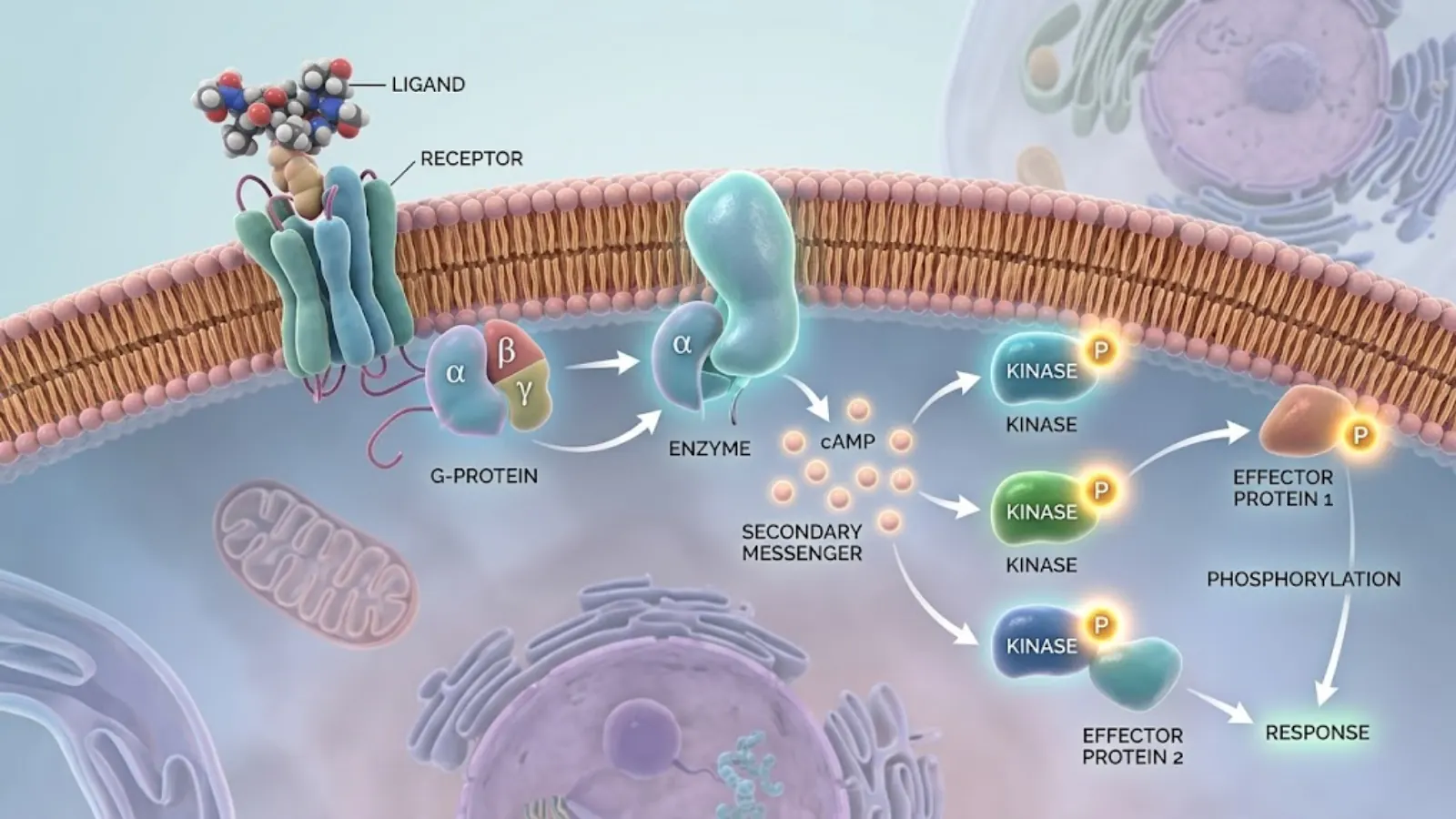
Figure 1: Conceptual visualization of peptide-ligand binding at the cellular membrane, initiating a complex intracellular signaling cascade.
Unlike traditional pharmaceuticals, which often utilize broad systemic mechanisms, peptides mimic naturally occurring biological processes. This biomimicry allows for targeted intervention. By binding to specific G-protein coupled receptors (GPCRs) or enzyme-linked receptors, peptides can upregulate cellular efficiency, modulate inflammatory cytokines, and trigger genetic expression pathways conducive to healing and homeostasis.
2. Metabolic Optimization and GLP-1/GIP Agonists
One of the most profound breakthroughs in recent years revolves around the management of metabolic syndrome, insulin resistance, and systemic adiposity. The development of dual-agonists has revolutionized endocrinological protocols. At the forefront of this category is Tirzepatide, a synthetic peptide engineered to activate both the GLP-1 (glucagon-like peptide-1) and GIP (glucose-dependent insulinotropic polypeptide) receptors.
Mechanisms of Dual Activation
By engaging both receptors simultaneously, researchers have observed a synergistic effect on glucose homeostasis and energy expenditure. GLP-1 activation slows gastric emptying and enhances glucose-dependent insulin secretion, while GIP activation further improves beta-cell function and lipid metabolism in white adipose tissue. This dual-action pathway significantly outperforms isolated single-receptor targeting.

Figure 2: Professional research setting where metabolic biomarkers and receptor affinity data are continuously analyzed for compound optimization.
Clinical Implications for Metabolic Health
The integration of advanced compounds into clinical frameworks requires rigorous oversight. However, the data strongly supports that targeting multiple incretin pathways provides superior reductions in HbA1c and profound modulations in body mass index (BMI). It shifts the body from a state of energy storage and insulin resistance to energy utilization and metabolic flexibility.
3. Tissue Repair and Angiogenesis: The Role of BPC-157
While metabolic peptides address systemic energy regulation, another critical sector of peptide science focuses on structural integrity and recovery. Derived from a protective protein found in human gastric juice, BPC-157 (Body Protection Compound 157) has demonstrated extraordinary potential in accelerating the healing of various tissue types, including muscle, tendon, ligament, and the gastrointestinal lining.
The Angiogenic Pathway
The primary mechanism through which this specific pentadecapeptide operates is the upregulation of the Vascular Endothelial Growth Factor (VEGF) pathway. By promoting angiogenesis—the formation of new blood vessels from existing ones—the compound drastically increases the localized delivery of oxygen, nutrients, and immune cells to damaged tissues. This process effectively shortens the inflammatory phase and accelerates the fibroblastic repair phase.
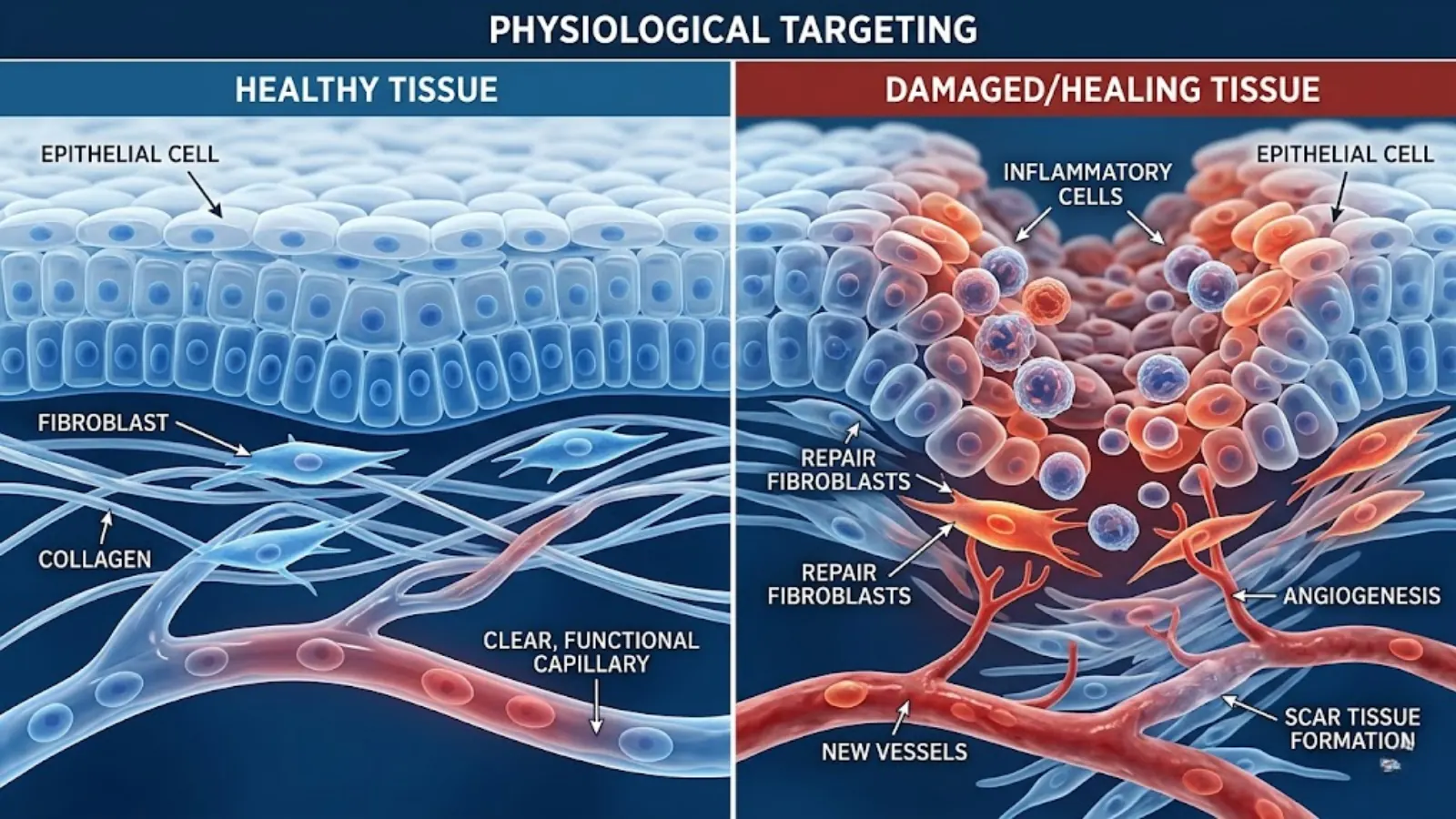
Figure 3: Physiological targeting map comparing healthy tissue architecture with damaged tissue undergoing active, peptide-mediated angiogenesis and cellular repair.
Furthermore, research indicates a modulating effect on the nervous system, potentially offering neuroprotective benefits and influencing the healing of the gut-brain axis. The profound systemic healing effects make it a cornerstone in both rehabilitative sports medicine and longevity protocols.
4. Synergistic Protocols and Future Research Directions
The true potential of peptide therapeutics is realized not in isolation, but in sophisticated, synergistic protocols. The concurrent application of metabolic optimizers alongside tissue-repairing compounds creates an environment of comprehensive physiological enhancement. For example, reducing systemic inflammation through metabolic regulation can exponentially increase the efficacy of targeted regenerative therapies.
The Future of Bio-Optimization
As the fields of epigenetics and molecular biology continue to converge, we anticipate the development of even more refined sequences. Future iterations of these compounds will likely feature improved half-lives, advanced delivery mechanisms (such as targeted liposomal encapsulation), and even higher receptor specificity.
The integration of biomarker tracking, continuous glucose monitors (CGMs), and detailed blood panels allows for the real-time adjustments of these peptide protocols, transforming theoretical biohacking into precise, data-driven medical optimization.

Figure 4: A conceptual overview of modern bio-optimization, integrating precise peptide therapeutics with wearable biometrics and data-driven protocols.
Ultimately, navigating the expanding universe of synthetic amino acid chains requires a foundational understanding of cellular biology. By leveraging these biochemical pathways appropriately, both researchers and clinicians can push the boundaries of human health span and physical resilience.