
GHRP-2 vs. CJC-1295: Comparing Pharmacokinetics, Lab Purity, and Advanced Biohacking Protocols

Disclaimer: The following comprehensive analysis is provided strictly for educational purposes and laboratory research use only. The peptides discussed herein are not FDA-approved for human consumption or therapeutic use. The data presented is intended for in vitro research, analytical profiling, and advanced biochemical education.
GHRP-2 vs. CJC-1295: Comparing Pharmacokinetics, Lab Purity, and Advanced Biohacking Protocols
Over the last decade, the landscape of cellular recovery, metabolic research, and advanced longevity protocols has undergone a paradigm shift. Researchers and advanced biohackers are pivoting away from exogenous human growth hormone (hGH) administration—which invariably suppresses endogenous production through negative feedback loops—and toward highly specific growth hormone secretagogues (GHS). At the absolute forefront of this neuroendocrine research are two distinct yet highly synergistic compounds: GHRP-2 and CJC-1295.
While both peptides ultimately drive the pituitary gland to secrete human growth hormone, their biochemical pathways, binding affinities, and pharmacokinetic profiles are vastly different. Understanding the precise molecular divergence between these two compounds is the crucial first step for laboratory synthesis, in vitro assays, and advanced physiological modeling.
Quick Answer / Summary
When evaluating ghrp-2 vs cjc-1295, the primary difference lies in their mechanism of action. CJC-1295 is a Growth Hormone-Releasing Hormone (GHRH) analog that amplifies the natural pulse of growth hormone, while GHRP-2 is a ghrelin mimetic that stimulates the pituitary gland to release a massive surge of GH. Stacking them creates a highly synergistic, amplified response utilized in clinical research and advanced recovery protocols.
Table of Contents
- 1. Understanding Growth Hormone Secretagogues: The Basics
- 2. Mechanisms of Action: How They Stimulate GH Release
- 3. Pharmacokinetics and Half-Lives
- 4. Laboratory Research and Synthesis: Purity and Stability
- 5. Clinical Data and Receptor Affinity In Vitro
- 6. Advanced Biohacking Protocols: Stacking GHRP-2 and CJC-1295
- 7. Healing Outcomes and Performance Benefits
- 8. Safety Profile, Side Effects, and Contraindications
- 9. Sourcing and Wholesale: Where to Buy High-Purity Peptides
- 10. Frequently Asked Questions (FAQs)
- 11. Key Takeaways
Understanding Growth Hormone Secretagogues: The Basics
Before dissecting their independent properties, it is vital to establish the biochemical rationale behind utilizing growth hormone secretagogues. Exogenous hGH administration introduces a massive, artificial influx of somatotropin into the bloodstream. The hypothalamus detects this systemic overload and immediately halts natural secretion by upregulating somatostatin (the “off-switch” hormone). Secretagogues, conversely, act as biological signaling keys, prompting the anterior pituitary to manufacture and release its own endogenous reserves, thereby preserving the integrity of the hypothalamic-pituitary-somatotropic axis.
What is GHRP-2 (Pralmorelin)?
GHRP-2 (Growth Hormone Releasing Peptide-2), scientifically designated as Pralmorelin, is a synthetic, first-generation hexapeptide. Structurally, it consists of a highly precise sequence of six amino acids (D-Ala-D-2-Nal-Ala-Trp-D-Phe-Lys-NH2).
Unlike endogenous growth hormone-releasing hormone, GHRP-2 acts as a potent ghrelin receptor agonist. Ghrelin is an enteric hormone, primarily secreted by the stomach lining, famously known as the “hunger hormone.” However, beyond appetite stimulation, ghrelin receptors are heavily concentrated in the hypothalamus and pituitary gland. By agonizing these specific receptors, GHRP-2 bypasses the traditional GHRH pathway and artificially induces a robust, acute, and dose-dependent spike in endogenous growth hormone release.
What is CJC-1295?
CJC-1295 represents a masterclass in peptide engineering. It is a synthetic analog of endogenous Growth Hormone-Releasing Hormone (GHRH). Endogenous GHRH has a remarkably short half-life of roughly 7 minutes in human blood plasma, as it is rapidly cleaved and deactivated by the enzyme dipeptidyl peptidase-4 (DPP-IV).
To create CJC-1295, biochemists took the first 29 amino acids of GHRH (known as GRF 1-29) and made four critical amino acid substitutions to prevent enzymatic degradation. This structure is properly termed Modified GRF 1-29, though it is colloquially known in research communities as CJC-1295 No DAC.
The nomenclature often creates confusion, so a strict delineation is required:
- CJC-1295 No DAC (Modified GRF 1-29): Features the four amino acid substitutions that resist DPP-IV cleavage, extending the half-life to roughly 30 minutes. It preserves the natural, physiological pulsatile release of GH.
- CJC-1295 with DAC: The addition of a Drug Affinity Complex (a maleimidopropionic acid linker) allows the peptide to covalently bind to endogenous serum albumin after injection. This massive bioconjugation extends its half-life to 5 to 8 days, leading to a continuous “bleed” of growth hormone rather than a physiological pulse.
Mechanisms of Action: How They Stimulate GH Release
To truly appreciate the necessity of comparing these compounds, one must look at the intracellular signaling cascades they initiate upon binding to their respective G-protein coupled receptors (GPCRs) on the somatotrophs of the anterior pituitary.
GHRP-2 as a Ghrelin Mimetic
GHRP-2 exerts its influence by binding to the Growth Hormone Secretagogue Receptor type 1a (GHSR-1a). When GHRP-2 docks with this receptor, it triggers a cascade completely distinct from the natural GHRH pathway.
The binding activates phospholipase C (PLC) at the cell membrane, which cleaves phosphatidylinositol 4,5-bisphosphate (PIP2) into two secondary messengers: diacylglycerol (DAG) and inositol triphosphate (IP3). The IP3 migrates to the endoplasmic reticulum, prompting an immediate and massive efflux of stored intracellular calcium ions (Ca²⁺). This sudden spike in intracellular calcium forces the immediate exocytosis (release) of pre-packaged growth hormone vesicles into the bloodstream.
Furthermore, GHRP-2 actively antagonizes somatostatin tone at the pituitary level. This means it simultaneously presses the biochemical “gas pedal” while lifting the foot off the “brake.”
CJC-1295 as a GHRH Analog
CJC-1295 (No DAC) binds directly to the Growth Hormone-Releasing Hormone Receptor (GHRHR). This binding activates adenylate cyclase, resulting in the intracellular accumulation of cyclic adenosine monophosphate (cAMP).
Elevated cAMP activates Protein Kinase A (PKA), which goes on to phosphorylate the transcription factor CREB (cAMP response element-binding protein). This specific intracellular pathway does not just force the release of existing GH vesicles; it actively upregulates the genetic transcription and de novo synthesis of new growth hormone molecules within the somatotroph.
Crucially, CJC-1295 relies entirely on the natural somatostatin rhythm. It does not initiate a GH pulse on its own; rather, when the body naturally drops somatostatin levels to release GH, CJC-1295 drastically amplifies the amplitude (size) of that natural pulse.
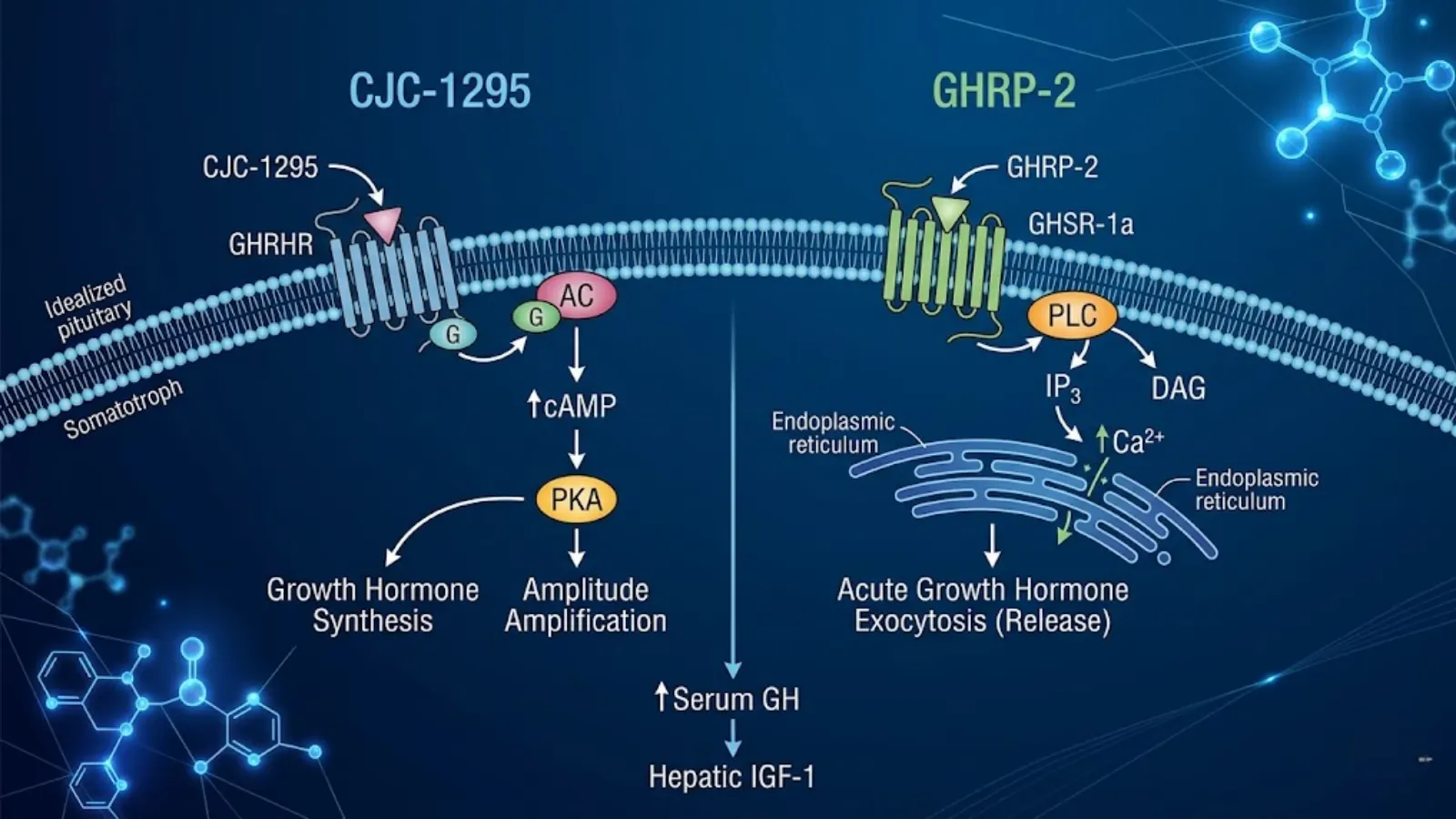
Fig 1: Cellular membrane binding and intracellular signaling cascades of CJC-1295 (GHRH analog) vs. GHRP-2 (Ghrelin mimetic) in pituitary somatotrophs.
GHRP-2 vs CJC-1295: Comparing Pharmacokinetics and Half-Lives
For researchers analyzing in vivo biodistribution or advanced biohackers optimizing their administration timing, understanding the pharmacokinetic profiles of these two compounds is paramount.
Absorption and Bioavailability
Both compounds are synthesized as highly fragile lyophilized powders, requiring reconstitution in bacteriostatic water. Upon subcutaneous injection, both peptides display rapid absorption kinetics, crossing the capillary endothelium into systemic circulation within minutes. However, because they target different receptors and initiate different secondary messenger cascades, their onset of action and clearance rates diverge significantly.
Half-Life Breakdown
- GHRP-2: Exhibits an ultra-short biological half-life ranging between 15 to 60 minutes. Peak serum GH concentrations are typically observed roughly 15 to 30 minutes post-administration. Because of its rapid clearance, it induces an immediate, massive, but short-lived spike in somatotropin.
- CJC-1295 No DAC (Mod GRF 1-29): The tetra-substituted design protects it from DPP-IV, granting it a half-life of approximately 30 minutes. This allows sufficient time for the peptide to circulate, locate GHRH receptors, and amplify the next natural physiological GH pulse before being cleared by the liver and kidneys.
- CJC-1295 with DAC: Due to its covalent bond with serum albumin—a massive transport protein—its renal clearance is dramatically slowed. It boasts a half-life of roughly 5 to 8 days (120-192 hours), leading to chronically elevated baseline IGF-1 levels.
| Pharmacokinetic Property | GHRP-2 (Pralmorelin) | CJC-1295 No DAC | CJC-1295 with DAC |
|---|---|---|---|
| Molecular Structure | Hexapeptide (6 Amino Acids) | Tetra-substituted 29 Amino Acids | 29 Amino Acids + Albumin Linker |
| Target Receptor | GHSR-1a (Ghrelin Receptor) | GHRHR (GHRH Receptor) | GHRHR (GHRH Receptor) |
| Enzymatic Resistance | High | High (DPP-IV resistant) | Extreme (Albumin bound) |
| Terminal Half-Life | ~15 – 60 Minutes | ~30 Minutes | 5 – 8 Days |
| GH Release Profile | Acute, massive, non-pulsatile | Natural pulsatile amplification | Chronic baseline elevation (bleed) |
Laboratory Research and Synthesis: Purity and Stability
The efficacy of any in vitro or in vivo peptide research is fundamentally dictated by the chemical integrity of the compound. In the context of examining ghrp-2 vs cjc-1295, researchers must adhere to stringent analytical chemistry protocols to ensure data validity.
HPLC Purity Testing and Peptide Degradation Rates
The synthesis of highly complex 29-amino acid chains like CJC-1295 is prone to sequence truncations, deletions, and the retention of toxic solvents. Reputable laboratories utilize High-Performance Liquid Chromatography (HPLC) coupled with Mass Spectrometry (LC-MS) to verify molecular weight and isolate the target peptide from synthetic impurities.
A high-grade peptide should demonstrate an HPLC purity of >99%. During the synthesis process, trifluoroacetic acid (TFA) is routinely used to cleave the peptide from the synthesis resin. High concentrations of residual TFA are cytotoxic to human cells in tissue cultures. Therefore, advanced purification steps, such as counter-ion exchange, are often required to replace TFA with biocompatible acetate salts.
GHRP-2, being a much smaller hexapeptide, is inherently easier to synthesize with high yields, but it remains highly susceptible to oxidative stress and hydrolysis if improperly handled.
Proper Reconstitution and Storage Protocols
Peptides are shipped as freeze-dried (lyophilized) pucks to maintain chemical stability. The absence of moisture prevents the hydrolysis of the delicate peptide bonds. Reconstitution requires the introduction of Bacteriostatic Water (sterile water containing 0.9% benzyl alcohol as an antimicrobial preservative).
Once the lyophilized powder is introduced to an aqueous environment, the molecular “clock” begins ticking on peptide degradation. The covalent bonds become immediately susceptible to thermal agitation, enzymatic breakdown, and mechanical shearing (which is why researchers must never vigorously shake a reconstituted peptide vial, but rather gently swirl it).
| State of Peptide | Temperature Requirement | Estimated Shelf Life | Mechanical Handling |
|---|---|---|---|
| Lyophilized (Powder) | -20°C (Deep Freeze) | Up to 24 Months | Stable |
| Lyophilized (Powder) | 2°C to 8°C (Refrigerated) | 12 to 18 Months | Stable |
| Lyophilized (Powder) | 20°C to 25°C (Room Temp) | 30 to 60 Days | Avoid excess heat/light |
| Reconstituted (Liquid) | 2°C to 8°C (Refrigerated) | 21 to 30 Days | Fragile; do not shake |
| Reconstituted (Liquid) | Room Temp | < 48 Hours | Rapid degradation expected |
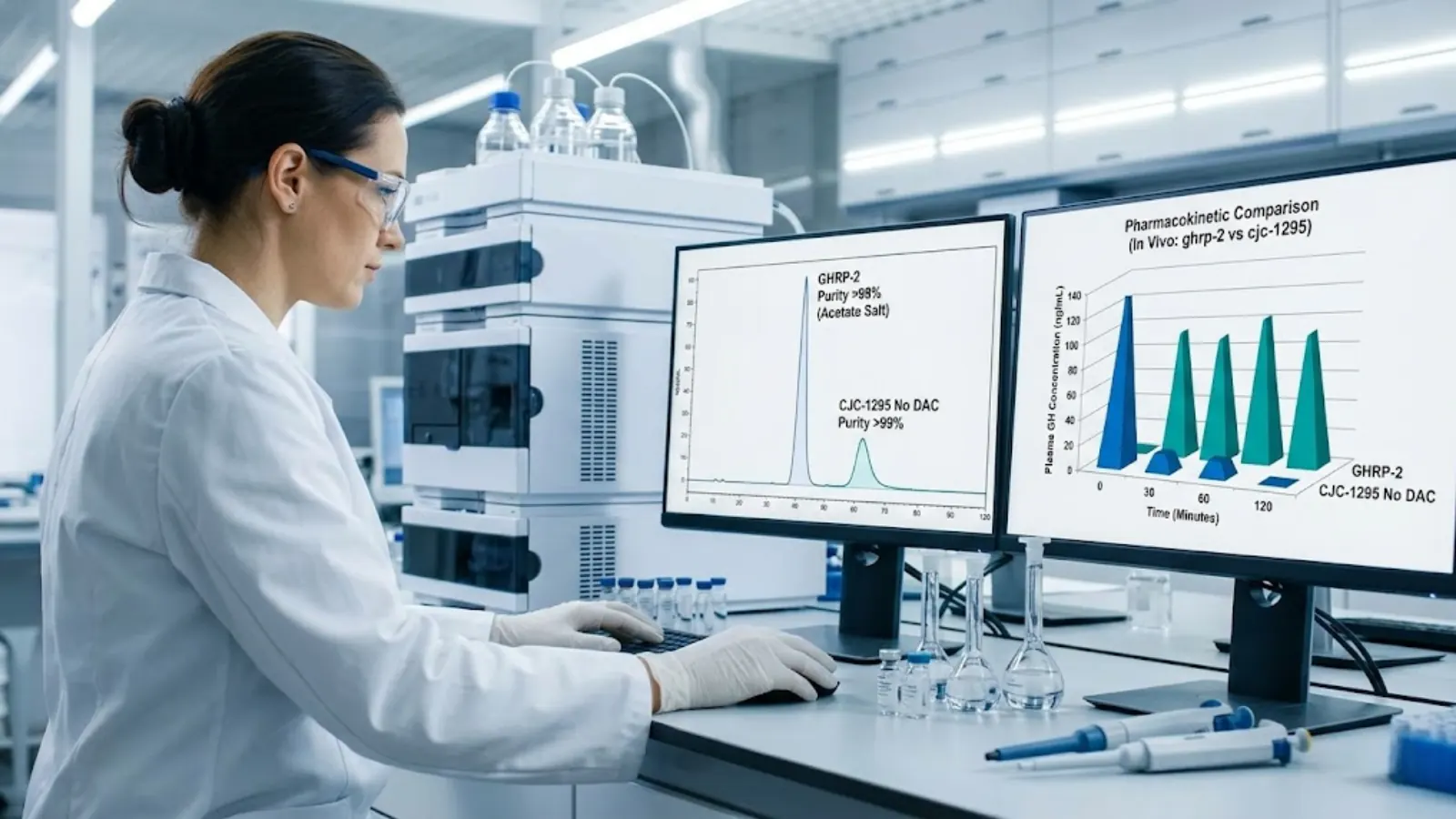
Fig 2: Analytical validation requires stringent HPLC purity testing (>99%) to confirm molecular weight and eliminate cytotoxic residual solvents like TFA.
Clinical Data and Receptor Affinity In Vitro
Moving from molecular structure to observable clinical data requires an examination of how these peptides perform in controlled environments. By isolating anterior pituitary cell cultures in vitro, researchers have mapped the precise receptor affinities and downstream metabolic cascades triggered by these compounds.
Pituitary Cell Culture Interactions
When isolated somatotrophs (the pituitary cells responsible for synthesizing and secreting growth hormone) are exposed to GHRP-2, researchers observe a rapid, transient depolarization of the cell membrane. The binding affinity (Ki) of GHRP-2 to the GHSR-1a receptor is exceptionally high, which explains its potency even at microgram dosages. In tissue cultures, the introduction of GHRP-2 results in a near-immediate, massive dumping of stored growth hormone vesicles into the extracellular fluid.
Conversely, when CJC-1295 No DAC is introduced to these same cell cultures, the reaction is less volatile but more sustained. Binding to the GHRH receptor triggers the accumulation of intracellular cyclic AMP (cAMP). Rather than simply dumping stored vesicles, CJC-1295 promotes the continuous transcription of the GH1 gene, effectively upregulating the factory’s production line.
Metabolic Regulation and IGF-1 Elevation
The true clinical endpoint of administering growth hormone secretagogues is not just the elevation of serum growth hormone itself, but the subsequent downstream production of Insulin-like Growth Factor 1 (IGF-1).
When the pituitary gland releases growth hormone into systemic circulation, it travels directly to the liver. There, it binds to hepatic GH receptors, activating the JAK2/STAT5 intracellular signaling pathway. This pathway commands the hepatocytes (liver cells) to synthesize and secrete IGF-1.
IGF-1 is the primary mediator of growth hormone’s anabolic and cellular repair effects. Clinical data indicates that while GHRP-2 causes a sharp, acute spike in GH, CJC-1295 No DAC provides a sustained pulsatile rhythm that ultimately leads to a more stable, elevated baseline of serum IGF-1 over a 24-hour period.
Advanced Biohacking Protocols: Stacking GHRP-2 and CJC-1295
In the realm of advanced performance optimization and longevity, researchers rarely utilize these compounds in isolation. When individuals initially review the clinical literature regarding ghrp-2 vs cjc-1295, they quickly realize that treating them as an “either/or” proposition ignores their profound synergistic potential. Stacking them has become the gold standard in both clinical research settings and biohacking protocols.
The Synergistic Effect of Stacking
The synergy between a GHRH analog and a ghrelin mimetic is mathematically compounding, not just additive. In endocrinology, this is often summarized by the principle that “1 + 1 = 5.”
If you administer CJC-1295 alone, you amplify the natural GH pulse. If you administer GHRP-2 alone, you force a large release of GH while temporarily suppressing somatostatin. However, when you stack them, you attack the somatotroph from three distinct angles:
- CJC-1295 maximizes the cAMP pathway, upregulating the synthesis of new GH.
- GHRP-2 maximizes the calcium ion efflux pathway, forcing the immediate release of both the newly synthesized and previously stored GH.
- GHRP-2 suppresses somatostatin, ensuring that the natural “brake” on GH release is completely removed during the administration window.
The result is a massive, synergistic pulse of growth hormone that vastly exceeds what either peptide could achieve independently, rivaling the peak levels seen in exogenous hGH administration but without shutting down the endogenous feedback loop.
Recommended Dosage Protocols for Research
Note: The following data reflects standard in vivo research protocols observed in the literature and is strictly for educational analysis.
The universally recognized “saturation dose” for these secretagogues is approximately 1mcg per kilogram of body weight, typically capped at 100mcg per compound to avoid receptor downregulation.
- Standard Micro-Dosing Protocol: 100mcg of GHRP-2 mixed with 100mcg of CJC-1295 No DAC, drawn into the same insulin syringe and administered subcutaneously.
- Timing and Insulin Antagonism: Administration timing is critical. Growth hormone and insulin are highly antagonistic. If blood glucose and insulin levels are elevated, the pituitary’s release of GH is severely blunted by endogenous somatostatin. Therefore, injections are performed in a strictly fasted state—typically 2 to 3 hours post-prandial (after a meal), or first thing in the morning.
- Frequency: Advanced protocols range from a single pre-bed injection (to maximize slow-wave sleep recovery) to three times daily (morning, post-workout, and pre-bed) for maximum tissue healing and hypertrophy.
Cycling Strategies for Maximum Efficacy
To prevent pituitary fatigue and maintain the sensitivity of the GHSR-1a and GHRH receptors, continuous, uninterrupted administration is highly discouraged. A standard biohacking protocol involves a “5 days on, 2 days off” schedule. Furthermore, an overarching macro-cycle typically lasts 12 to 16 weeks, followed by a mandatory 4-week washout period to allow the hypothalamic-pituitary axis to fully reset.
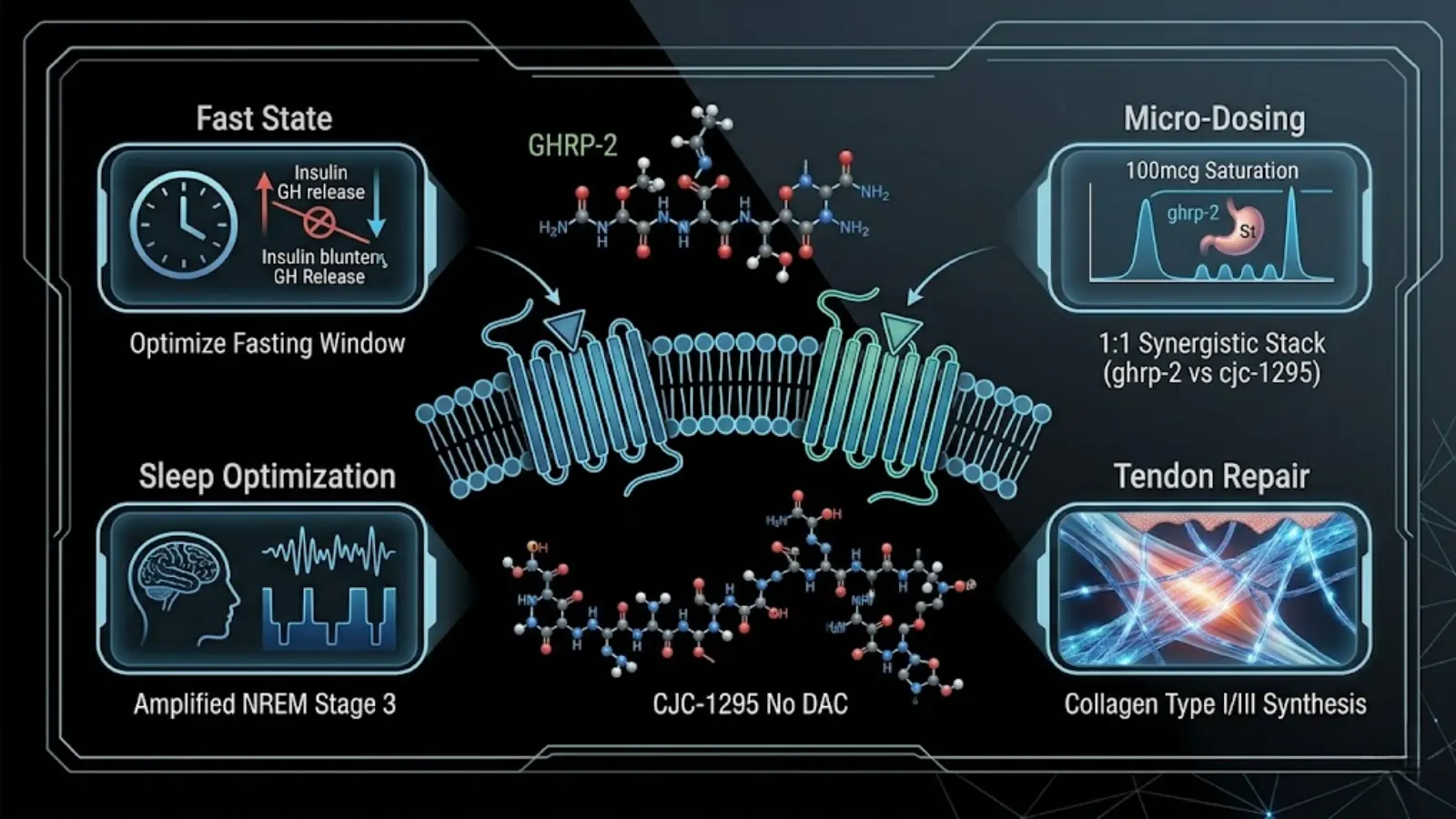
Fig 3: Optimization matrix outlining fasted states, micro-dosing precision, sleep stage amplification, and soft tissue repair pathways.
Healing Outcomes and Performance Benefits
The physiological goals of implementing a stacked peptide protocol revolve entirely around the downstream effects of elevated IGF-1 and enhanced nitrogen retention. The benefits observed in both clinical trials and anecdotal biohacking data are profound.
Cellular Recovery and Tissue Repair
Unlike traditional anabolic-androgenic steroids, which primarily target muscle hypertrophy, the GH/IGF-1 axis is the body’s primary mechanism for repairing avascular tissue. Cartilage, tendons, and ligaments have notoriously poor blood supply, making their recovery from micro-trauma exceptionally slow.
Elevated IGF-1 significantly upregulates fibroblast proliferation and the synthesis of Type I and Type III collagen. Researchers analyzing severe soft tissue injuries note that stacking GHRP-2 and CJC-1295 drastically accelerates the healing timeline of rotator cuff tears, tendinopathies, and post-surgical joint reconstructions by forcing nutrients and restorative cells into these avascular zones.
Sleep Optimization and Anti-Aging Biomarkers
Growth hormone is deeply intertwined with our circadian rhythm. In healthy adults, roughly 70% of total daily GH is secreted during the first phase of deep, slow-wave sleep (NREM Stage 3).
When a CJC-1295/GHRP-2 stack is administered 30 minutes before sleep, it supercharges this natural nocturnal pulse. Electroencephalogram (EEG) data from advanced sleep tracking routinely shows a measurable increase in both the duration and density of deep sleep.
Over a 12-week protocol, this leads to significant anti-aging biomarkers: increased skin elasticity (via collagen matrix repair), enhanced lipolysis (fat oxidation), improved bone mineral density, and the preservation of lean muscle mass even in caloric deficits.
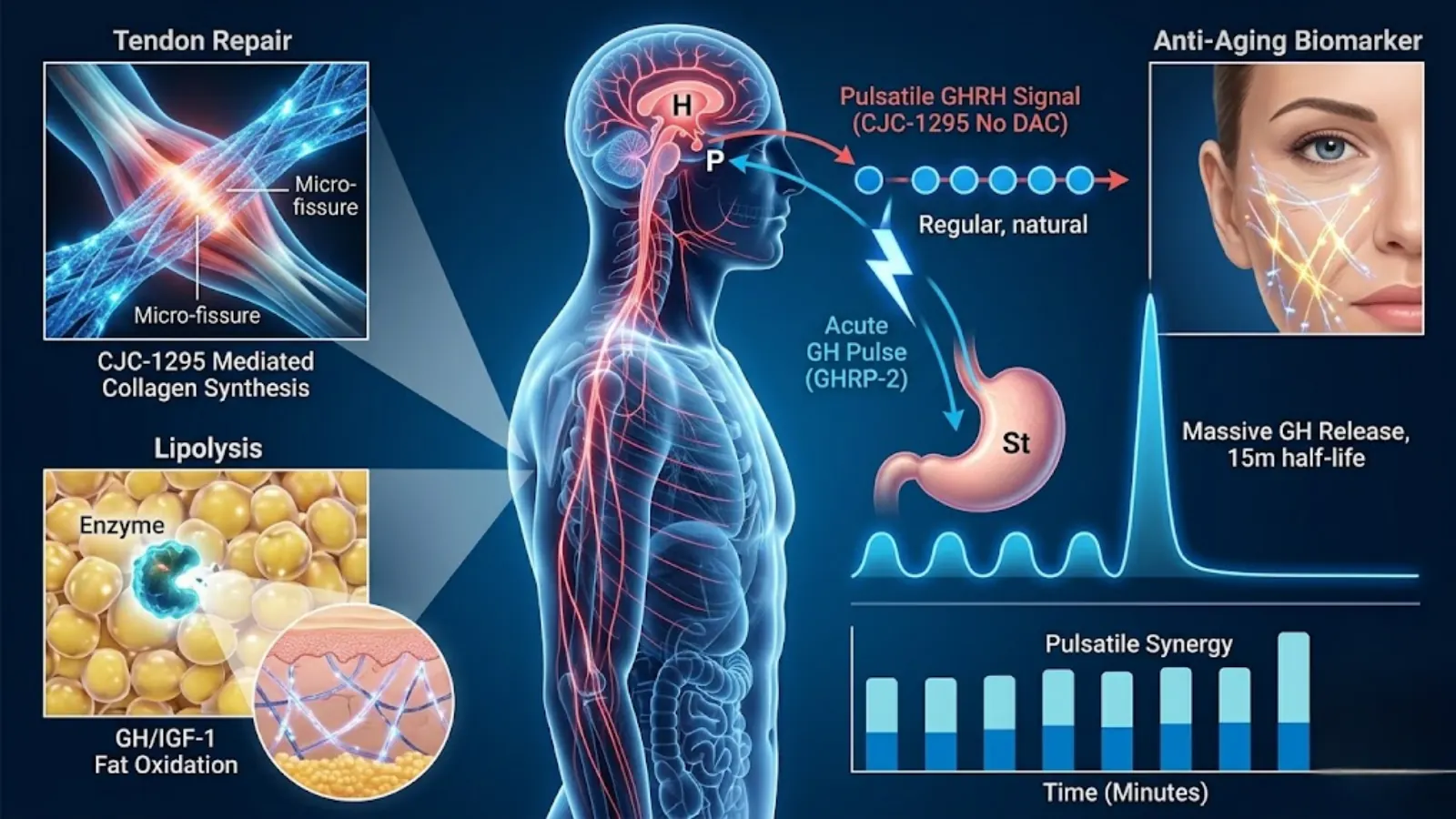
Fig 4: Physiological map demonstrating tissue-specific outcomes (lipolysis, collagen synthesis) driven by the massive synergistic pulse of stacked secretagogues.
Safety Profile, Side Effects, and Contraindications
While growth hormone secretagogues possess a vastly superior safety profile compared to exogenous hGH—primarily because they do not permanently suppress endogenous production—they are not without side effects. Understanding the biochemical nature of these adverse reactions is crucial for responsible research.
Managing GHRP-2 Induced Hunger
Because GHRP-2 is a first-generation ghrelin mimetic, its most immediate and intense side effect is a rapid, sometimes overwhelming spike in appetite. Within 15 to 20 minutes of administration, the activation of hypothalamic ghrelin receptors mimics the physiological state of severe starvation. For researchers using this compound for muscle hypertrophy, this is often viewed as a benefit. However, for those focusing on longevity or fat loss, this hyperphagia requires immense dietary discipline to ensure the fasted window is not broken prematurely.
Water Retention and Cortisol/Prolactin Elevation
Higher dosages of GHRP-2 (exceeding the 100mcg saturation dose) have been shown to lightly stimulate the adrenocorticotropic hormone (ACTH) pathway. This can lead to transient elevations in both cortisol (the primary stress hormone) and prolactin.
Elevated prolactin can occasionally cause lethargy or, in extreme cases, gynecomastia in highly susceptible individuals. Furthermore, the massive spike in GH alters the body’s sodium and water balance by acting on the renin-angiotensin-aldosterone system (RAAS). This frequently results in intracellular and extracellular water retention (edema), commonly presenting as swollen ankles or a “puffy” look in the extremities during the first few weeks of research.
Potential Pituitary Desensitization
This is the primary contraindication associated with the prolonged use of CJC-1295 with DAC. Because the DAC (Drug Affinity Complex) causes a continuous “bleed” of growth hormone, it fundamentally violates the body’s natural pulsatile rhythm. Chronic, non-pulsatile elevation of GH leads directly to the downregulation of pituitary receptors and severe insulin resistance. This is why strict adherence to CJC-1295 No DAC (Modified GRF 1-29) is fiercely advocated in the modern biohacking community.
Sourcing and Wholesale: Where to Buy High-Purity Peptides
The explosive popularity of peptide therapy has unfortunately led to a highly unregulated “gray market.” For laboratory technicians, B2B wholesale buyers, and dedicated biohackers, vetting the supply chain is the single most critical step in ensuring safety and efficacy.
Vetting USA Suppliers
When sourcing lyophilized GHRP-2 and CJC-1295, the presence of independent, third-party analytical testing is non-negotiable.
- Certificates of Analysis (COA): A legitimate supplier will provide a batch-specific COA.
- High-Performance Liquid Chromatography (HPLC): Look for an HPLC chromatogram proving the peptide is >99% pure, free of cleaved amino acid sequences.
- Mass Spectrometry (MS): This verifies the exact molecular weight of the compound, ensuring you are receiving the correct peptide and not a cheap substitute.
- Lyophilization Quality: The powder should appear as a solid, freeze-dried “puck” at the bottom of the vial. If it appears as loose, crystalline flakes, the lyophilization process was likely rushed or compromised.
Telehealth Clinics vs. Research Suppliers
There are two primary avenues for procurement.
- Research Peptide Companies: These entities sell strictly B2B to laboratories and independent researchers under the explicit label “For Research Purposes Only, Not for Human Consumption.” While highly cost-effective, the legal liability and dosing protocols rest entirely on the buyer.
- Anti-Aging Telehealth Clinics: Operating under the supervision of licensed physicians, these clinics can prescribe peptides legally. They utilize highly regulated compounding pharmacies (such as Tailor Made Compounding) that adhere to stringent FDA cGMP (Current Good Manufacturing Practice) guidelines. While significantly more expensive, this route guarantees pharmaceutical-grade sterility, exact dosing, and medical oversight.
Frequently Asked Questions (FAQs)
Which peptide is better for sleep and recovery: GHRP-2 or CJC-1295?
Neither is optimal alone; they are best used together. CJC-1295 creates the sustained signal for cellular repair, while GHRP-2 triggers the acute release necessary for deep, slow-wave sleep. Stacking them 30 minutes pre-bed maximizes both overnight recovery and tendon repair.
What is the proper reconstitution protocol for lyophilized GHRP-2?
Reconstitute strictly with Bacteriostatic Water. For a standard 5mg vial, gently inject 2mL to 2.5mL of bacteriostatic water down the side of the glass. Never shake the vial; swirl it gently until the lyophilized puck dissolves completely. Store immediately at 2°C to 8°C.
How do you cycle CJC-1295 and GHRP-2 together for maximum benefits?
The standard biohacking cycle is 5 days on, 2 days off. A typical protocol involves 100mcg of each peptide administered 1 to 3 times daily on an empty stomach. A macro-cycle should last no longer than 12 to 16 weeks, followed by a 4-week complete washout to restore receptor sensitivity.
Where to buy high-purity CJC-1295 and GHRP-2 for laboratory research?
Purchase only from vetted, US-based suppliers providing third-party HPLC and Mass Spectrometry data. Ensure the vendor provides batch-specific Certificates of Analysis (COAs) demonstrating >99% purity and guarantees cold-chain shipping protocols to prevent peptide degradation.
Key Takeaways
- Mechanism Divergence: The core difference in the ghrp-2 vs cjc-1295 debate is structural. CJC-1295 is a GHRH analog that amplifies natural GH pulses, while GHRP-2 is a ghrelin mimetic that forces an immediate, acute spike in growth hormone via the GHSR-1a receptor.
- The Power of Synergy: In clinical and advanced biohacking settings, these peptides are rarely used alone. Administering them simultaneously creates a mathematically compounding effect, maximizing total GH output and sustained IGF-1 elevation without shutting down the endogenous pituitary feedback loop.
- The Importance of “No DAC”: To preserve the body’s natural, healthy pulsatile rhythm of growth hormone release and avoid severe insulin resistance, researchers must prioritize CJC-1295 No DAC (Modified GRF 1-29) over the prolonged “bleed” effect of the DAC version.
- Stringent Lab Protocols: Efficacy relies entirely on chemical purity. Whether acting as a B2B wholesaler or an advanced consumer, validating third-party HPLC purity (>99%) and strictly adhering to cold-chain reconstitution protocols with bacteriostatic water is mandatory to prevent peptide degradation.