
GHRP-2 vs. GHRP-6: A Clinical Comparison of Receptor Affinity, Protocols, and Outcomes

Disclaimer: The following information is for educational and informational purposes only. The peptides discussed in this article are restricted to laboratory research use only. They are not approved by the FDA for human consumption, diagnostic, or therapeutic use. Always consult a licensed medical professional before considering any bio-optimization or peptide protocol.
GHRP-2 vs. GHRP-6: A Clinical Comparison of Receptor Affinity, Protocols, and Outcomes
Quick Answer: GHRP-2 vs GHRP-6
When evaluating GHRP-2 vs GHRP-6, the primary distinction lies in potency and secondary physiological effects. GHRP-2 is a second-generation peptide that yields a significantly higher, more concentrated pulse of growth hormone with minimal appetite stimulation. In contrast, GHRP-6, a first-generation hexapeptide, produces a milder growth hormone pulse but aggressively stimulates gastric motility and intense hunger by directly mimicking endogenous ghrelin.
Table of Contents
- 1. Introduction: The Evolution of Peptide Therapy
- 2. Understanding Growth Hormone Secretagogues (GHRPs)
- 3. GHRP-2 (Pralmorelin): Clinical Profile and Mechanisms
- 4. GHRP-6: Clinical Profile and Mechanisms
- 5. Head-to-Head: Receptor Affinity and Pharmacokinetics
- 6. Physiological Outcomes: Healing, Hypertrophy, and Metabolism
- 7. The Appetite Factor: Intense Hunger vs. Mild Stimulation
- 8. Advanced Biohacking Protocols and Synergistic Stacks
- 9. Side Effect Profiles: Cortisol, Prolactin, and Desensitization
- 10. Laboratory & Wholesale Sourcing: Synthesis and Purity
- 11. Key Takeaways: Choosing the Right Peptide
- 12. Frequently Asked Questions (FAQs)
1. Introduction: The Evolution of Peptide Therapy
The Growing Demand in Clinical Research and Biohacking
Over the past two decades, the landscape of endocrinological research and human performance optimization has undergone a paradigm shift. Moving away from the brute-force application of exogenous, recombinant hormones, the vanguard of modern biomedicine is now heavily focused on secretagogues—compounds that stimulate the body’s endogenous endocrine machinery. At the forefront of this shift are Growth Hormone Releasing Peptides (GHRPs).
For laboratory researchers and biochemists, these synthetic hexapeptides offer an unprecedented window into the neuroendocrine regulation of the somatotropic axis. For the advanced biohacker, they represent precision tools for modulating tissue repair, lipolysis, and cellular senescence without shutting down natural hormone production. However, understanding the nuanced pharmacokinetic differences between specific analogs is critical for both generating valid in vitro data and designing efficacious in vivo protocols.
Scope of this Guide
This comprehensive guide bridges the gap between rigorous, peer-reviewed clinical data and applied physiological protocols. We will dissect the molecular architecture, receptor affinities, and specific physiological cascades triggered by these two prominent peptides. Whether you are a principal investigator sourcing high-purity lyophilized powders for assays or a clinical data analyst mapping out recovery modalities, understanding the precise mechanistic divergence in the GHRP-2 vs GHRP-6 debate is essential for targeted outcomes.
2. Understanding Growth Hormone Secretagogues (GHRPs)
To grasp the comparative efficacy of these peptides, one must first understand the biological hardware they interact with. GHRPs are synthetic, non-natural peptides that possess potent growth hormone (GH) releasing activity. Unlike Growth Hormone Releasing Hormone (GHRH), which binds to its own distinct receptors on pituitary somatotrophs, GHRPs operate through an entirely separate, synergistic pathway.
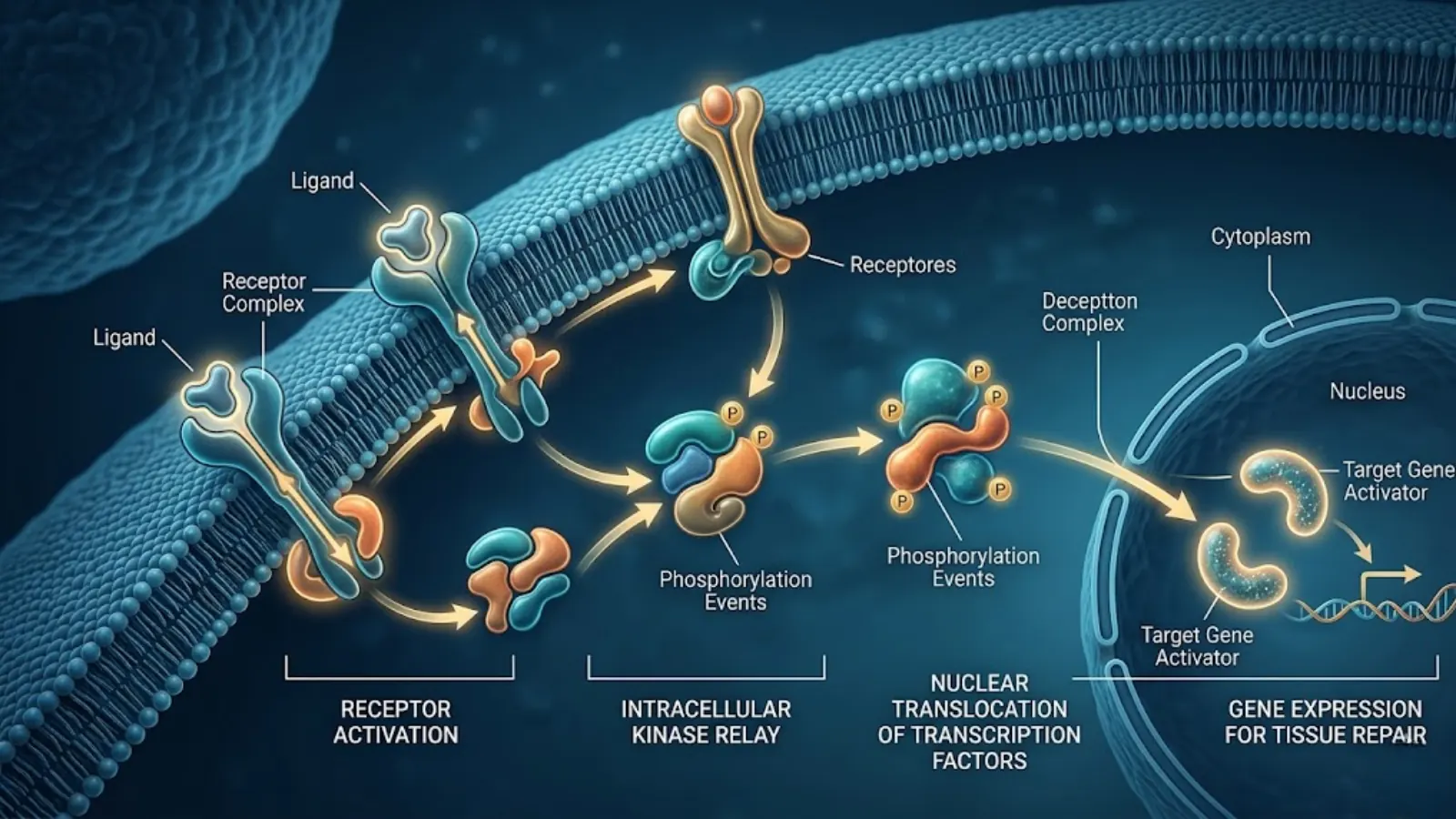
Fig 1: Interaction of GHRPs with the GHSR-1a receptor and subsequent endocrine cascades.
The Role of the Ghrelin Receptor (GHSR-1a)
The target for both GHRP-2 and GHRP-6 is the Growth Hormone Secretagogue Receptor type 1a (GHSR-1a). This is a G-protein coupled receptor (GPCR) densely clustered in the anterior pituitary gland and the arcuate nucleus of the hypothalamus. Discovered long before its endogenous ligand (ghrelin) was identified in 1999, GHSR-1a acts as the master regulatory switch for hunger, energy homeostasis, and somatotropin release.
When a ligand like GHRP-2 or GHRP-6 binds to GHSR-1a, it triggers a phospholipase C (PLC) signaling cascade. This intracellular signaling leads to the generation of inositol triphosphate (IP3) and diacylglycerol (DAG), culminating in a rapid, massive influx of intracellular calcium ions. This calcium spike physically drives the exocytosis of secretory vesicles containing pre-formed growth hormone into the bloodstream.
Endogenous Pulsatile Release vs. Exogenous Synthetic Hormones
The human body does not release growth hormone in a steady stream; it is secreted in sharp, distinct pulses, primarily during the deepest stages of slow-wave sleep. This pulsatile rhythm is dictated by the delicate interplay of two hypothalamic hormones: GHRH (which stimulates release) and somatostatin (which inhibits release).
Administering synthetic Recombinant Human Growth Hormone (rhGH) creates an unnatural, continuous elevation of serum GH levels. This “bleed” blunts the body’s natural pulsatile rhythm, downregulates receptor sensitivity, and suppresses the pituitary gland’s natural production via a negative feedback loop.
Why Researchers Choose GHRPs Over Recombinant hGH
GHRPs circumvent the pitfalls of rhGH by amplifying the body’s natural physiological pulses. They act as “amplifiers” rather than replacements. Furthermore, GHRPs actively antagonize somatostatin, the hormone responsible for halting GH release. By lowering somatostatin tone at the hypothalamus while simultaneously directly stimulating the pituitary via the GHSR-1a receptor, GHRPs preserve the critical pulsatile nature of endogenous hormone secretion, preventing pituitary suppression and maintaining a healthy neuroendocrine feedback loop.
3. GHRP-2 (Pralmorelin): Clinical Profile and Mechanisms
GHRP-2, clinically known in diagnostic settings as Pralmorelin, represents the second generation of synthetic growth hormone secretagogues. It was engineered specifically to maximize somatotropic output while refining the side-effect profile of its predecessors.
Chemical Structure and Molecular Weight
GHRP-2 is a synthetic hexapeptide with the specific amino acid sequence: D-Ala-D-2-Nal-Ala-Trp-D-Phe-Lys-NH2.
It possesses a molecular weight of 818.0 g/mol. The incorporation of synthetic D-amino acids (rather than naturally occurring L-amino acids) is a critical design feature; it protects the peptide chain from rapid proteolytic cleavage by endogenous peptidases, vastly extending its half-life and bioavailability once introduced into a biological system.
Primary Mechanism of Action
While it binds to the exact same GHSR-1a receptor as endogenous ghrelin, GHRP-2 has been structurally optimized to be a highly potent, super-agonist at the pituitary level. It demonstrates a profound ability to hyper-stimulate somatotrophs. Furthermore, research indicates that GHRP-2 may possess secondary mechanisms involving direct interactions with GHRH neurons in the arcuate nucleus, triggering a secondary downstream release of endogenous GHRH, which further compounds the resulting GH pulse.
Expected in Vivo Somatotropin Output
In clinical assays and controlled laboratory environments, GHRP-2 consistently proves to be one of the most potent GHRPs available, often outperforming both GHRP-6 and Ipamorelin in terms of sheer peak plasma GH concentration. In vivo studies have documented that intravenous or subcutaneous administration of GHRP-2 can elevate serum GH levels up to 10 to 15 times their basal baseline within 15 to 30 minutes of administration. This massive, transient spike is ideal for protocols demanding maximum physiological repair, such as severe acute injury recovery or aggressive cellular hyper-proliferation assays.
4. GHRP-6: Clinical Profile and Mechanisms
To understand the evolution of these compounds, we must examine GHRP-6, the first-generation prototype that laid the groundwork for modern secretagogue therapy. Discovered in the 1980s, long before the ghrelin receptor was fully mapped, GHRP-6 provided the first concrete proof that non-GHRH pathways could heavily influence pituitary output.
Fig 2: The systemic binding profile of GHRP-6 emphasizing its impact on the gastric migrating motor complex.
The First-Generation Secretagogue: History and Development
GHRP-6 (Growth Hormone Releasing Hexapeptide) features the amino acid sequence: His-D-Trp-Ala-Trp-D-Phe-Lys-NH2. With a molecular weight of 873.0 g/mol, it shares structural similarities with GHRP-2, specifically the presence of D-amino acids to resist enzymatic degradation. However, its slightly different conformational shape alters how it interacts with the ghrelin receptor system throughout the body, not just at the pituitary.
Distinctive Features in Gastric Motility and Digestion
The defining characteristic of GHRP-6—and a primary consideration for any researcher or biohacker—is its profound effect on gastroenterology. GHRP-6 acts as a near-perfect mimic of natural ghrelin in the digestive tract. It strongly stimulates the vagus nerve and activates the migrating motor complex within the stomach.
This results in rapid, aggressive gastric emptying and the onset of intense, almost insatiable hunger within 20 to 30 minutes of administration. For clinical populations suffering from cachexia (muscle wasting) or for athletes engineering a massive caloric surplus for tissue hypertrophy, this unique mechanism is highly advantageous. However, for those seeking lipolysis or operating in a fasted state, this aggressive appetite stimulation can be severely counterproductive.
Baseline Growth Hormone Stimulation Metrics
While effective, the somatotropic output of GHRP-6 is notably inferior to that of its successor. When administered at equimolar doses, GHRP-6 will reliably generate a significant pulse of growth hormone, but the peak amplitude of that pulse is generally 30% to 50% lower than the pulse generated by GHRP-2. The GH release curve is also slightly different, often featuring a wider, flatter peak compared to the sharp, immediate spike characteristic of GHRP-2.
5. Head-to-Head: GHRP-2 vs GHRP-6 Receptor Affinity and Pharmacokinetics
For B2B laboratory suppliers, peptide synthesis technicians, and clinical researchers, understanding the exact pharmacokinetic variances between these two hexapeptides is non-negotiable. The empirical data dictates the application.
Binding Affinity to GHSR-1a Compared
While both peptides bind to the exact same orthosteric site on the GHSR-1a receptor, their binding affinities (often measured via the inhibition constant, Ki) and downstream conformational changes differ. GHRP-2 exhibits a higher affinity for the pituitary-localized receptors, leading to its superior potency in releasing somatotropin. Conversely, GHRP-6 demonstrates a broader, more systemic binding profile, exhibiting high affinity for GHSR-1a receptors located in the central nervous system and gastric mucosa, which explains its dominant effect on appetite and gastric motility.
Pharmacokinetic Comparison Table
The following table synthesizes the clinical data regarding the in vivo performance of both peptides, providing a clear reference for laboratory protocol design:
| Metric / Characteristic | GHRP-2 (Pralmorelin) | GHRP-6 |
|---|---|---|
| Amino Acid Sequence | D-Ala-D-2-Nal-Ala-Trp-D-Phe-Lys-NH2 | His-D-Trp-Ala-Trp-D-Phe-Lys-NH2 |
| Molecular Weight | 818.0 g/mol | 873.0 g/mol |
| Primary Target Receptor | GHSR-1a (Pituitary Dominant) | GHSR-1a (Systemic / Gastric Dominant) |
| GH Pulse Amplitude | Extremely High (10x – 15x Baseline) | Moderate (5x – 8x Baseline) |
| Appetite Stimulation | Mild to Negligible | Extreme (Rapid Gastric Emptying) |
| Estimated Half-Life (In Vivo) | ~15 to 30 Minutes | ~15 to 25 Minutes |
| Time to Peak Serum GH | 15 – 30 Minutes post-injection | 20 – 40 Minutes post-injection |
| Impact on Cortisol / Prolactin | Moderate dose-dependent elevation | Mild dose-dependent elevation |
Documented in Vitro and in Vivo Pharmacokinetic Variances
In a laboratory setting, both lyophilized peptides exhibit remarkable stability when stored properly at -20°C. However, once reconstituted in bacteriostatic water for in vivo or in vitro assays, their pharmacokinetic clearances diverge slightly. Both peptides undergo rapid hepatic and renal clearance.
Enzymatic cleavage studies show that while the D-amino acids protect the core structures of both peptides, GHRP-2’s specific sequence allows for slightly more efficient receptor disassociation, allowing the pituitary somatotrophs to “reset” marginally faster than with GHRP-6. This is a critical data point when designing high-frequency, multi-dose daily protocols, as prolonged receptor occupation can lead to rapid desensitization and downregulation of the GHSR-1a receptors.
Ultimately, the analytical comparison of GHRP-2 vs GHRP-6 reveals two tools that, while closely related, are engineered for distinctly different physiological outcomes. The choice between them depends entirely on whether the researcher prioritizes maximum endocrine output or specific gastrointestinal and metabolic manipulation.
6. Physiological Outcomes: Healing, Hypertrophy, and Metabolism
When evaluating the downstream physiological effects of both peptides, we must trace the cascade initiated by the massive release of endogenous somatotropin. Once the pituitary gland discharges its growth hormone payload into the systemic circulation, the hormone binds to receptors on various tissues, most notably the liver, where it triggers the transcription and systemic release of Insulin-like Growth Factor 1 (IGF-1).
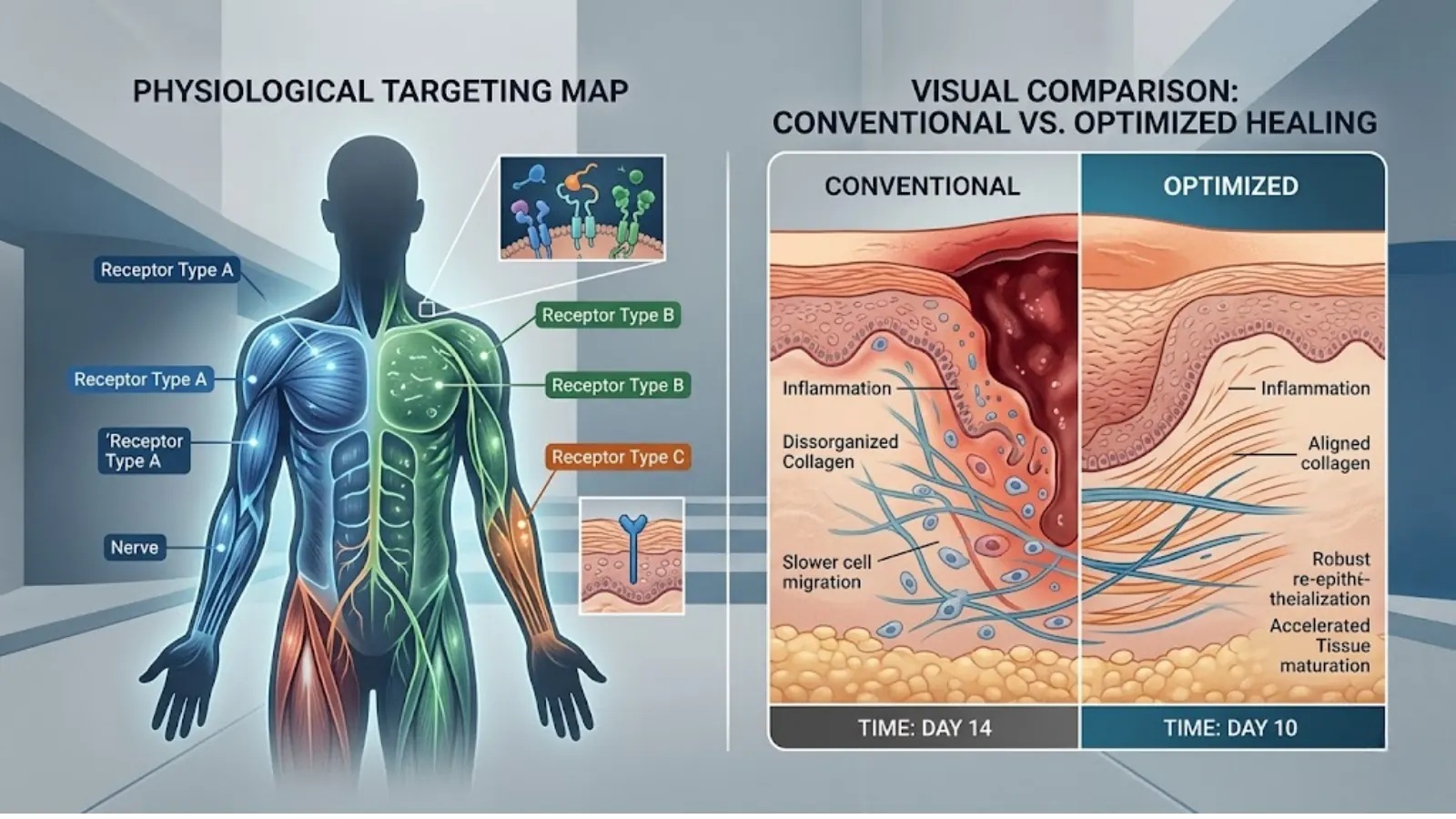
Fig 3: The systemic tissue repair and lipolytic cascade triggered by elevated endogenous Growth Hormone.
Lean Muscle Accretion and Nitrogen Retention
Both peptides facilitate significant shifts in body composition, primarily through the upregulation of hepatic IGF-1. Products like IGF-DES are often studied in similar contexts, but endogenous stimulation yields a more natural biological profile. IGF-1 is a highly anabolic hormone that drives amino acid transport into muscle cells, forcing a state of positive nitrogen retention. It also stimulates the proliferation and differentiation of satellite cells—the precursors to new muscle fibers. While both compounds are effective, GHRP-2’s capacity to generate a higher peak GH amplitude generally results in a correspondingly higher surge of systemic IGF-1, making it the mathematically superior choice for strictly maximizing lean tissue accretion in a controlled research environment.
Injury Recovery and Connective Tissue Repair
The GH/IGF-1 axis is the biological cornerstone of extracellular matrix remodeling. High serum levels of growth hormone actively stimulate fibroblast proliferation and upregulate the synthesis of Type I and Type III collagen. This is the structural scaffolding of tendons, ligaments, and cartilage. In clinical and biohacking spheres, researchers studying severe musculoskeletal trauma or post-surgical recovery consistently utilize secretagogues to accelerate tissue regeneration. Due to its intense somatotropic pulse, GHRP-2 is widely considered the gold standard for acute injury protocols, though GHRP-6 is frequently used in joint-rehabilitation contexts where a caloric surplus is also desired to fuel the metabolic demands of healing.
Lipolysis and Adipose Tissue Reduction
Growth hormone is profoundly lipolytic. It binds directly to GH receptors on adipocytes (fat cells), triggering an intracellular cascade that upregulates hormone-sensitive lipase (HSL) and downregulates lipoprotein lipase (LPL). This mechanism effectively halts the storage of new fat while rapidly breaking down stored triglycerides into free fatty acids to be oxidized for cellular ATP production. Because GHRP-2 does not induce the intense hunger associated with GHRP-6, it is vastly superior for cutting phases, contest preparation, or research protocols focused on maximizing adipose tissue oxidation without compromising dietary adherence.
Deep Sleep and Circadian Rhythm Optimization
One of the most immediate and profound neurological outcomes of GHRP administration is the alteration of sleep architecture. Exogenous stimulation of the ghrelin receptor heavily influences GABAergic pathways in the brain, pushing the user into prolonged periods of Slow-Wave Sleep (SWS), commonly known as delta-wave or deep sleep. This is the exact sleep phase where the brain clears neurotoxic waste and the body performs its most aggressive cellular repair. Both peptides dramatically enhance sleep quality, but timing is critical; administering a dose immediately prior to sleep capitalizes on the body’s natural circadian GH pulse, stacking the synthetic pulse on top of the endogenous rhythm.
7. The Appetite Factor: Intense Hunger vs. Mild Stimulation
The most polarizing distinction in the GHRP-2 vs GHRP-6 debate revolves around gastroenterology and feeding behavior. This single variable often dictates which peptide a researcher or practitioner will select.
Why GHRP-6 Triggers Extreme Gastric Emptying
GHRP-6 was developed early in the exploration of the ghrelin system, and its molecular structure makes it a near-perfect mimic of the “hunger hormone.” When GHRP-6 enters the bloodstream, it crosses the blood-brain barrier and heavily binds to GHSR-1a receptors located on Agouti-related peptide (AgRP) and Neuropeptide Y (NPY) neurons within the arcuate nucleus of the hypothalamus. Simultaneously, it stimulates the vagus nerve and activates the migrating motor complex (MMC) in the stomach.
The physiological result is intense gastric emptying and a ravenous, nearly uncontrollable increase in appetite, typically peaking 20 to 30 minutes post-injection. Subjects often report a hollow, aching sensation in the stomach that demands immediate caloric consumption.
The Milder Appetite Profile of GHRP-2
Through deliberate molecular modification, GHRP-2 was engineered to possess a significantly lower binding affinity for the specific hypothalamic and gastric receptors that drive feeding behavior. While it is still technically a ghrelin mimetic, its structural conformation localizes its primary activity to the pituitary somatotrophs. Consequently, while some subjects may experience a slight, transient increase in appetite post-administration, it is negligible compared to the extreme gastric motility induced by GHRP-6.
Strategic Utilization of the “Hunger Side Effect” in Bulking Protocols
In advanced biohacking and clinical applications like cachexia (disease-induced muscle wasting), the aggressive hunger caused by GHRP-6 is not viewed as a side effect, but as a primary therapeutic tool. When an athlete or subject requires a massive caloric surplus to drive hypertrophy—often upwards of 5,000 to 6,000 calories per day—gastric distress and lack of appetite become the limiting factors. Administering GHRP-6 strategically 20 minutes before a meal forces the stomach to empty rapidly, artificially inducing hunger and allowing the subject to consume immense volumes of food without severe gastrointestinal discomfort.
8. Advanced Biohacking Protocols and Synergistic Stacks
To transition from theoretical biochemistry to applied human optimization, one must understand the kinetics of peptide administration. Utilizing a GHRP in isolation is clinically effective, but true optimization requires exploiting the synergistic neuroendocrine pathways.
The Importance of Pairing with a GHRH
Administering a GHRP alone forces a GH pulse by agonizing the ghrelin receptor and antagonizing somatostatin. However, if you pair the GHRP with a Growth Hormone Releasing Hormone (GHRH)—such as Modified GRF 1-29 or CJC-1295 with DAC—the results are not merely additive; they are exponential.
The GHRH binds to its own distinct receptors on the pituitary, signaling the synthesis of new growth hormone stores, while the GHRP forces the immediate release of those stores. In clinical terms, combining the two creates a synergistic pulse that is often 3 to 5 times larger than administering either peptide in isolation. This is universally known as a “Peptide Stack.”
Subcutaneous Dosage Protocol and Stacking Parameters
The following table outlines standard clinical and advanced biohacking saturation doses for optimal endocrine response without triggering severe receptor downregulation:
| Protocol Variable | GHRP-2 Stack | GHRP-6 Stack |
|---|---|---|
| Primary GHRP Dose | 100mcg to 150mcg | 100mcg to 150mcg |
| Synergistic GHRH Dose | 100mcg (Mod GRF 1-29) | 100mcg (Mod GRF 1-29) |
| Administration Route | Subcutaneous (Abdominal Adipose) | Subcutaneous (Abdominal Adipose) |
| Frequency | 1 to 3 times daily | 1 to 3 times daily |
| Primary Use Case | Maximum anti-aging, injury repair, pure lipolysis | Mass accretion, appetite stimulation, joint healing |
Note: In neuroendocrinology, a “saturation dose” refers to the threshold (typically around 1mcg per kg of body weight, or a flat 100mcg) where pituitary receptors are fully occupied. Pushing doses to 300mcg or 500mcg yields rapidly diminishing returns and exponentially increases side effects.
Timing Pulses Around Fasting, Insulin Peaks, and Sleep
The timing of administration is the most critical variable in any secretagogue protocol. Growth hormone release is severely blunted by the presence of elevated serum insulin and free fatty acids. When blood glucose spikes following a meal, the hypothalamus releases somatostatin to halt GH production. Therefore, peptides must be administered in a completely fasted state—ideally two hours after the last meal, or first thing in the morning. After subcutaneous injection, the user must wait a minimum of 20 to 30 minutes for the GH pulse to peak before consuming carbohydrates or fats. Administering a GHRP directly after eating renders the peptide chemically inert in terms of somatotropic output.
9. Side Effect Profiles: Cortisol, Prolactin, and Desensitization
While secretagogues are drastically safer than exogenous recombinant growth hormone, stimulating the anterior pituitary is not without collateral endocrine effects. Both peptides can cross-react with other hormonal pathways.
Impact on the HPA Axis: Cortisol Elevation Risks
The ghrelin receptor system shares close proximity and mild structural crossover with the pathways that trigger adrenocorticotropic hormone (ACTH). Consequently, pushing GHRP doses above the 100mcg saturation threshold can stimulate the adrenal cortex, leading to a transient spike in serum cortisol. Elevated cortisol is catabolic, promotes fat storage, and degrades sleep quality. Clinical data suggests that GHRP-2 carries a slightly higher propensity for elevating cortisol compared to GHRP-6, making strict dose adherence critical for researchers aiming to avoid stress-hormone cascades.
Prolactin Secretion Differences
Similarly, GHRPs can stimulate lactotrophs in the pituitary, resulting in a mild elevation of prolactin. High prolactin can lead to lethargy, libido dysfunction, and in extreme cases, gynecomastia in males. Again, GHRP-2 exhibits a marginally higher likelihood of raising prolactin levels than GHRP-6. Advanced biohackers often mitigate this by supplementing with Vitamin B6 (P5P) or, in clinical settings, utilizing micro-doses of dopamine agonists (like cabergoline) if blood panels reveal severe prolactin elevation.
Receptor Downregulation and Cycling Requirements
The GHSR-1a receptor is highly sensitive to continuous agonizing. If subjected to high-frequency, supra-physiological doses of secretagogues without a break, the receptors will downregulate (desensitize), rendering the peptides ineffective. To maintain receptor sensitivity, biohackers employ “cycling” protocols. A standard clinical cycle might involve 5 days of administration followed by 2 days of abstinence (5 on, 2 off), or running a protocol continuously for 12 weeks followed by a mandatory 4-week complete cessation.
10. Laboratory & Wholesale Sourcing: Synthesis and Purity Standards
For B2B wholesale buyers, laboratory managers, and principal investigators, the efficacy of the GHRP-2 vs GHRP-6 dynamic relies entirely on the integrity of the chemical synthesis. The unregulated nature of the peptide market demands rigorous analytical verification.

Fig 4: High-Performance Liquid Chromatography (HPLC) remains the gold standard for verifying peptide purity.
Verifying HPLC and Mass Spectrometry Purity
No peptide should be utilized for in vitro or in vivo research without a corresponding Certificate of Analysis (CoA) from an independent, third-party analytical laboratory.
Researchers must look for two specific analytical metrics:
- High-Performance Liquid Chromatography (HPLC): This measures the relative purity of the peptide. A research-grade lyophilized powder must demonstrate an HPLC purity of ≥99.0%. Anything lower indicates a high volume of truncated sequences or chemical byproducts from the synthesis process.
- Mass Spectrometry (MS): This verifies the molecular weight. It ensures that the exact amino acid sequence ordered is what is present in the vial, confirming that the compound is, in fact, GHRP-2 (818.0 g/mol) or GHRP-6 (873.0 g/mol).
Purity Verification Checklist
| Analytical Metric | Acceptable Standard for Research | Warning Sign / Rejection Criteria |
|---|---|---|
| HPLC Purity | > 99.0% | < 98.0% (Indicates synthesis failure) |
| Mass Spectrometry | Matches expected exact molar mass | Deviation > 1 g/mol from expected weight |
| TFA (Trifluoroacetic Acid) | < 1.0% (Acetate salt conversion preferred) | > 5.0% (Highly toxic to living cells) |
| Endotoxin Levels | < 5 EU/mg | > 10 EU/mg (Triggers severe immune response) |
Lyophilized Powder Stability and Cold-Chain Storage
Peptides are synthesized and shipped as lyophilized (freeze-dried) cakes to preserve their fragile amino acid bonds. In this state, keeping the vials out of direct sunlight and stored in a freezer at -20°C ensures a shelf life of up to 24 months. Once reconstituted with bacteriostatic water (containing 0.9% benzyl alcohol as an antimicrobial agent), the peptide bonds begin to degrade. Reconstituted GHRPs must be kept refrigerated at 2°C to 8°C and should ideally be utilized within 30 to 45 days before the active compound denatures and loses potency.
11. Key Takeaways: Choosing the Right Peptide for Your Objectives
The choice between these two powerful secretagogues ultimately boils down to aligning their distinct pharmacokinetic properties with your specific clinical or physiological goals.
When to Choose GHRP-2
GHRP-2 is the superior, modernized peptide for those whose primary objective is maximizing growth hormone and IGF-1 output without disrupting their dietary protocols.
Best for: Extreme lipolysis (fat loss), severe injury and connective tissue repair, anti-aging, and deep sleep optimization.
The Verdict: It is a cleaner, more potent pulse generator ideal for cutting phases or longevity research where intense hunger is a detriment.
When to Choose GHRP-6
GHRP-6 remains a highly specialized tool for scenarios where caloric intake must be artificially amplified.
Best for: Cachexia therapy, extreme tissue hypertrophy (bulking phases), and athletes who struggle to consume enough calories to fuel massive muscle growth.
The Verdict: While its GH pulse is mathematically weaker than its successor, its ability to hijack the vagus nerve and induce rapid gastric emptying makes it unparalleled for forcing a caloric surplus.
12. Frequently Asked Questions (FAQs)
What is the main difference between GHRP-2 and GHRP-6?
The primary difference lies in potency and appetite stimulation. GHRP-2 acts as a stronger pituitary super-agonist, delivering a massive pulse of growth hormone with minimal effect on hunger. GHRP-6 generates a milder growth hormone pulse but aggressively mimics ghrelin in the stomach, causing intense gastric emptying and a severe spike in appetite.
Which peptide is better for lean muscle accretion, GHRP-2 or GHRP-6?
If caloric intake is already optimized, GHRP-2 is mathematically superior for lean muscle accretion because it forces a higher peak amplitude of growth hormone, resulting in greater systemic IGF-1 release. However, if the limiting factor to muscle growth is a lack of appetite, GHRP-6 is utilized to artificially stimulate the hunger needed to consume surplus calories.
Does GHRP-6 cause more severe gastric emptying and hunger than GHRP-2?
Yes. GHRP-6 is highly systemic and binds aggressively to AgRP and NPY neurons in the hypothalamus while stimulating the migrating motor complex in the stomach. This results in rapid, often intense hunger within 20 minutes. GHRP-2 was specifically engineered to reduce this binding affinity, resulting in a clinically negligible effect on appetite for most subjects.
What are the documented differences in prolactin and cortisol elevation?
Both peptides can cause a transient, dose-dependent rise in the stress hormone cortisol and the lactation hormone prolactin due to receptor cross-reactivity in the pituitary and adrenal axes. Clinical data indicates that GHRP-2 has a slightly higher propensity to elevate both cortisol and prolactin compared to GHRP-6, making strict adherence to the 100mcg saturation dose critical.
Where is the safest place to buy wholesale, third-party tested peptides?
The safest sources for wholesale research peptides are dedicated B2B biomedical synthesis laboratories that provide verifiable, third-party Certificates of Analysis (CoAs) for every batch. Buyers must mandate documentation proving High-Performance Liquid Chromatography (HPLC) purity of >99% and Mass Spectrometry (MS) verification to ensure they are receiving pharmaceutical-grade lyophilized powder devoid of dangerous synthetic byproducts.