
Pinealon vs. Epitalon: Decoding the Mechanisms of Neuroprotection and Telomerase Activation

Disclaimer: The information provided in this article is for educational and informational purposes only. The peptides discussed, including Pinealon and Epitalon, are currently classified for Laboratory Research Use Only and are not approved by the FDA for human consumption or the treatment of any disease. Consult a licensed medical professional before engaging in any experimental therapeutic protocols.
Table of Contents
- 1. Quick Answer: Pinealon vs Epitalon Summary
- 2. Introduction to Khavinson Peptides and Bioregulators
- 3. What is Epitalon? The Telomerase Activator
- 4. What is Pinealon? The Neuroprotective Agent
- 5. Pinealon vs Epitalon: Core Mechanisms Compared
- 6. Clinical Data and In Vitro Research
- 7. Advanced Biohacking Applications: Protocols and Stacking
- 8. Sourcing, Purity, and Reconstitution
- 9. Safety Profiles and Potential Side Effects
- 10. Frequently Asked Questions
- 11. Key Takeaways
1. Quick Answer: Pinealon vs Epitalon Summary
When analyzing Pinealon vs Epitalon, the fundamental difference lies in their specific physiological targets. Epitalon is a systemic longevity bioregulator that activates telomerase, extending cellular lifespan and restoring circadian rhythms. Conversely, Pinealon is a highly tissue-specific neuroprotective peptide designed to rapidly mitigate oxidative stress in the central nervous system, enhancing cognitive function, memory, and neuronal resilience.
2. Introduction to Khavinson Peptides and Bioregulators
To fully grasp the advanced molecular mechanics of short-chain peptides, we must first understand the class of compounds they belong to: peptide bioregulators. Unlike traditional pharmaceuticals that force a specific biochemical reaction by agonizing or antagonizing cell surface receptors, peptide bioregulators act as profound epigenetic switches. They restore cellular function to its optimal, youthful baseline rather than artificially overriding the body’s homeostatic mechanisms.
The Genesis of Peptide Bioregulators
The discovery of peptide bioregulators traces back to the 1980s under the rigorous purview of the Soviet military. Professor Vladimir Khavinson, operating out of the St. Petersburg Institute of Bioregulation and Gerontology, was initially tasked with a highly classified directive: find a way to preserve the operational readiness of military personnel exposed to extreme physiological stressors, such as nuclear radiation, combat trauma, and the severe ocular strain experienced by submarine laser operators.
Khavinson’s team discovered that as organisms age or endure profound stress, protein synthesis downregulates. To combat this, they isolated specific peptide fractions from the organs of young, healthy animals (primarily calves). They found that administering these extracts to older or compromised organisms dramatically restored function in the corresponding tissues. Over decades of refinement, these organ-specific biological extracts were reverse-engineered and synthesized into highly pure, ultra-short amino acid chains—typically only two to four amino acids in length. This breakthrough birthed the synthetic bioregulators we use in research today.
How Epigenetic Peptides Work
The mechanism of action for these ultra-short peptides is a masterpiece of biological engineering. Due to their incredibly low molecular weight, bioregulators easily cross the cell membrane, the cytoplasm, and the nuclear envelope. Once inside the nucleus of a cell, they exhibit a highly specific affinity for the nucleosome—the fundamental subunit of chromatin.
Through complementary base-pairing recognition, these peptides interlock with the major or minor grooves of DNA. By binding to highly specific promoter regions on the DNA strand, they act as primary transcription factors. This interaction unwinds the heterochromatin (the tightly packed, unreadable DNA) into euchromatin (the loosely packed, readable DNA). Consequently, the transcription of specific genes is upregulated, prompting the cell to synthesize the exact proteins it lacks due to aging or pathology. This epigenetic modulation effectively resets the cellular biological clock to a younger, more robust state of gene expression.
3. What is Epitalon (Epithalon)? The Telomerase Activator
Epitalon (often spelled Epithalon) is arguably the most famous of the Khavinson bioregulators. In the realm of advanced longevity research and anti-aging biohacking, it is considered the gold standard for extending the cellular lifespan and regulating the systemic biological clock.
Origin and Chemical Structure
Epitalon is the synthesized, ultra-short equivalent of Epithalamin, a complex polypeptide extract naturally derived from the pineal glands of animals. Structurally, Epitalon is a tetrapeptide consisting of a precise sequence of four amino acids: L-Alanyl-L-Glutamyl-L-Aspartyl-Glycine (Ala-Glu-Asp-Gly). This specific spatial configuration was identified as the exact active molecular binding site responsible for the longevity effects seen in the original pineal gland extracts. Because it is a synthetic sequence, Epitalon circumvents the risks of zoonotic contamination associated with animal-derived glandulars and boasts exceptional bioavailability and stability in solution.
Telomerase Activation and Cellular Senescence
The most heavily researched and scientifically validated property of Epitalon is its ability to upregulate telomerase activity in human somatic cells.
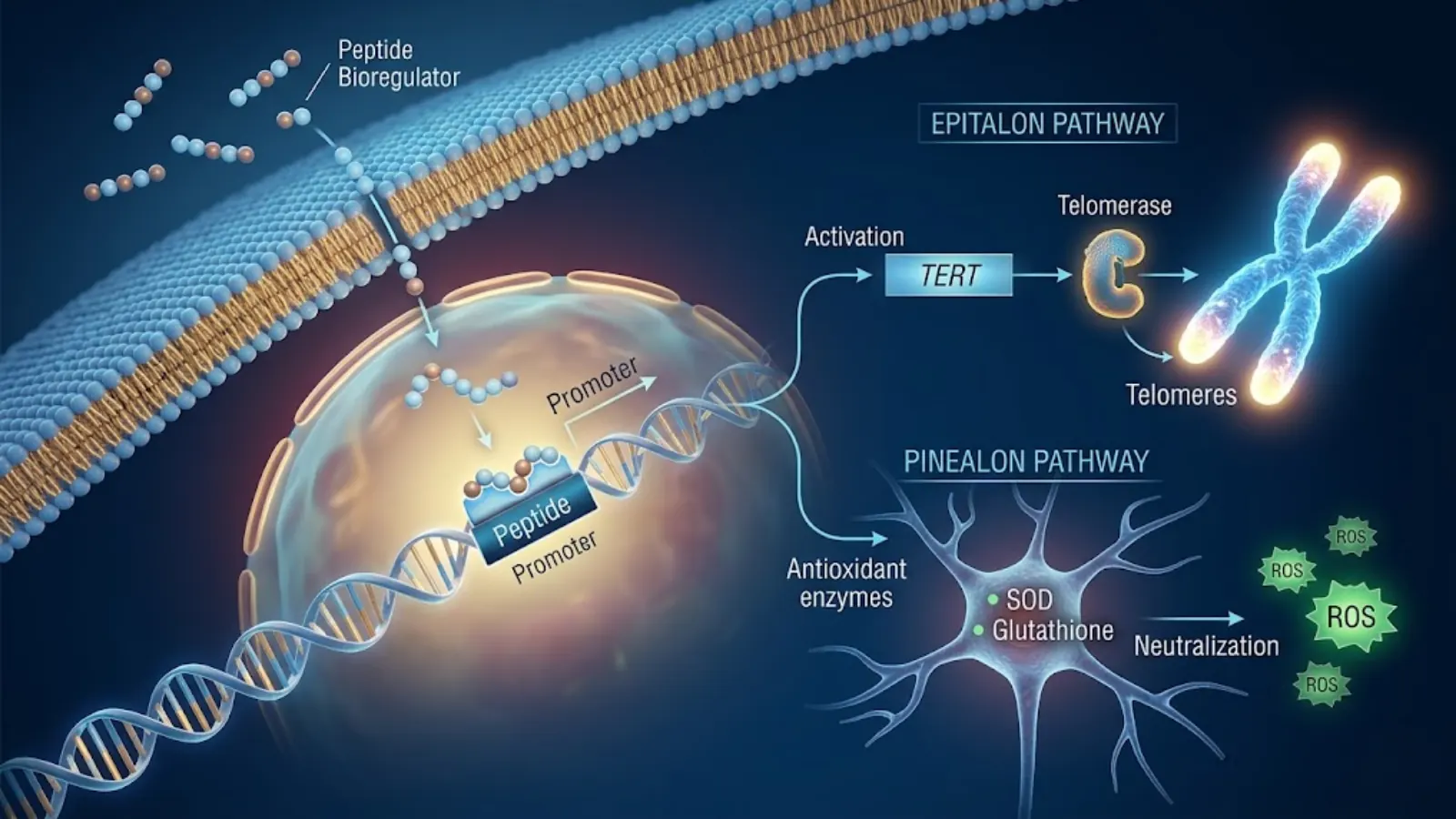
Fig 1: Conceptual rendering of epigenetic peptides binding to promoter regions, illustrating the activation of the TERT gene for telomere extension and antioxidant enzyme upregulation.
To understand this, we must look at the Hayflick Limit. Every time a somatic cell divides, the protective caps at the ends of its chromosomes—the telomeres—shorten. When these telomeres degrade to a critical length, the cell can no longer safely replicate and enters a state of replicative senescence. Senescent “zombie” cells cease to function optimally and begin secreting pro-inflammatory cytokines, driving systemic aging and tissue degradation.
Epitalon directly binds to the promoter region of the TERT gene (Telomerase Reverse Transcriptase). By inducing the transcription of this gene, Epitalon stimulates the production of the telomerase enzyme. This enzyme actively adds DNA sequence repeats (TTAGGG in humans) back onto the telomere ends. In rigorous in vitro laboratory studies utilizing human fibroblast cell cultures, Epitalon administration successfully elongated telomeres to sizes comparable to those of nascent cells, effectively overriding the Hayflick limit and extending the cellular replicative lifespan by up to 33%. This is a profound mechanism for delaying cellular senescence and retaining tissue elasticity and function.
Melatonin Production and Circadian Rhythm Repair
Beyond telomere elongation, Epitalon exerts a powerful regulatory effect on the endocrine system, specifically by resetting the pineal gland. As we age, pineal gland calcification and degradation lead to a steep decline in endogenous melatonin production. This does not merely cause insomnia; it disrupts the entire circadian rhythm, impairing the deep, slow-wave sleep architecture required for nighttime cellular repair and memory consolidation.
Epitalon acts directly on the pinealocytes, stimulating them to resume youthful levels of melatonin synthesis and secretion. Crucially, it does not act as an exogenous hormone replacement, which would suppress the body’s natural production. Instead, it rehabilitates the gland’s functional capacity, normalizing the rhythm of cortisol in the morning and melatonin at night. This normalization cascades throughout the body, improving metabolic regulation, immune system surveillance, and antioxidant capacity.
4. What is Pinealon? The Neuroprotective Agent
While Epitalon acts as a systemic, whole-body biological timekeeper, Pinealon is a highly specialized, localized repairman. It is formulated specifically for the Central Nervous System (CNS), targeting the cortex of the brain to mitigate damage and enhance neurological function.
Origin and Chemical Structure
Pinealon is a synthetic tripeptide designed to mirror the naturally occurring peptide fractions found in the brain cortex (the endogenous counterpart is often associated with the extract Cortexin). Its molecular sequence is exceptionally short and precise: L-Glutamyl-L-Aspartyl-L-Arginine (Glu-Asp-Arg). Because it is only three amino acids long, its molecular weight is remarkably low, allowing it to easily cross the blood-brain barrier (BBB) and rapidly diffuse into neuronal tissue upon systemic administration.
Targeted Neuroprotection Mechanisms
The brain is a metabolically demanding organ, consuming roughly 20% of the body’s oxygen despite accounting for only 2% of its weight. This intense metabolic activity produces a vast amount of Reactive Oxygen Species (ROS) as a byproduct of mitochondrial ATP generation. When the generation of ROS outpaces the brain’s endogenous antioxidant defenses, oxidative stress occurs, leading to lipid peroxidation, protein misfolding, and ultimately, neuronal apoptosis (cell death).
Pinealon acts as a profound neuroprotective shield against this oxidative stress. Its primary mechanism involves penetrating brain cells and interacting with the DNA to upregulate the synthesis of endogenous antioxidant enzymes, such as superoxide dismutase (SOD) and glutathione peroxidase. Furthermore, under conditions of cellular hypoxia (oxygen deprivation) or excitotoxicity (overactivation of NMDA receptors by excess glutamate), Pinealon stabilizes the mitochondrial membrane potential. By preventing the leakage of cytochrome c from the mitochondria into the cytosol, it actively halts the cascade that leads to programmed cell death. This makes it an incredibly valuable peptide in research surrounding stroke recovery, traumatic brain injury (TBI), and chronic neurodegenerative pathways.
Cognitive Enhancement and Memory
For the advanced biohacker or researcher focusing on human optimization, Pinealon offers acute cognitive benefits. By reducing the ambient “noise” of neuroinflammation and oxidative stress, neural signaling becomes vastly more efficient.
Furthermore, Pinealon has been shown in laboratory models to stimulate neuroplasticity—the brain’s ability to form new synaptic connections. It facilitates the upregulation of Brain-Derived Neurotrophic Factor (BDNF), a critical protein responsible for dendritic branching and the survival of newly generated neurons. Practically, this translates to improved memory consolidation, enhanced focus, a reduction in “brain fog,” and a faster recovery rate from intense cognitive exertion or psychological stress.
5. Pinealon vs Epitalon: Core Mechanisms Compared
Understanding the structural and functional divergence between these two bioregulators is crucial for structuring an effective research or biohacking protocol. The debate of pinealon vs epitalon is not about which peptide is “better,” but rather which specific biological pathway you are attempting to optimize.
Systemic Longevity vs. Targeted Tissue Repair
The most critical distinction is scope. Epitalon is a systemic modifier. By resetting the pineal gland and activating telomerase globally, its effects are distributed across the entire organism. It dictates the macro-rhythms of the body: how well you sleep, how robustly your immune system functions, and how long your cells can divide before succumbing to senescence.
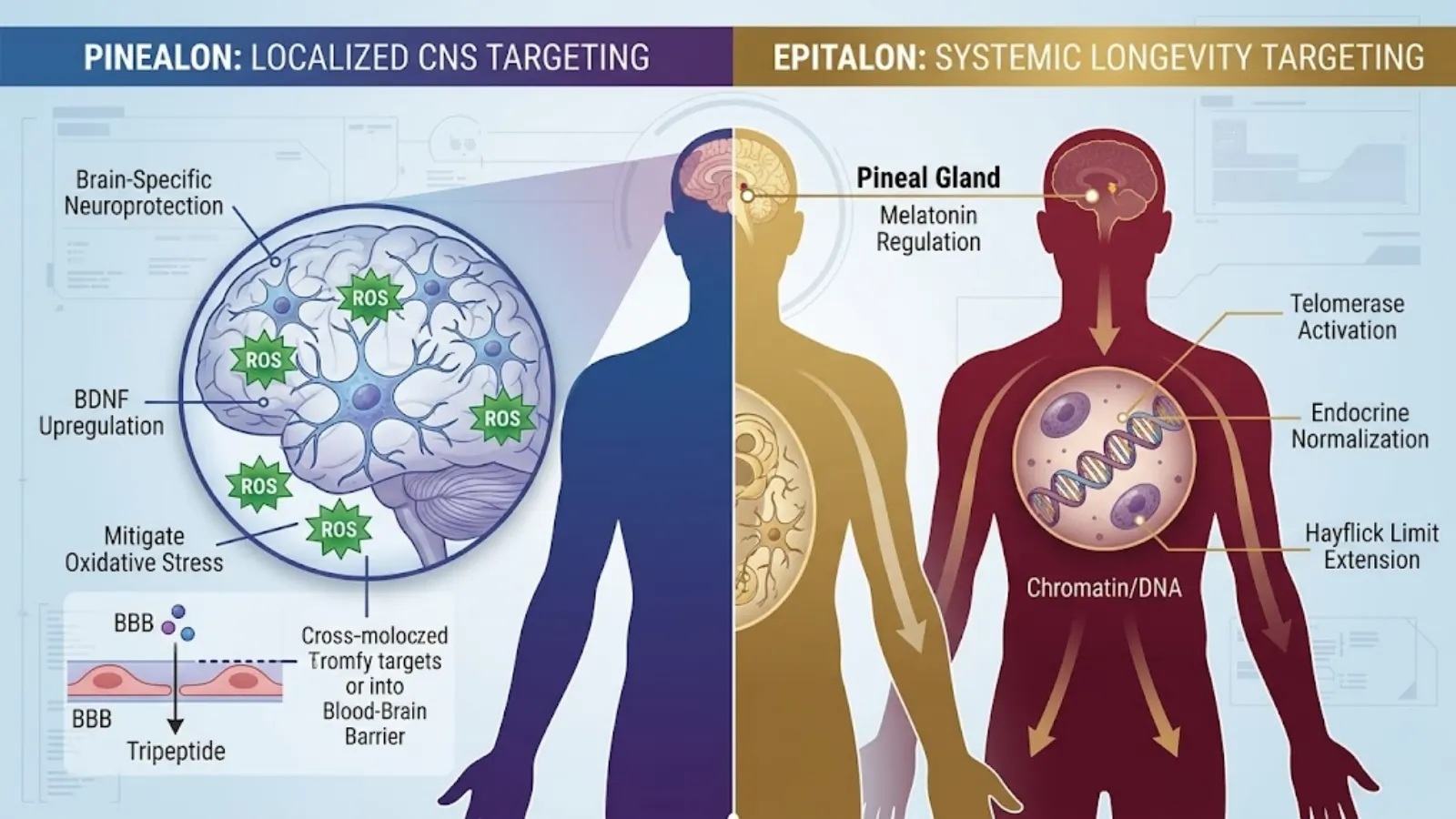
Fig 2: Physiological Targeting Map highlighting the systemic effects of Epitalon versus the localized central nervous system benefits of Pinealon.
Pinealon is a localized modifier. Its epigenetic programming is tissue-specific to the neuroectoderm. It acts as triage and optimization specifically for brain tissue. While Epitalon extends the total lifespan of the organism, Pinealon is concerned with extending the healthspan of the brain, ensuring that cognitive faculties remain sharp, resilient, and highly functional regardless of the organism’s chronological age.
Impact on the Central Nervous System (CNS)
Both peptides have a profoundly positive impact on the brain, but they achieve this through distinct vectors.
- Epitalon’s impact on the brain is secondary and systemic. By restoring deep sleep architecture through melatonin regulation, the brain has more time to clear out metabolic waste (like amyloid-beta plaques) via the glymphatic system. By elongating telomeres in glial cells, it prevents neurodegeneration associated with cellular aging.
- Pinealon’s impact on the brain is primary and direct. It enters the neurons directly to shut down oxidative damage, prevent hypoxia-induced cell death, and stimulate the immediate structural remodeling of synapses.
Summary Comparison Table
To synthesize the complex data, the following table provides a high-level, comparative overview of the two bioregulators for laboratory and clinical reference.
| Feature / Metric | Pinealon (Glu-Asp-Arg) | Epitalon (Ala-Glu-Asp-Gly) |
|---|---|---|
| Amino Acid Length | Tripeptide (3 AAs) | Tetrapeptide (4 AAs) |
| Primary Target Organ | Brain Cortex / Central Nervous System | Pineal Gland / Systemic Chromatin |
| Core Mechanism of Action | ROS Scavenging, BDNF Upregulation, Hypoxia Mitigation | Telomerase Activation (TERT expression), Melatonin Normalization |
| Scope of Effect | Highly Localized (Tissue-Specific) | Highly Systemic (Whole Body) |
| Primary Cognitive Benefit | Acute focus, memory consolidation, rapid neuro-repair | Slow-wave sleep restoration, long-term circadian regulation |
| Role in Senescence | Prevents premature neuronal apoptosis | Extends cellular replicative lifespan (Hayflick Limit) |
| Best Suited For | Cognitive decline, TBI recovery, intense mental exertion | General anti-aging, longevity protocols, sleep disorders |
6. Clinical Data and In Vitro Research (B2B & Laboratory Focus)
For laboratory researchers, synthesis facilities, and wholesale biotechnology distributors, understanding the empirical data behind bioregulators is paramount. The clinical and in vitro landscape for Khavinson peptides is robust, heavily documented in Russian medical literature, and increasingly validated by Western longevity institutes.
Evaluating Epitalon Efficacy in Lab Settings
The most compelling data regarding Epitalon stems from its behavior in in vitro human cell cultures and long-term in vivo mammalian models. In landmark studies conducted at the St. Petersburg Institute of Bioregulation and Gerontology, human fetal fibroblasts were cultured and allowed to reach the brink of their Hayflick limit—the point at which cellular division ceases due to critical telomere attrition.
Upon the introduction of Epitalon into the culture medium, researchers observed a statistically significant upregulation of TERT mRNA. The telomerase enzyme actively rebuilt the telomere caps, allowing the fibroblasts to undergo an additional 10 to 12 cellular divisions beyond their predetermined limit. Furthermore, in long-term in vivo studies on murine models and Drosophila melanogaster (fruit flies), Epitalon administration consistently yielded a 12% to 33% increase in mean lifespan. In clinical observations of elderly human cohorts, cyclical administration over 15 years demonstrated a marked reduction in cardiovascular mortality and a significant preservation of neuroendocrine function compared to control groups.
Evaluating Pinealon in Neurogenesis Studies
While Epitalon research heavily indexes on lifespan extension, Pinealon data is strictly focused on neurological salvage and optimization. In in vitro models utilizing rat cerebral cortex neurons subjected to extreme oxidative stress (often induced by hydrogen peroxide or glutamate excitotoxicity), Pinealon demonstrated a profound cytoprotective effect.
The peptide rapidly penetrates the nuclear membrane of the distressed neurons, binding to the DNA to upregulate the synthesis of endogenous antioxidant enzymes. Studies show that Pinealon drastically reduces the intracellular accumulation of reactive oxygen species (ROS) and prevents the depolarization of mitochondrial membranes. In clinical human trials involving populations suffering from traumatic brain injury (TBI), chronic cerebrovascular insufficiency, and age-related cognitive decline, Pinealon administration yielded measurable improvements in EEG topography, memory retention metrics, and overall psychomotor speed.
Laboratory Synergy
Current B2B biotechnology research is heavily focused on the synergistic potential of combining these epigenetic modulators. Researchers are investigating whether the systemic telomerase activation of Epitalon provides a more robust physiological foundation that amplifies the localized neuro-repair initiated by Pinealon. In vitro co-administration models are currently exploring if the simultaneous upregulation of antioxidant enzymes (Pinealon) and stabilization of chromatin (Epitalon) yields exponential, rather than merely additive, cellular resilience.
7. Advanced Biohacking Applications: Protocols and Stacking (B2C Focus)
For the advanced B2C biohacker, clinical data must be translated into actionable, highly structured protocols. It is critical to understand that peptide bioregulators are not utilized like traditional supplements; they are not meant to be taken continuously year-round. Because they act as epigenetic triggers, the goal is to administer a concentrated “pulse” that resets the cellular machinery, and then allow the body to operate autonomously on that updated biological software.
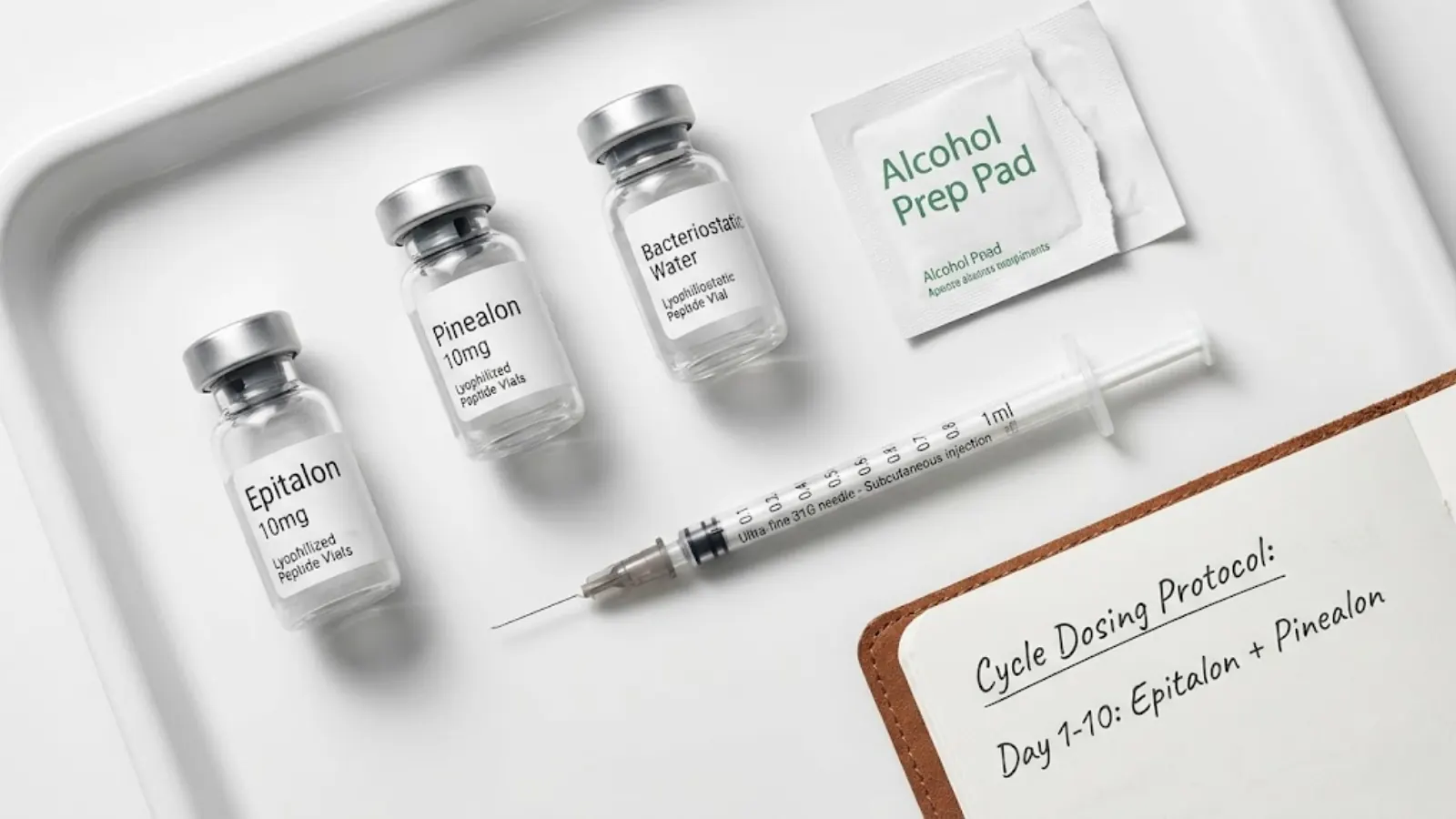
Fig 3: Advanced biohacking flat lay displaying essential protocol tools for a synergistic peptide cycle.
Standard Epitalon Dosing Protocols
The original “Khavinson cycle” utilized in Russian clinical trials is the foundational protocol for Epitalon. It is designed to administer a profound systemic reset.
- The Classic Protocol: 10mg of lyophilized Epitalon administered via subcutaneous (SubQ) or intramuscular (IM) injection daily for 10 to 20 consecutive days. This equates to a total cycle dosage of 100mg to 200mg.
- Frequency: This cycle is typically repeated only once or twice a year (every 6 to 12 months) depending on the biological age and the degree of circadian dysregulation of the individual.
- Modern Low-Dose Protocols: Many contemporary longevity practitioners have adapted this into a more sustained, lower-dose protocol, such as 1mg injected daily or 5mg injected twice a week for a longer duration, though the classic 100mg-200mg pulse remains the clinical standard.
Standard Pinealon Dosing Protocols
Because Pinealon is targeted toward acute neurological repair and cognitive optimization, its cycles are often shorter but can be repeated more frequently depending on cognitive demands or recovery needs.
- The Cognitive Repair Cycle: 10mg administered SubQ daily for 10 days (100mg total cycle).
- Frequency: Biohackers utilizing Pinealon for intense periods of cognitive work, or in the aftermath of a concussion or heavy psychological stress, may run this 10-day cycle every 3 to 4 months.
Synergistic Stacking: Taking Pinealon and Epitalon Together
When evaluating pinealon vs epitalon, advanced practitioners often conclude that utilizing both simultaneously offers a comprehensive anti-aging strategy. Stacking these two peptides targets both the systemic biological clock and the specific high-demand tissue of the brain.
| Protocol Phase | Epitalon Dosage | Pinealon Dosage | Administration Route | Duration |
|---|---|---|---|---|
| Days 1 – 10 | 10mg / daily | 10mg / daily | Subcutaneous (SubQ) | 10 Days |
| Days 11 – 20 | 10mg / daily | None (Cycle Complete) | Subcutaneous (SubQ) | 10 Days |
| Off-Cycle | None | None | N/A | 4 – 6 Months |
Note: In a synergistic stack, Pinealon is typically run for the first 10 days to quickly scavenge neuro-inflammation, while Epitalon is run for a full 20 days to ensure robust telomerase activation and circadian reset. They can be injected at the same time but should generally be drawn into separate syringes to preserve molecular stability.
8. Sourcing, Purity, and Reconstitution
The efficacy of any peptide protocol is entirely dictated by the quality of the raw material. For both laboratory researchers securing wholesale supply and advanced biohackers purchasing for personal research, stringent sourcing parameters must be established.
The Importance of HPLC Purity Testing
Synthesizing ultra-short amino acid chains requires complex chemical processes that invariably leave behind impurities, including truncated peptide fragments and potentially toxic chemical reagents like Trifluoroacetic acid (TFA).

Fig 4: Professional laboratory setting demonstrating strict HPLC purity analysis for synthetic research peptides.
Reputable suppliers must provide third-party Certificates of Analysis (CoAs) featuring High-Performance Liquid Chromatography (HPLC) and Mass Spectrometry (MS) data. For legitimate in vitro or in vivo research, the peptide must demonstrate a minimum purity of >99%. Anything less risks introducing immunogenic fragments that can trigger an inflammatory response, completely negating the therapeutic intent of the bioregulator.
Lyophilized Peptide Stability and Storage
Bioregulators are shipped in a lyophilized (freeze-dried) state to maintain their molecular integrity. In this state, they are relatively stable but are still sensitive to extreme heat and UV radiation.
- Short-term storage: Lyophilized vials can be stored in a dark, temperature-controlled environment (like a standard refrigerator) for several months.
- Long-term storage: For wholesale or bulk laboratory storage, lyophilized vials should be kept in a deep freezer at -20°C or lower, where they can remain stable for 24 to 36 months without degradation.
Reconstitution Guidelines
To utilize the peptide, it must be reconstituted into a liquid solution using bacteriostatic water (water containing 0.9% benzyl alcohol to inhibit bacterial growth).
- The Golden Rule of Reconstitution: Never shake a peptide vial. Shaking creates physical shear forces that can cleave the delicate amino acid bonds, rendering the peptide inert. The bacteriostatic water should be injected slowly down the side of the glass vial, and the vial should be gently swirled or rolled between the palms until the lyophilized puck is completely dissolved into a clear liquid. Once reconstituted, the vial must be kept refrigerated at all times and typically remains viable for 21 to 28 days.
9. Safety Profiles and Potential Side Effects
One of the defining characteristics of Khavinson peptide bioregulators is exceptionally high safety profile and low toxicity. Because they are ultra-short amino acid sequences that mirror endogenous molecules already present within the human body, the immune system rarely recognizes them as foreign antigens.
Known Contraindications
There are very few hard contraindications for either peptide. However, because Epitalon heavily influences the endocrine system and cellular replication, it is generally advised that individuals with active oncological conditions (cancer) consult a specialist before attempting telomerase activation therapies. While Epitalon normalizes cellular function rather than acting as a traditional growth factor, the interaction between telomerase and malignant cells remains a highly nuanced field of study.
Managing Side Effects
Adverse reactions are incredibly rare and typically benign.
- Injection Site Reactions: The most common side effect is localized erythema (redness) or mild pruritus (itching) at the subcutaneous injection site. This is often a reaction to the benzyl alcohol in the bacteriostatic water, not the peptide itself.
- Circadian Shifts: When initiating an Epitalon cycle, users frequently report highly vivid dreams and temporary shifts in their sleep architecture as the pineal gland “reboots” and natural melatonin rhythms are re-established.
Long-term Efficacy vs. Diminishing Returns
Continuous, daily administration of peptide bioregulators is strongly discouraged. Because they act on the epigenetic level to trigger cellular synthesis, constant saturation of the DNA binding sites leads to receptor downregulation and epigenetic exhaustion. To maintain long-term efficacy, researchers must respect the “pulse and pause” methodology. The profound benefits of these peptides are realized in the months following the cycle, as the newly synthesized proteins go to work repairing the organism.
10. Frequently Asked Questions
What is the difference between Pinealon and Epitalon for longevity?
When comparing pinealon vs epitalon for longevity, Epitalon is the primary choice. Epitalon acts systemically to extend cellular lifespan by activating telomerase and restoring deep sleep through pineal gland regulation. Pinealon acts locally, focusing purely on protecting the brain from oxidative stress and cognitive decline.
Can you stack Pinealon and Epitalon in the same cycle?
Yes, stacking Pinealon and Epitalon is highly effective. Taking them together provides a synergistic approach to anti-aging. Epitalon repairs the systemic biological clock and lengthens telomeres, while Pinealon provides acute, targeted neuroprotection and cognitive enhancement, optimizing both the body and the brain simultaneously.
Which peptide is better for cognitive enhancement, Pinealon or Epitalon?
For direct, acute cognitive enhancement, Pinealon is vastly superior. It specifically targets the central nervous system to scavenge reactive oxygen species, reverse cellular hypoxia, and stimulate neuroplasticity. Epitalon improves brain function indirectly by restoring sleep quality, but it lacks Pinealon’s immediate neuro-reparative mechanisms.
How long does a standard Khavinson peptide cycle last?
A standard Khavinson peptide cycle typically lasts between 10 and 20 consecutive days. The traditional clinical protocol requires daily subcutaneous or intramuscular injections of 10mg per day. Once the 10-to-20-day cycle is complete, the peptides are discontinued for four to six months.
Do I need to cycle off Epitalon and Pinealon?
Yes, cycling off peptide bioregulators is absolutely mandatory. They act as epigenetic triggers that command the DNA to synthesize proteins. Continuous use will lead to receptor downregulation and cellular exhaustion. You must administer a 10-to-20-day pulse, followed by months of recovery to see benefits.
11. Key Takeaways
- Distinct Targets: In the debate of pinealon vs epitalon, understand that Epitalon is a systemic longevity agent (telomeres and circadian rhythm), while Pinealon is a localized neuroprotective agent (brain cortex and cognitive function).
- Epigenetic Action: Both are ultra-short Khavinson peptide bioregulators that penetrate the cell nucleus to upregulate gene transcription, forcing the body to heal itself naturally rather than artificially altering hormone levels.
- Synergy is Possible: Advanced biohacking protocols frequently combine both peptides into a single 10-to-20-day cycle to achieve both whole-body anti-aging and acute neurological repair.
- Quality is Non-Negotiable: Whether you are a B2B laboratory or a B2C researcher, sourcing >99% pure, HPLC-verified lyophilized peptides is critical to avoid immunogenic responses and ensure clinical efficacy.
- Cyclical Nature: These compounds are strictly designed for short, intensive cycles (e.g., 10 days on, 6 months off). Continuous use defeats their biological mechanism of action.
The future of longevity and regenerative medicine relies heavily on our ability to speak the native language of our DNA. Peptide bioregulators represent one of the most promising translation tools currently available to modern science.