
Retatrutide vs. Semaglutide: The Complete Guide to Triple Agonists vs. GLP-1s for Research and Metabolic Optimization

Disclaimer: The following article is for educational and informational purposes only. The compounds discussed herein, including Retatrutide and Semaglutide, are strictly for laboratory research use only and are not intended for human consumption, unapproved clinical application, diagnostic, or therapeutic use.
Retatrutide vs. Semaglutide: The Complete Guide to Triple Agonists vs. GLP-1s for Research and Metabolic Optimization
Quick Answer: Retatrutide vs Semaglutide at a Glance
When comparing retatrutide vs semaglutide, semaglutide is a well-established GLP-1 receptor mono-agonist proven to yield roughly 15% body weight reduction while optimizing glycemic control. Retatrutide is a novel, experimental triple-agonist targeting GLP-1, GIP, and Glucagon receptors. This “triple-G” synergy significantly increases resting energy expenditure, driving an unprecedented ~24% weight loss and near-complete liver fat clearance within 48 weeks.
Table of Contents
- 1. Introduction: The Evolution of Metabolic Optimization
- 2. Understanding Semaglutide: The GLP-1 Gold Standard
- 3. Understanding Retatrutide: The Triple-Receptor Agonist Breakthrough
- 4. Retatrutide vs Semaglutide: Head-to-Head Clinical Data
- 5. Research and Metabolic Optimization Applications
- 6. Dosing and Administration Protocols for Research
- 7. Safety, Tolerability, and Side Effect Profiles
- 8. The Future of Peptides in Weight Management
- 9. Frequently Asked Questions (FAQs)
- 10. Key Takeaways
1. Introduction: The Evolution of Metabolic Optimization
Over the last decade, the landscape of metabolic endocrinology and obesity management has undergone a profound paradigm shift. Historically, pharmacological interventions for metabolic syndrome, adiposity, and type 2 diabetes mellitus (T2DM) yielded modest results with often unfavorable safety profiles. However, the advent of incretin mimetics—peptide hormones that artificially replicate the gut-brain-pancreas signaling matrix—has revolutionized our approach to systemic metabolic optimization.
In the early days of this peptide renaissance, research focused heavily on single-receptor targets. We learned that by agonizing the Glucagon-Like Peptide-1 (GLP-1) receptor, we could dramatically influence both peripheral insulin sensitivity and central appetite regulation. This era was defined by molecules like semaglutide, which set a historically high gold standard for adiposity reduction and cardiovascular risk mitigation.
However, human metabolism is rarely dictated by a single hormonal pathway. It is a deeply interconnected network of redundant, compensatory systems. Researchers rapidly realized that while single-target agonism is effective, poly-agonist peptides—molecules engineered to simultaneously unlock multiple receptor sites—could exploit biological synergy. This realization catalyzed the shift from mono-agonists (like semaglutide) to dual-agonists (like tirzepatide, targeting GLP-1 and GIP) and, currently, to the frontier of triple-agonists.
Enter retatrutide, a meticulously engineered peptide capable of agonizing GLP-1, GIP, and Glucagon receptors simultaneously. As we analyze the clinical and biochemical debate of retatrutide vs semaglutide, we are not merely comparing two weight-loss drugs. We are observing the evolution of molecular biochemistry, contrasting a highly perfected single-pathway tool against a multi-modal metabolic Swiss Army knife designed to fundamentally rewire energy utilization, nutrient partitioning, and hepatic lipid clearance.
2. Understanding Semaglutide: The GLP-1 Gold Standard
To appreciate the advancements brought by novel triple-agonists, one must thoroughly understand the biochemical foundation laid by semaglutide. As a mono-agonist, semaglutide specifically targets and activates the GLP-1 receptor (GLP-1R), a G-protein-coupled receptor found ubiquitously throughout the pancreas, gastrointestinal tract, heart, and central nervous system.
Mechanism of Action: The Biochemistry of GLP-1 Agonism
Endogenous GLP-1 is an incretin hormone secreted by intestinal enteroendocrine L-cells in response to nutrient ingestion. Its natural half-life is remarkably brief—typically less than two minutes—due to rapid enzymatic degradation by dipeptidyl peptidase-4 (DPP-4).
Semaglutide was molecularly engineered to overcome this rapid clearance. By substituting a key amino acid (alpha-aminoisobutyric acid at position 8) and attaching a C18 fatty diacid spacer to a lysine residue at position 26, biochemists created a peptide that powerfully resists DPP-4 cleavage and non-covalently binds to serum albumin. This structural modification extends semaglutide’s half-life to roughly 165 hours, allowing for once-weekly administration while maintaining steady-state plasma concentrations.
Once circulating, semaglutide exerts its metabolic effects via three primary mechanisms:
- Pancreatic Beta-Cell and Alpha-Cell Modulation: Semaglutide binds to pancreatic beta-cells to stimulate glucose-dependent insulin secretion. Crucially, it simultaneously suppresses glucagon secretion from pancreatic alpha-cells, mitigating inappropriate hepatic gluconeogenesis (the liver’s release of stored sugar).
- Gastric Emptying Deceleration: It significantly slows the rate at which the stomach empties its contents into the duodenum. This delayed gastric emptying not only blunts postprandial glucose spikes but also sustains physical gastric distension, triggering vagal nerve signals to the brain that signify fullness.
- Central Nervous System (CNS) Anorexigenic Signaling: Semaglutide crosses the blood-brain barrier, directly targeting the arcuate nucleus of the hypothalamus. Here, it upregulates POMC/CART (anorexigenic/appetite-suppressing) neurons while strongly downregulating NPY/AgRP (orexigenic/appetite-stimulating) neurons. The result is a profound, systemic reduction in hunger and “food noise.”
Key Clinical Outcomes: The STEP Trials
The efficacy of semaglutide is universally anchored in the highly regarded STEP (Semaglutide Treatment Effect in People with obesity) clinical trial program. Across these multi-center, double-blind, placebo-controlled trials, semaglutide administered at 2.4 mg weekly demonstrated unprecedented efficacy for a mono-agonist.
In the STEP 1 trial, non-diabetic subjects with a BMI ≥ 30 (or ≥ 27 with comorbidities) achieved an average body weight reduction of approximately 14.9% over 68 weeks. Furthermore, the SELECT trial recently provided compelling evidence that semaglutide does not just reduce adiposity but fundamentally improves cardiovascular outcomes, showing a 20% reduction in major adverse cardiovascular events (MACE) in patients with pre-existing cardiovascular disease.
Semaglutide represents the absolute pinnacle of what can be achieved by modulating the GLP-1 pathway alone. It is the established, FDA-approved, widely accessible benchmark against which all future incretin mimetics must be measured.
3. Understanding Retatrutide: The Triple-Receptor Agonist Breakthrough
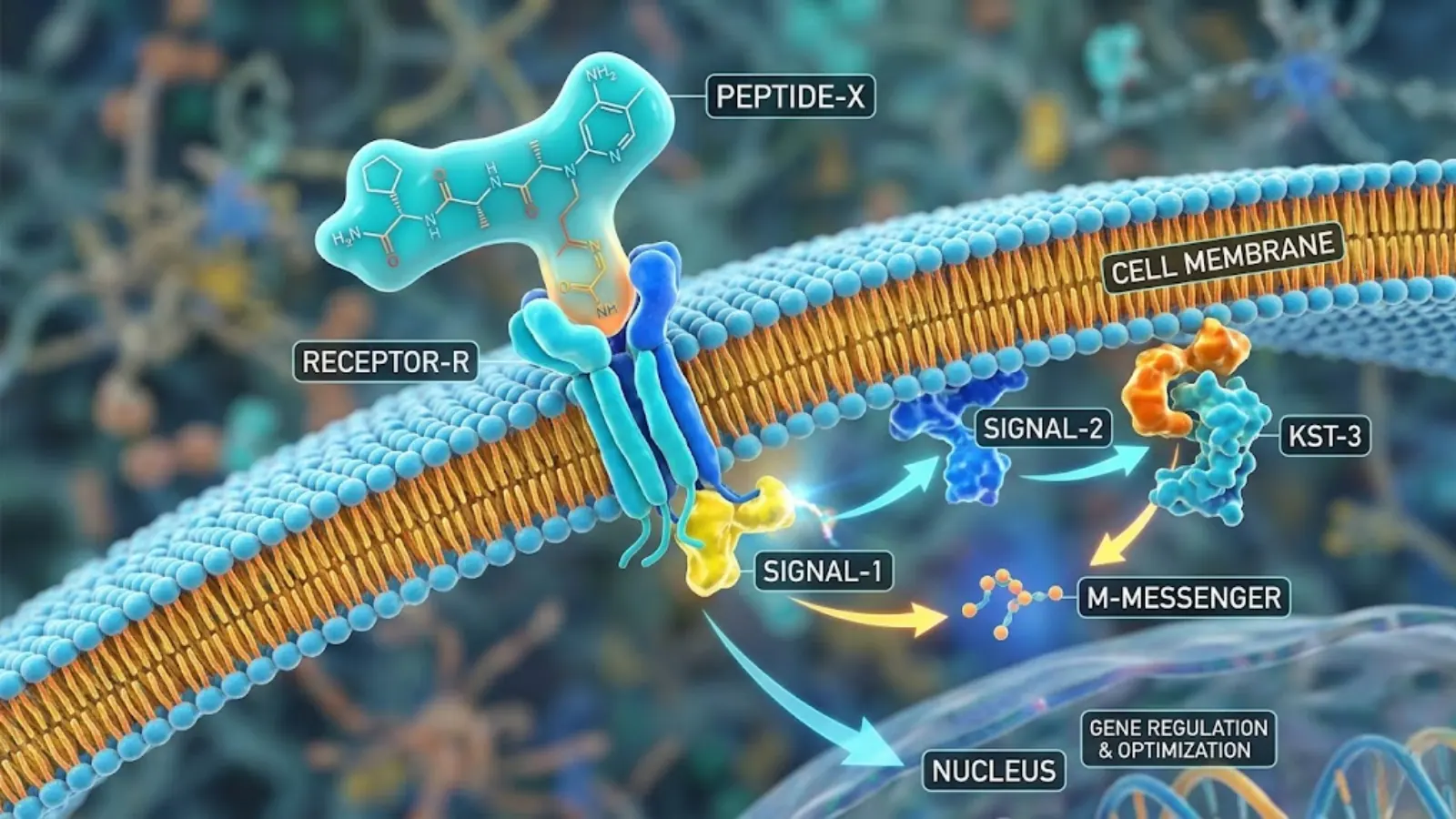
Visualizing the breakthrough: How Retatrutide simultaneously engages GLP-1, GIP, and Glucagon receptors for synergistic metabolic output.
While semaglutide masterfully controls caloric intake by suppressing appetite, it does not directly increase the body’s baseline caloric burn rate. This is where the biological ceiling of mono-agonists is reached. Retatrutide breaks through this ceiling by introducing a revolutionary “Triple G” mechanism, making it the most potent metabolic intervention currently in clinical trials.
The “Triple G” Mechanism Explained
Retatrutide (LY3437943) is a single, synthetic peptide consisting of 39 amino acids. Its structural backbone is based on the GIP sequence, but it has been heavily modified with a C20 fatty diacid moiety to extend its half-life for once-weekly dosing. What makes retatrutide a marvel of modern biochemistry is its highly calibrated binding affinity to three distinct receptors:
- GLP-1 Receptor (GLP-1R): Provides the foundational appetite suppression, central nervous system satiety, and delayed gastric emptying seen in semaglutide.
- GIP Receptor (GIPR): Glucose-dependent insulinotropic polypeptide (GIP) acts synergistically with GLP-1. GIP agonism enhances meal-stimulated insulin release, improves lipid buffering within white adipose tissue (preventing ectopic fat deposition), and has been shown to alleviate the harsh nausea commonly associated with heavy GLP-1 agonism.
- Glucagon Receptor (GCGR): This is the defining differentiator. Glucagon is traditionally viewed as the counter-regulatory hormone to insulin—its natural job is to raise blood sugar during fasting states. However, retatrutide leverages glucagon’s secondary, highly desirable metabolic properties.
Why Glucagon Matters for Fat Loss
The inclusion of glucagon agonism in a metabolic therapy initially seemed paradoxical to many endocrinologists. Why would you want to stimulate the glucagon receptor when trying to treat metabolic syndrome and diabetes? The answer lies in the synergistic balance provided by the concurrent GLP-1 and GIP activation.
When isolated, glucagon agonism drives hepatic glucose production, causing hyperglycemia. However, when paired with the powerful insulin-stimulating and glucose-lowering effects of GLP-1 and GIP, this glycemic spike is entirely neutralized.
With blood sugar effectively buffered, retatrutide is free to unleash the unique physiological benefits of glucagon agonism without the metabolic penalty. These benefits include:
- Massive Increases in Resting Energy Expenditure (REE): GCGR activation heavily stimulates mitochondrial uncoupling and lipid oxidation in the liver and adipose tissue. It literally forces the body to burn more calories at rest by upregulating thermogenesis.
- Hepatic Lipid Clearance: Glucagon receptors are densely populated in the liver. Activating them initiates rapid beta-oxidation of hepatic lipids. This mechanism actively drains fat out of the liver, reversing hepatic steatosis (fatty liver disease) at a speed and scale previously thought impossible with pharmacology.
- Enhanced Lipolysis: Glucagon directly stimulates hormone-sensitive lipase (HSL) in adipocytes, aggressively breaking down stored triglycerides into free fatty acids to be burned for fuel.
Retatrutide attacks the obesity equation from both sides simultaneously: it profoundly restricts caloric intake (via GLP-1/GIP) while forcefully ramping up caloric expenditure and fat oxidation (via Glucagon).
4. Retatrutide vs Semaglutide: Head-to-Head Clinical Data

Comparative Efficacy: Analyzing the unprecedented weight loss trajectory of Retatrutide (Triple Agonist) against Semaglutide (Mono Agonist) over time.
The true magnitude of the retatrutide vs semaglutide debate is best understood by examining the clinical trial data. While semaglutide boasts an extensive history of Phase 4 post-market data, retatrutide’s Phase 2 trial results have shattered existing paradigms regarding how rapidly and safely pharmacological weight reduction can be achieved.
Weight Loss Efficacy Comparisons
When looking strictly at adiposity reduction, retatrutide operates in an entirely different weight class.
In the landmark Phase 2 trial published in the New England Journal of Medicine, obese patients administered the maximum tolerated dose of retatrutide (12 mg weekly) experienced a staggering 24.2% average body weight reduction at just 48 weeks. Remarkably, at the conclusion of the 48-week trial, the weight loss trajectory had not yet plateaued, suggesting that Phase 3 data (which will extend to 72 or 84 weeks) may reveal even higher total weight reduction percentages, potentially pushing past the 30% mark.
To put this in perspective, semaglutide’s STEP 1 trial yielded a 14.9% weight reduction at 68 weeks. Retatrutide is achieving nearly double the weight loss in significantly less time, primarily because it combines profound appetite suppression with the thermogenic, energy-expending properties of glucagon.
Glycemic Control and HbA1c Reduction
Both peptides are highly effective at optimizing glycemic control, though their mechanisms differ slightly due to the poly-agonist nature of retatrutide.
Semaglutide consistently lowers HbA1c in diabetic patients by an average of 1.5% to 1.8%, normalizing blood glucose levels largely through beta-cell insulin enhancement and delayed carbohydrate absorption.
Retatrutide’s Phase 2 data in T2DM patients showed comparable, if not slightly superior, HbA1c reductions (up to 2.0% at the highest doses). Despite the presence of glucagon agonism, the robust combination of GLP-1 and GIP overwhelmingly dictates the glycemic environment, proving that the tri-agonist approach is exceptionally safe and highly effective for blood sugar regulation.
Liver Fat Reduction and NAFLD
Perhaps the most clinically profound differentiator in the retatrutide vs semaglutide comparison is the impact on Non-Alcoholic Fatty Liver Disease (NAFLD).
Semaglutide achieves moderate reductions in liver fat (roughly 30-40% reduction in relative liver fat content) primarily as a secondary consequence of systemic weight loss. It does not exert a strong direct effect on hepatic lipid metabolism.
Retatrutide, driven by its direct targeting of the hepatic glucagon receptors, actively oxidizes liver fat. In Phase 2 trials focusing on subjects with NAFLD, retatrutide demonstrated an astonishing 86% average relative reduction in liver fat at 48 weeks. Even more impressively, 90% of the subjects experienced a normalization of liver fat levels, effectively curing their steatosis. This marks retatrutide not just as an anti-obesity medication, but potentially as a frontline cure for metabolic liver diseases.
Clinical Data Comparison Summary
| Clinical Metric | Semaglutide (2.4 mg/week) | Retatrutide (12 mg/week) |
|---|---|---|
| Receptor Targets | GLP-1 | GLP-1, GIP, GCGR (Glucagon) |
| Average Weight Loss | ~14.9% (at 68 weeks) | ~24.2% (at 48 weeks) |
| Appetite Suppression | High (CNS driven) | Very High (CNS driven) |
| Energy Expenditure (BMR) | Neutral to slightly reduced | Significantly Increased |
| Liver Fat Reduction | Moderate (secondary to weight loss) | Near-Complete Clearance (~86%) |
| HbA1c Reduction | Excellent (-1.5% to -1.8%) | Excellent (Up to -2.0%) |
| Current Clinical Status | FDA Approved (Ozempic/Wegovy) | Phase 3 Clinical Trials |
5. Research and Metabolic Optimization Applications
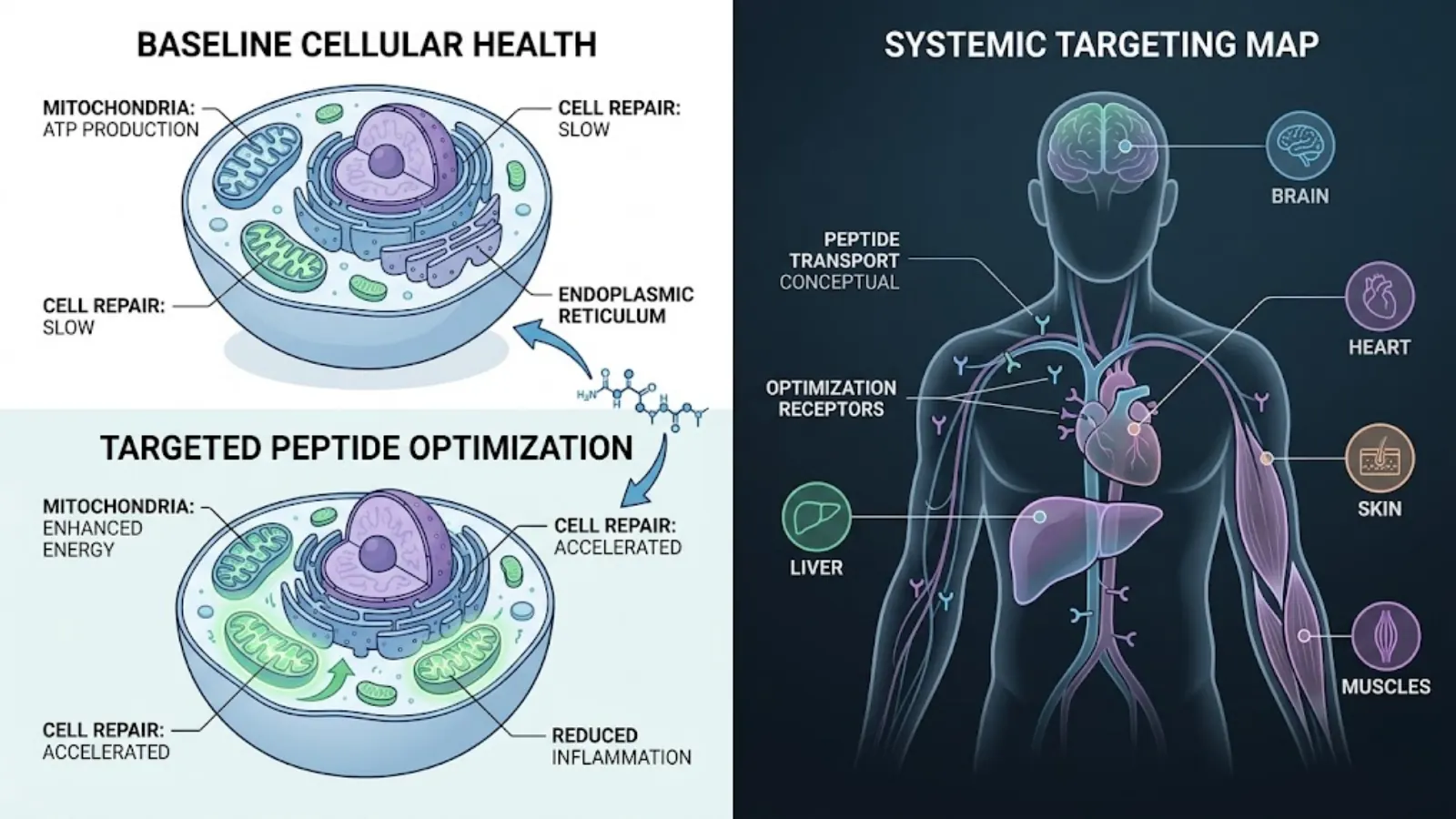
Physiological Synergy Mapping: Visualizing how Retatrutide’s triple agonism targets the Brain, Liver, Adipose Tissue, and Pancreas simultaneously to maximize metabolic output.
In the context of advanced metabolic research, the comparison of retatrutide vs semaglutide extends far beyond simple weight loss metrics. We must evaluate these peptides through the lens of nutrient partitioning, mitochondrial efficiency, and the preservation of lean functional tissue.
Body Composition and Muscle Preservation
A primary concern in the “GLP-1 era” is the quality of weight lost. In rapid weight reduction protocols, a significant portion of the mass lost can be skeletal muscle (sarcopenia), which ultimately lowers the basal metabolic rate (BMR) and increases the risk of weight regain (the “yo-yo” effect).
Semaglutide, as a potent appetite suppressant, primarily works through a caloric deficit. While effective, research indicates that without resistance training and high protein intake, roughly 25-40% of the weight lost on semaglutide can be lean mass.
Retatrutide introduces a fascinating biochemical variable: Glucagon. While glucagon is catabolic to adipose tissue, emerging research suggests that the GIP component of retatrutide may provide a protective effect on bone mineral density and potentially mitigate some muscle wasting by improving nutrient sensing. Furthermore, because retatrutide increases energy expenditure rather than relying solely on starvation-level caloric restriction, it may allow for a more favorable “P-ratio” (partitioning ratio), directing the body to prioritize the oxidation of white adipose tissue over the breakdown of amino acids from muscle.
Cardiovascular and Lipid Markers: A Deep Dive
Metabolic optimization requires a holistic view of the lipid profile. In clinical settings, semaglutide has shown an impressive ability to lower systolic blood pressure and reduce Total Cholesterol and LDL-C. This is largely attributed to the systemic reduction in inflammation and the loss of visceral fat.
Retatrutide, however, appears to exert a more aggressive effect on triglycerides. Because glucagon receptor activation stimulates the liver to export and oxidize lipids, retatrutide research subjects have shown a dramatic drop in circulating triglycerides and VLDL particles. In a direct comparison of retatrutide vs semaglutide, retatrutide may offer superior protection against atherosclerosis by more effectively clearing the “atherogenic triad” (high triglycerides, low HDL, and small dense LDL particles).
6. Dosing and Administration Protocols for Research
Understanding the pharmacokinetics and pharmacodynamics of these peptides is critical for designing rigorous research protocols. Both molecules are characterized by long half-lives, necessitated by their structural modifications, allowing for a steady-state concentration with once-weekly subcutaneous administration.
Standard Semaglutide Titration
The semaglutide protocol is well-defined by the STEP trials. The goal of titration is to minimize gastrointestinal distress while gradually upregulating receptor sensitivity.
- Weeks 1-4: 0.25 mg weekly (Loading phase)
- Weeks 5-8: 0.5 mg weekly
- Weeks 9-12: 1.0 mg weekly
- Weeks 13-16: 1.7 mg weekly
- Week 17+: 2.4 mg weekly (Maintenance dose)
Emerging Retatrutide Titration Schedules
Retatrutide dosing is still being refined in Phase 3 trials, but the Phase 2 data provides a clear roadmap. Given its triple-agonist potency, the titration must be handled with precision, particularly to monitor the heart rate response to the glucagon component.
- Initial Phase: 1 mg or 2 mg weekly.
- Escalation: Increasing by 2 mg every 4 weeks.
- Target Doses: Research doses typically settle at 4 mg, 8 mg, or 12 mg weekly, depending on the subject’s metabolic resistance and tolerability.
Comparative Pharmacokinetics Table
| Feature | Semaglutide | Retatrutide |
|---|---|---|
| Primary Sequence | Modified Human GLP-1 | GIP-Backbone Poly-agonist |
| Half-Life | ~165 Hours | ~160 Hours |
| Time to Peak (Tmax) | 24–72 Hours | 24–48 Hours |
| Administration | Subcutaneous (Once Weekly) | Subcutaneous (Once Weekly) |
| Molecular Weight | 4113.5 g/mol | 4731.3 g/mol |
7. Safety, Tolerability, and Side Effect Profiles
No discussion of retatrutide vs semaglutide is complete without a granular analysis of their safety profiles. While both are generally well-tolerated, the addition of the third receptor target (Glucagon) introduces unique physiological considerations.
Gastrointestinal (GI) Tolerability
GI side effects—nausea, diarrhea, and constipation—are the most common reasons for discontinuation in both groups.
- Semaglutide: Side effects are strictly dose-dependent and typically peak during the first 48 hours after an injection.
- Retatrutide: Interestingly, the inclusion of GIP (Glucose-dependent Insulinotropic Polypeptide) agonism may act as a buffer. GIP has receptors in the area postrema of the brain that may modulate the nausea response triggered by GLP-1. Consequently, many researchers have noted that despite the higher weight loss, the “nausea-to-weight-loss” ratio is often more favorable with retatrutide.
The Heart Rate Variable
A specific differentiator for retatrutide is its effect on resting heart rate (RHR). In Phase 2 trials, retatrutide subjects experienced a transient increase in RHR, typically peaking around 7–10 beats per minute (bpm). This is a known effect of glucagon receptor activation, which has mild positive chronotropic effects on cardiac tissue. In contrast, semaglutide typically results in a negligible or very slight (1–3 bpm) increase in RHR. For research subjects with pre-existing tachyarrhythmias, this makes the retatrutide vs semaglutide choice a critical safety consideration.
Summary of Adverse Events (AEs)
| Adverse Event | Semaglutide (High Dose) | Retatrutide (High Dose) |
|---|---|---|
| Nausea | 30–45% | 35–50% |
| Vomiting | 10–20% | 15–20% |
| Increased Heart Rate | Minimal (+1–3 bpm) | Notable (+7–10 bpm) |
| Hypoglycemia | Very Low (Glucose-dependent) | Very Low (Glucose-dependent) |
| Skin Sensitivity | Rare | Occasional (Hyperesthesia) |
8. The Future of Peptides in Weight Management

The Research Frontier: Precision metabolic optimization exploring synergistic stacks, including Triple Agonists, adjunct compounds, and advanced delivery systems.
We are currently witnessing the “Great Incretin Expansion.” While semaglutide proved the concept and retatrutide is pushing the limits of efficacy, the future of metabolic optimization lies in personalization and dual-pathway therapies.
Beyond the Triple Agonist
The next generation of research is already looking at “CagriSema“—a combination of semaglutide and cagrilintide (an amylin analogue). This combination aims to provide the weight loss of a triple agonist but with a different side-effect profile. However, retatrutide remains the only single-molecule peptide that addresses the “energy out” side of the equation so aggressively via glucagon.
Clinical Approval Timelines
Semaglutide is already a mature product with FDA approval for T2DM (Ozempic) and Obesity (Wegovy). Retatrutide is currently in the “TRIUMPH” Phase 3 clinical trial program. Expectations within the scientific community suggest a potential FDA filing in late 2025 or 2026. Until then, it remains the most sought-after molecule in metabolic research circles.
9. Frequently Asked Questions (FAQs)
Is retatrutide actually “stronger” than semaglutide?
In terms of pure weight loss percentage and the speed of hepatic fat clearance, yes. Retatrutide’s triple-agonist approach targets more metabolic pathways than semaglutide’s mono-agonist approach. However, “stronger” also implies a more significant physiological shift, requiring more careful monitoring of cardiovascular markers like heart rate.
Can research subjects switch directly from semaglutide to retatrutide?
In clinical trials, subjects are typically “washed out” or started at the lowest dose of a new peptide to avoid cumulative GI toxicity. Because retatrutide vs semaglutide involves different receptor affinities, a direct 1:1 milligram switch is not appropriate. A “cross-titration” where the subject restarts at the loading dose of retatrutide is the standard research consensus.
Does retatrutide cause more muscle loss because it works faster?
Speed of weight loss is often correlated with muscle loss, but retatrutide’s unique GIP and Glucagon signaling may help optimize where those calories are pulled from. Current research is ongoing to determine if the increased metabolic rate from glucagon spares lean mass more effectively than the simple caloric restriction of GLP-1 alone.
10. Key Takeaways
- Mechanism: The core difference in retatrutide vs semaglutide is receptor occupancy. Semaglutide is a GLP-1 mono-agonist, while retatrutide is a GLP-1/GIP/Glucagon triple-agonist.
- Efficacy: Retatrutide is the first peptide to demonstrate >24% weight loss in under a year, nearly doubling the established efficacy of semaglutide.
- Liver Health: Retatrutide is uniquely effective for NAFLD/MASLD, with an 86% reduction in liver fat observed in Phase 2 trials.
- Metabolic Rate: While semaglutide suppresses appetite, retatrutide both suppresses appetite and increases resting energy expenditure via glucagon.
- Safety: Both share GI side effects, but retatrutide requires specific monitoring for heart rate increases due to its “Triple G” action.
For researchers and clinicians specializing in metabolic optimization and performance (including adjunct studies with compounds like BPC-157), the choice between these two powerhouses represents a choice between the “Tried and True” (Semaglutide) and the “Future Frontier” (Retatrutide).