
Sermorelin vs. HGH: Clinical Mechanisms, Efficacy, and Advanced Longevity Protocols

Disclaimer: The following information is for educational and informational purposes only. The compounds discussed, including but not limited to Sermorelin and recombinant Human Growth Hormone (HGH), may be restricted or designated strictly for Laboratory Research Use Only depending on your jurisdiction. This article does not constitute medical advice, nor does it encourage the unprescribed use of controlled substances. Always consult a board-certified endocrinologist or medical professional before initiating any peptide or hormone therapy protocol.
Table of Contents
- Quick Answer: Sermorelin vs HGH Summary
- Understanding the Core Biochemistry
- Mechanisms of Action: Exogenous Replacement vs. Endogenous Stimulation
- Clinical Efficacy and Research Data
- Advanced Longevity and Biohacking Protocols
- Safety Profiles, Side Effects, and Endocrine Risks
- Legal, Prescription, and Laboratory Sourcing Landscape
- Cost Analysis: Funding the Protocol
- Frequently Asked Questions
- Conclusion & Key Takeaways
Quick Answer: Sermorelin vs HGH Summary
The Core Difference in One Sentence
When evaluating sermorelin vs hgh, the core difference lies in their mechanism of action: synthetic HGH directly replaces the body’s natural growth hormone supply, whereas sermorelin acts as a secretagogue, stimulating the pituitary gland to endogenously synthesize and release its own growth hormone, preserving natural feedback loops.
Which is Better for Longevity vs. Deficiency?
Exogenous HGH is generally indicated for severe, clinically diagnosed growth hormone deficiency, muscle-wasting diseases, or pediatric growth disorders. Conversely, sermorelin is heavily favored in advanced longevity, anti-aging, and biohacking protocols due to its superior safety profile, lower risk of endocrine suppression, and ability to restore youthful, pulsatile growth hormone rhythms without causing long-term pituitary downregulation.
Understanding the Core Biochemistry
To truly grasp the clinical and practical divergence between these two compounds, we must first examine their molecular architecture. The biochemical structure dictates the pharmacodynamics—how the molecule interacts with cellular receptors—which ultimately governs the systemic response.
What is Recombinant Human Growth Hormone (Somatropin)?
Human Growth Hormone (hGH), when synthesized exogenously for pharmaceutical or research purposes, is known as Somatropin. Biochemically, it is a massive, complex polypeptide hormone consisting of exactly 191 amino acids with a molecular weight of approximately 22 kilodaltons (kDa).
Structurally, synthetic somatropin is folded into a four-helix bundle, identical to the endogenous hormone naturally secreted by the anterior pituitary gland. Modern somatropin is manufactured using recombinant DNA technology, typically expressed in Escherichia coli (E. coli) or mammalian cell lines. Because it is a complete, fully functional hormone, the moment exogenous HGH enters the systemic circulation, it is biologically active and ready to bind directly to growth hormone receptors (GHR) located in the liver, muscle tissue, adipocytes, and bone matrix.
What is Sermorelin Acetate?
Sermorelin, officially designated as GRF 1-29 NH2, is not a growth hormone. Rather, it is a synthetic analogue of naturally occurring Growth Hormone-Releasing Hormone (GHRH).
Endogenous GHRH is a 44-amino acid peptide produced in the arcuate nucleus of the hypothalamus. However, early biochemical research discovered that the full 44-amino acid chain is not strictly necessary for biological activity. The functional pharmacophore—the specific region of the molecule responsible for binding to the receptor and initiating a cellular response—resides entirely within the first 29 amino acids.
Sermorelin is precisely this 29-amino acid fragment. It is an artificially truncated, yet fully bioactive, version of GHRH. To enhance its stability in aqueous solutions and plasma, the C-terminus of the peptide is amidated. Because sermorelin is a fraction of the size of HGH (roughly 3.3 kDa), it does not bind to growth hormone receptors. Instead, it exclusively targets GHRH receptors in the brain.
Biochemical Comparison Table
| Characteristic | Recombinant HGH (Somatropin) | Sermorelin Acetate (GRF 1-29) |
|---|---|---|
| Classification | Endocrine Hormone | Peptide Secretagogue (GHRH Analog) |
| Amino Acid Count | 191 Amino Acids | 29 Amino Acids |
| Molecular Weight | ~22 kDa | ~3.3 kDa |
| Target Receptor | Growth Hormone Receptors (GHR) systemic | GHRH Receptors (GHRHR) in the pituitary |
| Primary Function | Direct cellular signaling & IGF-1 induction | Stimulation of endogenous GH synthesis |
Mechanisms of Action: Exogenous Replacement vs. Endogenous Stimulation
The fundamental debate of sermorelin vs hgh essentially boils down to blunt force versus biological signaling. Understanding the hypothalamic-pituitary-somatotropic axis is critical to understanding why these compounds produce such vastly different endocrine outcomes.
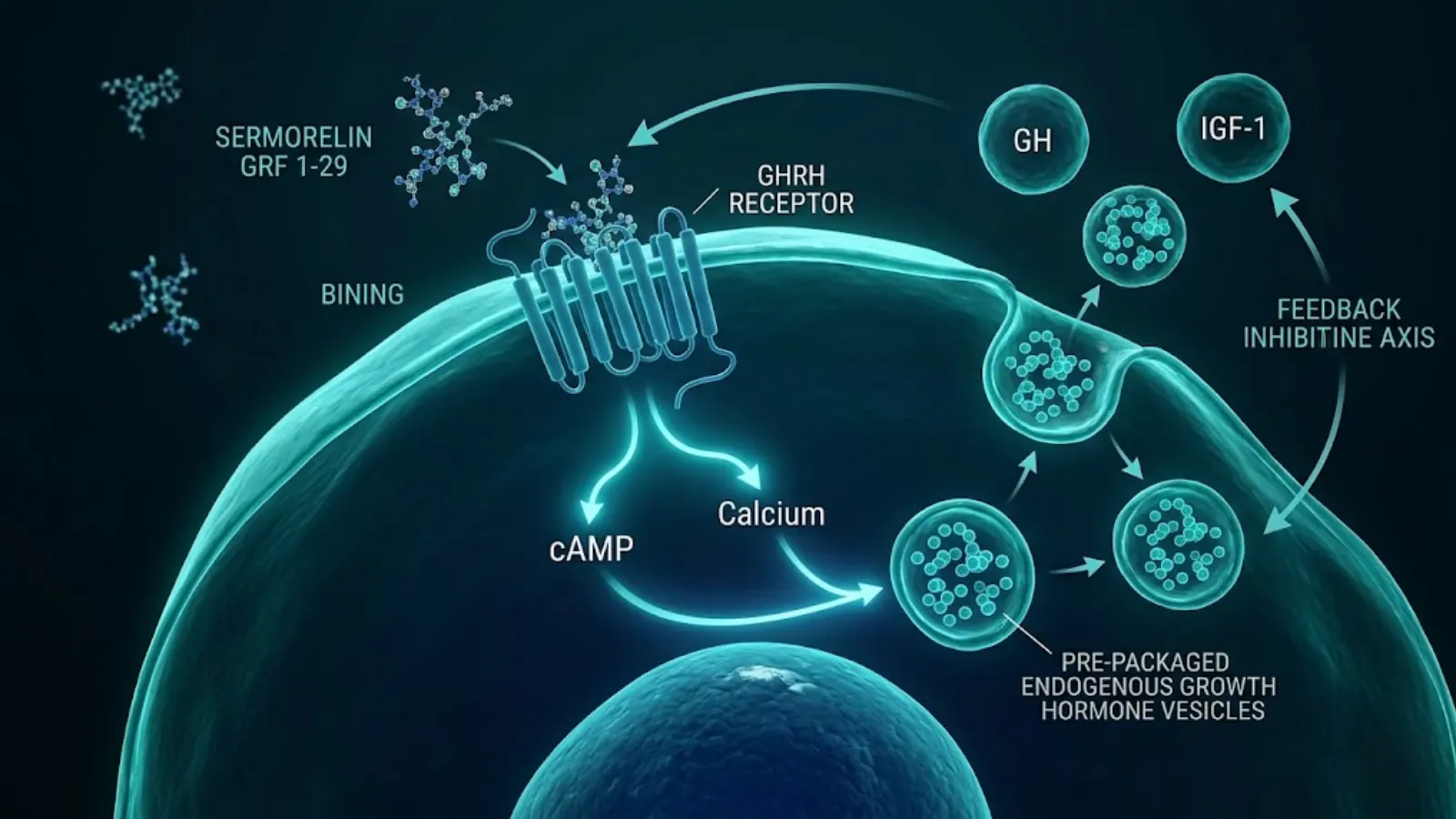
Fig 1: Nanoscale visualization of the G-protein coupled receptor (GPCR) on a pituitary somatotroph cell membrane highlighting the difference between Sermorelin signaling and Exogenous HGH bypassing the receptor.
How HGH Bypasses the Pituitary Gland
When somatropin is injected subcutaneously or intramuscularly, it floods the bloodstream, completely bypassing the regulatory mechanisms of the hypothalamus and pituitary gland. It binds directly to the extracellular domain of the Growth Hormone Receptor (GHR) on target cells.
This binding causes the receptor to dimerize, which violently activates the Janus kinase 2 (JAK2) and Signal Transducer and Activator of Transcription 5 (STAT5) signaling pathways. In the liver, this cascade forces the immediate and sustained transcription of Insulin-like Growth Factor 1 (IGF-1).
While highly effective for driving anabolism, this exogenous flood triggers a severe negative feedback loop. The hypothalamus detects the massive spike in circulating GH and IGF-1. In response, it drastically upregulates the release of Somatostatin (the hormone that inhibits GH release) and halts endogenous GHRH production. Consequently, the anterior pituitary is shut down. Prolonged exogenous HGH use can lead to profound pituitary atrophy, making it exceedingly difficult for the body to resume natural growth hormone production once the therapy is discontinued.
How Sermorelin Preserves the Somatotropic Axis
Sermorelin respects the body’s delicate endocrine balance. When administered, it travels through the hypophyseal portal system to the anterior pituitary gland, where it binds selectively to the GHRH receptors (GHRHR) located on the surface of somatotroph cells.
The GHRH receptor is a G-protein coupled receptor (GPCR). When sermorelin binds, it activates the stimulatory G-protein (Gs), triggering an intracellular cascade governed by adenylate cyclase and cyclic AMP (cAMP). This leads to the activation of Protein Kinase A (PKA).
This cascade achieves two distinct, remarkable feats:
- Immediate Exocytosis: It opens voltage-gated calcium channels. The influx of intracellular calcium forces the immediate release of pre-packaged vesicles containing endogenous human growth hormone into the bloodstream.
- De Novo Synthesis: It initiates the transcription of the GH1 gene, commanding the somatotrophs to manufacture fresh growth hormone for future release.
Most importantly, because sermorelin relies on the pituitary gland to do the heavy lifting, it remains subject to the body’s natural somatostatin negative feedback loop. If GH or IGF-1 levels rise too high, somatostatin will block the pituitary from over-releasing, making sermorelin inherently self-regulating and significantly safer.
Clinical Efficacy and Research Data (B2B & Research Focus)
For laboratory researchers, synthesis technicians, and clinicians evaluating in vivo models, quantifying the pharmacokinetic differences between these two compounds is paramount.
Receptor Affinity and Half-Life Comparison
The half-life (t1/2) of a compound dictates the frequency of administration required to maintain therapeutic steady-state concentrations.
Exogenous HGH has a plasma half-life of approximately 2 to 3 hours following subcutaneous administration. However, because it directly forces the liver to produce IGF-1, the downstream biological effects (and elevated serum IGF-1 levels) can persist for 24 to 36 hours. This creates a highly unnatural, chronically elevated plateau of growth hormone activity, which contrasts sharply with the body’s natural pulsatile rhythm.
Sermorelin, conversely, has an exceedingly short plasma half-life of roughly 10 to 20 minutes. It is rapidly degraded by serum peptidases, primarily dipeptidyl peptidase IV (DPP-IV), which cleaves the peptide bonds at the N-terminus. Yet, this short half-life is entirely sufficient. Sermorelin only needs to survive long enough to reach the pituitary receptors. Once the receptor is activated, the resulting endogenous GH pulse can last for hours, perfectly mimicking the natural physiological spikes that occur during deep sleep or rigorous exercise.
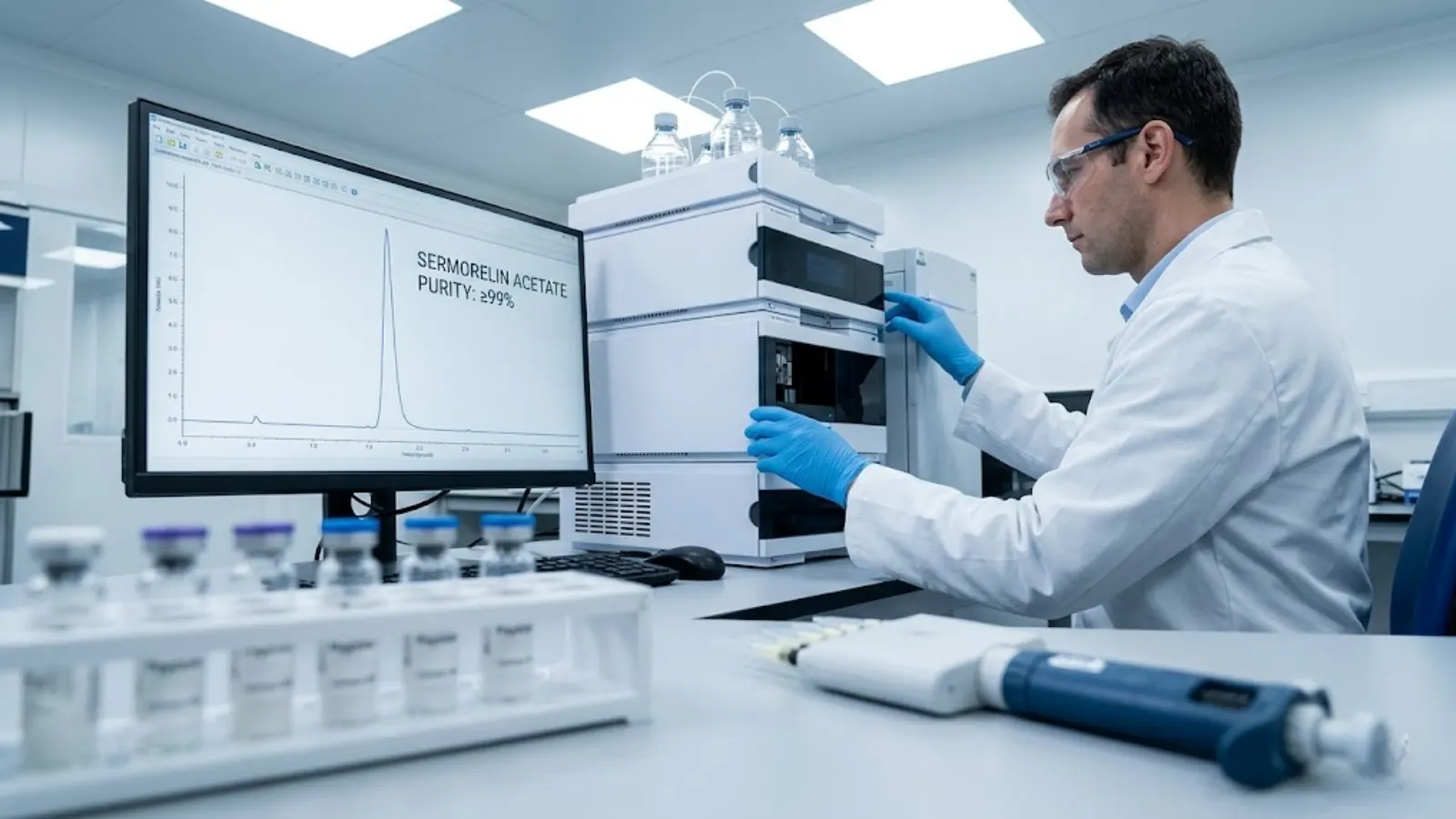
Fig 2: A professional laboratory setting where high-performance liquid chromatography (HPLC) is used to verify the ≥99% purity of synthetic peptide analogues.
IGF-1 Biomarker Optimization and Tracking
In both clinical practice and laboratory research, directly measuring growth hormone in the blood is practically useless due to its episodic, pulsatile nature; a blood draw at 9:00 AM might show zero GH, while a draw at 10:00 AM might show massive physiological levels.
Therefore, when comparing the efficacy of sermorelin vs hgh, researchers monitor serum Insulin-like Growth Factor 1 (IGF-1). IGF-1 acts as a stable, long-acting proxy for total growth hormone output.
- With Exogenous HGH: IGF-1 levels can be pushed well beyond physiological norms (supraphysiological levels), which is why it is preferred for profound muscle wasting (cachexia) but carries a high risk of cellular hyperplasia and organomegaly if unmonitored.
- With Sermorelin: Clinical trials consistently demonstrate that sermorelin therapy successfully elevates sub-optimal IGF-1 back to the upper quartile of a patient’s natural physiological range (typically corresponding to the levels of a healthy 25-to-30-year-old). It restores youthful baseline levels without breaching the threshold into pathological excess.
Advanced Longevity and Biohacking Protocols (B2C Focus)
In the realm of advanced biohacking and longevity optimization, the goal is not pathological anabolism, but rather the preservation of youth, cellular resilience, and metabolic efficiency. Here is how the application of these compounds translates to physiological outcomes.
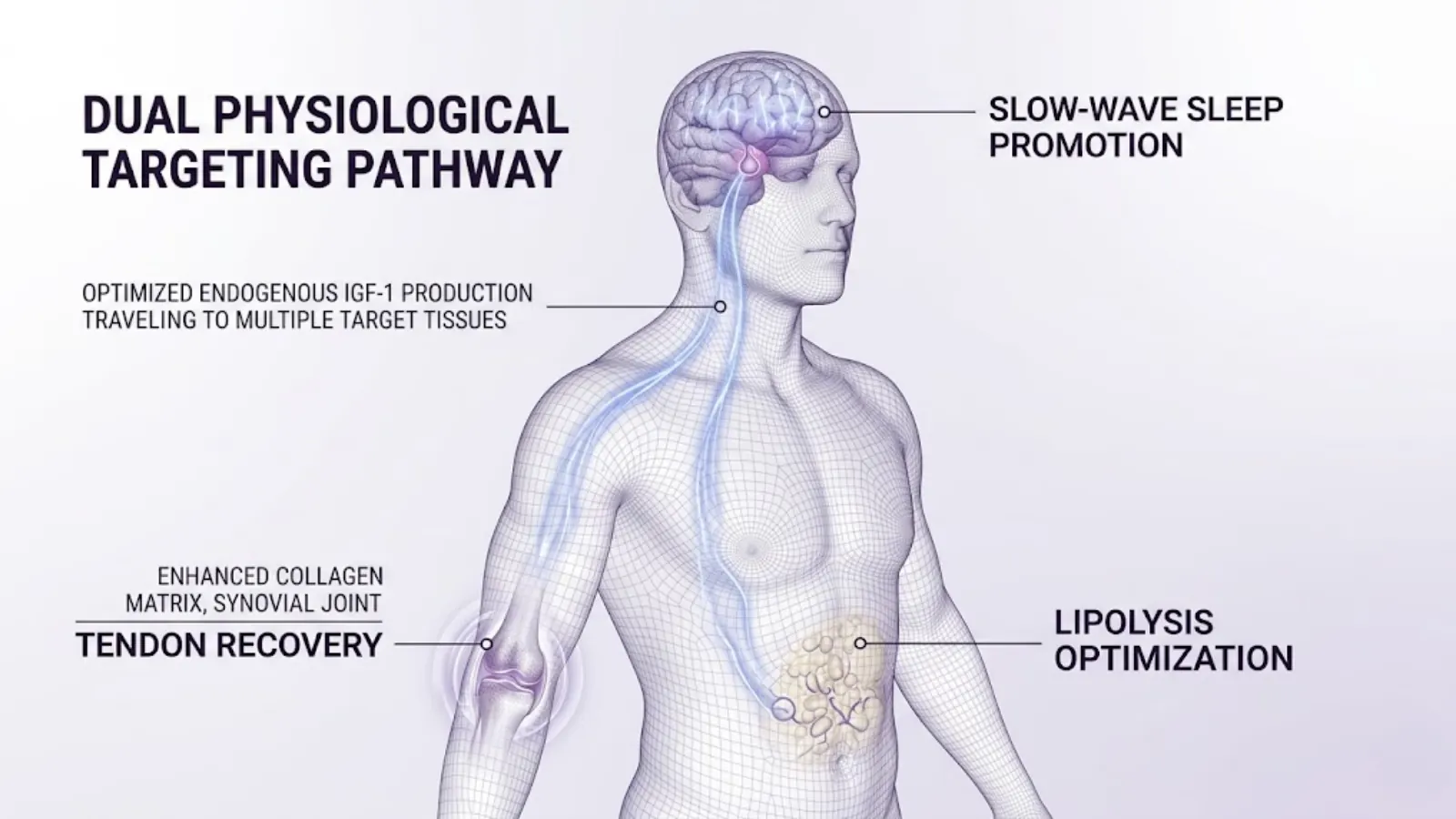
Fig 3: Advanced medical illustration demonstrating the systemic physiological targeting pathway, highlighting tendon recovery, lipolysis optimization, and slow-wave sleep promotion.
Body Composition, Fat Loss, and Metabolic Health
Both compounds are renowned for their profound impact on body composition, primarily through lipolysis (fat breakdown) and nutrient partitioning. Growth hormone upregulates the expression and activity of Hormone-Sensitive Lipase (HSL) in adipose tissue. HSL hydrolyzes stored triglycerides into free fatty acids and glycerol, driving them into the mitochondria for beta-oxidation (energy production).
Biohackers frequently prefer sermorelin for metabolic health. While high-dose HGH can induce transient insulin resistance by decreasing the translocation of GLUT4 transporters to the cell membrane (leading to elevated blood glucose), the pulsatile nature of sermorelin-induced GH release is highly lipolytic without severely disrupting insulin sensitivity.
Tissue Repair, Recovery, and Anti-Aging
The anti-aging holy grail lies in collagen matrix preservation and sleep optimization.
- Collagen Synthesis: The downstream IGF-1 production stimulated by both compounds directly activates chondrocytes and fibroblasts. This results in an accelerated synthesis of Type I and Type III collagen, drastically improving skin elasticity, tendon tensile strength, and joint recovery following micro-trauma from resistance training.
- Slow-Wave Sleep (SWS): This is where sermorelin holds a distinct neurological advantage. GHRH (and by extension, sermorelin) is a known neuro-modulator that actively promotes non-REM slow-wave sleep (Delta wave sleep). Biohackers tracking their sleep architecture via wearables (like Oura or Whoop) consistently report massive expansions in deep sleep duration when utilizing a pre-bedtime sermorelin protocol. Exogenous HGH does not inherently possess this central nervous system sleep-promoting mechanism.
Stacking: Synergies with Other Peptides
In advanced optimization protocols, practitioners rarely use sermorelin in isolation. To maximize the endogenous GH pulse, advanced biohackers utilize a strategy known as “stacking,” combining a GHRH (Sermorelin) with a Growth Hormone Releasing Peptide (GHRP), such as Ipamorelin or GHRP-6.
Why stack them?
- Sermorelin increases the frequency and duration of the GH pulse by activating the cAMP pathway.
- GHRPs (acting on the ghrelin receptor) inhibit somatostatin and increase the amplitude (the total volume) of the pulse via the protein kinase C (PKC) pathway.
When administered simultaneously, the physiological synergy is not merely additive; it is highly exponential. A combined protocol can yield an endogenous GH pulse multiple times larger than sermorelin alone, rivaling the clinical impact of exogenous HGH while firmly maintaining the safety net of the intact somatotropic axis.
Safety Profiles, Side Effects, and Endocrine Risks
When evaluating sermorelin vs hgh, the most profound divergence for both clinicians and advanced biohackers lies within the realm of safety and long-term endocrine health. Exogenous hormone replacement carries an inherent risk of biological dependency, whereas secretagogue therapy is designed to mitigate that exact vulnerability.
The Risks of Exogenous HGH (Tachyphylaxis and Suppression)
Administering recombinant somatropin is akin to overriding the body’s central governor. Because exogenous HGH operates independently of the hypothalamus and anterior pituitary gland, it sustains high serum levels of growth hormone and IGF-1 for prolonged periods. While this drives rapid tissue anabolism, it simultaneously forces the body to adapt to an unnatural biochemical state.
This leads to several pronounced physiological risks:
- Pituitary Suppression: As previously noted, the continuous presence of exogenous HGH triggers a massive release of somatostatin, completely suppressing endogenous production. Over time, the somatotrophs in the pituitary gland undergo atrophy. Discontinuing HGH therapy after prolonged use often results in a severe “crash,” characterized by lethargy, muscle wasting, and depressive symptoms, as the dormant pituitary struggles to restart natural production.
- Insulin Resistance and Hyperglycemia: HGH is a potent counter-regulatory hormone to insulin. It decreases glucose uptake in skeletal muscle and adipose tissue by interfering with the translocation of GLUT4 transporters to the cell membrane. Consequently, chronic, high-dose HGH therapy frequently induces hyperinsulinemia, elevated fasting blood glucose, and, in severe cases, secondary type 2 diabetes.
- Edema and Carpal Tunnel Syndrome: Exogenous HGH causes significant sodium and water retention by upregulating the epithelial sodium channels in the distal nephrons of the kidneys. This extracellular fluid expansion often manifests as severe peripheral edema (swelling of the hands and feet) and painful compression of the median nerve, leading to carpal tunnel syndrome.
- Tissue Hyperplasia and Acromegaly Risk: Unlike hypertrophy (growth in the size of cells), high and sustained IGF-1 levels can trigger hyperplasia (an increase in the number of cells). Unmonitored, long-term HGH abuse can lead to irreversible growth of the jaw, brow ridge, hands, feet, and internal organs (organomegaly).
The Safety Buffer of Sermorelin
Sermorelin therapy fundamentally bypasses these severe risks because it remains entirely beholden to the physiological guardrails of the intact somatotropic axis.
If a patient or researcher administers an exceptionally large dose of sermorelin, the pituitary gland will only release the amount of growth hormone it currently has stored in its secretory vesicles. Furthermore, once serum IGF-1 reaches a healthy physiological threshold, the hypothalamus releases somatostatin to block further pituitary release, rendering any excess sermorelin inert.
This built-in “negative feedback loop” makes sermorelin virtually impossible to overdose in a way that causes acromegaly or organomegaly. Side effects are remarkably mild and transient, typically limited to localized injection site reactions (erythema or pruritus), mild facial flushing immediately post-injection (due to its vasodilatory properties as a peptide), and occasional transient lethargy. Importantly, sermorelin does not cause long-term pituitary suppression; it actually upregulates and preserves pituitary function over time.
Legal, Prescription, and Laboratory Sourcing Landscape
Navigating the landscape of peptide therapeutics requires a strict understanding of regulatory frameworks, which differ vastly between synthetic hormones and endogenous secretagogues.
FDA Approvals and Off-Label Usage
In the United States, recombinant Human Growth Hormone is one of the most tightly regulated substances outside of the Controlled Substances Act. Under federal law, it is illegal to distribute or prescribe HGH for off-label uses such as anti-aging, bodybuilding, or general wellness. A physician can only legally prescribe somatropin for a highly specific, FDA-approved list of indications, including pediatric growth hormone deficiency, adult-onset growth hormone deficiency (diagnosed via severe insulin tolerance tests), HIV/AIDS-related cachexia, and short bowel syndrome.
Sermorelin, however, occupies a vastly different regulatory space. Originally FDA-approved in the 1990s as a diagnostic tool for assessing pituitary function (Geref), it has since become a cornerstone of regenerative medicine and anti-aging clinics. Physicians routinely prescribe sermorelin off-label through specialized, FDA-regulated compounding pharmacies. This allows biohackers and longevity patients to legally access the peptide under the supervision of a licensed endocrinologist or wellness practitioner, ensuring pharmaceutical-grade sterility and accurate dosing.
Considerations for Laboratory Research and Wholesale
For the B2B sector—encompassing independent laboratories, university research departments, and synthesis technicians—the procurement of these peptides requires stringent quality control.
When sourcing sermorelin vs hgh for in vitro or in vivo animal modeling, researchers must purchase lyophilized (freeze-dried) powder. The gold standard for verifying the integrity of wholesale peptides involves two crucial analytical techniques:
- High-Performance Liquid Chromatography (HPLC): This technique separates the complex mixture to verify the purity of the peptide sequence, ensuring it is free from manufacturing byproducts or truncated amino acid chains. A standard research-grade peptide should demonstrate an HPLC purity of ≥99%.
- Mass Spectrometry (MS): This verifies the exact molecular weight of the compound (e.g., confirming the 3.3 kDa signature of sermorelin), guaranteeing that the structural identity of the synthesized batch perfectly matches the target molecule.
Regulatory and Sourcing Comparison Table
| Aspect | Synthetic HGH (Somatropin) | Sermorelin Acetate |
|---|---|---|
| Legal Status (USA) | Strictly regulated; illegal to prescribe for anti-aging. | Available via prescription from compounding pharmacies for off-label use. |
| Primary Clinical Indication | Diagnosed severe GH deficiency, Cachexia. | Longevity, pituitary stimulation, optimal body composition. |
| Laboratory Sourcing | Highly restricted, requires specialized licensing. | Widely available for designated Laboratory Research Use Only. |
| Verification Standards | HPLC, Mass Spectrometry, Endotoxin testing. | HPLC, Mass Spectrometry. |
Cost Analysis: Funding the Protocol
Beyond biochemistry and legality, the pragmatic reality of funding a long-term longevity protocol is often the ultimate deciding factor for both patients and clinical researchers.
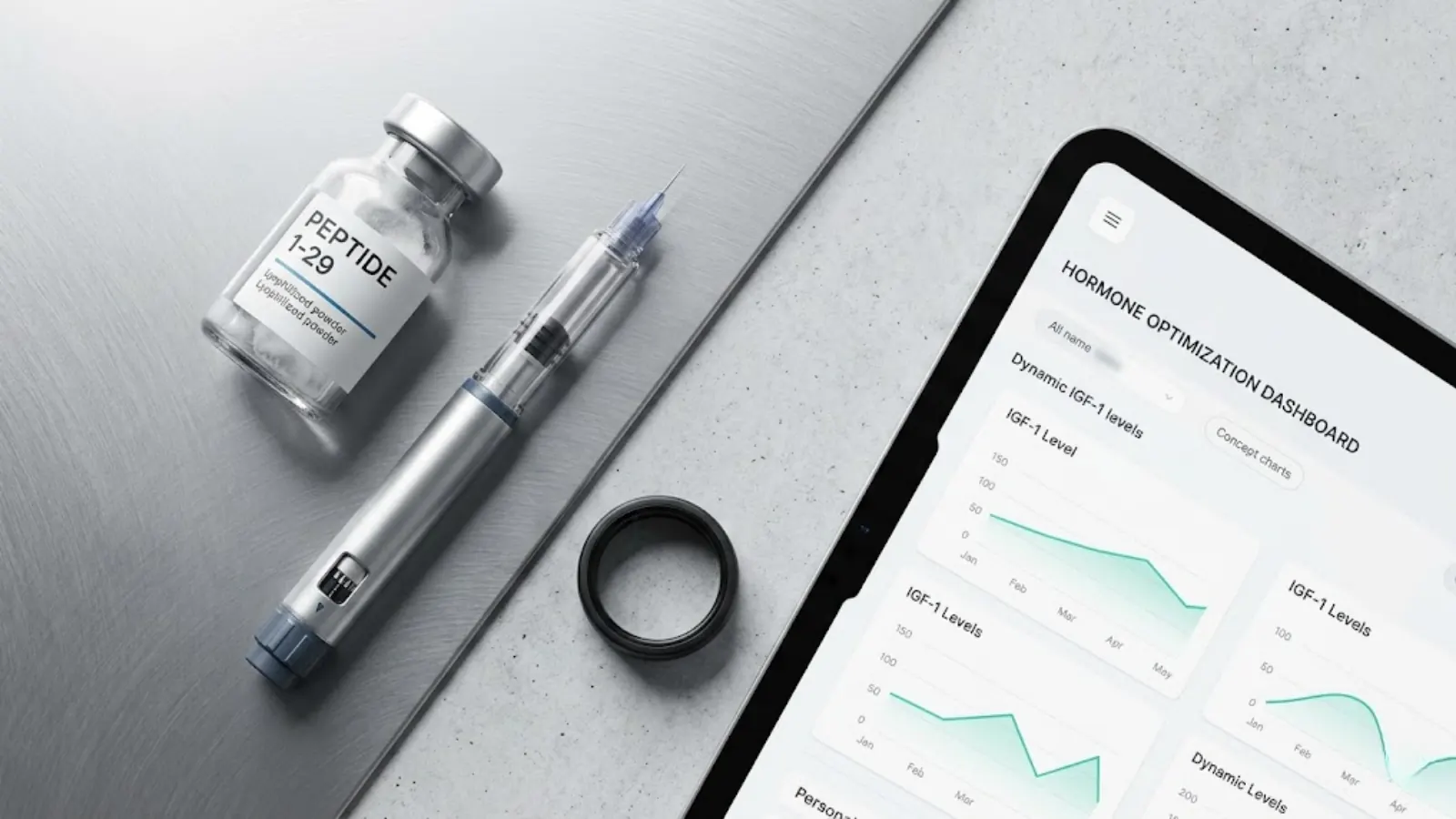
Fig 4: A precise, clinical flat lay representing an advanced biohacking protocol, featuring lyophilized peptide vials, injection tools, sleep trackers, and a digital hormone optimization dashboard.
The Financial Burden of Synthetic HGH
Pharmaceutical-grade somatropin (brands like Genotropin, Humatrope, or Norditropin) requires highly complex recombinant DNA manufacturing processes, continuous cold-chain logistics, and immense regulatory overhead. Consequently, HGH is astronomically expensive.
For an adult undergoing replacement therapy, out-of-pocket costs can easily range from $1,000 to $3,000 per month, depending on the IU (International Unit) dosage required. Because anti-aging is not a covered indication, medical insurance will unconditionally deny coverage for these protocols, placing the entire financial burden on the individual. Over a year, an HGH protocol can cost upwards of $36,000.
The Cost-Effectiveness of Sermorelin Therapy
Because sermorelin is a much smaller, 29-amino acid sequence, the solid-phase peptide synthesis (SPPS) required to manufacture it is significantly less resource-intensive. Furthermore, its availability through compounding pharmacies creates a highly competitive market that drives down consumer costs.
A standard, physician-monitored sermorelin protocol—often bundled with bacteriostatic water, syringes, and clinical consultations—typically ranges from $150 to $400 per month. This drastic reduction in financial overhead makes sermorelin the premier, sustainable choice for individuals seeking to maintain optimized IGF-1 levels over a period of decades, rather than a brief, cost-prohibitive intervention.
Frequently Asked Questions
The following section answers the most critical, direct questions regarding the practical application of these two compounds.
Does Sermorelin cause the same side effects as HGH?
No. Because sermorelin stimulates the body’s natural production of growth hormone, it is subject to a natural negative feedback loop via somatostatin. This prevents the sustained, supraphysiological spikes in GH that cause the severe side effects associated with HGH, such as insulin resistance, extreme water retention, carpal tunnel syndrome, and organomegaly.
How long does it take to see results from Sermorelin vs HGH?
Exogenous HGH acts directly and aggressively, often yielding noticeable reductions in body fat and increased water retention within 2 to 4 weeks. Sermorelin takes significantly longer to initiate tissue remodeling, as it slowly restores the natural pituitary axis. Users typically report improved sleep within the first 2 weeks, but structural changes—like increased skin elasticity, enhanced recovery, and fat loss—require 3 to 6 months of consistent, nightly administration.
Can you take Sermorelin and HGH together?
While it is chemically possible, it is highly counterproductive for general biohacking. High doses of exogenous HGH will trigger the release of somatostatin, which actively blocks the GHRH receptors in the pituitary gland. If you inject sermorelin while your body is flooded with exogenous HGH, the sermorelin will be largely rendered inert, as the receptors are effectively “locked” by the body’s negative feedback mechanism. They are sometimes used sequentially in clinical settings to “wake up” the pituitary after ceasing long-term HGH therapy, but rarely simultaneously.
Is Sermorelin safer for long-term anti-aging?
Yes. Sermorelin is widely considered the superior, safer alternative for long-term longevity protocols. It preserves the structural integrity of the anterior pituitary gland, supports natural pulsatile GH rhythms, and does not suppress the body’s endogenous endocrine function, making it safe for continuous, multi-year optimization.
Conclusion & Key Takeaways
The scientific debate surrounding sermorelin vs hgh is not a matter of one being universally “better” than the other; rather, it is a matter of deploying the correct biochemical tool for the appropriate physiological objective.
Final Verdict on Sermorelin vs. HGH
Recombinant HGH remains the undisputed heavyweight champion for treating severe, clinically diagnosed growth hormone deficiencies and profound muscle-wasting conditions. It is a blunt, highly powerful instrument that bypasses natural regulation to force biological outcomes. However, its legal restrictions, exorbitant costs, and severe long-term side effects make it entirely unsuitable—and largely illegal—for standard longevity optimization.
Sermorelin represents the scalpel to HGH’s sledgehammer. By acting as a secretagogue, it leverages the intelligence of the human body’s own endocrine system. It restores youthful, pulsatile growth hormone output while perfectly preserving the critical negative feedback loops that protect against organ damage and insulin resistance. For the advanced biohacker, the anti-aging enthusiast, or the researcher investigating sustained metabolic health, sermorelin provides the optimal balance of efficacy, safety, and long-term sustainability.
Actionable Next Steps for Patients and Researchers
- For Patients/Biohackers: Before considering any peptide therapy, the crucial first step is to establish your biological baseline. Order a comprehensive hormone blood panel that specifically includes an IGF-1 (Insulin-like Growth Factor 1) test, fasting glucose, and a full thyroid panel. Once you have your data, consult with a board-certified endocrinologist or a specialized regenerative medicine physician to legally design a protocol tailored to your unique biochemistry.
- For Laboratory Researchers: Ensure your B2B supply chain utilizes third-party testing. Always request updated Certificates of Analysis (COAs) featuring recent HPLC and Mass Spectrometry data to confirm the ≥99% purity and accurate molecular weight of your lyophilized secretagogues before initiating in vitro or in vivo studies.