
Sermorelin vs. TRT: Clinical Mechanisms, Efficacy, & Advanced Biohacking Protocols

Table of Contents
The Fundamentals of Growth Hormone Secretagogues
The human endocrine system relies on highly specific regulatory mechanisms to control the synthesis and secretion of endogenous hormones. In the context of longevity, tissue repair, and metabolic homeostasis, the somatotropic axis plays an indispensable role. At the core of this axis is the hypothalamus-pituitary-somatotropic network, heavily regulated by Growth Hormone-Releasing Hormone (GHRH) and somatostatin.
Recent advancements in peptide synthesis have allowed researchers to develop exogenous analogs that closely mimic or enhance these natural pathways. Growth Hormone Secretagogues (GHS) and GHRH analogs operate by binding to specific receptors on the anterior pituitary gland, signaling the somatic cells to produce and release somatotropin. Unlike direct administration of synthetic hormones, secretagogues maintain the body’s natural negative feedback loop, mitigating the risk of tachyphylaxis and preserving pituitary function.
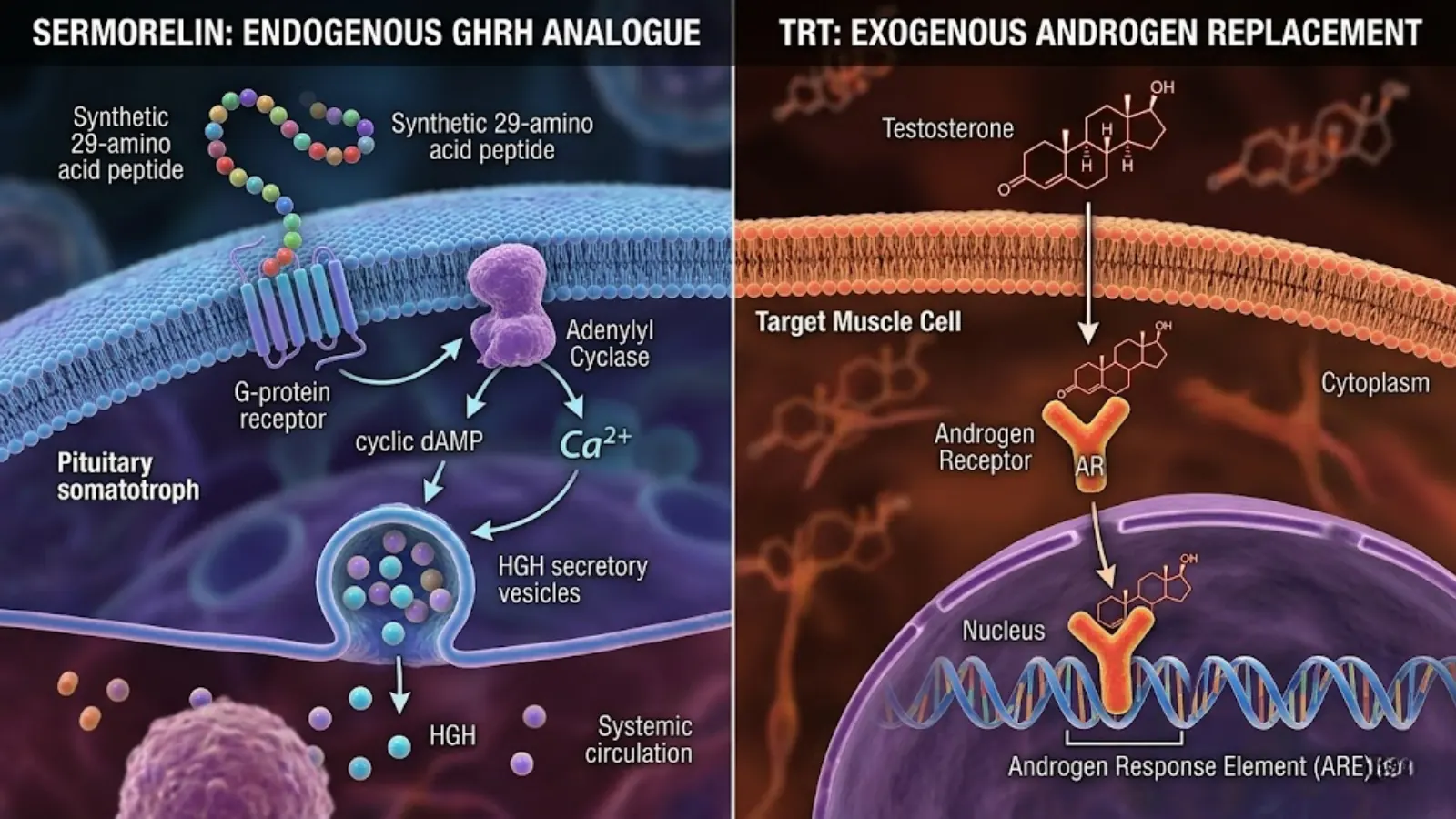
Fig 1. Illustration of peptide receptor binding dynamics within the anterior pituitary, highlighting the interaction of secretagogues with somatic cells.
Sermorelin Acetate: Restoring Natural Pulses
Sermorelin is functionally an acetate salt of an amidated synthetic 29-amino acid peptide that corresponds to the amino-terminal segment of the naturally occurring human GHRH. Comprising the first 29 amino acids of endogenous GHRH, it is widely considered the shortest active fragment required to fully stimulate the pituitary gland.
Because of its truncated structure, Sermorelin exhibits a rapid clearance rate and a short biological half-life. This pharmacokinetic profile is highly advantageous for mimicking the natural, episodic (pulsatile) release of growth hormone that characterizes youthful endocrine function. Researchers looking into cellular regeneration often utilize Sermorelin Acetate to investigate its ability to upregulate IGF-1 (Insulin-like Growth Factor 1) levels without blunting the endogenous pituitary response.
In clinical research settings, Sermorelin has demonstrated significant utility in evaluating pituitary capacity. Its gentle stimulation avoids the sudden spikes and troughs associated with other forms of hormone replacement, making it a critical peptide in studies focusing on sleep architecture, neurogenesis, and mild metabolic modulation.
CJC-1295 with DAC: Prolonging the Half-Life
While Sermorelin excels in replicating natural biological pulses, certain research applications require sustained, elevated baseline levels of growth hormone secretion over an extended period. This is where CJC-1295 comes into play. CJC-1295 is a tetrasubstituted 30-amino acid peptide hormone, primarily functioning as a GHRH analog.
The defining characteristic of the specific variant known as CJC-1295 with DAC (Drug Affinity Complex) is its remarkable biological half-life. By attaching the DAC complex, the peptide binds covalently to serum albumin after administration. This bioconjugation process protects the peptide from rapid enzymatic degradation by dipeptidyl peptidase IV (DPP-IV).
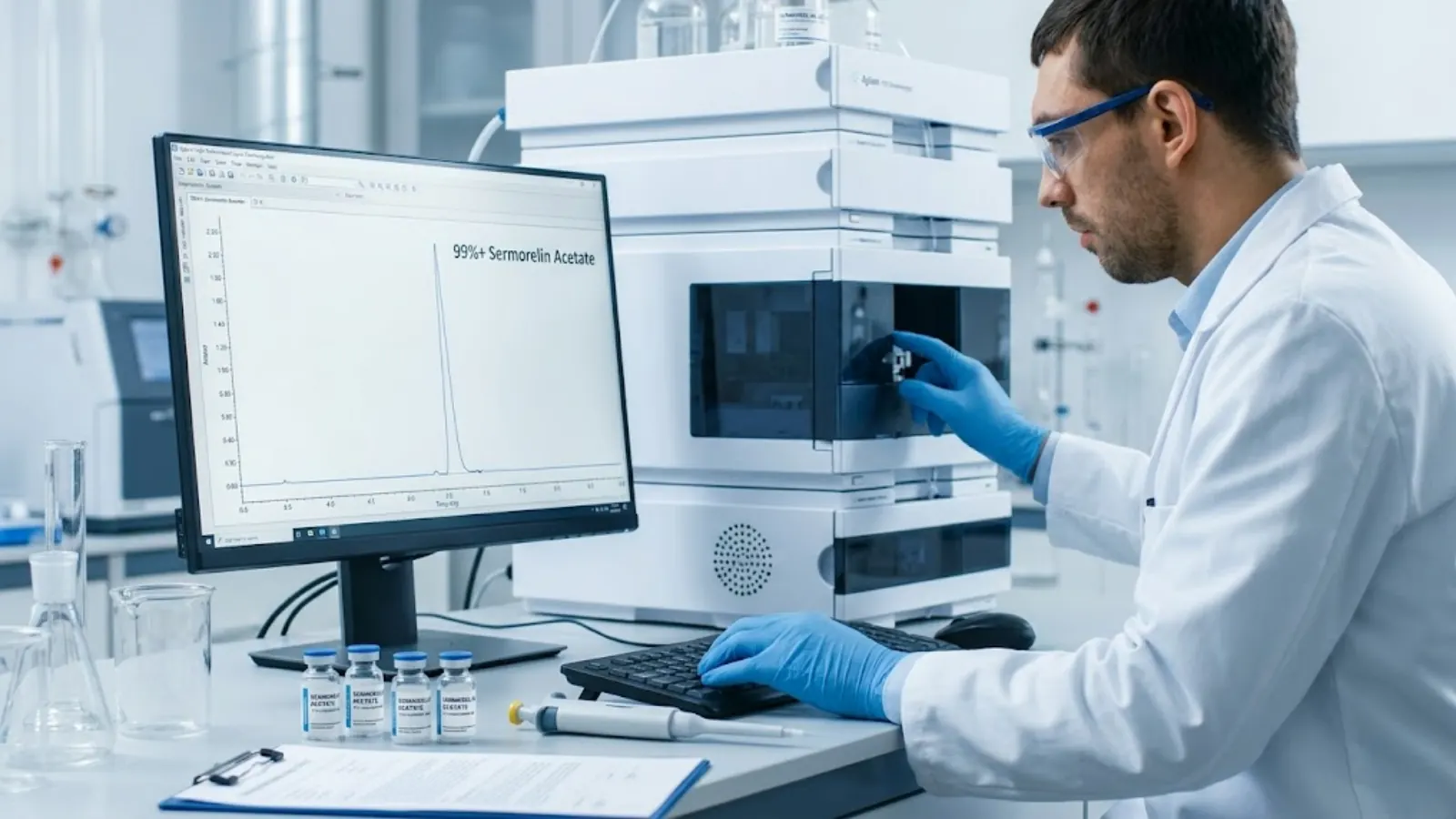
Fig 2. Pharmacokinetic modeling demonstrating the extended plasma half-life resulting from bioconjugation with the Drug Affinity Complex (DAC).
Pharmacokinetics of the DAC Modification
As a result of this modification, researchers studying continuous somatotropic activation frequently source CJC-1295 with DAC. In vivo studies demonstrate that a single administration can elevate GH and IGF-1 levels for up to a week, significantly reducing the frequency of dosing required in experimental models.
It is important to note the distinction in pulse dynamics. While the continuous elevation provides immense potential for studying accelerated tissue hypertrophy and recovery, it temporarily alters the physiological pulsatile rhythm. The long-acting nature of CJC-1295 with DAC makes it an incredibly powerful tool for evaluating the maximum thresholds of the somatotropic axis under sustained chemical signaling.
The Biological Synergies in Peptide Protocols
In advanced peptide research, compounds are rarely studied in absolute isolation. The synergistic application of GHRH analogs and GHRPs (Growth Hormone Releasing Peptides, such as Ipamorelin or GHRP-6) represents a cornerstone of modern endocrine study. While GHRH analogs like Sermorelin or CJC-1295 stimulate the release of hormone, GHRPs act to suppress somatostatin (the hormone responsible for inhibiting GH release).
When administered simultaneously, the resulting release of growth hormone is not merely additive; it is highly synergistic. This combinatorial approach has revolutionized research into sarcopenia, severe cachexia, and advanced tissue regeneration. By attacking the regulatory axis from two distinct biological pathways, researchers can maximize cellular output while maintaining receptor sensitivity, an approach that forms the basis of next-generation regenerative protocols.
HGH 191aa: Exogenous Somatropin Dynamics
While secretagogues prompt the body to manufacture its own hormones, there remain critical research vectors that demand the direct introduction of the finished biological product. Synthetic Human Growth Hormone, often referred to as Somatropin, consists of the exact 191 amino acid sequence found in endogenous human growth hormone.
Unlike secretagogues, which rely on the functional capacity of the subject’s pituitary gland, direct administration of HGH 191aa guarantees exact dosimetric control over circulating plasma levels. This is particularly crucial in experimental models where pituitary function is compromised or suppressed.
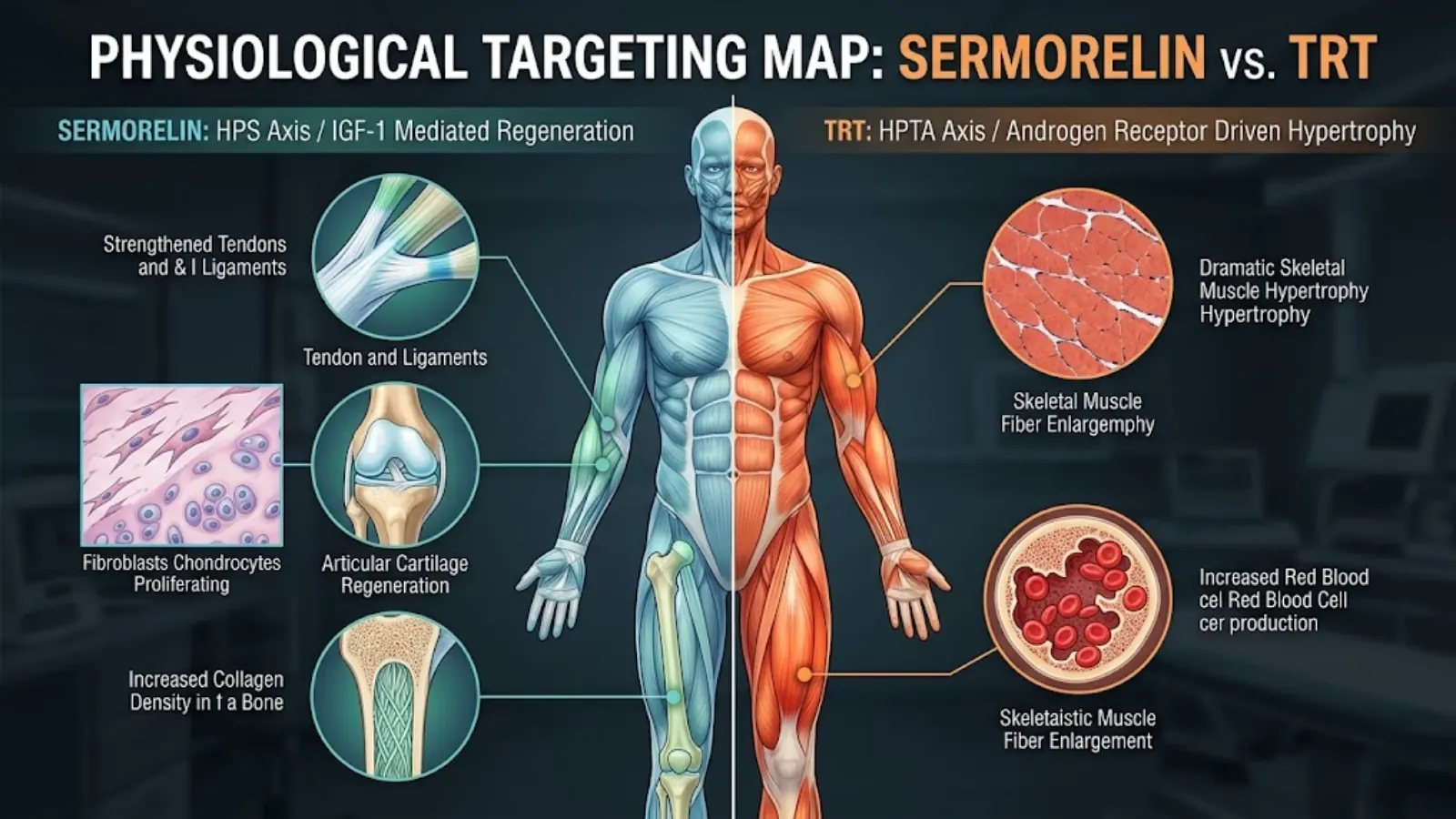
Fig 3. The precise 191-amino acid polypeptide chain configuration of exogenous Somatropin, identical to endogenous human growth hormone.
Metabolic and Cellular Impact
The introduction of high-purity HGH 191aa initiates a cascade of metabolic effects. It directly stimulates chondrocyte proliferation, driving linear growth in juvenile models, and upregulates protein synthesis across skeletal muscle tissue. Furthermore, it exhibits profound lipolytic effects, shifting the metabolic substrate utilization from carbohydrates toward fatty acid oxidation.
Because it bypasses the negative feedback loop entirely, researchers must carefully titrate the administration of HGH 191aa to observe physiological benefits while monitoring for potential insulin resistance or receptor down-regulation. Its status as the gold standard in somatotropic research remains unchallenged, providing a clear baseline against which all other secretagogues and peptide analogs are measured.
Comparative Analysis & Bioavailability
The selection between a short-acting secretagogue, a long-acting analog, or exogenous somatropin dictates the trajectory of a research protocol. Bioavailability and cellular clearance rates are the primary variables.
Sermorelin offers high bioavailability but rapid enzymatic cleavage, simulating youthful pulses. CJC-1295 with DAC provides immense AUC (Area Under the Curve) values for continuous exposure. HGH 191aa offers absolute quantitative certainty but requires careful management of the body’s homeostatic sensors.
Current analytical models suggest that the preservation of native receptor sensitivity heavily favors the secretagogue class of compounds for long-term physiological optimization, reserving direct exogenous HGH for acute, severe deficiency models or targeted, short-term hypertrophic studies.
Research Implications and Future Trajectories
The landscape of peptide synthesis and endocrine manipulation is evolving at an unprecedented pace. Beyond simple hypertrophy and metabolic regulation, current studies are increasingly focused on the neuroprotective and immunomodulatory effects of sustained IGF-1 elevation resulting from these protocols.
As computational biology allows for the design of increasingly stable and targeted peptide sequences, we anticipate the development of fourth-generation secretagogues. These future compounds aim to separate the lipolytic, hypertrophic, and mitogenic properties of growth hormone, allowing researchers to trigger highly specific cellular responses without systemic off-target effects.

Fig 4. AI-assisted modeling projecting the structural evolution of next-generation highly selective tissue-specific secretagogues.
Ultimately, whether utilizing the rapid-pulse mechanics of Sermorelin, the sustained saturation of CJC-1295 DAC, or the direct power of HGH 191aa, the rigorous application of these compounds continues to unlock our fundamental understanding of mammalian biology, longevity, and cellular resilience.