
Survodutide vs. Retatrutide: Dual vs. Triple Agonist Mechanisms & Metabolic Outcomes

Disclaimer: The following information is for educational and laboratory research purposes only. Survodutide and retatrutide are investigational compounds currently undergoing clinical trials. They are not approved by the FDA for human consumption, weight loss, or the treatment of any disease. This article does not constitute medical advice.
Survodutide vs. Retatrutide: Dual vs. Triple Agonist Mechanisms & Metabolic Outcomes
Table of Contents
- Quick Answer / Summary
- The Evolution of Incretin Therapies
- Understanding Survodutide’s Mechanism
- Understanding Retatrutide’s Mechanism
- Metabolic Outcomes: A Data-Driven Comparison
- Targeted Applications: MASH/NASH vs. Obesity
- Pharmacokinetics & Peptide Synthesis (B2B Focus)
- Advanced Biohacking Protocols (B2C Focus)
- Safety Profiles & GI Tolerability
- Future Outlook & Market Disruption
- Frequently Asked Questions (FAQs)
- Key Takeaways
Quick Answer / Summary: Survodutide vs Retatrutide
When evaluating survodutide vs retatrutide, the primary difference is their receptor targeting. Survodutide is a dual agonist targeting GLP-1 and glucagon receptors, offering unparalleled liver fat clearance and MASH resolution. Conversely, retatrutide is a triple agonist (GLP-1, GIP, and glucagon), yielding unprecedented body weight reductions exceeding 24% in clinical trials.
The Evolution of Incretin Therapies: Beyond Semaglutide
The landscape of metabolic biochemistry has experienced a tectonic shift over the last decade. To truly understand the clinical magnitude of comparing survodutide vs retatrutide, we must first examine the biochemical limitations of previous peptide generations.
The Ceiling of Single-Receptor Agonists
First-generation incretin mimetics, most notably semaglutide, revolutionized the treatment of obesity and type 2 diabetes by exclusively targeting the Glucagon-Like Peptide-1 (GLP-1) receptor. Endogenous GLP-1 is an incretin hormone secreted by intestinal L-cells in response to nutrient ingestion. By synthesizing a long-acting analog, researchers successfully engineered a compound that drastically slows gastric emptying and continuously signals satiety to the hypothalamus.
However, mono-agonists inherently face a biological ceiling. The human body is a highly conserved, homeostatic machine. When a patient or research subject experiences rapid weight loss through extreme caloric restriction (induced by profound GLP-1 anorexia), the body initiates a robust counter-regulatory response. This phenomenon, known as adaptive thermogenesis, results in a significant down-regulation of the basal metabolic rate (BMR). Simply put, as the subject eats less, the body burns less. This is why individuals utilizing single-receptor GLP-1 agonists invariably hit a weight-loss plateau, typically around the 15% total body weight reduction mark, leading both clinical researchers and the advanced biohacking community to seek compounds that bypass this evolutionary defense mechanism.
The Shift to Polyagonists
The solution to metabolic adaptation lies in polyagonism—the synthesis of single peptide molecules capable of binding to and activating multiple distinct receptor classes simultaneously. Rather than merely suppressing energy intake (appetite), polyagonists are engineered to concurrently drive energy expenditure (metabolism) and optimize nutrient partitioning. By linking the appetite-suppressing power of GLP-1 with metabolic accelerators like glucagon and insulin-sensitizing agents like GIP, biotechnologists have created “super-peptides” that operate synergistically. This shift from mono-therapy to dual and triple agonism represents the most significant leap forward in endocrinology since the discovery of insulin, paving the way for targeted metabolic optimization.
Understanding Survodutide: The Dual Agonist Mechanism
Developed through a collaboration between Boehringer Ingelheim and Zealand Pharma, survodutide (formerly known as BI 456906) represents a masterclass in targeted peptide engineering. It is a highly potent dual agonist that binds to both the GLP-1 and Glucagon (GCGR) receptors.
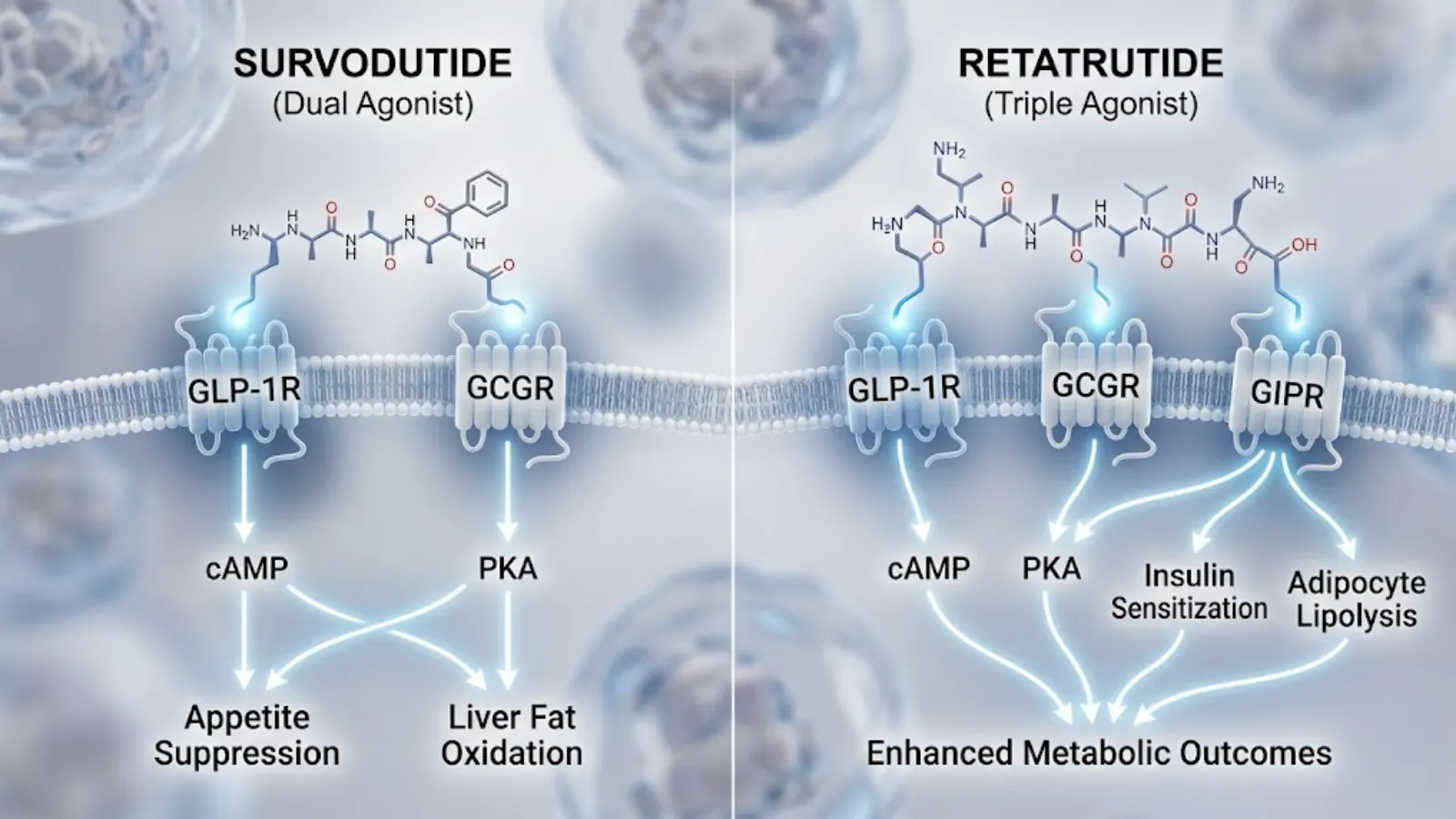
Figure 1: Conceptual Molecular Mechanism – Dual Agonism (Survodutide)
GLP-1 Receptor Activation
The GLP-1 agonism of survodutide functions similarly to native GLP-1 but with a vastly extended half-life, allowing for once-weekly subcutaneous administration. Upon administration, it crosses the blood-brain barrier to interface directly with the arcuate nucleus of the hypothalamus. Here, it stimulates pro-opiomelanocortin (POMC) and cocaine-and amphetamine-regulated transcript (CART) neurons, which are the primary drivers of anorexigenic (appetite-suppressing) signaling. Simultaneously, it exerts inhibitory effects on neuropeptide Y (NPY) and agouti-related peptide (AgRP) neurons, aggressively blunting the urge to feed. Peripherally, it dampens the vagus nerve’s motility signaling to the gastrointestinal tract, causing food to remain in the stomach longer, mechanically reinforcing the feeling of fullness.
Glucagon Receptor (GCGR) Agonism
The inclusion of glucagon receptor agonism is the biochemical linchpin that sets survodutide apart from older peptides. Historically, pharmacologists avoided glucagon agonism in metabolic disease because native glucagon’s primary role is to raise blood glucose levels by stimulating hepatic glycogenolysis (the breakdown of glycogen into glucose). However, researchers discovered a fascinating synergistic paradox: when a glucagon agonist is co-administered with a potent GLP-1 agonist (which buffers blood glucose by stimulating insulin secretion), the hyperglycemic effects of glucagon are neutralized.
What remains are glucagon’s profound lipolytic (fat-burning) properties. Survodutide’s activation of GCGR aggressively forces the liver into a state of lipid oxidation. It upregulates the transcription of enzymes responsible for mitochondrial beta-oxidation, effectively forcing adipocytes (fat cells) to release stored triglycerides to be burned as fuel. This glucagon-mediated increase in energy expenditure completely overrides the body’s adaptive thermogenesis, forcing the basal metabolic rate to remain elevated even in a steep caloric deficit. This specific mechanism is why survodutide has demonstrated such unparalleled efficacy in clearing hepatic steatosis (liver fat).
Understanding Retatrutide: The Triple Agonist Mechanism
If survodutide is a specialized biochemical scalpel, retatrutide (LY3437943), developed by Eli Lilly, is a sledgehammer of metabolic optimization. Retatrutide is a single peptide engineered with a highly complex C18 fatty diacid conjugation that activates three distinct incretin receptors: GLP-1, GIP, and Glucagon.
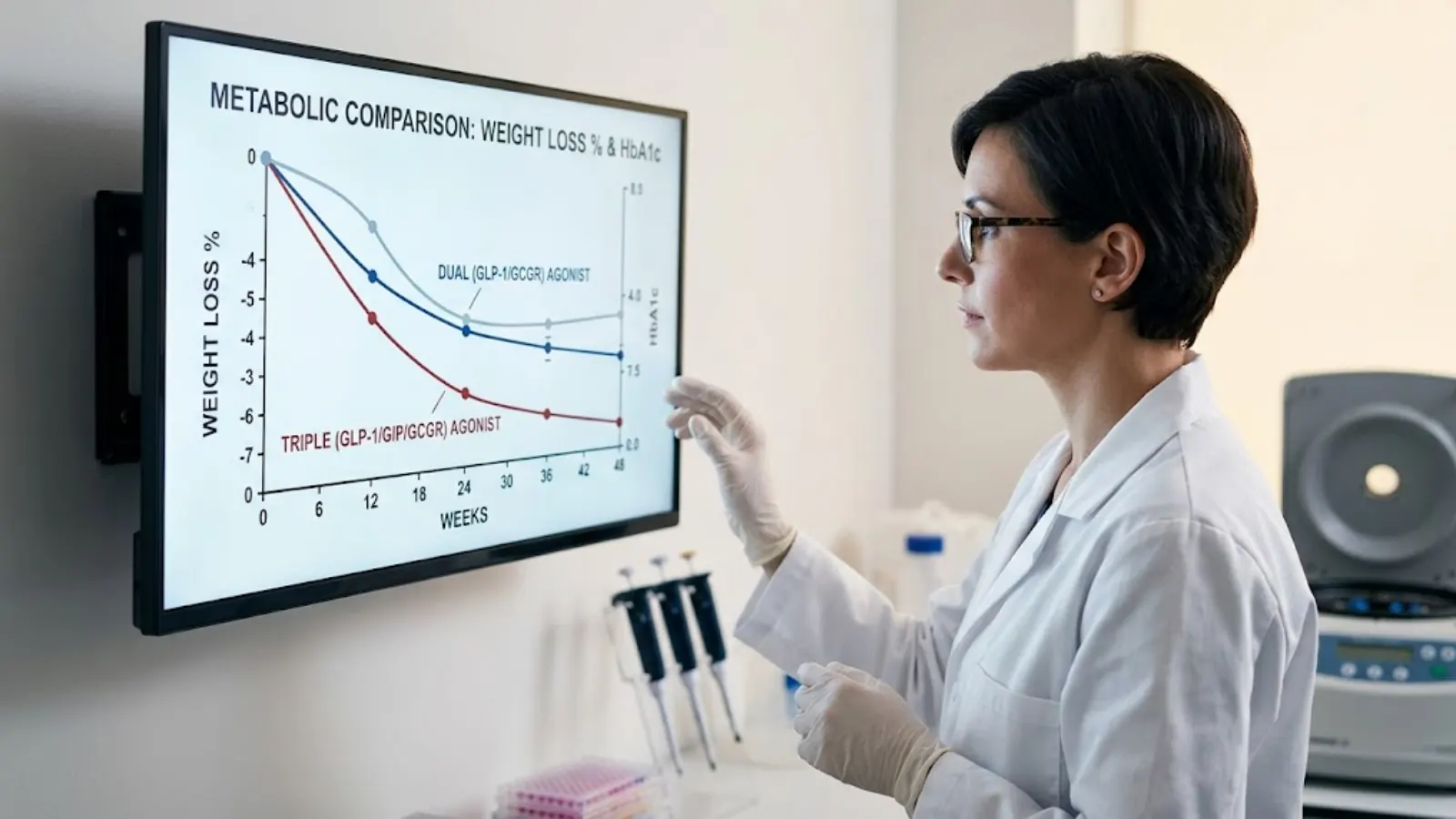
Figure 2: Conceptual Molecular Mechanism – Triple Agonism (Retatrutide “Synergistic Triad”)
The GIP Receptor Addition
The addition of Glucose-Dependent Insulinotropic Polypeptide (GIP) agonism is the critical differentiating factor when assessing survodutide vs retatrutide. GIP receptors are densely located on pancreatic beta cells, adipose tissue, and specific regions of the central nervous system.
In white adipose tissue (WAT), GIP activation enhances lipid buffering capacity. It improves the sensitivity of adipocytes to insulin, ensuring that any circulating glucose is efficiently shuttled into fat cells for safe storage rather than accumulating ectopically in the liver or skeletal muscle.
More importantly for patient tolerability, GIP agonism possesses profound anti-emetic properties. High doses of GLP-1 and glucagon typically induce severe nausea and vomiting by agonizing receptors in the area postrema (the brain’s vomiting center). By concurrently agonizing GIP receptors in the hindbrain, retatrutide essentially “mutes” this nausea signaling. This biochemical trick allows researchers to push the dosage of retatrutide much higher than would be physically tolerable with a mono or dual agonist.
The “Synergistic Triad”
Retatrutide’s triple agonism creates a “Synergistic Triad” that attacks adiposity from three distinct angles simultaneously:
- GLP-1 brutally suppresses caloric intake and delays gastric motility.
- Glucagon drastically elevates resting energy expenditure, forcing the mobilization of stored triglycerides into the bloodstream.
- GIP mitigates the severe gastrointestinal side effects of the other two receptors while dramatically enhancing insulin sensitivity and nutrient partitioning.
The clinical result of this triad is a compound that replicates the metabolic hormonal environment of a post-Roux-en-Y gastric bypass surgery patient, all within a once-weekly injectable peptide.
Metabolic Outcomes & Clinical Efficacy: A Data-Driven Comparison
To accurately frame the survodutide vs retatrutide debate, we must analyze the peer-reviewed Phase 2 clinical trial data. While both peptides exhibit staggering efficacy, they demonstrate distinct dominance in different metabolic arenas.
Clinical Trial Efficacy Comparison
| Clinical Metric / Endpoint | Survodutide (Phase 2 Data) | Retatrutide (Phase 2 Data) |
|---|---|---|
| Receptor Targets | GLP-1, Glucagon (Dual) | GLP-1, GIP, Glucagon (Triple) |
| Highest Trial Dosage | 4.8 mg weekly | 12 mg weekly |
| Trial Duration | 46 Weeks | 48 Weeks |
| Max Total Body Weight Loss (%) | ~19.0% | ~24.2% |
| Patients Achieving >15% Weight Loss | 54.7% | 83.0% |
| MASH / NASH Resolution (No worsening fibrosis) | Up to 83.0% | Trial ongoing (Early data shows high efficacy) |
| Relative Liver Fat Reduction | ~64.0% | Up to 86.0% (at 12mg) |
Total Body Weight Percentage Loss
When assessing pure, extreme weight loss, retatrutide currently stands unchallenged in clinical literature. At the 48-week mark of its Phase 2 trial, participants on the highest dose (12 mg) achieved an astonishing mean body weight reduction of 24.2%. To contextualize this, a 250-pound individual would lose over 60 pounds in under a year. Furthermore, the trajectory of the weight loss curve at week 48 had not fully plateaued, suggesting that Phase 3 data (which spans 72 to 84 weeks) may reveal total weight reductions approaching 30%.
Survodutide, while falling slightly behind retatrutide in total mass reduction, still delivered an exceptional ~19% body weight loss at 46 weeks on the 4.8 mg dose. This firmly places it ahead of standard semaglutide (which typically averages 15% over 68 weeks) and highly competitive with the dual GLP-1/GIP agonist tirzepatide.
Lipid Profiles and Cardiovascular Markers
Both compounds exhibit remarkable pleiotropic effects on cardiovascular health, driven largely by their glucagon-mediated lipid metabolism.
Retatrutide demonstrated an ability to nearly eradicate ectopic liver fat, with the 12 mg cohort showing an 86% relative reduction in liver fat. Additionally, it produced profound improvements in circulating lipid profiles, including significant reductions in ApoB, non-HDL cholesterol, and circulating triglycerides.
Survodutide’s data, however, paints a picture of a compound hyper-specialized for hepatic rescue. In its specific Phase 2 trial for Metabolic Dysfunction-Associated Steatohepatitis (MASH)—formerly known as NASH—survodutide achieved a landmark endpoint. Up to 83% of participants experienced significant histological resolution of MASH without worsening of liver fibrosis. For the millions suffering from progressive liver disease, survodutide’s potent, targeted glucagon agonism appears to be the most viable pharmacological intervention ever synthesized.
Targeted Applications: MASH/NASH vs. Extreme Adiposity
While both compounds are classified broadly as next-generation incretin mimetics, analyzing the clinical trial structures reveals their highly specialized therapeutic trajectories. The survodutide vs retatrutide paradigm is not simply a battle of weight-loss percentages; it is a divergence in primary clinical applications.
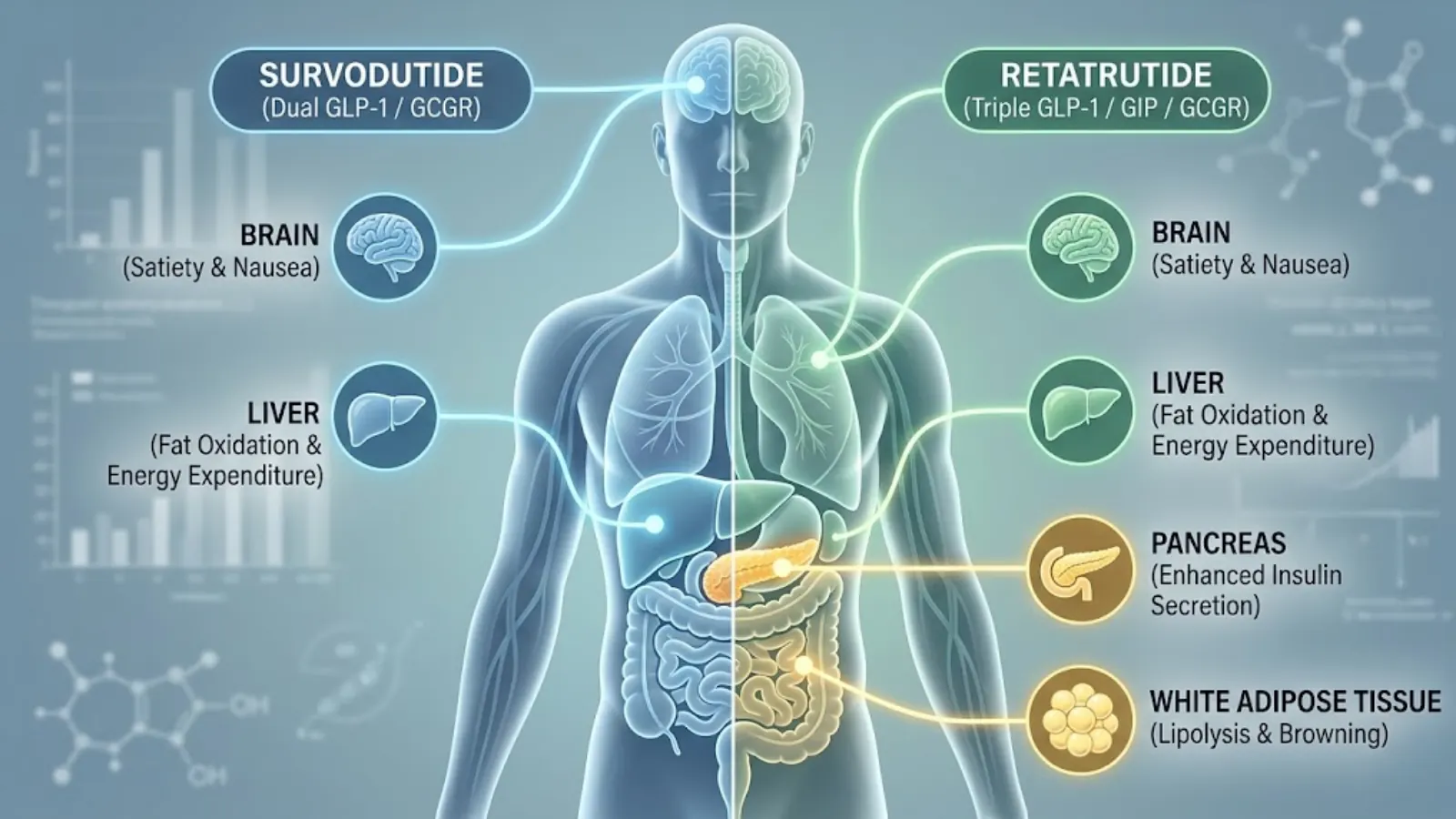
Figure 3: Physiological Targeting Map – Liver Specificity vs. Whole-Body Adiposity
[Image comparing liver steatosis resolution versus whole-body subcutaneous fat reduction pathways]
Survodutide’s Dominance in Liver Health and MASH
Metabolic Dysfunction-Associated Steatohepatitis (MASH)—formerly known as Non-Alcoholic Steatohepatitis (NASH)—is characterized by a toxic accumulation of ectopic lipids in the liver, leading to chronic inflammation, hepatocyte ballooning, and progressive fibrotic scarring. Until recently, pharmacological interventions for MASH have been notoriously ineffective, often leaving patients on a direct path to cirrhosis or liver transplantation.
Survodutide was engineered specifically to attack this pathology. The profound glucagon receptor agonism in survodutide directly targets hepatocytes (liver cells). Glucagon naturally upregulates the PPAR-alpha (Peroxisome Proliferator-Activated Receptor alpha) pathway within the liver, which acts as the master transcriptional regulator of lipid metabolism. By hyper-activating this pathway, survodutide forces the liver to rapidly oxidize trapped lipids (beta-oxidation) while simultaneously downregulating de novo lipogenesis (the creation of new fat).
In Phase 2 trials, this targeted mechanism yielded paradigm-shifting results. An unprecedented 83% of participants treated with survodutide achieved significant histological resolution of MASH without worsening of fibrosis. For clinicians and researchers, survodutide is rapidly emerging as the gold standard, first-line candidate for severe hepatic lipotoxicity.
Retatrutide’s Dominance in Obesity and Adiposity
If survodutide is the ultimate liver rescue compound, retatrutide is the apex predator of purely systemic adipose tissue reduction. The addition of the GIP receptor fundamentally alters how the body partitions nutrients.
Severe obesity is characterized by severe insulin resistance; adipocytes become “full” and refuse to accept circulating glucose, forcing that energy to be stored ectopically around visceral organs. Retatrutide’s GIP agonism drastically improves the insulin sensitivity of white adipose tissue. When paired with the lipolytic drive of glucagon and the severe caloric deficit induced by GLP-1, the body is forced into a state of massive energy mobilization.
Retatrutide functions as chemical bariatric surgery. In trials, it cleared up to 86% of liver fat while driving total body weight down by 24.2%. For patients suffering from Class II or Class III obesity (BMI > 35) who require massive, systemic weight reduction to prevent cardiovascular events, retatrutide presents a non-surgical intervention with historically unmatched efficacy.
Pharmacokinetics and Peptide Synthesis (B2B Focus)
For wholesale distributors, API (Active Pharmaceutical Ingredient) synthesis laboratories, and in-vitro researchers, understanding the molecular architecture of these peptides is paramount. Both molecules overcome the rapid degradation that plagues native incretins through advanced steric shielding and albumin binding.

Figure 4: Conceptual Illustration – Peptide API Purity Validation (HPLC/MS Concept)
Molecular Structures and Half-Lives
Native GLP-1 and glucagon have half-lives measured in mere minutes due to rapid enzymatic cleavage by Dipeptidyl Peptidase-4 (DPP-4) and renal clearance. To achieve a once-weekly dosing schedule, both survodutide and retatrutide utilize sophisticated structural modifications.
Survodutide is a 29-amino-acid peptide based on the endogenous oxyntomodulin sequence. To prevent DPP-4 degradation, chemists utilize amino acid substitutions—specifically introducing aminoisobutyric acid (Aib) or other unnatural amino acids at the cleavage site to create steric hindrance. Furthermore, survodutide features a C18 fatty diacid chain attached via a specialized hydrophilic linker. This fatty acid chain acts as a biological “Velcro,” allowing the peptide to reversibly bind to human serum albumin in the bloodstream. Because albumin is a massive protein that escapes renal filtration, the bound survodutide acts as a slow-release reservoir, extending its half-life to approximately 5 days.
Retatrutide employs a similar C18 fatty diacid conjugation strategy but is built upon a heavily modified 39-amino-acid backbone designed to interact seamlessly with three distinct receptor pockets. Synthesizing a single molecule that can adopt the correct secondary alpha-helical structure to agonize GLP-1, GIP, and GCGR without causing antagonistic interference is a monumental feat of solid-phase peptide synthesis (SPPS).
API Purity and Laboratory Standards
For B2B entities sourcing lyophilized peptide powders for research purposes, stringent analytical validation is non-negotiable. The complexity of synthesizing retatrutide, with its longer amino acid chain and delicate receptor affinities, introduces a high risk of truncated sequences, deletion impurities, and aggregation during the cleavage phase.
Wholesale suppliers must utilize High-Performance Liquid Chromatography (HPLC) coupled with Mass Spectrometry (LC-MS) to verify molecular weight and isolate the target sequence. A standard of >99% HPLC purity is required for accurate in-vitro assay results. Furthermore, rigorous purification protocols must be employed to remove residual Trifluoroacetic Acid (TFA) salts, substituting them with acetate or chloride salts to prevent cellular toxicity in sensitive tissue cultures.
Advanced Biohacking Protocols and Practical Application (B2C Focus)
Disclaimer: The following section explores theoretical applications discussed within the advanced metabolic optimization and biohacking communities. These protocols are unapproved and present significant health risks. Always consult a licensed endocrinologist.
For the advanced biohacker pushing beyond the limits of tirzepatide, navigating the survodutide vs retatrutide landscape requires meticulous attention to pharmacokinetics and harm reduction. The sheer potency of these polyagonists demands strict adherence to structured protocols.

Figure 5: Conceptual Illustration – Advanced Metabolic Optimization Protocol “Stack”
Theoretical Titration Schedules
The primary danger of introducing a dual or triple agonist is severe gastrointestinal shock. Native incretin receptors downregulate (desensitize) over time, meaning the body must be slowly acclimated to the drug.
Clinical trials and advanced theoretical protocols rely on rigorous step-up titration schedules. A theoretical retatrutide schedule typically mimics trial data: initiating at a micro-dose of 1 mg to 2 mg administered subcutaneously once per week. This starting dose is maintained for a minimum of 4 weeks to allow steady-state plasma concentrations to stabilize and GI receptors to adapt. Only then is the dosage escalated (e.g., to 4 mg) for another 4-week block. Rushing this titration—a common error in the biohacking space—inevitably results in debilitating nausea, gastroparesis (paralysis of the stomach), and severe dehydration.
Muscle Preservation Strategies
The dark side of the profound weight loss generated by both survodutide and retatrutide is the high risk of sarcopenia (loss of skeletal muscle mass). Because these peptides blunt the mTOR pathway (the primary driver of muscle protein synthesis) through extreme caloric restriction, the body will inevitably catabolize lean tissue for fuel alongside adipose tissue.
Advanced biohacking protocols to mitigate muscle loss rely on three pillars:
- Aggressive Protein Intake: Mandating a minimum of 1.5 to 2.0 grams of highly bioavailable protein per kilogram of target body weight daily to force an anabolic stimulus.
- Mechanical Tension: Heavy, low-volume resistance training is non-negotiable. The mechanical stress forces the body to prioritize the preservation of muscle tissue over fat oxidation.
- Theoretical Peptide Stacking: Some advanced researchers explore stacking these incretins with localized tissue-repair peptides. For instance, theoretical protocols often discuss co-administering BPC-157 to mitigate gastrointestinal inflammation and support mucosal healing, or utilizing compounds like MOTS-c to further enhance mitochondrial biogenesis and insulin sensitivity in skeletal muscle, thereby protecting the tissue from catabolism.
Safety Profiles, GI Tolerability, and Lean Mass
The unprecedented power of glucagon agonism introduces unique safety challenges that differ significantly from standard GLP-1 medications.
Gastrointestinal Side Effects
The GI tolerability profile is a major focal point in the survodutide vs retatrutide discussion. Survodutide, lacking the anti-emetic buffering effect of GIP, typically presents a harsher gastrointestinal side-effect profile during the initial titration phase. Nausea, vomiting, and diarrhea are highly prevalent, requiring strict dietary modification (avoiding high-fat or highly processed meals) to manage.
Retatrutide, despite being a more potent weight-loss agent, often exhibits superior GI tolerability precisely because its GIP agonism actively suppresses the nausea signaling pathways in the hindbrain. However, this muted nausea signal can be a double-edged sword; patients may overeat past the point of delayed gastric emptying, leading to severe reflux or vomiting secondary to mechanical stomach distension.
Heart Rate Elevations
Both compounds universally induce an elevation in resting heart rate (chronotropy), typically an increase of 5 to 10 beats per minute. This is a direct, unavoidable physiological consequence of glucagon receptor activation, which stimulates the sympathetic nervous system to increase cardiac output and fuel the massive up-regulation in resting energy expenditure. While clinical trials indicate this elevation is generally benign and often normalizes over time, researchers must closely monitor cardiovascular markers, particularly in subjects with preexisting arrhythmias or untreated hypertension.
The Risk of Sarcopenia
As mentioned, the loss of fat-free mass (FFM) is the most critical clinical hurdle. In early incretin trials, it was not uncommon for 25% to 40% of the total weight lost to be lean muscle and bone mineral density. The immense lipolytic drive of the glucagon mechanism helps spare *some* muscle by providing an abundance of free fatty acids for fuel, but dual and triple agonists still pose a massive catabolic threat if diet and resistance training are not rigorously managed.
Future Outlook: Approvals, Wholesale, and Market Disruption
The biotechnology and pharmaceutical sectors are bracing for a massive paradigm shift as these compounds approach commercial viability.
Anticipated FDA Approval Timelines
Both survodutide and retatrutide are currently advancing through highly successful, large-scale Phase 3 clinical trials. Barring unforeseen safety signals, industry analysts project New Drug Application (NDA) submissions in late 2025, with widespread FDA approvals and commercial rollouts expected between late 2026 and early 2028. Retatrutide will likely seek primary indications for severe obesity and obstructive sleep apnea, while survodutide will heavily target the MASH and localized liver disease markets.
The Impact on the Peptide Market
For API wholesalers and the gray-market research peptide industry, the impending arrival of these polyagonists is already disrupting the supply chain. Global manufacturing infrastructure is pivoting away from semaglutide synthesis toward the complex, multi-receptor sequences of retatrutide. Because retatrutide requires significantly lower dosages to achieve effects comparable to tirzepatide, it may eventually become more cost-effective to produce at scale, despite the inherent complexities of its C18-conjugated, 39-amino-acid synthesis.
Frequently Asked Questions (FAQs)
What is the difference in receptor binding affinity between survodutide and retatrutide?
Survodutide has a dual binding affinity, agonizing both the GLP-1 and Glucagon (GCGR) receptors to suppress appetite and directly oxidize liver fat. Retatrutide has a triple binding affinity, adding the GIP receptor to the GLP-1 and Glucagon mechanisms. This GIP addition heavily improves insulin sensitivity and mitigates some of the nausea associated with profound weight loss.
Does retatrutide cause more muscle loss than survodutide during extreme weight loss?
Because retatrutide drives a significantly higher percentage of total body weight loss (up to 24.2%), the absolute total amount of muscle lost can be higher compared to survodutide. However, the *ratio* of fat lost to muscle lost remains dependent on the subject’s protein intake and resistance training stimulus. Both compounds carry a severe risk of sarcopenia if caloric deficits are not managed.
How does the glucagon mechanism in survodutide increase resting metabolic rate?
The glucagon agonism in survodutide binds directly to hepatic receptors, upregulating the PPAR-alpha pathway. This forces the liver to rapidly break down stored triglycerides (beta-oxidation) and convert them into usable energy, effectively bypassing the body’s natural adaptive thermogenesis and keeping the resting metabolic rate elevated even during starvation states.
What is the safest theoretical retatrutide titration schedule to minimize side effects?
In clinical settings, the safest titration schedule involves initiating at the lowest effective dose (typically 1 mg to 2 mg weekly) and maintaining that dosage for a minimum of 4 weeks. Dosages are only escalated in small increments (e.g., jumping to 4 mg) after the 4-week adaptation period to prevent severe gastrointestinal paralysis, vomiting, and severe dehydration.
What are the primary Phase 3 trial endpoints for survodutide in MASH?
The primary Phase 3 clinical trial endpoints for survodutide in treating Metabolic Dysfunction-Associated Steatohepatitis (MASH) focus on histological outcomes: specifically, the complete resolution of MASH (clearance of ballooning and inflammation) without any worsening of liver fibrosis, and an overall reduction in liver fat volume as measured by MRI-PDFF.
Key Takeaways
- Receptor Targets: The core of the survodutide vs retatrutide debate comes down to dual agonism (GLP-1/Glucagon) versus triple agonism (GLP-1/GIP/Glucagon).
- Best for Adiposity: Retatrutide is the undisputed clinical leader for raw weight loss, demonstrating an unprecedented 24.2% total body weight reduction in Phase 2 trials, acting essentially as chemical bariatric surgery.
- Best for Liver Rescue: Survodutide is highly specialized for hepatic healing, achieving an 83% efficacy rate in resolving MASH, making it the premier target for localized metabolic liver disease.
- Metabolic Accelerator: Both peptides utilize the groundbreaking addition of glucagon agonism to elevate resting energy expenditure, a crucial mechanism that bypasses the weight-loss plateaus seen with older GLP-1 mono-agonists like semaglutide.
- Harm Reduction: The immense power of these compounds demands aggressive protein consumption and heavy mechanical resistance training to prevent catastrophic loss of skeletal muscle mass.
- B2B Quality Control: Laboratory researchers and wholesale synthesizers must rely on rigorous HPLC and LC-MS testing to verify the molecular integrity and structural purity of these highly complex, multi-receptor peptide APIs.