
Survodutide vs. Semaglutide: How Dual GLP-1/GCGR Agonism Redefines Metabolic Research & Biohacking

Laboratory Research Use Only Disclaimer
The information provided in this article is strictly for educational and informational purposes. The peptides discussed, including survodutide and semaglutide, are highly regulated substances. The chemical and pharmacological data presented is intended for Laboratory Research Use Only. This content does not constitute medical advice, nor does it encourage the unprescribed human consumption or B2C acquisition of non-FDA-approved research chemicals. Always consult a licensed board-certified physician before making changes to your health protocols.
Quick Answer: Survodutide vs Semaglutide at a Glance
When evaluating survodutide vs semaglutide, the core difference is receptor agonism. Semaglutide is a mono-agonist solely targeting the GLP-1 receptor to suppress appetite and improve insulin sensitivity. Conversely, survodutide is a dual-agonist activating both GLP-1 and glucagon receptors (GCGR). This dual-action enhances appetite suppression while uniquely increasing resting energy expenditure and targeting hepatic steatosis.
Table of Contents
- 1. Introduction: The Next Generation of Metabolic Therapies
- 2. Core Mechanisms: Mono-Agonism vs. Dual-Agonism
- 3. Laboratory Synthesis & API Testing Standards
- 4. Clinical Efficacy: Head-to-Head Weight Loss Data
- 5. The Liver Factor: Survodutide’s Breakthrough in MASH
- 6. Energy Expenditure and Resting Metabolic Rate
- 7. Lean Body Mass Preservation During Rapid Cutting
- 8. Advanced Biohacking Protocols: Dosing and Titration
- 9. Safety Profiles and Tolerability Comparison
- 10. Frequently Asked Questions (FAQs)
1. Introduction: The Next Generation of Metabolic Therapies
We are currently witnessing a renaissance in metabolic pharmacology, transitioning from rudimentary endocrine interventions to highly specific, multi-target incretin mimetics. For the past several years, the landscape has been entirely dominated by mono-agonists, but as laboratory researchers and advanced biohackers push the boundaries of metabolic optimization, a new class of therapeutics has emerged.
The Ceiling of GLP-1 Mono-Therapies
Semaglutide fundamentally revolutionized our approach to obesity, insulin resistance, and cardiometabolic syndrome. By mimicking the endogenous glucagon-like peptide-1 (GLP-1) hormone, semaglutide successfully modulates the brain’s reward circuitry and profoundly slows gastric emptying. However, from a rigorous biochemical standpoint, GLP-1 mono-therapy has an inherent physiological ceiling. As subjects lose mass, the body undergoes predictable metabolic adaptation. The basal metabolic rate slows, creating the infamous “weight loss plateau.”
Enter the Dual Agonists
To break this plateau, biochemical engineers synthesized peptides that actively upregulate energy expenditure. Survodutide, formerly BI 456906, is the vanguard of this new era. By engaging the glucagon receptor alongside the GLP-1 receptor, it tricks the body into an accelerated state of fuel oxidation.
2. Core Mechanisms: Mono-Agonism vs. Dual-Agonism
To grasp the shift from semaglutide to survodutide, we must zoom in on the G-protein-coupled receptors (GPCRs) that these molecules target.
Semaglutide: The GLP-1 Pathway
Semaglutide acts exclusively as a GLP-1 receptor agonist. It enhances glucose-dependent insulin secretion from beta cells and crosses the blood-brain barrier to bind with receptors in the arcuate nucleus of the hypothalamus. The net result is a profound shutdown of the hunger drive. However, GLP-1 agonism does not increase your metabolic rate.
Survodutide: The Addition of GCGR
Survodutide flips the metabolic equation by adding glucagon receptor (GCGR) agonism. When survodutide binds to the GCGR in the liver and adipose tissue, it activates Protein Kinase A (PKA), which phosphorylates Hormone-Sensitive Lipase (HSL). HSL immediately begins cleaving stored triglycerides into free fatty acids (FFAs) for fuel, pulling them into the mitochondrial matrix for beta-oxidation.
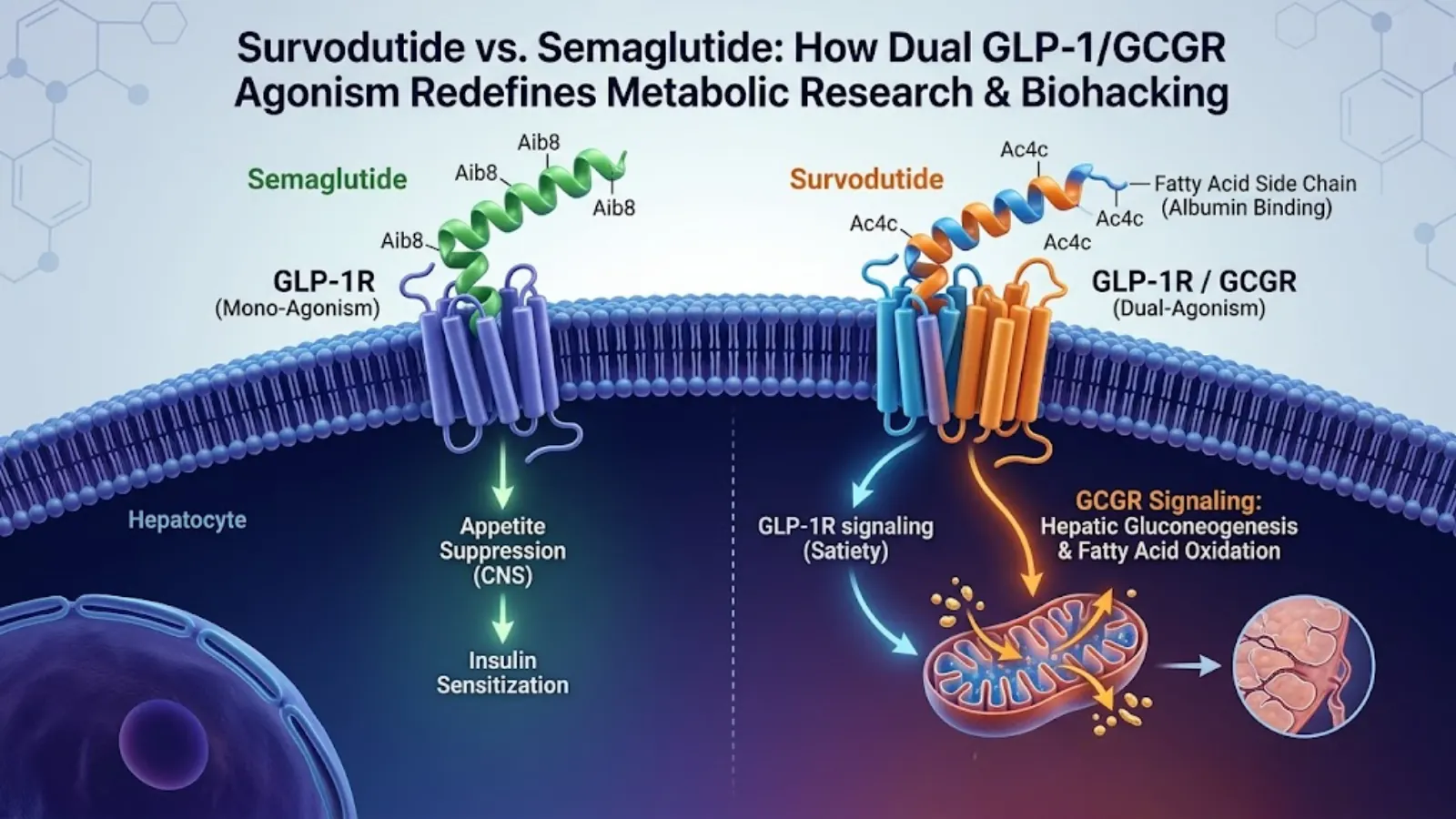
Figure 1: Cellular membrane visualization illustrating GLP-1R mono-agonism vs. GLP-1R/GCGR dual-agonism and corresponding intracellular signaling cascades.
3. Laboratory Synthesis & API Testing Standards
For B2B entities, manufacturing and verifying these compounds require highly sophisticated analytical chemistry.
Molecular Structure Comparison
Both peptides are heavily modified to resist rapid degradation by the dipeptidyl peptidase-4 (DPP-4) enzyme. Semaglutide utilizes an aminoisobutyric acid (Aib) substitution and a C18 fatty diacid attached to lysine to promote reversible albumin binding. Survodutide is an acylated analogue of native glucagon. Its sequence is heavily engineered to perfectly balance the binding affinity between two distinctly different receptors.
HPLC and Mass Spectrometry Protocols
When evaluating survodutide vs semaglutide API, rigorous quality control is non-negotiable. Reverse-phase high-performance liquid chromatography (RP-HPLC) and High-resolution mass spectrometry (HRMS) are mandatory to confirm the exact monoisotopic mass.
| Assay Metric | Semaglutide | Survodutide |
|---|---|---|
| GLP-1R Affinity | Very High (Potent Agonist) | High (Potent Agonist) |
| GCGR Affinity | Negligible / None | High (Potent Agonist) |
| In Vitro EC50 (GCGR) | > 10,000 pM (Inactive) | Highly competitive |
4. Clinical Efficacy: Head-to-Head Weight Loss Data
When moving to human clinical trials, the theoretical advantages of dual agonism translate into startling statistical realities.
Semaglutide Benchmarks & Plateau
The STEP clinical trials established the gold standard: patients achieved an average body weight reduction of approximately 15% over 68 weeks. However, the data also clearly showed a flattening of the curve; by week 60, weight loss trajectories typically plateau.
Survodutide Breakthroughs (SYNCHRONIZE)
Survodutide’s phase II trials demonstrated a complete shattering of the semaglutide ceiling. Subjects achieved near 19% body weight reduction in a significantly shorter timeframe (46 weeks). Survodutide overrides the metabolic adaptation mechanism, forcing the mitochondria to maintain a high rate of lipolysis regardless of the caloric deficit.

Figure 2: Comparative Metabolic Adaptation Graph detailing the shattering of the weight loss plateau via dual-agonism.
5. The Liver Factor: Survodutide’s Breakthrough in MASH
While weight loss grabs the headlines, the most profound medical revolution occurring with survodutide lies in hepatology and the treatment of MASH (metabolic dysfunction-associated steatohepatitis).
The Limitations of Semaglutide
Semaglutide is beneficial for the liver indirectly via weight loss, but it struggles to significantly reverse actual liver fibrosis because the GLP-1 receptor alone lacks direct mechanistic leverage over fibrotic tissue.
FDA Breakthrough Designation
Survodutide acts directly on hepatic tissue via GCGR agonism. It instantly shifts the liver out of a fat-storing state and into a fat-burning state. Up to 83% of adults treated with survodutide achieved significant improvement in MASH. This data earned it an FDA Breakthrough Therapy designation.
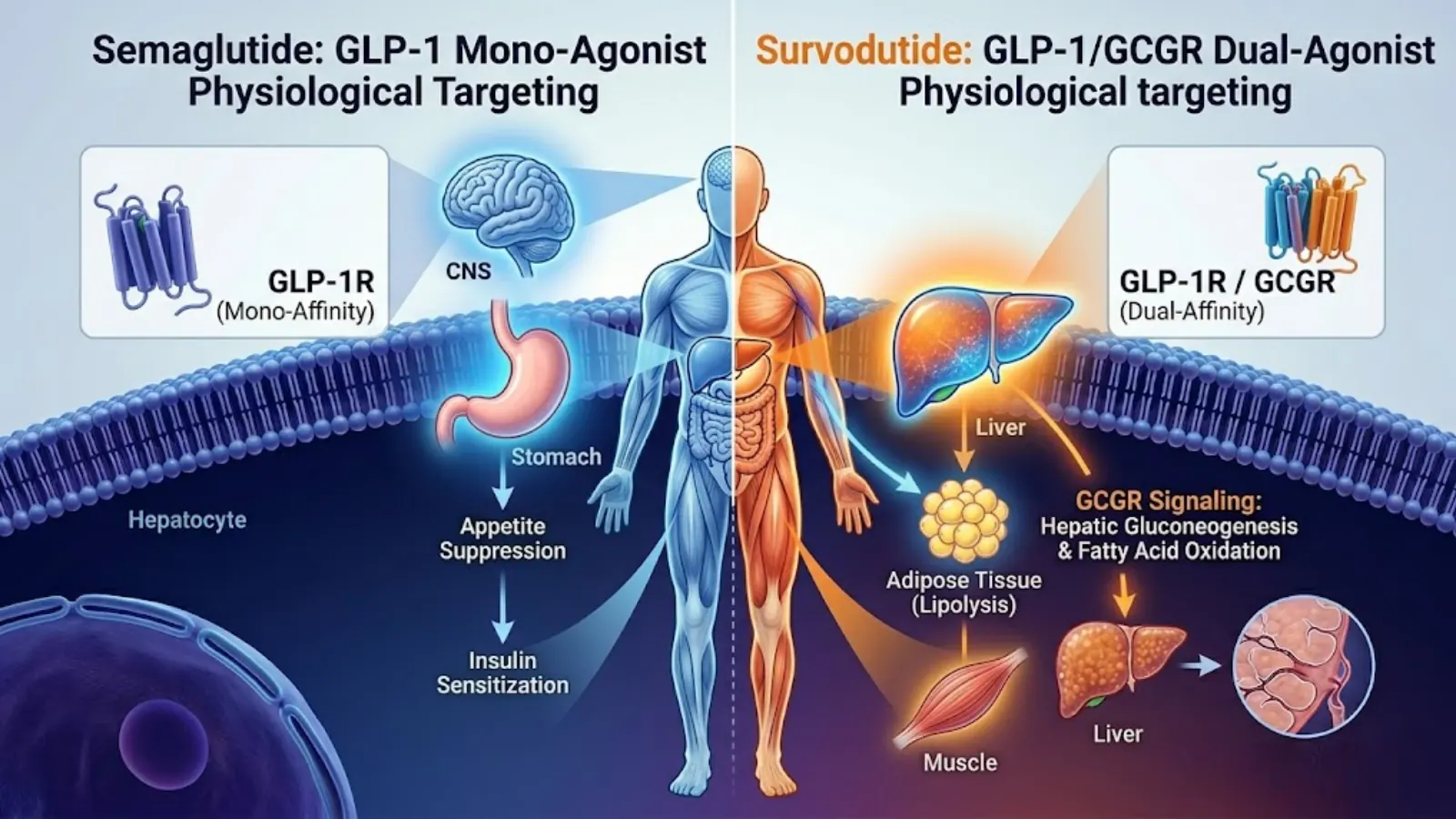
Figure 3: Systemic targeting map visualizing distinct physiological impacts on the brain, stomach, and direct liver MASH clearance.
6. Energy Expenditure and Resting Metabolic Rate
The most persistent obstacle in body recomposition is adaptive thermogenesis. As caloric intake is restricted, the basal metabolic rate drops.
The Biohacker’s Dilemma
Clinical data shows subjects on purely GLP-1 mediated therapies experience a pronounced decrease in daily energy expenditure. The less you eat, the less you burn.
GCGR-Induced Thermogenesis
Survodutide completely bypasses this metabolic trap. Hepatic GCGR activation drastically increases mitochondrial oxidative phosphorylation. It increases energy expenditure through futile substrate cycling—burning massive amounts of ATP and generating localized heat (thermogenesis). The liver engine redlines, maintaining a high metabolic rate.
7. Lean Body Mass Preservation During Rapid Cutting
Whenever a peptide induces rapid weight loss, the risk of sarcopenia (muscle loss) is a primary concern for athletes.
Does Survodutide Protect Muscle?
Because survodutide radically improves insulin sensitivity and shuttles free fatty acids into the mitochondria so efficiently, the body is less inclined to break down muscle proteins for energy—provided that dietary protein intake is kept exceptionally high. Unlike other dual-agonists such as tirzepatide (which targets GIP/GLP-1), survodutide’s specific glucagon activation requires meticulous hyper-caloric protein protocols to maintain positive nitrogen balance during severe cutting phases.
8. Advanced Biohacking Protocols: Dosing and Titration
Navigating the pharmacokinetics of dual-agonists requires precision. The addition of the glucagon mechanism means side effects must be meticulously managed.
Micro-Dosing Strategies
Advanced biohackers often discard the once-weekly administration in favor of micro-dosing. Dividing the weekly dose into twice-weekly or every-other-day (EOD) injections blunts the peak plasma concentration (Cmax), mitigating nausea while keeping trough levels high enough to maintain constant GCGR thermogenesis.
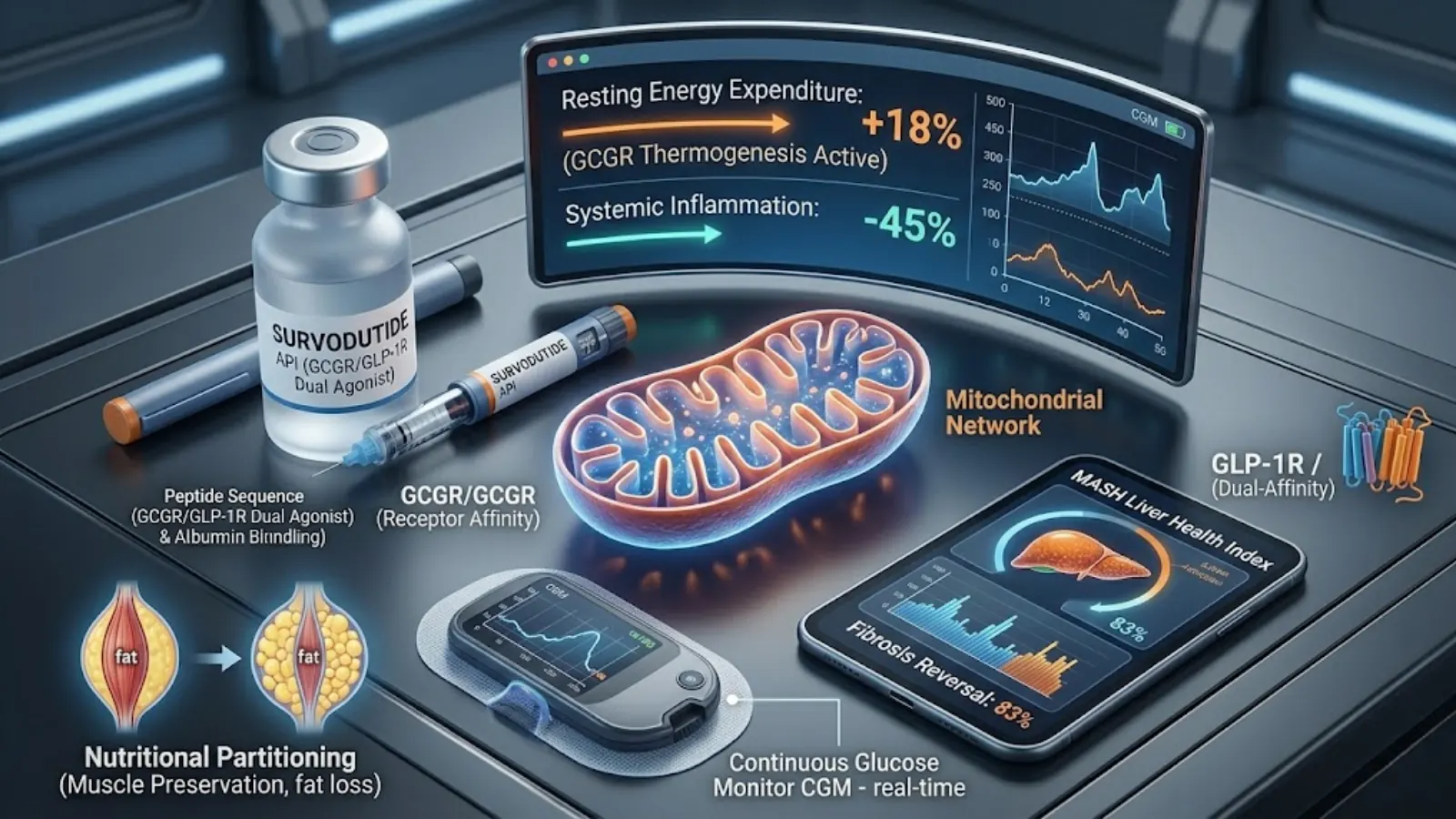
Figure 4: Advanced medical optimization tracking, including Continuous Glucose Monitoring (CGM) and resting energy expenditure analysis during peptide titration.
9. Safety Profiles and Tolerability Comparison
You cannot chemically force the liver to radically increase energy expenditure without physiological trade-offs.
Cardiovascular Markers
While semaglutide generally lowers resting heart rate over time, survodutide acts slightly on the sympathetic nervous system due to GCGR agonism. In clinical trials, a mild elevation in resting heart rate (tachycardia) has been observed. Individuals with pre-existing cardiac arrhythmias must approach dual-agonists with extreme caution.
10. Frequently Asked Questions (FAQs)
What is the GLP-1 to glucagon receptor activity ratio for survodutide?
Survodutide is a highly balanced dual-agonist. In vitro assays demonstrate an EC50 of approximately 0.33 nM for the GLP-1 receptor and 0.52 nM for the glucagon receptor, meaning it activates both pathways with incredibly potent, low-picomolar affinity.
How does survodutide increase energy expenditure differently than semaglutide?
Semaglutide does not increase energy expenditure; it only reduces caloric intake. Survodutide actively increases resting energy expenditure by engaging the hepatic glucagon receptor, upregulating Carnitine Palmitoyltransferase I (CPT-1), and initiating futile substrate cycling in the liver.
Where can researchers source verified peptide API?
Laboratories must source API from reputable, ISO-certified wholesale peptide synthesis manufacturers, verifying sequence purity via third-party High-Performance Liquid Chromatography (HPLC).
Key Takeaways
- Mechanism Overhaul: Semaglutide is the reigning champion of caloric restriction via pure GLP-1 satiety. Survodutide is the next-generation pioneer, suppressing appetite while simultaneously driving up resting energy expenditure via GCGR.
- Liver Healing (MASH): By directly targeting the glucagon receptors in the liver, survodutide forces the clearance of hepatic steatosis and has demonstrated an unprecedented ability to reverse advanced liver fibrosis.
- B2B Synthesis & Validation: Synthesizing a unimolecular peptide that perfectly balances two disparate receptor affinities requires rigorous HPLC and mass spectrometry testing to ensure the integrity of the fatty acid conjugate.
- Biohacking Protocols: For advanced biohackers, survodutide is the ultimate tool for shattering metabolic plateaus, provided proper protein partitioning and micro-dosing protocols are implemented to manage the heightened thermogenic response.