
Tesamorelin vs. CJC-1295: A Clinical Comparison of Half-Lives, Efficacy, and Biohacking Protocols

Disclaimer: The following information is for educational and informational purposes only. The peptides discussed, unless specifically prescribed as FDA-approved medications (such as Egrifta), are strictly for laboratory research use only. They are not intended for human consumption, self-administration, or the treatment, cure, or prevention of any disease.
Table of Contents
- 1. Quick Answer: Tesamorelin vs CJC-1295 Summary
- 2. Introduction: The Evolution of GHRH Peptides
- 3. Basic Mechanisms: How Do They Stimulate GH Release?
- 4. Pharmacokinetics and Half-Lives Compared
- 5. Efficacy Data: Clinical Outcomes and Research
- 6. Advanced Biohacking Protocols
- 7. B2B Perspective: Purity, Synthesis, and Stability
- 8. Side Effects and Safety Profiles
- 9. Cost, Sourcing, and Legality
- 10. Frequently Asked Questions (FAQs)
- 11. Key Takeaways
1. Quick Answer: Tesamorelin vs CJC 1295 Summary
When evaluating tesamorelin vs cjc 1295, the primary difference is their pharmacokinetic profile. Tesamorelin is an FDA-approved GHRH analog with a 2–3 hour half-life, highly targeted for visceral fat lipolysis. Conversely, CJC-1295 (with DAC) utilizes a bioconjugation process to bind with serum albumin, extending its half-life to approximately eight days, making it optimal for sustained, systemic growth hormone elevation and enhanced recovery protocols.
2. Introduction: The Evolution of GHRH Peptides
The landscape of modern endocrinology and advanced biohacking has been fundamentally altered by the advent of synthetic peptide therapeutics. For decades, the gold standard for augmenting the somatotropic axis was the administration of recombinant human growth hormone (rhGH). However, exogenous rhGH presents significant physiological drawbacks, primarily the suppression of endogenous production through negative feedback loops, eventually leading to pituitary downregulation and tachyphylaxis.
This biochemical hurdle catalyzed the evolution of Growth Hormone Releasing Hormone (GHRH) analogs.
What Are Growth Hormone Secretagogues?
Growth hormone secretagogues are a class of engineered amino acid chains designed to stimulate the pituitary gland to secrete its own growth hormone. Unlike exogenous rhGH, which floods the system and bluntly forces elevated serum levels, secretagogues work upstream. They mimic naturally occurring peptides that bind to specific receptors on the anterior pituitary gland.
By operating upstream, GHRH analogs preserve the body’s natural somatostatin feedback loop. Somatostatin is the inhibitory hormone that tells the pituitary to stop releasing GH. Preserving this loop is vital because it maintains the physiological “pulsatility” of growth hormone. Human growth hormone is not meant to be elevated continuously; it is released in distinct diurnal pulses, heavily clustered during the deepest phases of slow-wave sleep.
The Shift from Exogenous HGH to Peptide Therapy
The transition from exogenous HGH to advanced secretagogues like tesamorelin and CJC-1295 represents a shift from sledgehammer pharmacology to precision bio-engineering. Researchers and advanced biohackers now favor these peptides because they allow the pituitary to synthesize and release a more natural, multi-isoform profile of growth hormone. Furthermore, they drastically reduce the incidence of severe side effects associated with rhGH, such as severe insulin resistance, fluid retention, and localized tissue hyperplasia.
When comparing tesamorelin vs cjc 1295, we are examining two of the most potent and highly engineered molecules in the GHRH class, each optimized for entirely different clinical outcomes and metabolic pathways.
3. Basic Mechanisms: How Do They Stimulate GH Release?
To understand how these peptides diverge in their application, we must first deconstruct their molecular architecture. Both molecules act upon the GHRH receptor located on the somatotroph cells of the anterior pituitary, but their structural modifications dictate how long they bind and how robust the resulting enzymatic cascade becomes.
Tesamorelin: Targeted Somatotroph Activation
Tesamorelin is a synthetic, 44-amino acid peptide. It contains the exact same amino acid sequence as naturally occurring human GHRH, but with one critical, highly engineered modification: the addition of a trans-3-hexenoic acid group to the N-terminal tyrosine residue.
This specific N-terminal modification is a masterclass in biochemical engineering. In the human body, native GHRH has an extremely short half-life (a matter of minutes) because it is rapidly cleaved and deactivated by the enzyme dipeptidyl peptidase-4 (DPP-4). The hexenoyl moiety attached to tesamorelin acts as a molecular shield, sterically hindering the DPP-4 enzyme from degrading the peptide.
Once bound to the GHRH receptor, tesamorelin triggers a massive influx of intracellular cyclic AMP (cAMP) within the somatotrophs. This intracellular signaling cascade forces a rapid, powerful pulse of growth hormone into the bloodstream. Clinically, tesamorelin’s unique structural interaction appears to heavily favor lipolysis—the breakdown of lipids—specifically targeting adipocytes (fat cells) located deep within the abdominal cavity.
CJC-1295: Prolonged Receptor Binding and Bioconjugation
CJC-1295 takes an entirely different structural approach. Native GHRH is 44 amino acids long, but researchers discovered that only the first 29 amino acids are actually required to stimulate the receptor. This truncated sequence is known as GRF 1-29.
To create CJC-1295, scientists took GRF 1-29 and made four specific amino acid substitutions (often referred to as tetrasubstituted modified GRF 1-29) to prevent enzymatic degradation. But the true defining feature of true CJC-1295 is the addition of a Drug Affinity Complex (DAC).
The DAC is a maleimidopropionic acid linker attached to the lysine residue at position 30. This maleimido group is highly reactive. The moment CJC-1295 is injected into the subcutaneous tissue and enters the bloodstream, the DAC acts like a molecular grappling hook, covalently binding to the Cys34 residue of serum albumin (the most abundant protein in human blood).
Because albumin circulates in the blood for roughly 20 days, the attached CJC-1295 peptide is effectively protected from renal clearance and enzymatic destruction. It acts as a continuous, sustained-release mechanism, constantly agonizing the GHRH receptors on the pituitary over a period of days rather than minutes.
4. Pharmacokinetics and Half-Lives Compared
The pharmacokinetic divergence is the most critical factor when comparing these two compounds. The speed at which a peptide is metabolized and cleared from the system dictates how it must be dosed and the physiological response it will elicit.
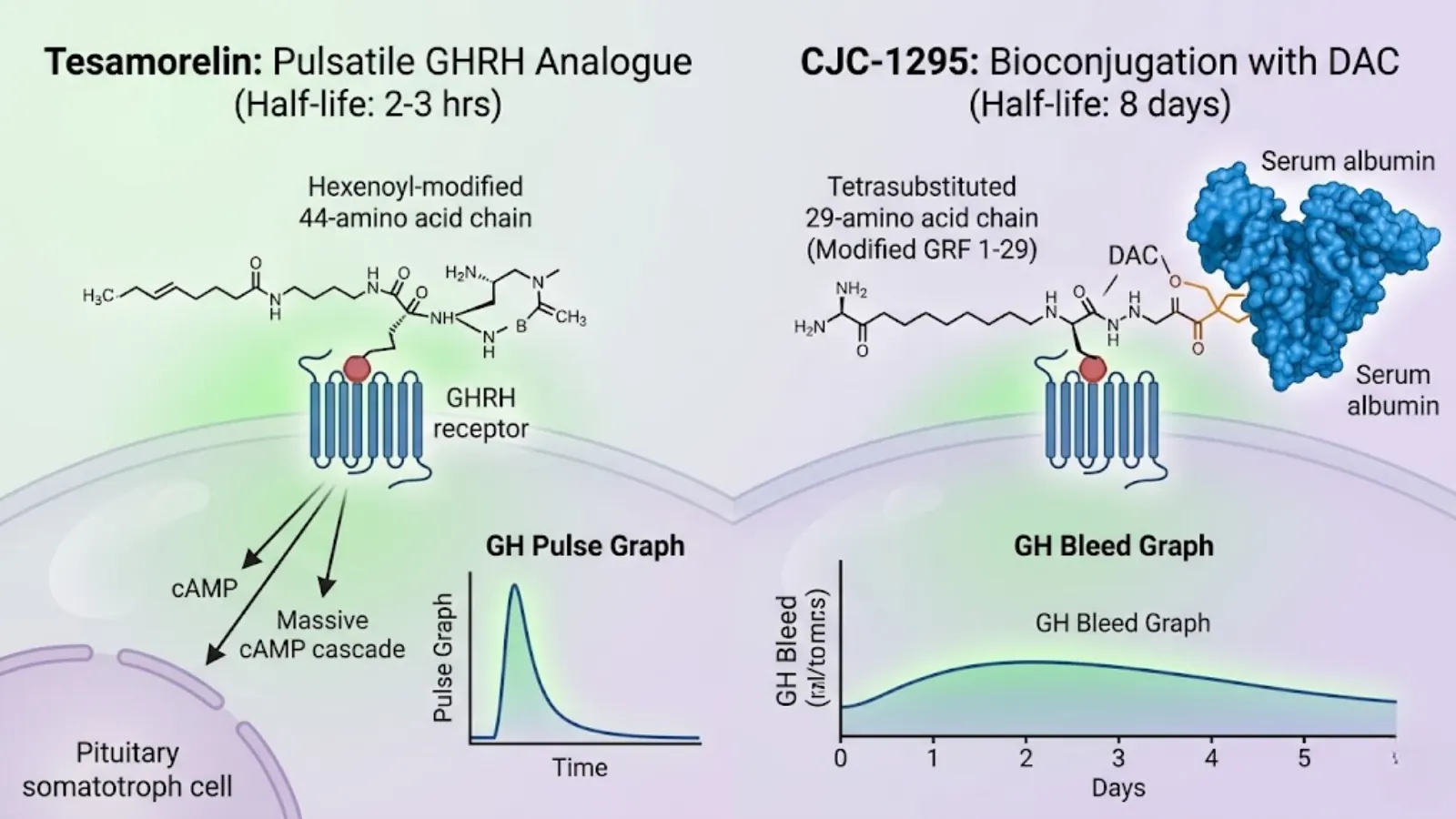
Image 1: Conceptual illustration detailing the pharmacokinetic half-life divergence between Tesamorelin’s acute pulse and CJC-1295’s DAC-enabled extended bleed.
The Half-Life of Tesamorelin (~2-3 Hours)
Despite its protective trans-3-hexenoic acid shield, tesamorelin is still cleared from the system relatively quickly, boasting a half-life of approximately 2 to 3 hours.
This acute pharmacokinetic profile means that tesamorelin mimics a massive, natural physiological pulse. The GH levels spike dramatically within the first hour of administration and then return to baseline. Because it clears rapidly, the pituitary is allowed to “rest,” preventing the downregulation of GHRH receptors. However, this also means that to achieve sustained clinical effects (such as the reduction of visceral adipose tissue), researchers and biohackers must administer it daily, and sometimes twice daily, to maintain the metabolic momentum.
CJC-1295 Without DAC (Modified GRF 1-29) (~30 Minutes)
It is crucial to address a massive semantic error prevalent in the biohacking community. Many vendors sell a product labeled “CJC-1295 No DAC.” Biochemically speaking, without the DAC, the molecule is simply tetrasubstituted Modified GRF 1-29.
Without the albumin-binding DAC complex, this peptide has an incredibly short half-life of roughly 30 minutes. It causes a sharp, immediate pulse of GH and is entirely eliminated from the system shortly after. Biohackers typically utilize this short-acting variant in multi-dose daily protocols, often stacking it with a Growth Hormone Secretagogue Receptor (GHSR) agonist like Ipamorelin to amplify the acute pulse before meals or sleep.
CJC-1295 With DAC (~8 Days)
When the Drug Affinity Complex is present, the pharmacokinetic profile alters drastically. True CJC-1295 (with DAC) has a half-life of approximately 5 to 8 days.
Because it remains bound to circulating albumin, it creates a persistent “bleed” of GHRH receptor stimulation. Instead of a sharp pulse, it raises the baseline trough levels of growth hormone and Insulin-like Growth Factor 1 (IGF-1) around the clock. This makes it highly advantageous for researchers looking for steady-state, systemic elevations without the need for multiple daily injections.
| Peptide Characteristic | Tesamorelin | Mod GRF 1-29 (CJC-1295 No DAC) | CJC-1295 (With DAC) |
|---|---|---|---|
| Amino Acid Length | 44 AA + hexenoyl moiety | 29 AA (tetrasubstituted) | 29 AA + DAC linker |
| Terminal Half-Life | 2 – 3 Hours | ~30 Minutes | 5 – 8 Days |
| GH Release Profile | Acute, massive pulse | Acute, rapid pulse | Sustained, continuous elevation |
| Enzyme Protection | Trans-3-hexenoic acid | Amino acid substitutions | Bioconjugation to Albumin |
| Typical Frequency | 1 – 2x Daily | 1 – 3x Daily | 1 – 2x Weekly |
5. Efficacy Data: Clinical Outcomes and Research
Moving from molecular theory to applied clinical data, the efficacy of tesamorelin vs cjc 1295 manifests in distinctly different ways. While both elevate IGF-1 and GH, the downstream tissue targeting varies significantly based on the pulsatility and receptor interaction.
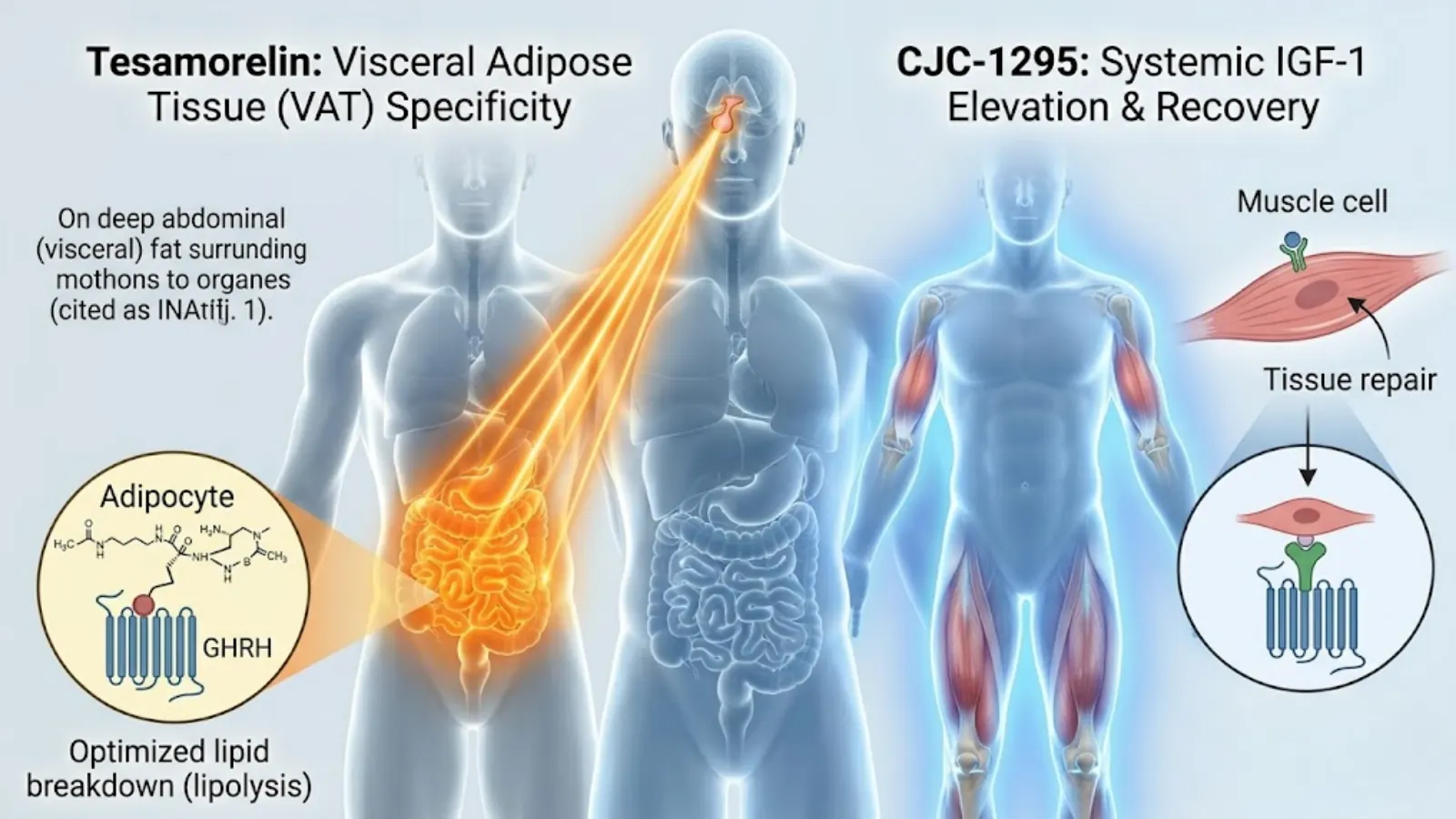
Image 2: Physiological targeting map demonstrating Tesamorelin’s specificity for deep visceral fat versus CJC-1295’s systemic tissue recovery profile.
Tesamorelin for Visceral Adipose Tissue (VAT) Reduction
Tesamorelin holds a unique position in the peptide world as it has achieved FDA approval (marketed under the brand name Egrifta). Its clinical efficacy was proven in rigorous, double-blind, placebo-controlled trials aimed at treating HIV-associated lipodystrophy—a condition characterized by severe, metabolically dangerous accumulations of visceral adipose tissue (VAT) around the internal organs.
Clinical data demonstrates that tesamorelin is exceptionally proficient at driving lipolysis in deep abdominal fat stores. In trials, patients utilizing 2 mg of subcutaneous tesamorelin daily experienced an average VAT reduction of 15% to 18% over 26 weeks. Furthermore, this reduction in visceral fat was accompanied by favorable changes in lipid profiles, notably a reduction in triglycerides.
The exact mechanism by which tesamorelin so heavily favors fat oxidation over muscle hypertrophy is still a subject of pharmacological debate, but it is theorized that the intense, acute pulse it generates highly upregulates lipolytic enzymes in adipocytes without necessarily maintaining the prolonged IGF-1 levels required for skeletal muscle growth.
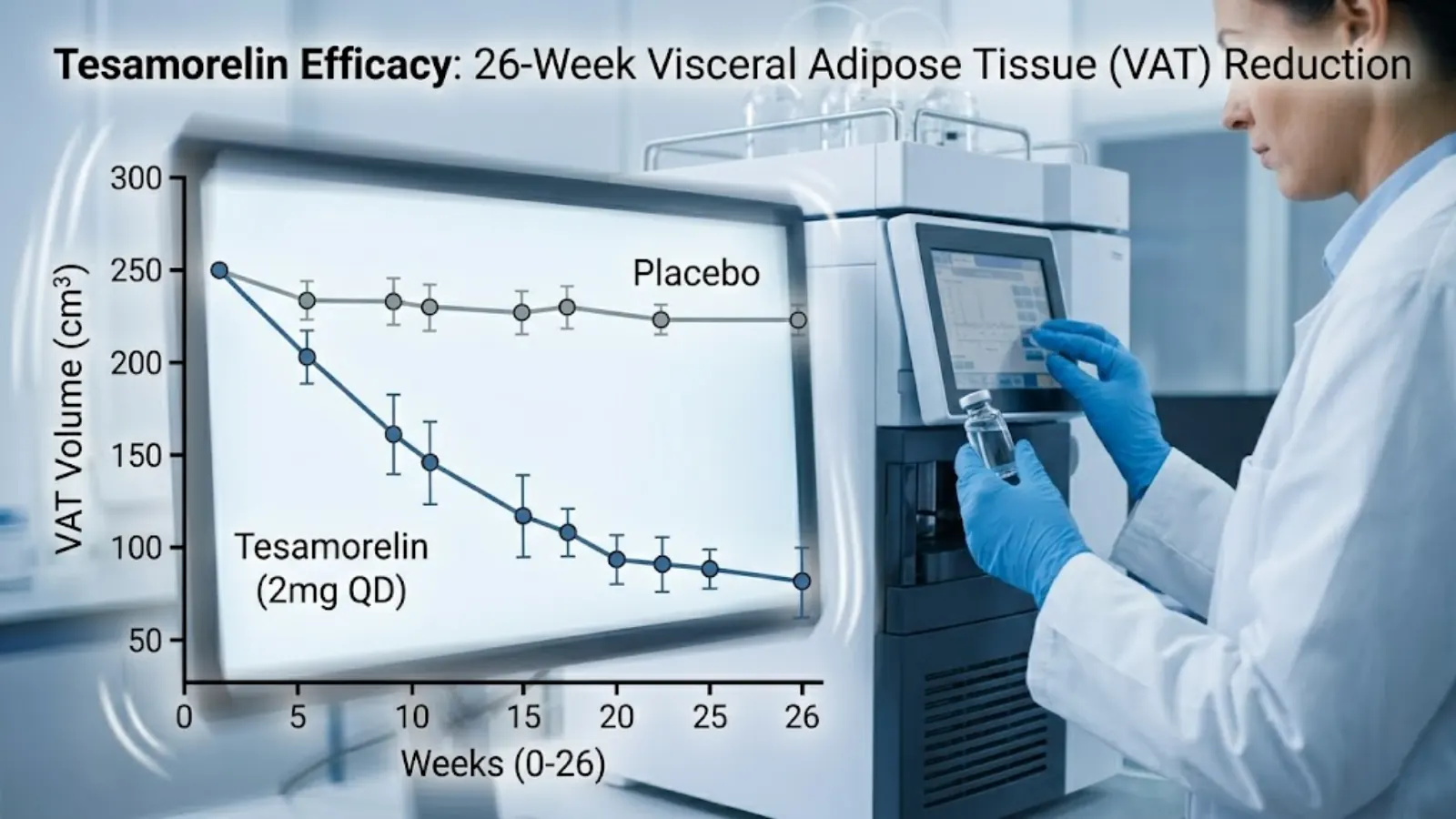
Image 3: Clinical efficacy visualization tracking the 26-week reduction of Visceral Adipose Tissue (VAT) using Tesamorelin protocols.
CJC-1295 for Sustained IGF-1 Elevations and Systemic Recovery
CJC-1295 with DAC was originally developed by ConjuChem Biotechnologies to treat lipodystrophy and growth hormone deficiencies. While it did not reach final FDA approval, the Phase II clinical trials provided invaluable data on its efficacy.
Because CJC-1295 causes a sustained, 24/7 elevation in growth hormone, it drives a massive, continuous release of IGF-1 from the liver. In human trials, a single injection of CJC-1295 with DAC was shown to increase mean plasma GH concentrations by 2- to 10-fold for more than 6 days, and increase IGF-1 levels by 1.5- to 3-fold for 9 to 11 days.
This sustained elevation of IGF-1 makes CJC-1295 particularly effective for systemic recovery. Elevated baseline IGF-1 heavily influences cellular mitosis, cartilage repair, tendon strengthening, and skeletal muscle hypertrophy. In laboratory research and biohacking protocols, it is rarely used solely for fat loss; rather, its efficacy shines in protocols designed for injury recovery, aggressive muscle anabolism, and comprehensive anti-aging cellular regeneration.
| Outcome Metric | Tesamorelin | CJC-1295 (With DAC) |
|---|---|---|
| Primary Clinical Indication | Visceral Adipose Tissue (VAT) reduction | Generalized GH/IGF-1 deficiency |
| Lipolytic Potency (Fat Loss) | Exceptionally High | Moderate |
| Anabolic Potency (Muscle/Tissue) | Moderate | Exceptionally High |
| Impact on IGF-1 Levels | Pulsatile, moderate total elevation | Sustained, massive total elevation |
| FDA Status | Approved (Egrifta) | Investigational / Research Only |
6. Advanced Biohacking Protocols
In the realm of advanced human optimization, translating clinical pharmacokinetics into actionable protocols requires a profound understanding of chronobiology and cellular metabolism. The administration of growth hormone secretagogues must be precisely timed to exploit natural physiological windows, specifically regarding insulin and somatostatin levels.
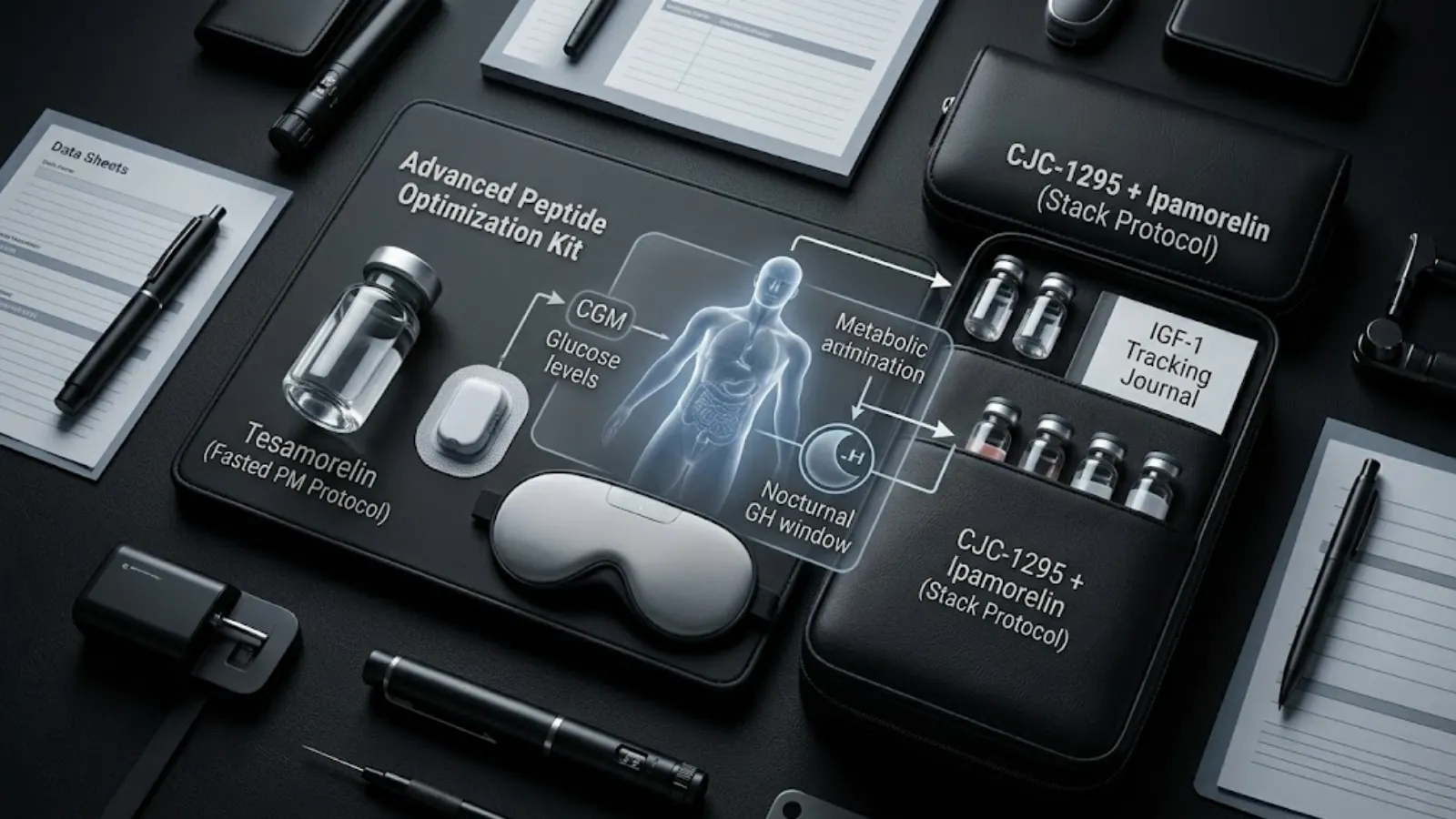
Image 4: Flat lay illustration of an advanced biohacking optimization kit, detailing the precise administration parameters for maximum efficacy.
The Tesamorelin Protocol for Stubborn Belly Fat
For biohackers and longevity enthusiasts targeting visceral adiposity, tesamorelin is the undisputed heavyweight. However, its efficacy is entirely dependent on the metabolic environment at the time of injection.
Because insulin is a powerful antagonist to growth hormone release, tesamorelin must be administered in a strictly fasted state. If blood glucose and insulin are elevated, the pituitary’s somatotrophs will blunt the GHRH signal, rendering the injection biologically inert.
The standard protocol involves a subcutaneous injection of 1 to 2 mg of tesamorelin either first thing in the morning (prior to cardiovascular exercise) or immediately before bed. The pre-bedtime protocol is highly favored because it synergizes with the body’s largest natural nocturnal GH pulse, occurring during the first cycle of deep delta-wave sleep. Biohackers typically maintain a strict fasting window of at least two to three hours prior to this nighttime injection. To maximize lipolysis, this cycle is usually run for 12 to 16 weeks, allowing adequate time for the mobilization and oxidation of stubborn lipid stores.
The CJC-1295 Anti-Aging and Recomposition Protocol
When deploying CJC-1295, the protocol bifurcates completely depending on the presence of the Drug Affinity Complex (DAC).
For CJC-1295 with DAC, the protocol is geared toward systemic recovery, tendinopathy repair, and generalized anabolism. Due to its ~8-day half-life, users typically administer it just once or twice per week at a dosage of 1 to 2 mg. Because the DAC causes a continuous “bleed” of GH, injection timing relative to meals is slightly less critical than with fast-acting peptides, though fasting administration is still considered best practice to optimize the initial absorption.
Conversely, CJC-1295 without DAC (Mod GRF 1-29) is almost exclusively utilized in a “stack.” To maximize the acute ~30-minute pulse, biohackers universally stack it with a Growth Hormone Secretagogue Receptor (GHSR) agonist, such as Ipamorelin.
This synergistic stack is biochemical poetry: the Mod GRF 1-29 (the GHRH analog) signals the pituitary to release GH, while the Ipamorelin (the GHRP) amplifies the pulse and simultaneously suppresses somatostatin (the hormone that halts GH release). A standard anti-aging protocol involves 100 mcg of Mod GRF 1-29 and 100 to 200 mcg of Ipamorelin administered subcutaneously one to three times daily, strictly fasted.
Can You Stack Them? (Synergy vs. Redundancy)
A common question among advanced practitioners is whether combining tesamorelin vs cjc 1295 yields synergistic effects. From a biochemical and pharmacological standpoint, stacking them is highly redundant and ill-advised.
Both peptides are GHRH analogs competing for the exact same receptor binding sites on the anterior pituitary. Administering them concurrently results in competitive inhibition and receptor saturation, effectively wasting expensive peptides. If a biohacker wishes to maximize GH output, the correct physiological approach is to stack one GHRH analog (like tesamorelin) with a GHRP (like Ipamorelin), activating two distinct mechanistic pathways simultaneously.
7. B2B Perspective: Purity, Synthesis, and Stability
For laboratory researchers, wholesale distributors, and clinical compounding pharmacies, the nuances of peptide synthesis and molecular stability dictate supply chain viability. The structural differences between these two compounds heavily influence their manufacturing cost and shelf life.
HPLC Mass Spectrometry and Peptide Purity
In the B2B space, a Certificate of Analysis (COA) is the currency of trust. High-Performance Liquid Chromatography (HPLC) coupled with Mass Spectrometry is the gold standard for verifying the identity and purity of synthesized peptides.
When synthesizing tesamorelin, the primary challenge lies in the attachment of the trans-3-hexenoic acid moiety. Incomplete coupling reactions can leave truncated peptide chains or unreacted intermediates. A rigorous HPLC analysis must show a primary peak representing >99% purity, with mass spectrometry confirming the exact molecular weight (5135.9 g/mol).
Furthermore, during the synthesis of both peptides, trifluoroacetic acid (TFA) is utilized to cleave the peptide from the synthesis resin. B2B purchasers must demand TFA-removal processes, as residual TFA salts can cause localized tissue necrosis and severe cellular toxicity in in vitro and in vivo models. High-grade research peptides are typically converted to acetate salts.
Lyophilized Stability and Reconstitution Degradation
Peptide stability is a critical logistical variable. Both compounds are shipped as lyophilized (freeze-dried) powders. In this state, stored at -20°C, they can remain stable for years. However, upon reconstitution with bacteriostatic water, the molecular clock begins ticking.
Tesamorelin is notoriously fragile. The hexenoyl group and the extended 44-amino acid chain make it highly susceptible to hydrolysis and enzymatic degradation once in solution. Reconstituted tesamorelin must be kept refrigerated at 2°C to 8°C and typically begins degrading rapidly after 14 to 21 days, making bulk reconstitution unfeasible.
CJC-1295 (both with and without DAC) demonstrates a slightly more robust stability profile upon reconstitution due to the tetrasubstituted amino acid modifications, specifically the substitution of D-Ala at the second position, which powerfully resists enzymatic cleavage. Nonetheless, standard laboratory protocol dictates that reconstituted vials should be discarded after 30 days to ensure data integrity in clinical trials.
| Metric | Tesamorelin | CJC-1295 (With DAC) |
|---|---|---|
| Molecular Weight | 5135.9 g/mol | ~3367.9 g/mol |
| Synthesis Complexity | Very High (Hexenoyl attachment) | High (Bioconjugation via DAC) |
| Reconstituted Shelf Life (Refrigerated) | ~14 – 21 Days | ~30 Days |
| Optimal Salt Form for Research | Acetate | Acetate |
| Primary Degradation Risk | Hydrolysis in solution | Aggregation / Dimerization |
8. Side Effects and Safety Profiles
Manipulating the somatotropic axis is not without physiological consequence. While GHRH analogs are vastly safer than exogenous rhGH, pushing serum IGF-1 to supraphysiological levels carries inherent metabolic risks that must be heavily monitored.
Impact on Insulin Sensitivity and Blood Glucose
The most clinically significant side effect of chronically elevated growth hormone is the induction of insulin resistance. Growth hormone inherently raises blood glucose levels by stimulating hepatic gluconeogenesis and inhibiting glucose uptake in peripheral tissues (like skeletal muscle).
When comparing tesamorelin vs cjc 1295 in this context, CJC-1295 with DAC carries a much higher risk of disrupting glycemic control. Because the DAC creates a continuous, 24/7 elevation in GH and IGF-1, the body is under constant gluconeogenic stress. Over weeks and months, this can lead to elevated fasting blood glucose, rising HbA1c levels, and eventual insulin resistance.
Tesamorelin, with its rapid 2–3 hour clearance, allows the pituitary and the pancreas to “rest.” The transient spike in GH does not place the same sustained burden on insulin receptors, which is precisely why it is deemed safe enough for FDA approval in populations (like HIV patients) already prone to metabolic syndrome.
Common Adverse Reactions
Both peptides share a similar profile of acute, typically dose-dependent side effects.
- Injection Site Erythema: A localized histamine reaction (redness, itching, and minor swelling) is common, particularly with CJC-1295 with DAC, due to the maleimidopropionic acid linker reacting at the injection site before binding to albumin.
- Edema (Water Retention): Elevated GH alters sodium retention in the kidneys, frequently leading to peripheral edema. Users often report holding water in their ankles, face, and hands during the first few weeks of a protocol.
- Carpal Tunnel Syndrome: The combination of water retention and rapid soft-tissue anabolism can compress the median nerve in the wrist, leading to numbness, tingling, and pain. This is a classic hallmark of excessive IGF-1 elevation and dictates an immediate reduction in dosage.
9. Cost, Sourcing, and Legality
The landscape of peptide acquisition is heavily fragmented, sharply divided between heavily regulated pharmaceutical channels and the “gray market” of research chemicals.
FDA-Approved Egrifta vs. Research-Grade Peptides
Tesamorelin holds the distinction of being available via a legitimate pharmaceutical pathway. Egrifta SV, manufactured by Theratechnologies, is available via prescription. However, its cost is astronomical, often exceeding $4,000 to $6,000 for a one-month supply. For biohackers without a qualifying diagnosis (HIV-lipodystrophy), securing a prescription is difficult, and insurance will not cover the off-label use for general visceral fat reduction.
Consequently, both B2B researchers and B2C biohackers frequently turn to research chemical synthesis companies.
Navigating the B2B and B2C Supply Chains
The legal status of purchasing peptides online is strictly constrained by the “Laboratory Research Use Only” designation. Companies synthesize and sell tesamorelin and CJC-1295 legally under the premise that they are purely for in vitro or in vivo animal modeling.
For advanced practitioners navigating this space, vetting the supply chain is paramount. The market is rife with under-dosed vials, contaminated batches, and counterfeit products (e.g., selling cheap Mod GRF 1-29 labeled as expensive tesamorelin). A reputable vendor must provide third-party, independent HPLC and Mass Spectrometry COAs for every specific batch number they sell.
10. Frequently Asked Questions (FAQs)
Which is better for stubborn visceral belly fat, tesamorelin or CJC-1295?
Tesamorelin is definitively superior for targeting visceral belly fat. Its unique molecular structure generates a massive, acute pulse of growth hormone that heavily upregulates lipolytic enzymes specific to deep abdominal adipose tissue. This efficacy is validated by its FDA approval specifically for the reduction of visceral fat. CJC-1295 is better suited for generalized recovery and muscle preservation.
How long does it take to see results from tesamorelin compared to CJC-1295?
Because they target different outcomes, the timelines vary. Tesamorelin users tracking visceral fat loss via DEXA scans typically begin to see measurable, visible reductions in waist circumference between weeks 8 and 12 of a daily protocol. Users of CJC-1295 (focusing on recovery, sleep quality, and tissue repair) often report improvements in deep sleep within the first week, with noticeable changes in skin elasticity and joint recovery around weeks 6 to 8.
What is the difference in half-life between tesamorelin and CJC-1295 with DAC?
The difference is vast. Tesamorelin has a rapid half-life of roughly 2 to 3 hours, causing a sharp spike in growth hormone that returns to baseline quickly. CJC-1295 with DAC contains a bioconjugation linker that binds the peptide to serum albumin in the blood, effectively shielding it from degradation and extending its half-life to approximately 8 days, creating a continuous elevation in baseline GH.
Do I need to cycle off GHRH peptides to prevent receptor downregulation?
Yes, cycling is highly recommended. While GHRH analogs are less suppressive than exogenous rhGH, chronically agonizing the pituitary receptors—especially with long-acting compounds like CJC-1295 with DAC—can eventually lead to somatotroph fatigue and decreased receptor sensitivity. A standard protocol involves 12 to 16 weeks of active administration followed by 4 to 8 weeks completely off the compound to allow for receptor upregulation and the normalization of insulin sensitivity.
11. Key Takeaways
- Distinct Clinical Aims: The debate of tesamorelin vs cjc 1295 boils down to your primary biological objective. Tesamorelin is the ultimate tool for visceral lipolysis (fat loss), while CJC-1295 (with DAC) is optimized for steady-state, long-term anabolism and recovery.
- Pharmacokinetic Divergence: Tesamorelin acts fast (2–3 hour half-life), requiring daily administration. CJC-1295 with DAC binds to albumin, lasting ~8 days and requiring only weekly administration.
- The DAC Distinction: Understand the profound difference between CJC-1295 with DAC (8-day half-life) and Mod GRF 1-29 (often mislabeled as CJC-1295 No DAC, boasting a 30-minute half-life).
- Metabolic Management: Continuous elevation of GH via CJC-1295 with DAC presents a higher risk of insulin resistance compared to the pulsatile nature of tesamorelin. Always monitor fasting blood glucose and HbA1c.
- Purity is Paramount: Whether sourcing for a B2B laboratory or a personal B2C protocol, always demand third-party HPLC and Mass Spectrometry testing to verify the molecular weight and >99% purity of the peptide. Avoid residual TFA salts at all costs.