
Tesamorelin vs. Ipamorelin for Visceral Fat: From in Vitro Stability to Real-World Biohacking

Disclaimer: The following information is for educational and laboratory research purposes only. The compounds discussed are restricted to investigational use and are not intended for unprescribed human consumption, diagnosis, or treatment. Always consult a licensed medical professional or specialized endocrinologist before considering any peptide therapy.
1. Quick Answer: Tesamorelin vs Ipamorelin Summary
In the comparison of tesamorelin vs ipamorelin, tesamorelin is a growth hormone-releasing hormone (GHRH) analogue explicitly FDA-approved for reducing stubborn visceral adiposity, offering aggressive fat loss. Conversely, ipamorelin is a selective growth hormone secretagogue receptor (GHSR) agonist that stimulates a steady, natural pulse of growth hormone without elevating cortisol or prolactin, making it superior for long-term body composition and anti-aging protocols.
Table of Contents
- 1. Quick Answer: Summary
- 2. Introduction: Evolution of Growth Hormone Peptides
- 3. Core Mechanisms: How They Work Differently
- 4. Clinical Efficacy for Visceral Fat
- 5. In Vitro Stability and Molecular Purity (B2B)
- 6. Reconstitution and Storage
- 7. Real-World Biohacking: Protocols
- 8. Synergistic Stacking Configurations
- 9. Safety Profiles and Side Effects
- 10. Cost-Benefit Analysis
- 11. Frequently Asked Questions (FAQs)
- 12. Key Takeaways
2. Introduction: The Evolution of Growth Hormone Peptides
The landscape of clinical endocrinology and advanced biohacking has fundamentally shifted over the last two decades. We have transitioned away from the brute-force application of exogenous recombinant human growth hormone (rHGH) toward the highly targeted, physiological optimization offered by secretagogues. Understanding the nuanced biochemistry of these compounds is critical for both the bench researcher synthesizing them and the clinician or advanced biohacker utilizing them.
The Shift from Exogenous HGH to Secretagogues
Historically, the administration of exogenous rHGH was the gold standard for combating somatic senescence, muscle wasting, and lipodystrophy. However, exogenously administered growth hormone presents a significant physiological dilemma: it bypasses the body’s native regulatory mechanisms. By flooding the system with exogenous hormone, the anterior pituitary gland receives negative feedback signals, primarily via increased somatostatin release and elevated circulating Insulin-like Growth Factor 1 (IGF-1). This results in the suppression—and eventual shutdown—of the body’s endogenous growth hormone production.
Furthermore, exogenous HGH administration often results in a sustained, unphysiological “bleed” of hormone levels, rather than the natural, pulsatile rhythms the human body evolved to utilize. This constant elevation is heavily linked to severe side effects, including acromegaly, profound insulin resistance, and undesirable tissue proliferation.
Enter the secretagogues. Peptides like tesamorelin and ipamorelin do not replace the body’s endogenous supply; rather, they signal the anterior pituitary to secrete its own stored growth hormone in a natural, pulsatile manner. By utilizing these pathways, researchers and biohackers can optimize serum GH and IGF-1 levels while preserving the integrity of the hypothalamic-pituitary-somatotropic axis.
Defining the Target: Visceral Adipose Tissue (VAT)
When discussing the efficacy of tesamorelin vs ipamorelin, it is imperative to clinically define the primary target of modern peptide fat-loss protocols: Visceral Adipose Tissue (VAT).
Unlike subcutaneous fat (the relatively inert layer of fat residing directly beneath the skin), visceral fat sits deep within the abdominal cavity, wrapping around vital organs such as the liver, pancreas, and intestines. From a biochemical standpoint, VAT is not merely a storage depot; it is a highly active, pathogenic endocrine organ. It secretes a continuous stream of pro-inflammatory cytokines, adipokines, and free fatty acids directly into the portal vein. This localized toxicity drives systemic low-grade inflammation (via elevated Interleukin-6 and TNF-alpha), heavily promotes hepatic insulin resistance, and exponentially increases cardiovascular disease risk.
Due to its high density of glucocorticoid and androgen receptors, and lower density of insulin receptors, visceral fat is notoriously resistant to traditional caloric restriction and exercise. This is precisely why the localized lipolytic action triggered by specific growth hormone pathways has become the focal point of advanced body composition research.
3. Core Mechanisms: How They Work Differently
To fully grasp the therapeutic and clinical applications of these two compounds, one must understand that while both ultimately elevate serum growth hormone, they accomplish this by binding to completely different receptors in the pituitary gland, utilizing distinct intracellular signaling cascades.
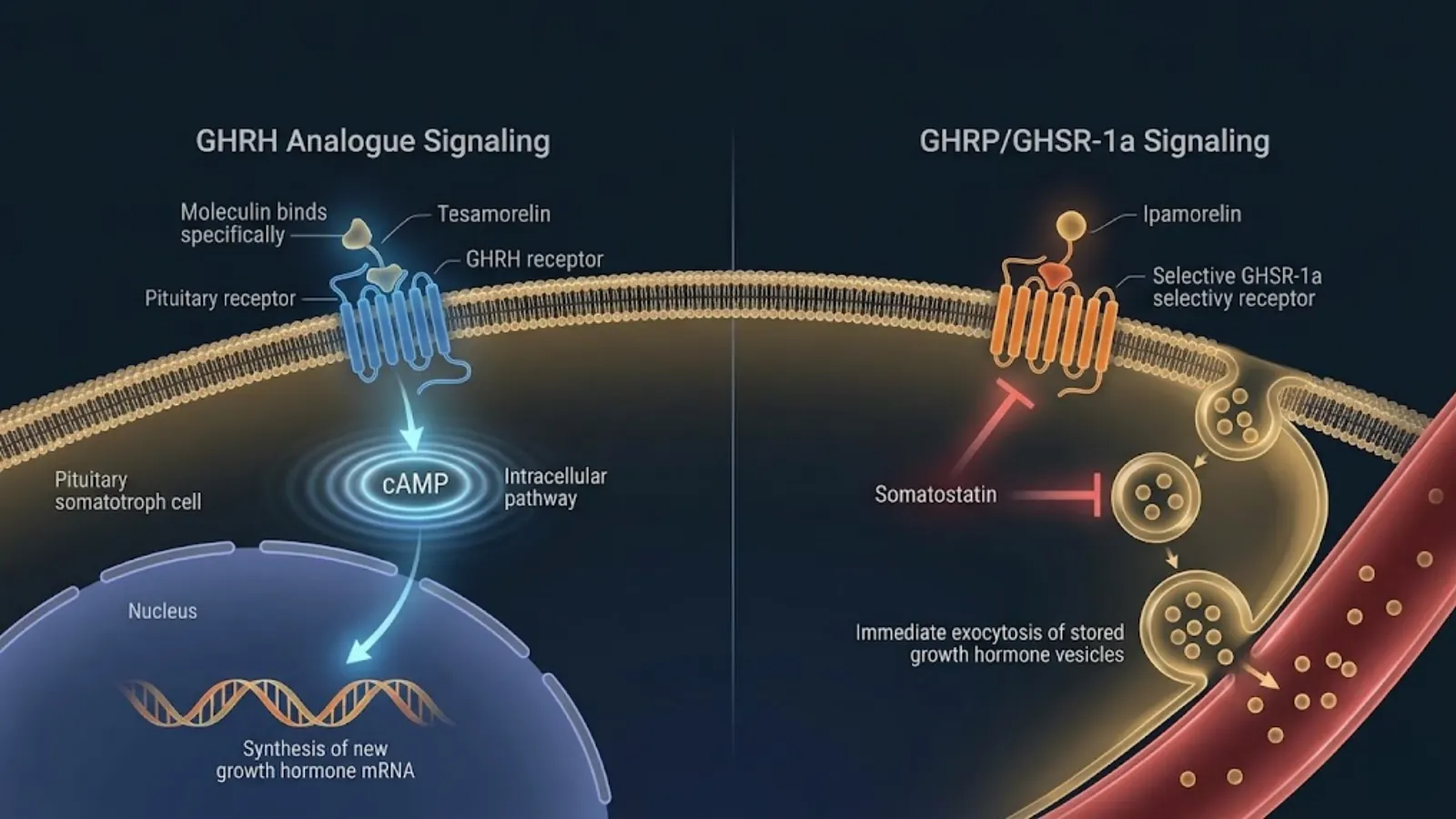
Image 1: Conceptual illustration detailing the neuroendocrine pathways. Tesamorelin (left) activates the GHRH receptor and cAMP pathway for GH synthesis, while Ipamorelin (right) targets the GHSR-1a receptor to trigger stored GH release.
Tesamorelin: The GHRH Analogue
Tesamorelin (marketed under the trade name Egrifta) is a synthetic analogue of the naturally occurring human Growth Hormone-Releasing Hormone (GHRH). Endogenous GHRH is a 44-amino acid polypeptide secreted by the hypothalamus. Tesamorelin mirrors this exact 44-amino acid sequence but incorporates a critical bio-engineered modification: the addition of a trans-3-hexenoic acid group to its N-terminus.
This specific N-terminal modification is a triumph of biochemical engineering. In the human body, native GHRH is rapidly cleaved and deactivated by the enzyme dipeptidyl peptidase-4 (DPP-4), resulting in a half-life of mere minutes. The trans-3-hexenoic acid group acts as a chemical shield, protecting tesamorelin from DPP-4 cleavage, significantly extending its half-life, and allowing it to bind to the GHRH receptors on pituitary somatotrophs with extreme affinity.
Once bound, tesamorelin triggers a G-protein coupled cascade, elevating intracellular cyclic AMP (cAMP). This directly stimulates the exocytosis of stored growth hormone vesicles into the bloodstream. Because it is a GHRH analogue, tesamorelin excels at stimulating the synthesis of *new* growth hormone messenger RNA (mRNA), expanding the pituitary’s overall reserve capacity over time. Its aggressive lipolytic effect on visceral fat is mediated through the upregulation of hormone-sensitive lipase (HSL) and down-regulation of lipoprotein lipase (LPL) in adipose tissue.
Ipamorelin: The Selective Ghrelin Receptor Agonist
Ipamorelin belongs to a different class of peptides entirely: Growth Hormone Releasing Peptides (GHRPs). While GHRH is released from the hypothalamus, GHRPs were originally developed as synthetic ligands that mimic the action of ghrelin, the “hunger hormone” secreted by the stomach.
Ipamorelin is a pentapeptide (a short chain of five amino acids) with the sequence Aib-His-D-2-Nal-D-Phe-Lys-NH2. It binds selectively to the Growth Hormone Secretagogue Receptor 1a (GHSR-1a) on the pituitary gland.
What makes ipamorelin the “darling” of the biohacking and anti-aging community is its unparalleled receptor selectivity. First-generation GHRPs, such as GHRP-6 and GHRP-2, bind to GHSR-1a but also trigger significant collateral signaling. They notoriously cause extreme, uncontrollable hunger (due to mimicking ghrelin’s orexigenic pathways) and stimulate the release of both cortisol and prolactin. Elevated cortisol drives catabolism and anxiety, while prolactin can lead to gynecomastia and suppressed libido.
Ipamorelin was structurally designed to eliminate this collateral damage. It acts as a clean, highly selective agonist. It induces a massive, immediate pulse of growth hormone by inhibiting somatostatin (the hormone that stops GH release) and stimulating GH release directly, *without* the concomitant spikes in hunger, cortisol, or prolactin.
4. Tesamorelin vs Ipamorelin for Visceral Fat: Clinical Efficacy
When analyzing the clinical efficacy of tesamorelin vs ipamorelin for fat loss, the distinction lies in aggression versus sustainability, and targeted lipid mobilization versus systemic body composition enhancement.
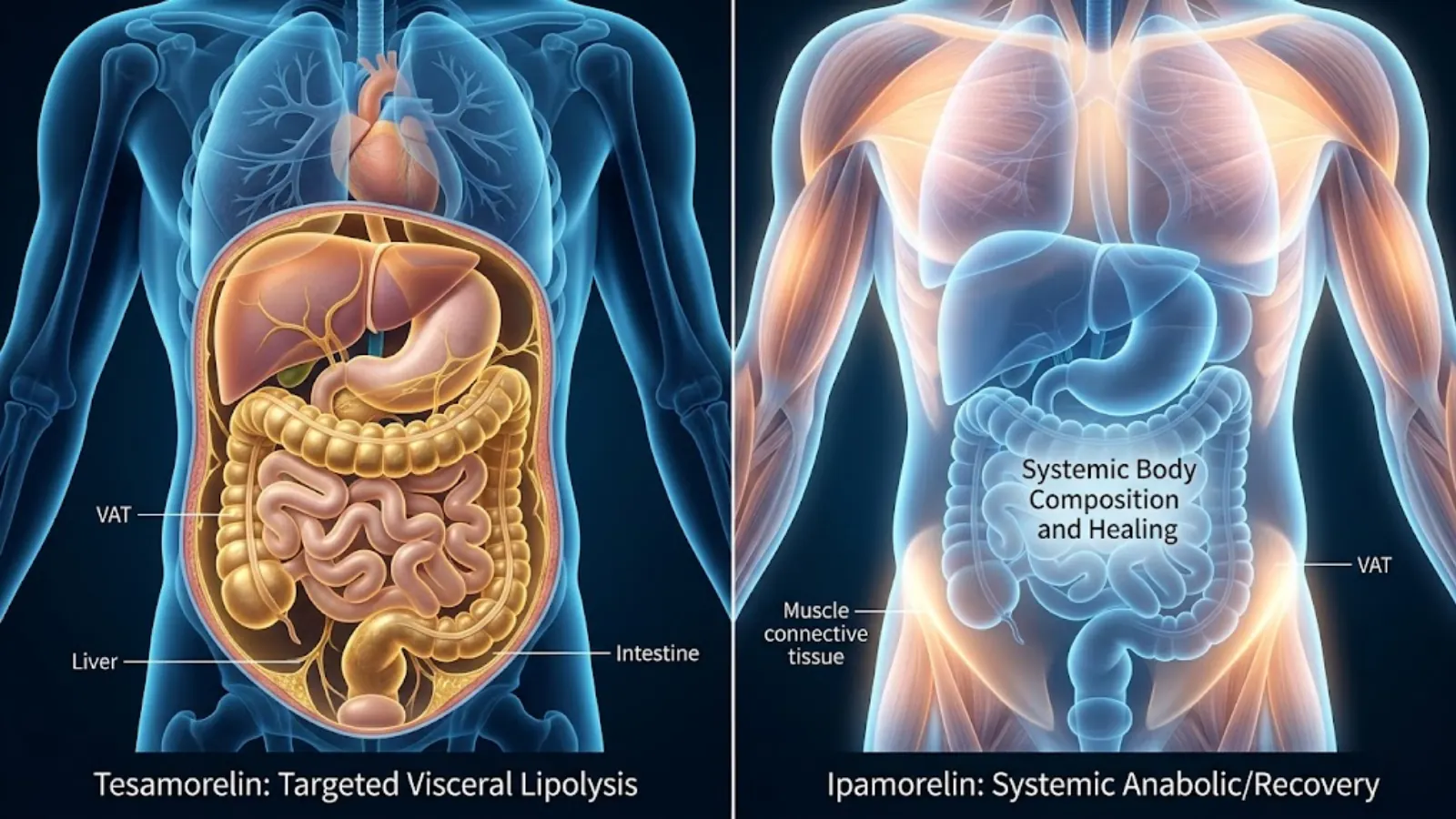
Image 3: Physiological targeting map. Tesamorelin is visually targeted specifically to deep golden Visceral Adipose Tissue (VAT), while Ipamorelin shows more widespread systemic body composition benefits.
Tesamorelin’s Proven Track Record in Lipodystrophy
Tesamorelin is FDA-approved specifically for the treatment of HIV-associated lipodystrophy—a severe metabolic condition characterized by extreme visceral fat accumulation and corresponding limb wasting, often brought on by antiretroviral therapies. In robust, randomized, double-blind, placebo-controlled clinical trials, tesamorelin demonstrated the ability to reduce visceral adipose tissue by an average of 15% to 18% over a 26-week period.
Biochemically, tesamorelin drives a powerful wedge into lipid metabolism. The heavy pulse of growth hormone it generates directly antagonizes the action of insulin on adipocytes, forcing the body to transition away from glucose oxidation and heavily rely on free fatty acid oxidation for ATP production. For the advanced biohacker targeting stubborn belly fat that refuses to yield to caloric restriction, tesamorelin is widely considered the most potent peptide intervention available.
Ipamorelin’s Role in Body Composition and Metabolism
Ipamorelin’s approach to fat loss is less direct but highly synergistic with long-term metabolic health. Because it stimulates a smoother, longer-lasting pulse of growth hormone (approximating a slow 3 to 4-hour curve), it excels at promoting overall nitrogen retention, enhancing bone mineral density, and accelerating the healing of connective tissue (ligaments and tendons).
Its lipolytic effect is steady and systemic. Rather than aggressively attacking visceral fat like tesamorelin, ipamorelin optimizes the baseline metabolic rate. It allows users to maintain a highly anabolic state—preserving lean muscle mass while gradually oxidizing subcutaneous fat. Because it lacks the heavy glycemic load impact of tesamorelin, it is vastly superior for year-round biohacking protocols aimed at longevity and sustained body recomposition.
Head-to-Head: Clinical Comparison Matrix
| Pharmacological Metric | Tesamorelin (GHRH Analogue) | Ipamorelin (GHSR Agonist) |
|---|---|---|
| Primary Mechanism | Binds to GHRH receptor; increases cAMP; promotes GH synthesis. | Binds to GHSR-1a (Ghrelin receptor); inhibits somatostatin. |
| Impact on Visceral Fat (VAT) | Highly Aggressive (FDA Approved for this specific purpose). | Mild to Moderate (Improves overall systemic body composition). |
| Appetite Stimulation | None. | Negligible / None (Highly selective compared to GHRP-6). |
| Cortisol / Prolactin Elevation | None. | None (Unique among the GHRP class). |
| Molecular Weight | ~5135.9 g/mol (Large polypeptide). | ~711.9 g/mol (Small pentapeptide). |
| Ideal Biohacking Use-Case | 8-12 week targeted visceral fat reduction phases. | 16-24+ week anti-aging, recovery, and longevity protocols. |
5. In Vitro Stability and Molecular Purity (B2B Focus)
For laboratory wholesale suppliers, chemical synthesis technicians, and clinical researchers, understanding the biophysical properties of these peptides is as important as their physiological mechanisms. The logistical realities of peptide synthesis, lyophilization, and molecular degradation dictate their viability in research environments.
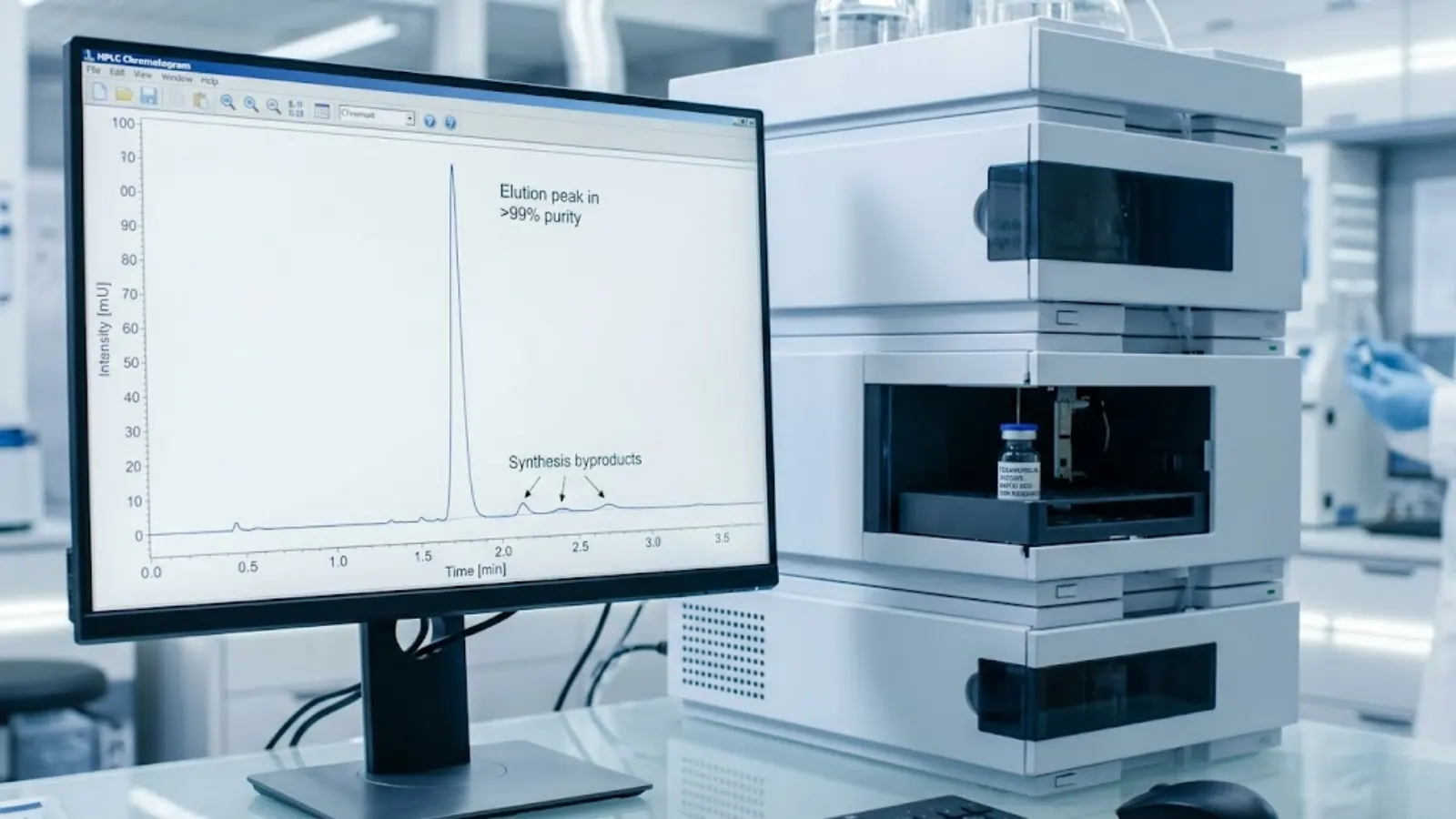
Image 2: Laboratory validation. A state-of-the-art HPLC chromatogram displaying a single sharp elution peak, indicating >99% molecular purity, essential for B2B wholesale synthesis standards.
Lyophilization and Peptide Degradation Risks
Peptides are inherently fragile structures. In an aqueous solution, the peptide bonds holding the amino acids together are highly susceptible to hydrolysis and enzymatic degradation. To stabilize them for transport and storage, both tesamorelin and ipamorelin undergo lyophilization (freeze-drying). This process removes water under a vacuum, leaving behind a stable, white, crystalline powder.
However, the massive difference in molecular weight between tesamorelin vs ipamorelin plays a crucial role in their respective stability profiles. Tesamorelin, at 44 amino acids long (MW ~5135.9 g/mol), is a complex folded structure. It is highly susceptible to physical degradation, specifically aggregation (where peptide chains clump together, rendering them biologically inactive) and deamidation (the removal of an amide group from asparagine or glutamine residues). Tesamorelin must be handled with extreme care; aggressive shaking of a reconstituted vial can shear the fragile peptide bonds.
Ipamorelin, conversely, is merely five amino acids long (MW ~711.9 g/mol). Its small, compact pentapeptide structure makes it incredibly robust. It is highly resistant to aggregation and can withstand minor fluctuations in the cold chain significantly better than its larger GHRH counterpart.
HPLC Mass Spectrometry: Evaluating Purity Standards
When sourcing these compounds for laboratory research, independent verification of molecular purity is non-negotiable. The industry standard for this verification is High-Performance Liquid Chromatography coupled with Mass Spectrometry (HPLC-MS).
During HPLC, the lyophilized peptide is dissolved and passed through a pressurized column (typically a C18 reverse-phase column). Because impurities (such as incomplete peptide sequences or cleaved fragments) have different hydrophobic properties than the target peptide, they elute off the column at different times. A purity standard of >99% indicates a single, distinct, and sharp elution peak on the chromatogram.
Mass Spectrometry is then utilized to confirm the exact mass-to-charge ratio (m/z) of the compound, ensuring no heavy metals, excess trifluoroacetic acid (TFA) salts, or synthesis byproducts remain. For tesamorelin, the presence of the trans-3-hexenoic acid modification must be explicitly verified via MS; without it, the researcher simply has a rapidly degrading, biologically inferior native GHRH fragment. Ipamorelin’s purity profile must confirm the specific incorporation of its synthetic D-amino acids (D-2-Nal and D-Phe), which are structurally essential for its binding affinity and resistance to enzymatic breakdown in vivo.
6. Reconstitution and Storage: Best Practices for Potency
For both the laboratory researcher handling wholesale lyophilized powder and the advanced biohacker preparing a clinical protocol, the reconstitution phase is where peptide integrity is most frequently compromised. Mishandling these compounds leads to rapid degradation, rendering the peptide biologically inert.
Bacteriostatic Water Dilution Ratios
To render lyophilized peptides bioavailable for subcutaneous administration, they must be reconstituted in a sterile solvent. The universal standard is Bacteriostatic Water (often abbreviated as BAC water), which contains 0.9% benzyl alcohol. This microscopic alcohol concentration serves a dual purpose: it acts as a preservative to inhibit the growth of bacteria (which would aggressively cleave and consume the amino acids) and maintains a neutral pH environment that stabilizes the peptide bonds.
When approaching tesamorelin vs ipamorelin from a dilution standpoint, their vastly different molecular weights dictate different handling protocols. Tesamorelin is notoriously fragile. Because it is typically supplied in larger milligram yields (e.g., 2mg to 10mg vials due to its higher therapeutic dosage requirement), it often requires a larger volume of diluent—usually 1mL to 2mL of BAC water. Crucially, the solvent must be introduced to the vial by dripping it slowly down the inner glass wall. Direct, forceful injection of water into the lyophilized “puck” creates a shearing force that can mechanically snap tesamorelin’s delicate 44-amino acid chain.
Ipamorelin, being a robust pentapeptide, is highly resilient. While the same careful technique should be applied as a best practice in laboratory settings, ipamorelin’s tightly bound 5-amino acid structure is significantly less prone to mechanical shearing during the reconstitution process.
Optimal Temperature Controls for Extended Half-Life
Temperature dictates the rate of entropy and molecular degradation. Once the bacteriostatic solvent is introduced, the “clock” on the peptide’s viability begins ticking exponentially faster.
In their lyophilized (dry powder) state, both peptides can remain stable for up to 24 months if stored in a deep freezer at -20°C. However, post-reconstitution, the cold chain must be strictly maintained at 2-8°C (standard clinical refrigerator temperatures). Under these conditions, a reconstituted vial of ipamorelin remains stable and highly potent for roughly 4 to 8 weeks. Tesamorelin, conversely, is highly unstable in an aqueous environment. Even under ideal refrigeration, reconstituted tesamorelin begins to rapidly denature, often losing significant biological potency within 7 to 14 days. This stark contrast in aqueous stability is a critical logistical factor for researchers designing long-term, multi-dose protocols.
7. Real-World Biohacking: Advanced Protocols and Application
Moving from the laboratory bench to in vivo application, the success of a secretagogue protocol relies entirely on timing and dosage. The human endocrine system is highly circadian, and these peptides must be deployed to complement—not clash with—native physiological rhythms.
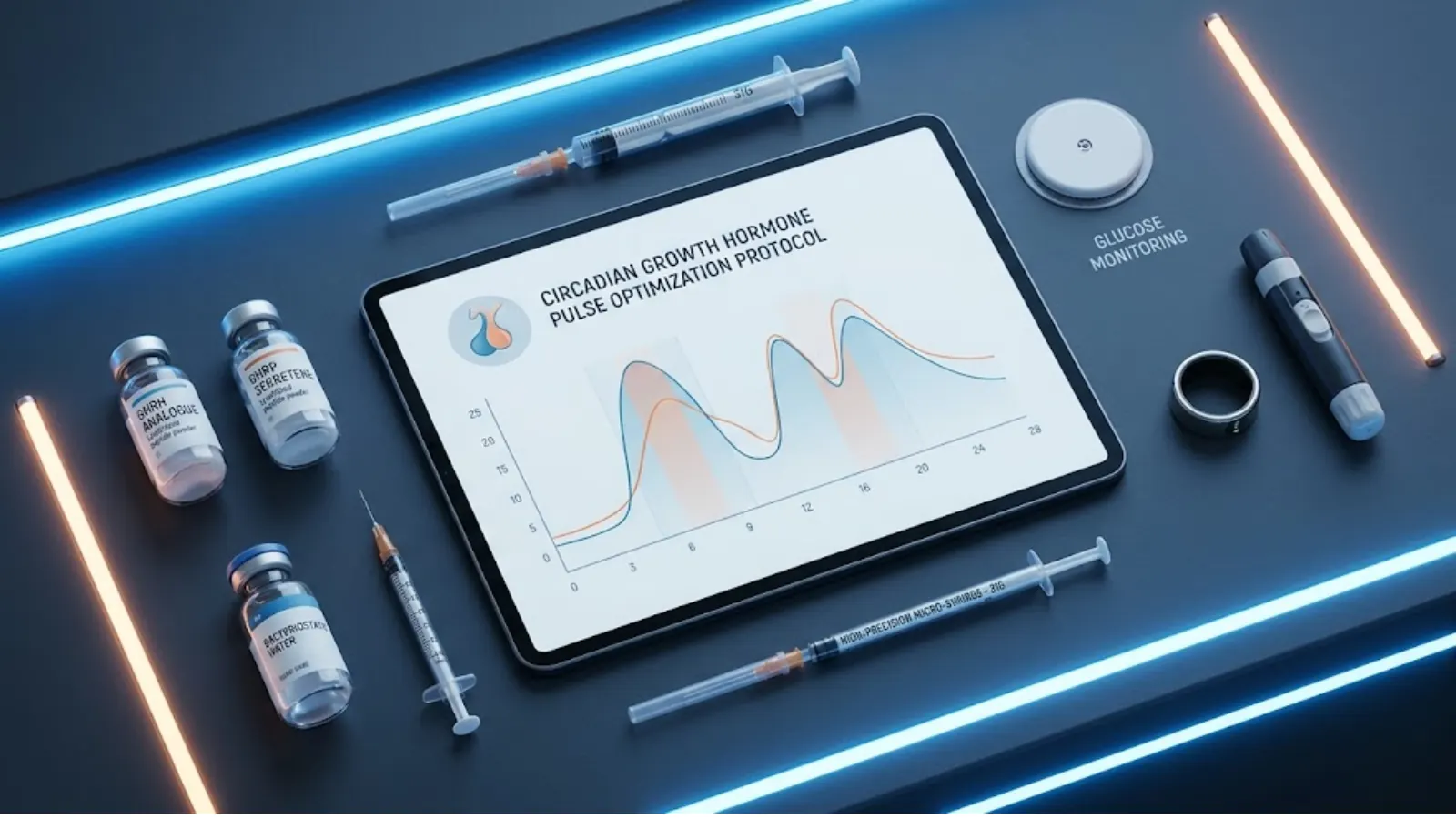
Image 4: Advanced optimization flat-lay. A conceptual flat-lay showing the protocol components: vials (GHRH Analog, GHRP Secretagogue), micro-syringes, and a tablet displaying a circadian ‘Pulsatile Optimization Protocol’ graph.
Standard Research Dosing Parameters
Dosing protocols highlight the profound pharmacological differences in the tesamorelin vs ipamorelin debate.
- Tesamorelin: Because it mimics GHRH, larger exogenous doses are required to saturate pituitary receptors and drive the heavy lipolytic cascade. The FDA-approved clinical dose for HIV-associated lipodystrophy is highly aggressive: 2mg administered daily. For advanced biohacking and body recomposition, protocols frequently range between 1mg to 2mg daily, often administered before cardiovascular exercise to maximize the oxidation of mobilized visceral free fatty acids.
- Ipamorelin: As a highly selective GHSR-1a agonist, ipamorelin reaches a ceiling effect much faster. Pituitary somatotrophs can only release so much stored GH at once before the receptors saturate. Therefore, ipamorelin is dosed in micrograms (mcg), not milligrams. The standard saturation dose is roughly 100mcg to 300mcg per injection, administered 1 to 3 times daily. Pushing the dose beyond 300mcg rarely yields more growth hormone; it simply wastes the peptide.
Timing of Administration: Fasted vs. Fed States
The single most common point of failure in peptide biohacking is administering growth hormone secretagogues in a fed state.
Insulin and growth hormone are physiologically antagonistic. When you consume carbohydrates or significant amounts of protein, blood glucose rises, triggering the pancreas to release insulin. Elevated serum insulin and glucose send a powerful signal to the hypothalamus to release somatostatin. Somatostatin is the master “off switch” for growth hormone.
If you inject either tesamorelin or ipamorelin while insulin levels are elevated, the pituitary gland is chemically blockaded by somatostatin. The peptide will bind to the receptor, but the exocytosis of growth hormone will be completely blunted. To maximize efficacy, these peptides *must* be administered in a deeply fasted state—a minimum of two to three hours post-prandial, or ideally, immediately upon waking or right before bed (when insulin is at its circadian baseline).
8. Synergistic Stacking Configurations
For elite biohackers and clinical researchers aiming to push physiological boundaries, single-agent therapy is often abandoned in favor of “stacking.” The goal is to exploit the separate pathways of the pituitary gland simultaneously.
The Rationale Behind GHRH + GHRP Combos
The true power of these compounds is unlocked when they are administered concurrently. Because tesamorelin (a GHRH) and ipamorelin (a GHRP) bind to completely different receptors, they do not compete for cellular uptake. Instead, they produce a profoundly synergistic effect—often described biochemically as 1 + 1 = 5.
Here is the mechanistic rationale: Tesamorelin signals the somatotrophs to manufacture new growth hormone and queue the secretory vesicles. It acts as the assembly line. Ipamorelin, simultaneously, forcefully inhibits somatostatin (removing the biological brakes) and triggers the immediate release of those vesicles. It opens the floodgates. By stacking a high-quality GHRH like tesamorelin with a GHRP like ipamorelin, the resulting pulse of serum GH and subsequent IGF-1 synthesis is exponentially larger than what either compound could achieve individually. Some researchers may also explore alternatives like GHRP-2 or even IGF-DES for different synergistic outcomes, though the tesamorelin/ipamorelin combo remains a gold standard for clean GH pulse optimization.
Avoiding Receptor Desensitization
The human body is an adaptation machine heavily reliant on homeostasis. Continuous, uninterrupted bombardment of pituitary receptors with secretagogues will eventually lead to receptor downregulation (desensitization). The receptors retreat into the cell membrane, rendering the peptides ineffective.
To mitigate this, advanced protocols demand structured cycling. A widely adopted standard in the biohacking community is the “5 Days On, 2 Days Off” protocol. This micro-cycling provides the pituitary receptors a 48-hour window to upregulate and restore their sensitivity. Furthermore, macro-cycles (such as 12 weeks on, followed by 4 weeks completely off) are employed to prevent the pituitary gland from becoming reliant on exogenous secretagogue signaling, preserving the integrity of the natural hypothalamic-pituitary-somatotropic axis.
9. Safety Profiles, Side Effects, and Contraindications
While secretagogues are drastically safer than exogenous recombinant HGH, they are potent endocrine modulators that carry specific clinical risks.
Insulin Resistance and Blood Glucose Monitoring
The most severe side effect associated with the aggressive use of tesamorelin is impaired glucose tolerance. Because tesamorelin heavily stimulates lipolysis, it dumps a massive volume of free fatty acids into the bloodstream. The liver must process these lipids, which can temporarily induce hepatic insulin resistance. Over time, prolonged, high-dose tesamorelin use can elevate fasting blood glucose and push hemoglobin A1c (HbA1c) into pre-diabetic ranges. Anyone utilizing tesamorelin must monitor their fasting glucose rigorously.
Ipamorelin, due to its slower, steadier release profile and lesser impact on acute lipolysis, is largely considered “glycemic neutral.” It rarely impacts HbA1c, cementing its status as the safer option for long-term use.
Water Retention and Injection Site Reactions
Both peptides can induce extracellular fluid retention (edema), particularly in the hands and ankles. This is a direct result of elevated growth hormone interacting with the renin-angiotensin-aldosterone system, leading to sodium retention. This effect is usually dose-dependent and subsides upon lowering the dosage.
Additionally, tesamorelin is notorious for causing injection site reactions (erythema, pruritus, and localized swelling). Because it is a large 44-amino acid sequence, the local immune system often recognizes the subcutaneous depot as a foreign protein, launching a mild histaminic response. Ipamorelin, being highly compact, rarely causes tissue irritation.
10. Cost-Benefit Analysis: Laboratory and Clinical Economics
The financial realities of accessing these compounds vary wildly depending on whether you are a laboratory wholesaler sourcing bulk material or an end-user accessing telemedicine prescriptions.
Wholesale Synthesis Costs for B2B Suppliers
In the B2B sector, the manufacturing economics of tesamorelin vs ipamorelin are vastly different due to the complexities of Solid-Phase Peptide Synthesis (SPPS).
During SPPS, amino acids are linked together one by one. With every amino acid added to the chain, there is a fractional drop in yield and an increased risk of sequencing errors. Synthesizing ipamorelin requires only five coupling steps, resulting in extremely high yields, high purity, and low overhead costs.
Synthesizing tesamorelin is an arduous, highly expensive endeavor. It requires 44 coupling steps, plus the complex addition of the trans-3-hexenoic acid moiety. The failure rate is higher, the purification process (via preparative HPLC) is significantly more labor-intensive, and the raw material costs are immense. Consequently, the wholesale price per milligram of lab-grade tesamorelin is often exponentially higher than that of ipamorelin.
B2C Prescription and Telemedicine Averages
For the consumer, these wholesale costs translate directly to the prescription pad.
Legitimate, pharmacy-compounded ipamorelin is generally affordable for the dedicated biohacker, often ranging from $150 to $300 for a multi-month supply. Tesamorelin, however, is a premium therapeutic. Because of its difficult synthesis and specific FDA-approved status (often prescribed off-label by longevity clinics for visceral fat), a 30-day supply of tesamorelin can easily cost between $800 and $1,500.
This massive cost discrepancy often forces biohackers to carefully weigh the intense, targeted fat-loss benefits of tesamorelin against the cost-effective, long-term sustainability of ipamorelin.
11. Frequently Asked Questions (FAQs)
Is tesamorelin or ipamorelin better for preserving muscle mass?
While both promote an anabolic environment via elevated IGF-1, ipamorelin is generally preferred for long-term muscle preservation. Its ability to provide steady, sustained GH pulses without the metabolic stress of extreme lipolysis or insulin resistance makes it ideal for athletes and bodybuilders seeking consistent recovery and tissue repair over extended periods.
Will these peptides cause a shutdown of natural GH production?
No. Unlike exogenous human growth hormone (HGH), which suppresses native production through negative feedback loops, secretagogues like tesamorelin and ipamorelin actually stimulate and maintain the function of the pituitary gland. When protocol cycling is properly adhered to, endogenous production resumes normally upon cessation.
How long does it take to see visible visceral fat reduction?
The mobilization of deep visceral fat is a slow metabolic process. In clinical trials, the significant markers of VAT reduction from tesamorelin were measured at the 12-week and 26-week marks. Users should expect a minimum of 8 to 12 weeks of strictly regimented administration, paired with a caloric deficit, before expecting visually significant changes to their abdominal circumference.
Can you transition directly from tesamorelin to ipamorelin without a break?
Yes. Because they operate on different timelines and mechanisms, many longevity clinicians transition patients from an aggressive 12-week tesamorelin “fat loss phase” directly into a lower-dose ipamorelin “maintenance phase.” However, it is still highly recommended to implement a short 2 to 4-week washout period between intense peptide cycles to allow cellular receptors to fully reset.
12. Key Takeaways
- Distinct Mechanisms: Tesamorelin is a powerful GHRH analogue designed to force pituitary GH synthesis, whereas Ipamorelin is a highly selective GHSR agonist that cleanly triggers the release of stored GH without spiking cortisol, hunger, or prolactin.
- Targeted Fat Loss vs. Systemic Anti-Aging: Tesamorelin is the undisputed heavyweight for aggressively mobilizing stubborn visceral adipose tissue. Ipamorelin is the foundation for long-term, slow-burn body composition changes, muscle recovery, and longevity.
- Insulin is the Enemy: Regardless of the compound chosen, elevated insulin heavily blunts growth hormone release. Both peptides must be administered in a deeply fasted state to bypass somatostatin blockade.
- Synergistic Potential: When stacked together under strict, cycled protocols, the combination of a GHRH and a GHRP produces an amplified, synergistic GH pulse that vastly outpaces single-compound administration.
- Economic Reality: Due to its massive 44-amino acid structure and difficult synthesis, tesamorelin is significantly more expensive and fragile than the highly stable, 5-amino acid ipamorelin.