
Tirzepatide API vs. Zepbound: The Complete Guide to Clinical Purity and Biohacking Protocols

Disclaimer: The following article discusses compounds and peptides that are often categorized as “Research Use Only” (RUO). The information provided is strictly for educational, biochemical, and informational purposes. It does not constitute medical advice, nor does it encourage the use of unapproved, unprescribed, or unregulated pharmaceutical ingredients in humans. Always consult with a licensed, board-certified physician before making any decisions regarding your metabolic health or endocrine system.
Table of Contents
- 1. Quick Answer: Tirzepatide API vs. Zepbound
- 2. Introduction: The Evolution of Dual-Agonist Peptides
- 3. Understanding the Terminology and Basics
- 4. Tirzepatide vs Zepbound: The Core Differences
- 5. The Science of Clinical Purity and Sourcing
- 6. Mechanisms of Action: How the Peptide Works
- 7. Clinical Data and Efficacy Profiles
- 8. Biohacking Protocols and Practical Application
- 9. Safety, Side Effects, and Risk Mitigation
- 10. Legalities, Ethics, and the Future Landscape
- 11. Frequently Asked Questions (FAQs)
- 12. Key Takeaways
1. Quick Answer: Tirzepatide API vs. Zepbound
When analyzing tirzepatide vs zepbound, the core distinction lies in formulation and oversight. Zepbound is Eli Lilly’s FDA-approved, heavily regulated auto-injector pen prescribed for weight management, guaranteeing sterility and precise dosing. Conversely, Tirzepatide API (Active Pharmaceutical Ingredient) is the unbranded, lyophilized raw peptide used in research. While API offers significant cost reductions and custom dosing, it lacks FDA oversight, requiring rigorous third-party analytical testing to ensure biochemical purity.
2. Introduction: The Evolution of Dual-Agonist Peptides
The Rise of GLP-1 and GIP Receptor Agonists
To truly understand the paradigm shift in modern endocrinology and metabolic optimization, we must first look at the short-lived biology of our endogenous incretin hormones. Native Glucagon-Like Peptide-1 (GLP-1) and Glucose-Dependent Insulinotropic Polypeptide (GIP) are secreted by the gut in response to nutrient intake. They powerfully stimulate insulin release, suppress glucagon, and signal satiety to the hypothalamus. However, endogenous GLP-1 has a biological half-life of mere minutes—roughly 1.5 to 2 minutes—before it is cleaved and rendered inactive by the enzyme dipeptidyl peptidase-4 (DPP-4).
The pharmaceutical triumph of the past decade was engineering peptides resistant to DPP-4 degradation. Early iterations like exenatide paved the way for Semaglutide, which utilized a structural modification to bind to serum albumin, extending its half-life to approximately seven days. Tirzepatide represents the next evolutionary leap: a synthetic, 39-amino-acid peptide that acts as a “twincretin,” agonizing both the GIP and GLP-1 receptors simultaneously.
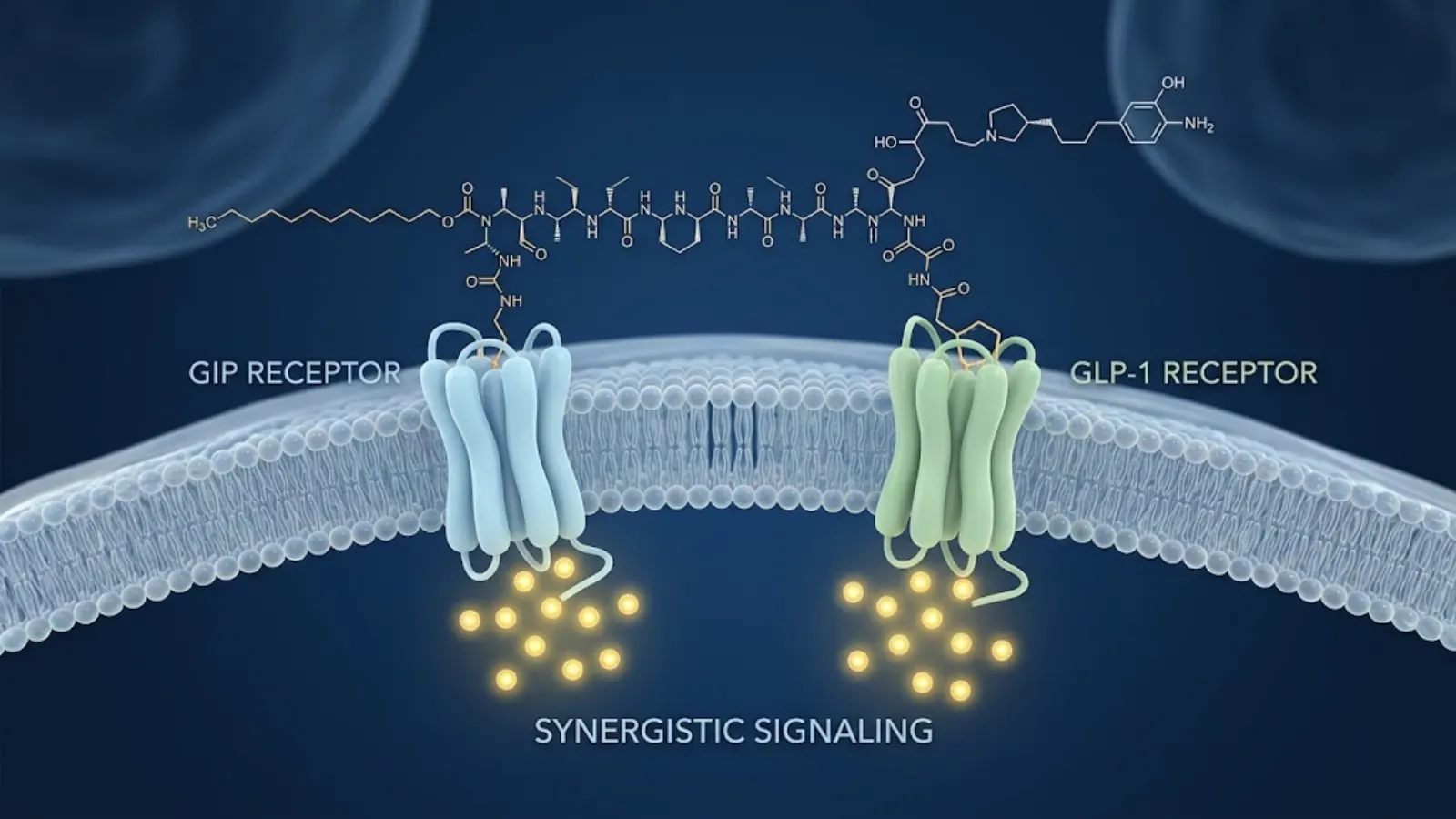
Fig 1. Structural representation of the dual-agonist molecule, highlighting the C20 fatty diacid chain responsible for its extended half-life.
Setting the Stage for the Debate
Because of its profound efficacy, the biohacking, longevity, and anti-aging communities have aggressively pursued these molecules. These cohorts are optimizing metabolic flexibility, mitigating insulin resistance to prevent neurodegenerative diseases, and manipulating nutrient partitioning. However, the intersection of unprecedented demand and guarded pharmaceutical monopolies has birthed a massive secondary market. This has sparked the great debate of our modern era: utilizing the heavily guarded, branded pharmaceutical (Zepbound) versus sourcing the raw, unregulated base molecule (API) from synthesis laboratories.
3. Understanding the Terminology and Basics
What is Zepbound?
Zepbound is the trade name for the specific, proprietary formulation manufactured by Eli Lilly and Company. It was FDA-approved in late 2023 specifically for chronic weight management in adults with obesity or overweight individuals with at least one weight-related comorbidity. Biochemically, the molecule inside a Zepbound pen is a synthetic peptide modified with a C20 fatty diacid moiety. This lipid chain is attached via a hydrophilic linker to prevent renal clearance, resulting in a half-life of roughly five days. Zepbound is exclusively sold in pre-filled, single-use, subcutaneous auto-injector pens.
What is Tirzepatide API?
“API” stands for Active Pharmaceutical Ingredient. It is the core biochemical substance intended to furnish pharmacological activity. In the research and biohacking spheres, API is synthesized by chemical laboratories using Solid-Phase Peptide Synthesis (SPPS). Unlike the liquid formulation found in a Zepbound pen, API is distributed as a “lyophilized” (freeze-dried) powder. Lyophilization removes water under a vacuum, vastly extending the shelf life of the fragile peptide. These vials are explicitly labeled as “Research Use Only” (RUO), bypassing FDA jurisdiction for human consumption.
4. Tirzepatide vs Zepbound: The Core Differences
When evaluating tirzepatide vs zepbound, the differences extend far beyond branding; they encompass chemistry, delivery pharmacokinetics, legality, and psychology.
Formulation and Delivery Mechanisms
Zepbound is a closed, highly engineered system. The formulation contains not just the molecule, but a specific matrix of excipients: sodium chloride, sodium phosphate dibasic heptahydrate, and water for injection. It requires zero preparation. Conversely, API requires a clinical understanding of peptide reconstitution. The user receives a vacuum-sealed vial containing a small puck of lyophilized powder. To render it biologically active, the user must manually reconstitute the powder using Bacteriostatic Water.

Fig 2. Visual comparison of a branded pharmaceutical auto-injector mechanism versus a raw lyophilized API vial.
Direct Comparison: Zepbound vs. Tirzepatide API
| Feature/Metric | Zepbound (Eli Lilly) | Tirzepatide API (Research Grade) |
|---|---|---|
| Regulatory Status | FDA-Approved for Human Use | Unregulated / Research Use Only (RUO) |
| Format | Pre-mixed liquid in a single-use auto-injector pen | Lyophilized (freeze-dried) powder in a sterile vial |
| User Preparation | None (Ready to inject) | Requires manual reconstitution with Bacteriostatic Water |
| Dosing Flexibility | Fixed doses (2.5, 5, 7.5, 10, 12.5, 15mg) | Infinite micro-titration based on reconstitution math |
5. The Science of Clinical Purity and Sourcing
The fundamental flaw in the API market is the assumption of equivalence. While the sequence of amino acids in a high-quality API might match the sequence in Zepbound, the purity of the final product dictates its physiological safety.
How Pharmaceutical Purity is Validated (Zepbound)
Eli Lilly operates under strict cGMP (Current Good Manufacturing Practice) regulations enforced by the FDA. Every batch undergoes exhaustive validation to ensure the peptide is free from heavy metals, bacterial endotoxins, and synthesis byproducts.
Navigating the API Market: Testing and Verification
Advanced researchers rely on specialized analytical labs to run two distinct tests:
- HPLC (High-Performance Liquid Chromatography): HPLC acts as a biochemical sieve. For biohacking protocols, an API must demonstrate a purity of >99.0% via HPLC. Anything less implies a high concentration of synthesis errors.
- Mass Spectrometry (LC-MS): Mass Spectrometry verifies the identity of the molecule. The precise molecular weight is 4813.45 g/mol. If the result does not match, the vial does not contain the authentic sequence.
The Dangers of Contaminated Vials
Using untested API carries profound risks. Trifluoroacetic Acid (TFA) is a harsh chemical used during synthesis. Injecting high levels of TFA can cause localized tissue necrosis. Furthermore, if an API is not lyophilized in a truly sterile environment, bacterial endotoxins can trigger an aggressive immune cascade.
6. Mechanisms of Action: How the Peptide Works
GLP-1 (Glucagon-Like Peptide-1) Agonism
The GLP-1 receptor plays a highly conserved role in human metabolism. When stimulated, it slows gastric motility (gastric emptying), significantly reducing the postprandial glucose spike. More importantly for weight management, GLP-1 crosses the blood-brain barrier, interacting with the arcuate nucleus of the hypothalamus to aggressively downregulate hunger cues and increase satiety.
GIP (Glucose-Dependent Insulinotropic Polypeptide) Agonism
While historically overlooked, GIP receptors are densely populated in adipose (fat) tissue. GIP agonizing improves white adipose tissue (WAT) blood flow, enhances lipid buffering capacity, and prevents ectopic fat deposition (lipid spillover into the liver and skeletal muscle). In the presence of hyperaminoacidemia (high blood amino acids) and hyperglycemia, GIP strongly synergizes with GLP-1 to enhance insulin sensitivity.
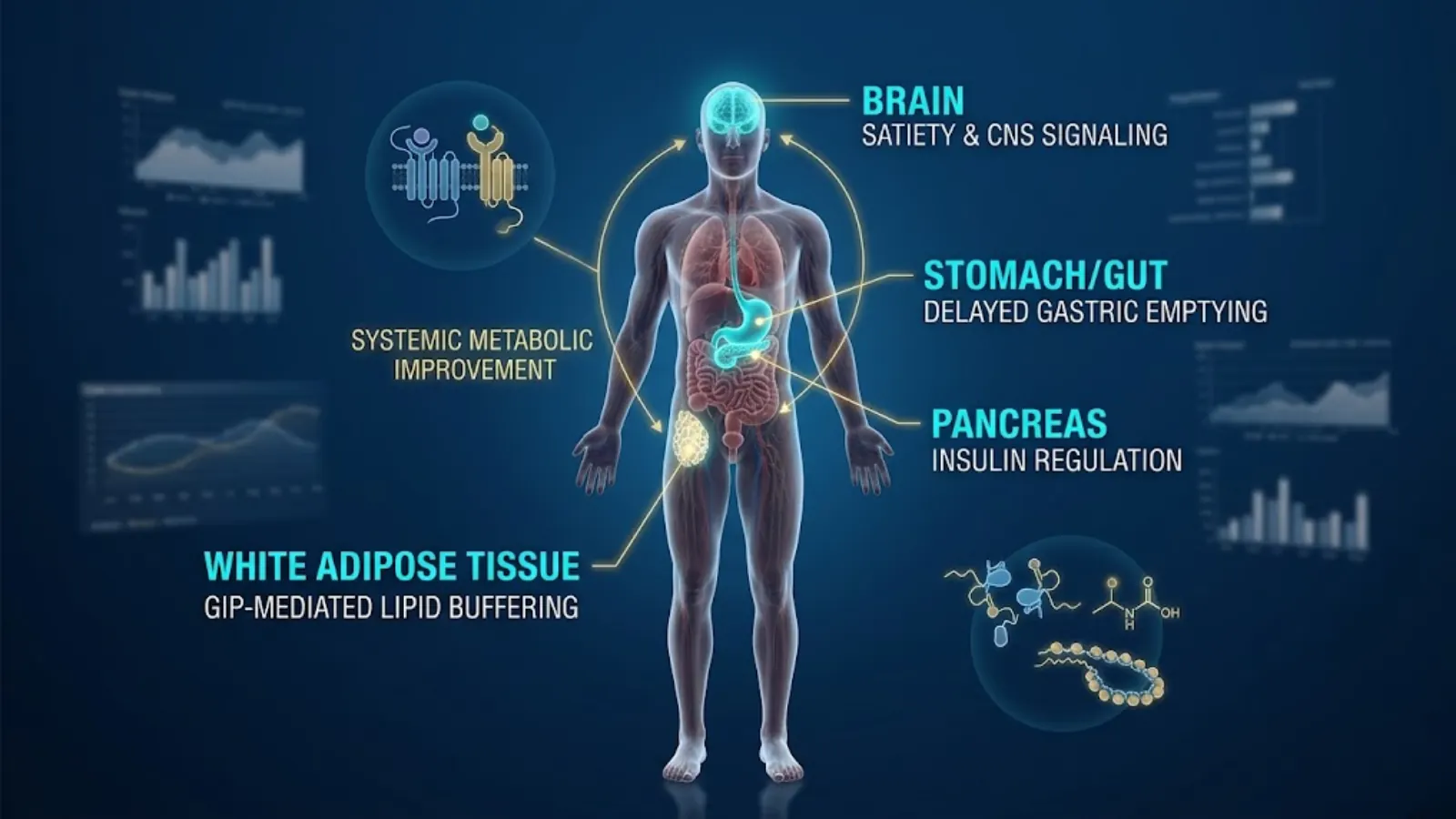
Fig 3. The synergistic “twincretin” effect of agonizing both GLP-1 and GIP receptors simultaneously in hepatic and adipose tissues.
Why the “Dual Agonist” Outperforms Single Agonists
When comparing single agonists like Semaglutide to a dual agonist, the clinical delta is largely attributed to the GIP component acting as a metabolic “amplifier.” GIP mitigates some of the severe nausea associated with pure GLP-1 agonism while uniquely targeting visceral fat lipolysis. This dual-action pathway creates an optimized physiological environment for sustained metabolic homeostasis.
7. Clinical Data and Efficacy Profiles
The SURMOUNT Clinical Trials Summary
The efficacy of this dual agonist is best illustrated by the SURMOUNT global clinical development program. In SURMOUNT-1, adults without diabetes but with obesity experienced an average body weight reduction of up to 22.5% at the highest 15mg dose over 72 weeks. Beyond raw adiposity reduction, subjects exhibited profound improvements in cardiometabolic markers, including massive reductions in triglycerides, systemic inflammation (CRP), and normalized fasting insulin levels.
Does API Yield the Same Results as Branded Zepbound?
From a purely biochemical standpoint, a 99.5% pure API verified by Mass Spectrometry, when dosed identically, will interact with the GLP-1 and GIP receptors in the exact same manner as Zepbound. However, the caveat lies in degradation. Branded Zepbound is buffered meticulously. A reconstituted API vial, if not maintained in a strict cold chain (refrigerated at 36°F to 46°F) and kept away from UV light, can degrade via hydrolytic cleavage within 30 days, rapidly blunting its efficacy.
8. Biohacking Protocols and Practical Application
Reconstitution Mathematics (For API Users)
Biohackers utilizing API must become proficient in calculating volume-to-mass ratios. For example, if a researcher has a 10mg vial of lyophilized powder and adds 1mL (100 units on an insulin syringe) of Bacteriostatic Water, the concentration is 10mg per 1mL. Therefore, a standard starting dose of 2.5mg would require drawing 0.25mL (25 units) into the syringe. Precision here is non-negotiable to prevent accidental overdosing.
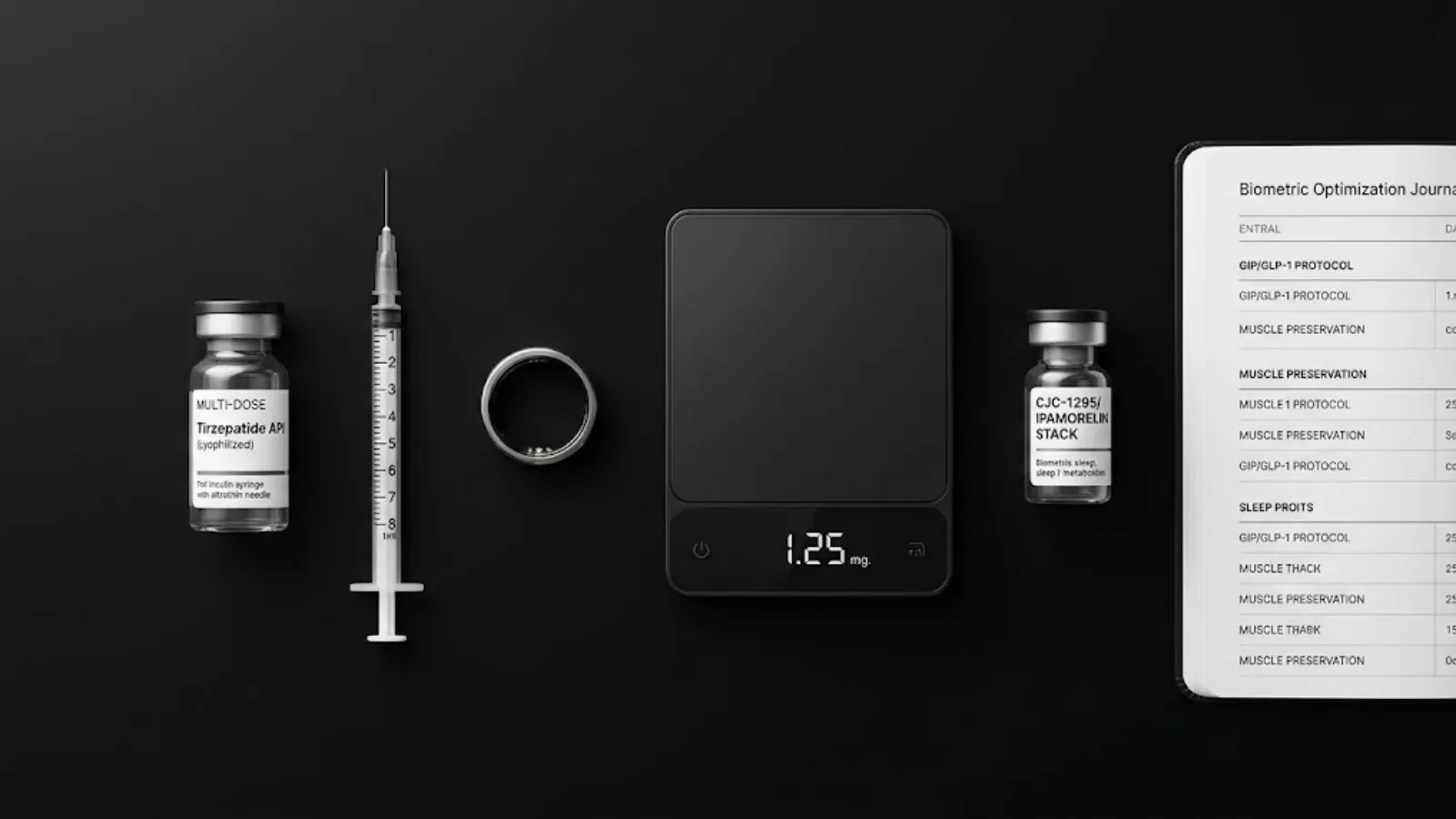
Fig 4. Visual guide to mapping milligrams (mg) of lyophilized peptide to units (u) on a standard U-100 insulin syringe post-reconstitution.
Micro-dosing and Custom Titration Strategies
The pharmaceutical titration schedule dictates a 2.5mg increase every four weeks. However, the biohacking community often favors “micro-titration” and “dose-splitting.” Because the peptide has a ~5-day half-life, a single weekly injection leads to high peak serum levels (often causing nausea) and a “trough” by day six (causing hunger). Splitting a 5mg weekly dose into two 2.5mg injections (e.g., Monday and Thursday) maintains a highly stable blood serum concentration, mitigating gastrointestinal side effects.
Stacking for Body Recomposition
A major clinical concern with rapid weight loss is sarcopenia (the loss of skeletal muscle tissue). To counteract this, advanced researchers often “stack” dual-agonists with secretagogues designed to preserve lean tissue. Compounds like Tesamorelin or a CJC-1295/Ipamorelin blend stimulate endogenous growth hormone (GH) release. Combined with a hyper-caloric protein diet and resistance training, this protocol shifts the paradigm from mere “weight loss” to targeted body recomposition.
9. Safety, Side Effects, and Risk Mitigation
Common Gastrointestinal Distress
The modulation of gastric emptying inherently causes GI distress in a large percentage of subjects. Nausea, dyspepsia (sulfur burps), constipation, and in rare instances, gastroparesis (severe paralysis of the stomach) are documented. These are highly dose-dependent, emphasizing the importance of slow, calculated titration.
Long-Term Metabolic Considerations
Zepbound carries an FDA Black Box Warning regarding Medullary Thyroid Carcinoma (MTC). In rodent studies, GLP-1 receptor agonists caused thyroid C-cell tumors. While this has not been definitively established in human clinical trials (human thyroids express far fewer GLP-1 receptors than rodents), individuals with a personal or family history of MTC or Multiple Endocrine Neoplasia syndrome type 2 (MEN 2) are strictly contraindicated from using these peptides.
Mitigating Risks with API Use
Beyond the inherent biochemical side effects, API users face exogenous risks. Injection site reactions (ISRs) are common due to improper pH balancing in raw powders or the presence of mannitol. Utilizing meticulous sterile techniques—wiping the vial stopper with 70% isopropyl alcohol, utilizing fresh sterile syringes for every puncture, and rotating subcutaneous injection sites—is critical to preventing localized abscesses or lipohypertrophy.
10. Legalities, Ethics, and the Future Landscape
FDA Regulations and Compound Pharmacies
The API market operates in a precarious legal landscape. While purchasing peptides explicitly for “Research Use Only” is legal for laboratory *in vitro* applications, utilizing them for human administration technically violates the terms of sale. Amidst Zepbound shortages, the FDA allowed 503A and 503B compounding pharmacies to produce sterile liquid formulations of the peptide. However, as pharmaceutical supply chains stabilize, aggressive patent litigation from Eli Lilly is beginning to heavily restrict both compounding pharmacies and API distributors.
The Future of Metabolic Peptides
The bio-pharmaceutical arms race is far from over. We are already seeing the clinical emergence of “triple agonists” like Retatrutide, which agonize GLP-1, GIP, and the Glucagon receptor simultaneously, showing even more profound metabolic adaptations. Furthermore, the push for oral formulations (via permeation enhancers like SNAC) will eventually render the auto-injector pen obsolete.
11. Frequently Asked Questions (FAQs)
Is Tirzepatide API legal to buy?
Tirzepatide API is often sold under “Research Use Only” (RUO) designations. This creates a legal gray area where it can be purchased for laboratory testing but is strictly not approved, regulated, or intended for human consumption.
How do I know if my API is actually Tirzepatide?
The absolute only way to verify RUO peptide authenticity is through third-party laboratory testing using High-Performance Liquid Chromatography (HPLC) for >99% purity and Mass Spectrometry to verify the exact molecular weight (4813.45 g/mol).
Can I switch from Zepbound to Tirzepatide API seamlessly?
While the base molecule is theoretically identical, switching from a buffered, FDA-approved liquid matrix to a user-reconstituted API introduces variables in dosing accuracy, sterility, and absorption. It is heavily advised against by medical professionals.
What is the shelf life of reconstituted Tirzepatide?
Once a lyophilized API vial is reconstituted with Bacteriostatic Water, the fragile peptide bonds begin to degrade. When stored properly in a refrigerator (36°F to 46°F), it remains biologically viable and sterile for approximately 28 to 30 days before efficacy drastically drops.
12. Key Takeaways
- The Core Distinction: Zepbound is Eli Lilly’s strictly regulated, FDA-approved pharmaceutical auto-injector. Tirzepatide API is the unbranded, lyophilized raw peptide molecule used in laboratories and the biohacking community.
- Mechanism of Action: It acts as a “twincretin,” agonizing both GLP-1 and GIP receptors simultaneously. This dual action exponentially improves visceral fat reduction and glycemic control compared to single-agonists like Semaglutide.
- Purity is Paramount: Using API carries massive risks (TFA residue, endotoxins) unless meticulously verified by independent 3rd-party labs using HPLC and Mass Spectrometry.
- Biohacking Flexibility: While API requires complex reconstitution math with Bacteriostatic Water, it allows advanced users to micro-dose, split weekly injections, and stack with other metabolic agents to mitigate side effects like nausea and muscle loss.
- The Ultimate Trade-off: Utilizing API exchanges the guaranteed safety, sterility, and psychological comfort of a branded pharmaceutical product for extreme cost efficiency and customizable dosing protocols.