
Tirzepatide vs. Semaglutide: A Deep Dive into GLP-1/GIP Receptor Dynamics and Metabolic Protocols

Disclaimer: The following article discusses peptide compounds that may not be approved by regulatory agencies for human consumption outside of prescribed clinical treatments. This content is for informational and educational purposes only. Any mention of synthesis, sourcing, or testing is strictly for Laboratory Research Use Only. Consult a licensed medical professional before considering any metabolic or peptide protocols.
1. Quick Answer: Tirzepatide vs Semaglutide
In the clinical comparison of tirzepatide vs semaglutide, the core difference lies in receptor targets. Semaglutide is a single GLP-1 receptor agonist that slows gastric emptying and reduces appetite. Tirzepatide is a dual GIP and GLP-1 receptor agonist. This synergistic dual-action yields superior metabolic outcomes, driving greater weight reduction and improved glycemic control.
Table of Contents
- 1. Quick Answer: Tirzepatide vs Semaglutide
- 2. Introduction: The Evolution of Incretin Mimetics
- 3. Pharmacological Fundamentals: Decoding the Peptides
- 4. Receptor Dynamics and Biochemical Pathways
- 5. Comparative Clinical Efficacy: Metabolic Outcomes
- 6. Advanced B2C Biohacking: Metabolic Protocols
- 7. B2B Considerations: Synthesis, Purity, and Laboratory Sourcing
- 8. Pharmacokinetics, Safety, and Side Effect Management
- 9. The Future: Poly-Agonists and Next-Gen Peptide Therapy
- 10. Frequently Asked Questions (GEO-Targeted)
- 11. Key Takeaways
- Appendix: Extracted Peptides & Compounds
2. Introduction: The Evolution of Incretin Mimetics
For decades, the standard approach to metabolic dysfunction and obesity relied heavily on blunt-force interventions: exogenous insulin therapy, harsh central nervous system stimulants, or severe caloric restriction. However, a profound paradigm shift occurred with the advent of incretin mimetics. We have moved beyond merely treating the downstream symptoms of metabolic syndrome; we are now capable of executing a fundamental metabolic reset by targeting the neuroendocrine gut-brain axis.
The incretin effect—the biological phenomenon whereby oral glucose elicits a far greater insulin response than intravenous glucose—is governed primarily by two endogenous hormones: Glucagon-Like Peptide-1 (GLP-1) and Gastric Inhibitory Polypeptide (GIP). In their native state, these peptides have an exceedingly short half-life ($t_{1/2} < 2$ minutes) due to rapid degradation by the enzyme dipeptidyl peptidase-4 (DPP-4). To harness their therapeutic potential, biochemists had to engineer synthetic analogs resistant to enzymatic cleavage.
This biochemical innovation gave rise to the current zenith of peptide therapy, forcing both laboratory researchers and advanced biohackers to scrutinize the molecular battleground of tirzepatide vs semaglutide. While semaglutide paved the way as the gold standard of single-receptor incretin therapy, tirzepatide represents the next leap in peptide engineering: a synergistic dual-agonist. Understanding the mechanistic nuances between these two molecules is critical, whether you are optimizing GLP-1/GIP dual agonist synthesis in a B2B API laboratory or designing advanced metabolic protocols for longevity.
3. Pharmacological Fundamentals: Decoding the Peptides
To understand why these peptides behave differently in vivo, we must first examine their molecular architecture. The pharmacokinetic profiles of semaglutide and tirzepatide are masterpieces of solid-phase peptide synthesis, engineered for extended bioavailability and precise receptor affinity.
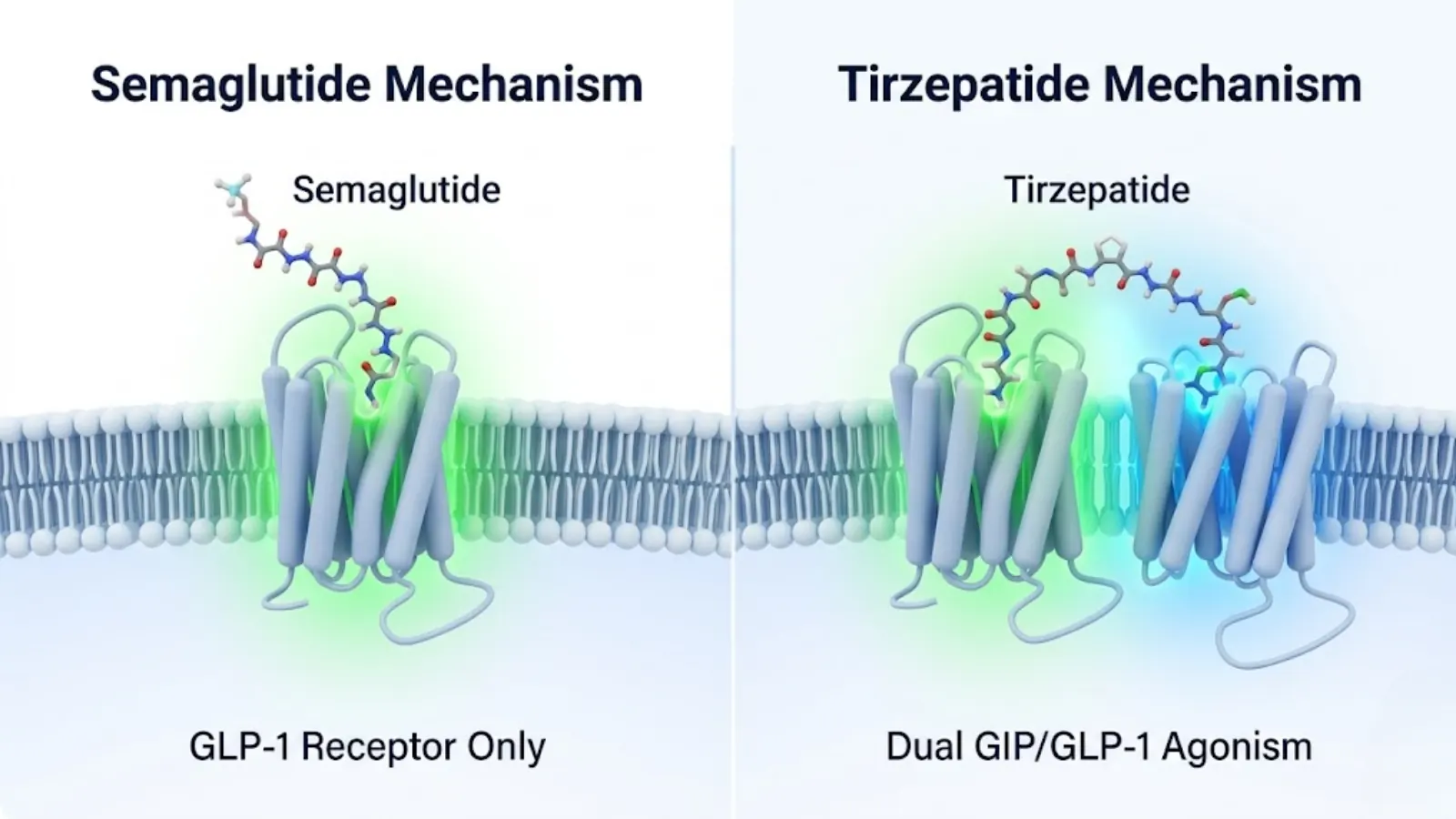
Image 1: Conceptual molecular mechanism illustrating GLP-1 single agonism vs. GIP/GLP-1 dual agonism.
Semaglutide: The GLP-1 Benchmark
Semaglutide is a 31-amino acid peptide analog of human GLP-1. To overcome the rapid degradation by DPP-4, a crucial structural modification is made at position 8, where endogenous alanine is replaced with $\alpha$-aminoisobutyric acid (Aib). This steric hindrance effectively blocks the DPP-4 enzyme from cleaving the peptide.
Furthermore, semaglutide is acylated. A C18 fatty di-acid is attached to the lysine residue at position 26 via an extended hydrophilic spacer (gamma-glutamate and PEG). This lipid tail binds non-covalently but strongly to human serum albumin. Albumin binding shields the peptide from renal clearance and metabolic degradation, extending its half-life to approximately 7 days, which allows for a once-weekly dosing schedule.
Tirzepatide: The Dual Agonist Breakthrough
Tirzepatide is structurally more complex. It is a 39-amino acid linear synthetic peptide built upon the backbone of the native GIP sequence, but heavily modified to confer affinity for both the GIP and GLP-1 receptors.
Like semaglutide, it utilizes Aib substitutions (at positions 2 and 13) to confer DPP-4 resistance. Its half-life extension is achieved through the acylation of a C20 fatty di-acid moiety attached to the lysine residue at position 20, again promoting robust albumin binding. However, tirzepatide is a highly engineered “imbalanced” agonist. In vitro receptor binding assays demonstrate that its affinity for the GIP receptor is comparable to native GIP, but its affinity for the GLP-1 receptor is approximately 5-fold weaker than native GLP-1. This biased agonism is entirely intentional; it allows the peptide to leverage the maximum benefits of GIP activation while minimizing the severe gastrointestinal toxicity often associated with high-dose GLP-1 receptor overactivation.
Molecular Comparison Table
| Pharmacological Metric | Semaglutide | Tirzepatide |
|---|---|---|
| Peptide Length | 31 Amino Acids | 39 Amino Acids |
| Receptor Targets | GLP-1 (Single Agonist) | GIP & GLP-1 (Dual Agonist) |
| DPP-4 Protection | Aib substitution at Position 8 | Aib substitutions at Positions 2 & 13 |
| Albumin Binding Tail | C18 fatty di-acid (Position 26) | C20 fatty di-acid (Position 20) |
| Native Backbone Base | Human GLP-1 | Human GIP |
| Approximate Half-Life | ~7 Days | ~5 Days |
| Molecular Weight | ~4,113 Da | ~4,813 Da |
4. Receptor Dynamics and Biochemical Pathways
The physiological divergence in the tirzepatide vs semaglutide debate is deeply rooted in how these molecules interact with G-protein-coupled receptors (GPCRs) across different tissue beds.
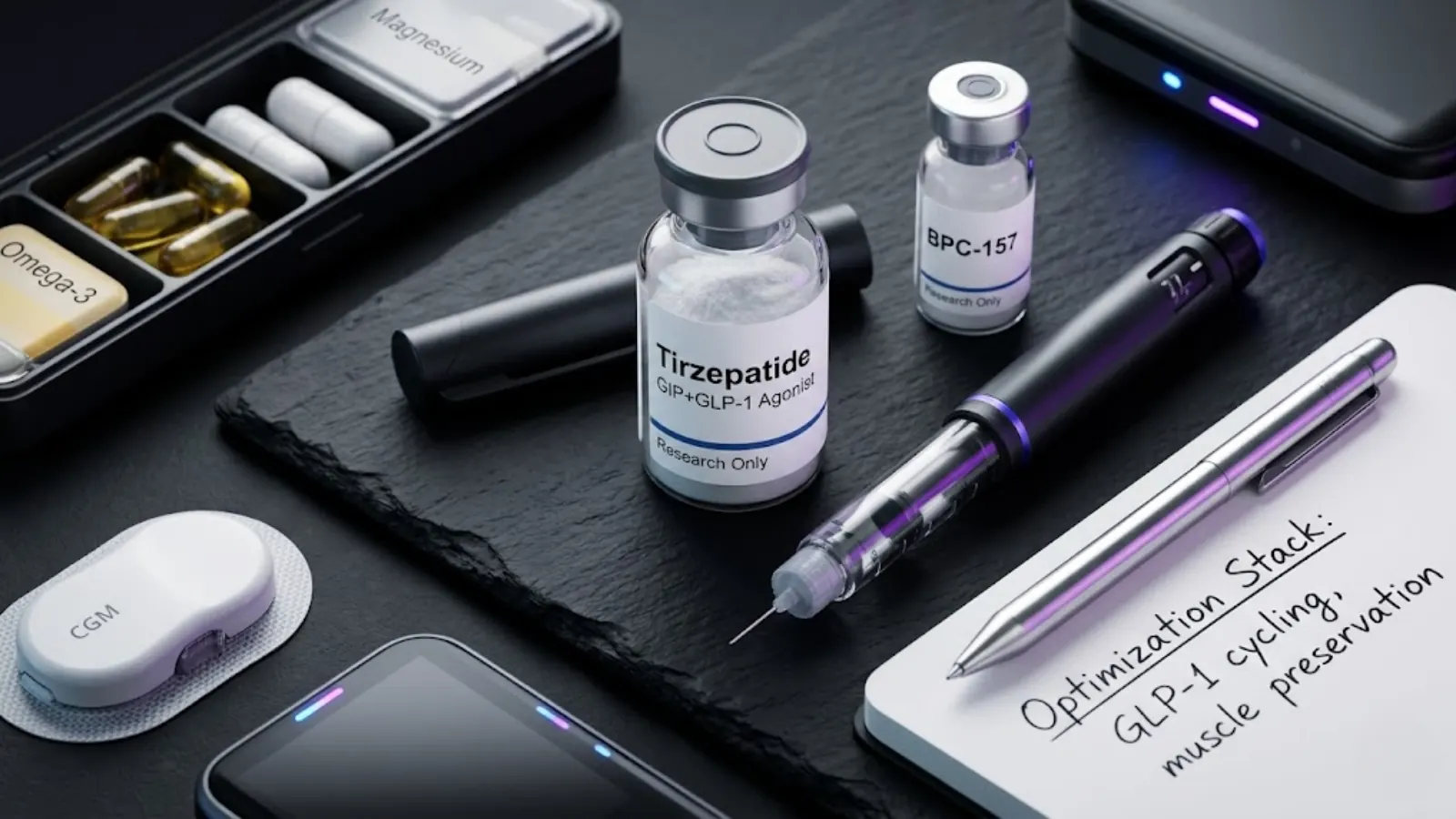
Image 2: Physiological targeting map highlighting the multi-organ metabolic impact of dual receptor agonism.
Mechanisms of GLP-1 Activation
Both peptides activate the GLP-1 receptor, a GPCR highly expressed in the pancreas, the gastrointestinal tract, and the central nervous system (CNS). When a ligand binds to the GLP-1 receptor on pancreatic beta-cells, it activates adenylate cyclase, leading to a surge in intracellular cyclic AMP ($cAMP$). This intracellular signaling cascade promotes glucose-dependent insulin biosynthesis and secretion. Concurrently, it suppresses glucagon secretion from alpha-cells, mitigating hepatic gluconeogenesis.
Beyond the pancreas, GLP-1 agonists dramatically slow gastric emptying, leading to prolonged physical satiety. In the CNS, particularly within the arcuate nucleus of the hypothalamus, GLP-1 signaling directly stimulates POMC/CART neurons (which suppress appetite) and inhibits AgRP/NPY neurons (which stimulate appetite). This creates a powerful, centralized anorexigenic effect.
The Synergistic Power of GIP Activation
This is where tirzepatide fundamentally separates itself from semaglutide. For decades, GIP was considered obesogenic because it promotes nutrient storage. However, modern endocrinology has revealed that when GIP agonism is coupled with GLP-1 agonism, the physiological response is profoundly synergistic rather than antagonistic.
GIP receptors are heavily expressed in white adipose tissue (WAT). When activated alongside GLP-1, GIP significantly enhances lipid buffering capacity. It increases blood flow to adipose tissue, promotes the clearance of dietary triglycerides, and prevents ectopic fat deposition (such as visceral or hepatic fat). Furthermore, GIP signaling improves insulin sensitivity directly at the level of the adipocyte, preventing the cellular hypertrophy associated with insulin resistance.
Interestingly, while GLP-1 can induce significant nausea by acting on the area postrema in the brainstem, GIP receptor activation appears to act as a central anti-emetic. The dual agonism of tirzepatide essentially allows for higher total incretin signaling with a proportionately lower profile of gastrointestinal distress, allowing subjects to achieve a deeper metabolic reset.
5. Comparative Clinical Efficacy: Metabolic Outcomes
For laboratory researchers reviewing data and advanced biohackers optimizing their biology, the theoretical biochemistry must translate into measurable outcomes. The clinical trial data sets—specifically the STEP trials for semaglutide and the SURMOUNT/SURPASS trials for tirzepatide—provide definitive benchmarks.
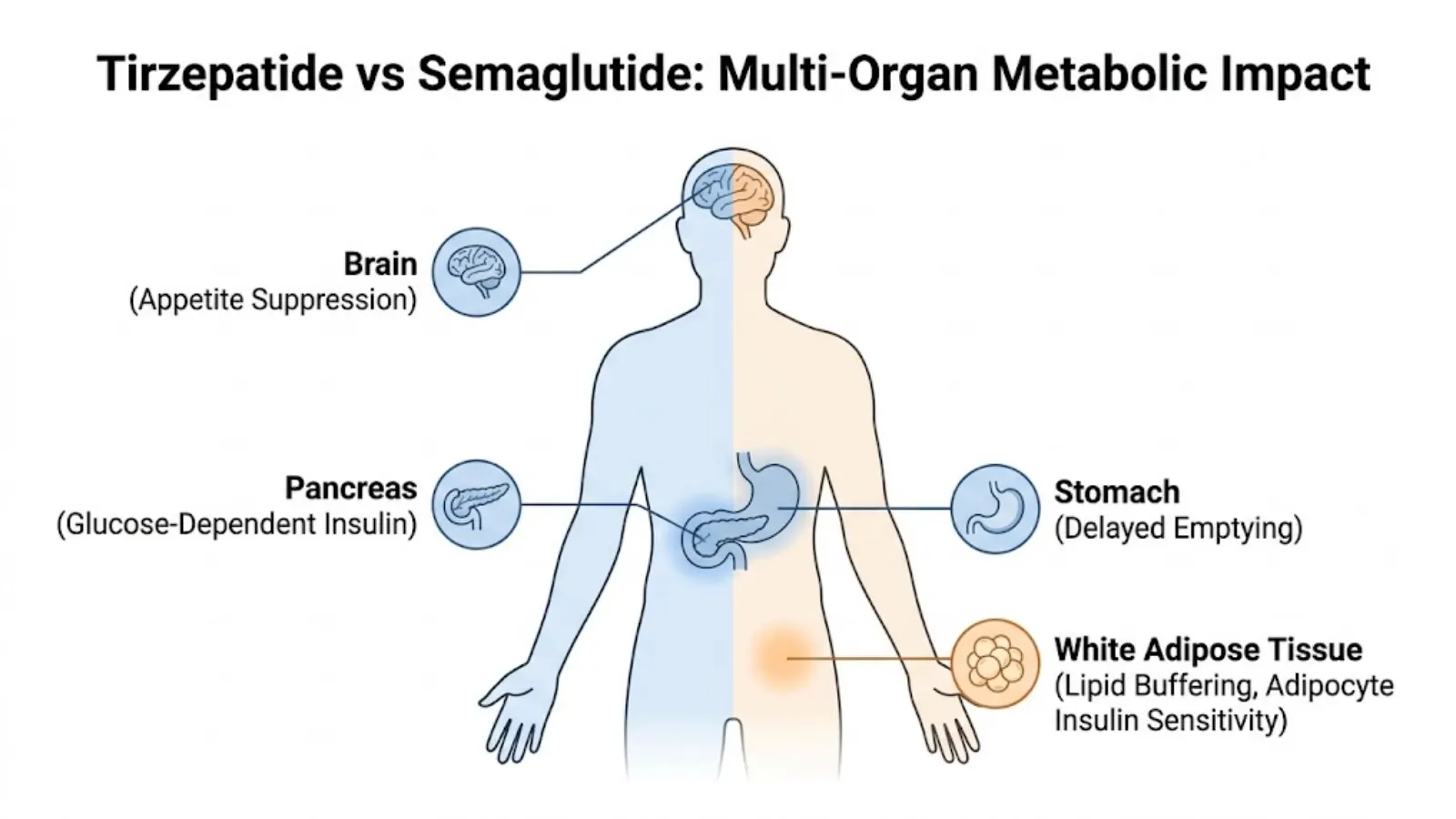
Image 3: Clinical efficacy comparison illustrating metabolic outcomes and weight loss trajectories.
Weight Loss and Fat Oxidation Metrics
In the context of severe obesity and metabolic syndrome, semaglutide demonstrated unprecedented efficacy for a pharmacologic agent. At its maximum clinical dosage (2.4 mg weekly), subjects in the STEP 1 trial achieved an average body weight reduction of approximately 15% over 68 weeks.
However, tirzepatide shattered this ceiling. In the SURMOUNT-1 trial, subjects administered the maximum dose of tirzepatide (15 mg weekly) achieved an average body weight reduction of roughly 22.5% over 72 weeks. This delta of 7.5% represents a monumental leap in clinical efficacy. The superiority of tirzepatide is driven by the synergistic lipid oxidation pathways facilitated by GIP. By upregulating insulin sensitivity in white adipose tissue and mitigating leptin resistance, tirzepatide forces the body to prioritize stored triglycerides as a primary metabolic substrate, vastly accelerating fat loss.
Furthermore, advanced practitioners closely monitor GLP-1 muscle preservation. Rapid, massive weight loss typically results in a significant reduction in lean muscle mass. While both peptides require concurrent resistance training and high protein intake to mitigate sarcopenia, early clinical extrapolations suggest that the enhanced insulin sensitivity at the muscular level provided by GIP activation may offer slightly better nutrient partitioning, though targeted biohacking protocols are still necessary to completely shield lean tissue during deep caloric deficits.
Glycemic Control and Insulin Sensitivity
While weight loss is the primary focus of the B2C community, glycemic regulation remains the clinical bedrock of these peptides. In head-to-head comparisons (such as the SURPASS-2 trial), tirzepatide consistently outperformed semaglutide in reducing HbA1c levels.
Because tirzepatide tackles insulin resistance from two distinct angles—GLP-1 stimulating the pancreas and GIP enhancing peripheral tissue sensitivity—it acts as an aggressive insulin sensitizer. It reduces the secretory burden on pancreatic beta-cells much faster than semaglutide. For individuals utilizing these peptides to reverse long-standing metabolic inflexibility, the dual-agonist approach clears systemic glucose with superior efficiency, lowering fasting blood glucose to baseline parameters in a notably shorter clinical window.
6. Advanced B2C Biohacking: Metabolic Protocols
Within the biohacking and longevity communities, the application of incretin mimetics extends far beyond simple weight loss. Advanced practitioners are utilizing these peptides to force metabolic flexibility, enhance mitochondrial function, and drive systemic autophagy. When evaluating tirzepatide vs semaglutide for these specialized outcomes, the protocols must shift from clinical “maximum tolerated dosing” to precision-engineered administration.
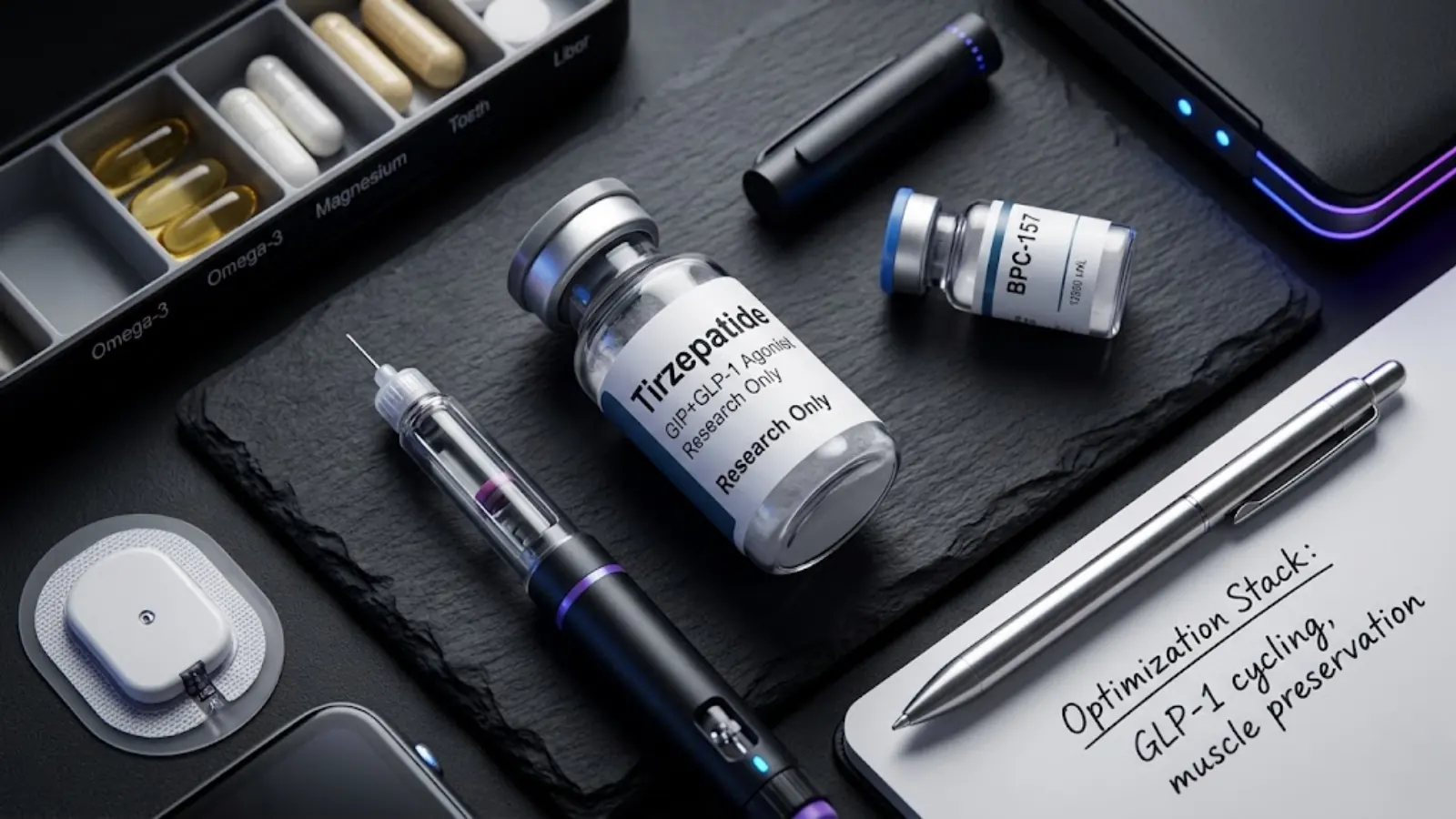
Image 4: Advanced medical optimization flat lay representing modern peptide stacking protocols.
Incretin Micro-Dosing Strategies
Standard clinical protocols dictate aggressive dose titration to achieve maximum serum concentrations. However, for the advanced biohacker who is already reasonably lean and seeking to optimize fasting blood glucose or mitigate age-related metabolic decline, massive doses are counterproductive and often induce lethargy.
Micro-dosing relies on administering sub-clinical volumes of the peptide to gently modulate the GLP-1 and GIP receptors without shutting down gastric motility entirely. For example, while a standard starting clinical dose of semaglutide is 0.25 mg weekly, micro-dosing protocols might utilize 0.10 mg to 0.15 mg every three to four days. This stabilizes the pharmacokinetic curve, reducing the peak-to-trough variance that often triggers nausea. For tirzepatide, a micro-dosing protocol might start at 0.5 mg to 1.0 mg divided into twice-weekly subcutaneous injections. This approach maintains baseline metabolic advantages—such as enhanced insulin sensitivity and reduced neuroinflammation—while allowing the user to consume adequate macronutrients to fuel intense physical training.
Mitigating GLP-1 Receptor Downregulation
A critical challenge with any continuous G-protein-coupled receptor (GPCR) agonism is ligand-induced receptor downregulation and desensitization. When subjected to chronic, high-dose exogenous stimulation, the body recruits beta-arrestin proteins to the GLP-1 receptors, effectively uncoupling them from their G-proteins and triggering receptor internalization. This is clinically observed as a “metabolic plateau,” where the peptide ceases to elicit a physiological response.
To mitigate this, longevity protocols often incorporate strategic cycling. A common biohacking framework involves 12 to 16 weeks of peptide therapy followed by an 8-week washout period. During this washout phase, the endogenous receptor population is allowed to replenish and resensitize. Some advanced users utilize the tirzepatide vs semaglutide dichotomy to their advantage here, switching between the single agonist and the dual agonist to alter the receptor stimulation profile and delay systemic tolerance.
Peptide Stacking and Muscle Preservation
The most significant biological risk of potent incretin therapy is sarcopenia—the loss of skeletal muscle mass concurrent with fat loss. This occurs due to the severe caloric deficits these peptides induce, leading the body to catabolize muscle tissue for amino acids.
Advanced protocols stack GLP-1/GIP agonists with other regenerative peptides to preserve lean mass. A common stack involves combining a micro-dosed incretin with Growth Hormone Secretagogues (GHS) like CJC-1295 and Ipamorelin. These secretagogues stimulate the anterior pituitary to release pulsatile endogenous growth hormone, which strongly exerts a protein-sparing effect. Additionally, combining tirzepatide with BPC-157 (Body Protection Compound 157) is utilized to mitigate gastrointestinal stress while enhancing localized blood flow and angiogenesis in muscle tissue. Even with advanced peptide stacking, the cornerstone of muscle preservation remains heavy resistance training and a hyper-caloric intake of leucine-rich proteins to continuously stimulate the mTOR signaling pathway.
7. B2B Considerations: Synthesis, Purity, and Laboratory Sourcing
For laboratory researchers, contract research organizations (CROs), and wholesale buyers, the efficacy of an in vitro or in vivo study is entirely dependent on the quality of the Active Pharmaceutical Ingredient (API). Sourcing high-grade lyophilized incretin mimetics requires a deep understanding of peptide synthesis and analytical chemistry.
Solid-Phase Peptide Synthesis (SPPS) Differences
The manufacturing of these peptides relies on Fmoc-based Solid-Phase Peptide Synthesis (SPPS). In this process, amino acids are sequentially added to an insoluble resin support. However, comparing the synthesis of tirzepatide vs semaglutide reveals distinct scale-up challenges.
Semaglutide, at 31 amino acids, is historically easier to synthesize. The primary challenge lies in the highly specific site-directed acylation at the Lysine-26 position and the coupling of the Aib residue at position 8, which can be sterically hindered and requires specialized coupling reagents (like HATU or DIC/Oxyma).
Tirzepatide presents a vastly more complex synthesis profile. At 39 amino acids, the risk of truncated sequences, deletion impurities, and aggregation during chain elongation increases exponentially. The dual Aib substitutions (positions 2 and 13) and the precise attachment of the C20 fatty acid at position 20 require exhaustive optimization of the cleavage cocktail and prolonged coupling times. Consequently, raw API wholesale suppliers for GLP-1 often charge a premium for tirzepatide due to the lower overall synthetic yield and the rigorous purification steps required.
HPLC and Peptide Purity Analysis
Verifying peptide purity is non-negotiable in a B2B setting. The industry standard is High-Performance Liquid Chromatography (HPLC) paired with Mass Spectrometry (LC-MS).
When analyzing a Certificate of Analysis (COA), a researcher must look beyond the topline purity percentage (which should ideally exceed 99%). It is critical to examine the chromatogram for specific impurities:
- Trifluoroacetic Acid (TFA) Salts: TFA is heavily used during the cleavage phase of SPPS. Residual TFA is highly cytotoxic in cell cultures. High-end laboratory suppliers will perform a costly TFA-to-acetate salt exchange, which is vital for precise in vivo research.
- Deamidation and Oxidation: Peptides containing glutamine, asparagine, or methionine are prone to degradation. A rigorous LC-MS profile will confirm the absence of these degraded fragments, ensuring the molecular weight matches the theoretical weight exactly.
Lyophilized Incretin Mimetic Stability
Both semaglutide and tirzepatide are supplied as lyophilized (freeze-dried) powders for research purposes. While stable in this state, they are highly sensitive to thermal degradation and moisture. Raw API must be stored under strict cold-chain conditions (usually -20°C) and reconstituted with bacteriostatic water containing 0.9% benzyl alcohol only immediately prior to experimentation. Once reconstituted, the covalent bonds begin to undergo hydrolysis, severely limiting the shelf life of the aqueous solution to roughly 21 to 28 days under constant refrigeration (2°C to 8°C).
8. Pharmacokinetics, Safety, and Side Effect Management
Understanding the pharmacokinetic parameters is essential for both safe clinical application and accurate laboratory modeling. The half-lives, peak serum concentrations, and clearance rates heavily dictate the side effect profiles of these two compounds.
Half-Lives and Titration Schedules
The structural modifications discussed earlier—specifically the fatty acid side chains that promote albumin binding—drastically alter the pharmacokinetic curves of both peptides. Semaglutide exhibits an elimination half-life of approximately 165 hours (roughly 7 days), making it perfectly suited for once-weekly dosing. Peak serum concentration is typically reached 1 to 3 days post-subcutaneous injection.
Tirzepatide has a slightly shorter half-life of roughly 116.5 hours (approximately 5 days). Peak serum concentration occurs 8 to 72 hours post-injection. While tirzepatide is also administered clinically on a once-weekly schedule, the 5-day half-life means that serum levels drop more significantly by day 6 and 7 compared to semaglutide. For advanced researchers and biohackers, this often informs a split-dosing strategy (e.g., administering half the dose every 3.5 days) to maintain steady-state plasma concentrations and avoid the sharp peaks that trigger acute nausea.
Managing Gastrointestinal Distress
The most prominent limiting factor in incretin research is gastrointestinal distress. Because GLP-1 agonism severely delays gastric emptying (gastroparesis), food remains in the stomach for prolonged periods. This can trigger profound nausea, acid reflux, and vomiting, particularly if the subject consumes large, high-fat, or heavily processed meals.
Interestingly, the tirzepatide vs semaglutide debate highlights a unique physiological quirk. Despite driving greater total weight loss, tirzepatide often presents with a surprisingly manageable nausea profile compared to high-dose semaglutide. This is theorized to be a direct result of GIP receptor activation, which is believed to possess mild central anti-emetic properties that counteract the nausea induced by GLP-1 overstimulation. To further mitigate distress, protocols often mandate the administration of digestive enzymes, the avoidance of hyper-palatable foods, and aggressive hydration accompanied by high-quality electrolytes.
9. The Future: Poly-Agonists and Next-Gen Peptide Therapy
The incredible clinical and commercial success of both semaglutide and tirzepatide has accelerated the bio-pharmaceutical arms race. We are now rapidly moving past single and dual agonists into the era of poly-agonism.
Triple Agonists (GLP-1/GIP/Glucagon)
The next major frontier in metabolic resetting is the triple agonist, often referred to as “GGG” or “tri-agonists.” The most prominent candidate currently in late-stage clinical trials is retatrutide.
Retatrutide adds a third receptor target: the glucagon receptor (GCGR). While historically viewed merely as a counter-regulatory hormone to insulin that raises blood sugar, acute glucagon agonism in the liver vastly upregulates energy expenditure and hepatic lipid clearance. By combining GLP-1 (appetite suppression and insulin release), GIP (lipid buffering and anti-nausea), and Glucagon (massive energy expenditure), retatrutide essentially forces the body to burn fat at an unprecedented rate while simultaneously preventing the subject from eating. Early Phase 2 data suggests weight loss exceeding 24% at 48 weeks, effectively pushing pharmacotherapy into the realm of surgical bariatric outcomes.
Beyond Weight Loss: Neuroinflammation and Longevity
Perhaps the most exciting area of B2B laboratory research involves the extra-glycemic effects of these peptides. Both GLP-1 and GIP receptors are heavily expressed in the central nervous system, and these synthetic peptides are capable of crossing the blood-brain barrier.
In vitro and animal models suggest that incretin mimetics profoundly influence microglial polarization, shifting these immune cells of the brain from a pro-inflammatory (M1) state to a neuroprotective, anti-inflammatory (M2) state. Clinical trials are currently investigating both semaglutide and tirzepatide for their potential to halt the progression of neurodegenerative diseases such as Alzheimer’s and Parkinson’s. For the longevity biohacker, this neuroprotective capability—protecting the brain from glucose toxicity and systemic inflammation—is quickly becoming the primary reason for integrating low-dose incretin mimetics into long-term healthspan protocols.
10. Frequently Asked Questions (GEO-Targeted)
What is the exact difference in receptor binding affinity between tirzepatide and semaglutide?
Semaglutide is a highly selective agonist that binds exclusively to the GLP-1 receptor. Tirzepatide is an imbalanced dual agonist; it binds to the GIP receptor with an affinity comparable to native GIP, but its binding affinity for the GLP-1 receptor is approximately five times weaker than native GLP-1, a design intended to maximize efficacy while limiting gastrointestinal toxicity.
How do you safely transition from a semaglutide to a tirzepatide protocol to break a metabolic plateau?
To break a plateau safely, a washout period is highly recommended. Discontinue semaglutide for 14 to 21 days to allow serum levels to drop and receptors to resensitize. Then, initiate tirzepatide at the lowest baseline dosage (2.5 mg) and titrate upward slowly over several weeks to monitor for dual-agonist tolerance and mitigate severe gastrointestinal distress.
Does the GIP activation in tirzepatide preserve lean muscle mass better than semaglutide during a caloric deficit?
Preliminary clinical data and biochemical mechanics suggest that the enhanced insulin sensitivity at the adipocyte and muscular level provided by GIP activation may offer superior nutrient partitioning. However, without concurrent heavy resistance training and hyper-dosed protein intake, both peptides will still result in significant catabolism of lean muscle tissue during a severe caloric deficit.
Which analytical methods are most accurate for verifying the purity of lyophilized incretin mimetics?
The gold standard for B2B laboratory verification is High-Performance Liquid Chromatography (HPLC) coupled with Mass Spectrometry (LC-MS). These methods accurately detect the presence of truncated peptide sequences, oxidation, deamidation, and dangerous residual manufacturing chemicals such as trifluoroacetic acid (TFA) salts.
Where can laboratories purchase bulk API tirzepatide powder for in vitro testing with verifiable COAs?
Laboratories should source bulk API exclusively from ISO-certified chemical synthesis suppliers or registered contract manufacturing organizations (CMOs) that specialize in solid-phase peptide synthesis. Always demand batch-specific, independent third-party Certificates of Analysis (COAs) verifying a purity of >99% and a net peptide content strictly devoid of cytotoxic TFA salts.
11. Key Takeaways
For B2B Laboratory Researchers:
- Structural Complexity: The synthetic jump from the 31-amino acid semaglutide to the 39-amino acid tirzepatide introduces significant scale-up and purification challenges during solid-phase peptide synthesis (SPPS).
- Analytical Rigor: Due to their complex molecular weights and structural modifications (Aib substitutions and fatty di-acid chains), rigorous HPLC and LC-MS testing are mandatory to ensure the absence of truncated sequences and TFA salts prior to in vitro application.
- Research Trajectory: The synergistic power observed in the dual agonism of tirzepatide has cemented multi-receptor targeting (such as upcoming triple-agonists) as the definitive future of metabolic pharmacology.
For Advanced B2C Biohackers:
- Superior Metabolic Reset: In the evaluation of tirzepatide vs semaglutide, tirzepatide’s dual-action on both GLP-1 and GIP receptors drives superior fat oxidation, better glycemic control, and often a more manageable nausea profile.
- Precision Protocols: Advanced healthspan optimization requires moving away from massive clinical doses. Micro-dosing schedules, peptide cycling, and stacking with regenerative compounds like BPC-157 or CJC-1295 are essential to prevent receptor downregulation and protect lean muscle mass.
- Beyond Fat Loss: The ability of these peptides to cross the blood-brain barrier and mitigate neuroinflammation is establishing them as foundational tools in aggressive cognitive preservation and longevity protocols.
Appendix: Extracted Peptides, Compounds, and Research Products
A reference guide to the active pharmaceutical ingredients, synthesis compounds, and endogenous hormones discussed throughout this analysis.
| Category | Compound / Product Name | Context / Application in the Article |
|---|---|---|
| Primary Incretin Peptides | Semaglutide | Single GLP-1 receptor agonist; gold standard baseline for weight loss. |
| Tirzepatide | Dual GIP/GLP-1 receptor agonist; provides superior metabolic outcomes. | |
| Retatrutide | Emerging triple agonist (GLP-1/GIP/Glucagon); drives massive energy expenditure. | |
| Adjunct / Biohacking Peptides | BPC-157 | Stacked with incretins to mitigate GI stress, promote angiogenesis, and preserve muscle. |
| CJC-1295 | Growth Hormone Secretagogue (GHS) stacked for muscle preservation during caloric deficits. | |
| Ipamorelin | GHS stacked alongside CJC-1295 to stimulate pulsatile endogenous growth hormone. | |
| Endogenous Peptides & Hormones | GLP-1 | Native incretin hormone that suppresses appetite and stimulates insulin. |
| GIP | Native incretin hormone that enhances lipid buffering and adipocyte insulin sensitivity. | |
| Insulin | Anabolic hormone regulated by the pancreas in a glucose-dependent manner. | |
| Glucagon | Counter-regulatory hormone targeted by next-gen tri-agonists to increase hepatic lipid clearance. | |
| Leptin | Satiety hormone; resistance to it is mitigated by tirzepatide’s action on white adipose tissue. | |
| Structural Modifications & Amino Acids | $\alpha$-aminoisobutyric acid (Aib) | Synthetic amino acid substitution used to prevent enzymatic degradation by DPP-4. |
| Polyethylene Glycol (PEG) | Used as a hydrophilic spacer in semaglutide’s molecular structure. | |
| Gamma-glutamate | Used as a spacer linking the fatty di-acid to the peptide backbone. | |
| Leucine | Essential amino acid heavily utilized in hyper-caloric intake protocols to stimulate mTOR. | |
| Alanine, Lysine, Glutamine, Asparagine, Methionine | Various amino acids discussed in the context of sequence structure or degradation. | |
| Laboratory Synthesis & Analytical Compounds | Trifluoroacetic Acid (TFA) | Highly cytotoxic acid used in solid-phase peptide synthesis (SPPS) cleavage; must be removed. |
| Acetate (Salt) | Safe salt form exchanged with TFA during high-end peptide purification. | |
| Fmoc | Base chemical protecting group utilized in Solid-Phase Peptide Synthesis (SPPS). | |
| HATU, DIC, Oxyma | Specialized chemical coupling reagents used to overcome steric hindrance during synthesis. | |
| Reconstitution & Research Products | Bacteriostatic Water | Sterile diluent required for the reconstitution of lyophilized peptide powders. |
| Benzyl Alcohol (0.9%) | The antimicrobial preservative compound found within bacteriostatic water. | |
| C18 / C20 Fatty Di-acids | Lipid moieties attached to the peptides to promote human serum albumin binding. |