
Zepbound vs. Semaglutide: A Complete Guide to Dual-Agonist Mechanisms, API Synthesis, and Metabolic Protocols

Disclaimer: For Educational and Laboratory Research Use Only.
The following biochemical analysis is intended for educational purposes, laboratory researchers, and clinical professionals. The active pharmaceutical ingredients (APIs) discussed, including tirzepatide and semaglutide, are highly potent peptides. Information regarding synthesis, dosing, and physiological mechanisms is not intended as direct medical advice. Always consult a licensed physician before initiating any metabolic or pharmacological protocol.
The following biochemical analysis is intended for educational purposes, laboratory researchers, and clinical professionals. The active pharmaceutical ingredients (APIs) discussed, including tirzepatide and semaglutide, are highly potent peptides. Information regarding synthesis, dosing, and physiological mechanisms is not intended as direct medical advice. Always consult a licensed physician before initiating any metabolic or pharmacological protocol.
Zepbound vs. Semaglutide: A Complete Guide to Dual-Agonist Mechanisms, API Synthesis, and Metabolic Protocols
Table of Contents
- Quick Answer: Zepbound vs Semaglutide
- 1. Introduction to Modern Incretin Mimetics
- 2. Mechanisms of Action: Single vs. Dual Agonists
- 3. Molecular Structures and API Synthesis
- 4. Pharmacokinetics and Half-Life Analysis
- 5. Clinical Data and Efficacy Comparison
- 6. Advanced Biohacking: Metabolic Protocols
- 7. Cycling Strategies to Prevent Downregulation
- 8. B2B Wholesale: Purity, Testing, and Compliance
- 9. Safety Profiles and Side Effect Mitigation
- 10. Frequently Asked Questions (FAQs)
- 11. Key Takeaways
Quick Answer: Zepbound vs Semaglutide
When analyzing zepbound vs semaglutide, the core difference resides in their pharmacological mechanisms. Semaglutide acts as a single GLP-1 receptor agonist to regulate insulin secretion and delay gastric emptying. Zepbound (tirzepatide) functions as a dual GIP and GLP-1 receptor agonist, delivering a synergistic metabolic effect that yields statistically superior total body weight loss, enhanced adipose lipid buffering, and highly optimized mitochondrial efficiency.
1. Introduction to Modern Incretin Mimetics
The Evolution of Peptide Therapeutics
The landscape of metabolic intervention has undergone a paradigm shift, transitioning from localized glycemic management to systemic metabolic reprogramming. The incretin axis—a neuroendocrine network primarily driven by hormones secreted from the gut in response to nutrient intake—has become the central target for combating metabolic syndrome, obesity, and type 2 diabetes.
Initially, pharmacological interventions focused on single-target incretin mimetics. The first major breakthrough was the isolation of exendin-4 from the saliva of the Gila monster, leading to early GLP-1 receptor agonists (GLP-1RAs) with exceedingly short half-lives. Subsequent structural engineering gave rise to liraglutide and, eventually, semaglutide—a highly stable, once-weekly GLP-1RA that set the clinical gold standard for obesity management under the brand name Wegovy. However, the introduction of Zepbound (tirzepatide) marked the genesis of a new era: unimolecular multi-agonism. By fusing the signaling capabilities of both Glucose-Dependent Insulinotropic Polypeptide (GIP) and Glucagon-Like Peptide-1 (GLP-1) into a single molecular entity, researchers achieved a therapeutic ceiling far higher than single-agonist therapies.
Bridging the Gap Between Clinical Science and Biohacking
For the advanced biohacker and the clinical researcher alike, understanding the pharmacokinetic divergence between these peptides is not merely academic; it is the foundation of applied metabolic optimization. While mainstream clinical medicine utilizes these agents primarily for obesity and glycemic control, the B2B research sector and advanced health-optimization communities are probing deeper. They are analyzing how these peptides influence cellular senescence, neuroinflammation, white adipose tissue (WAT) browning, and mitochondrial uncoupling. To leverage these compounds effectively—whether designing a phase-three clinical trial or formulating an extreme fat-loss protocol that preserves lean muscle mass—one must possess a granular understanding of how these molecules interact at the receptor level.
2. Mechanisms of Action: Single vs. Dual Agonists
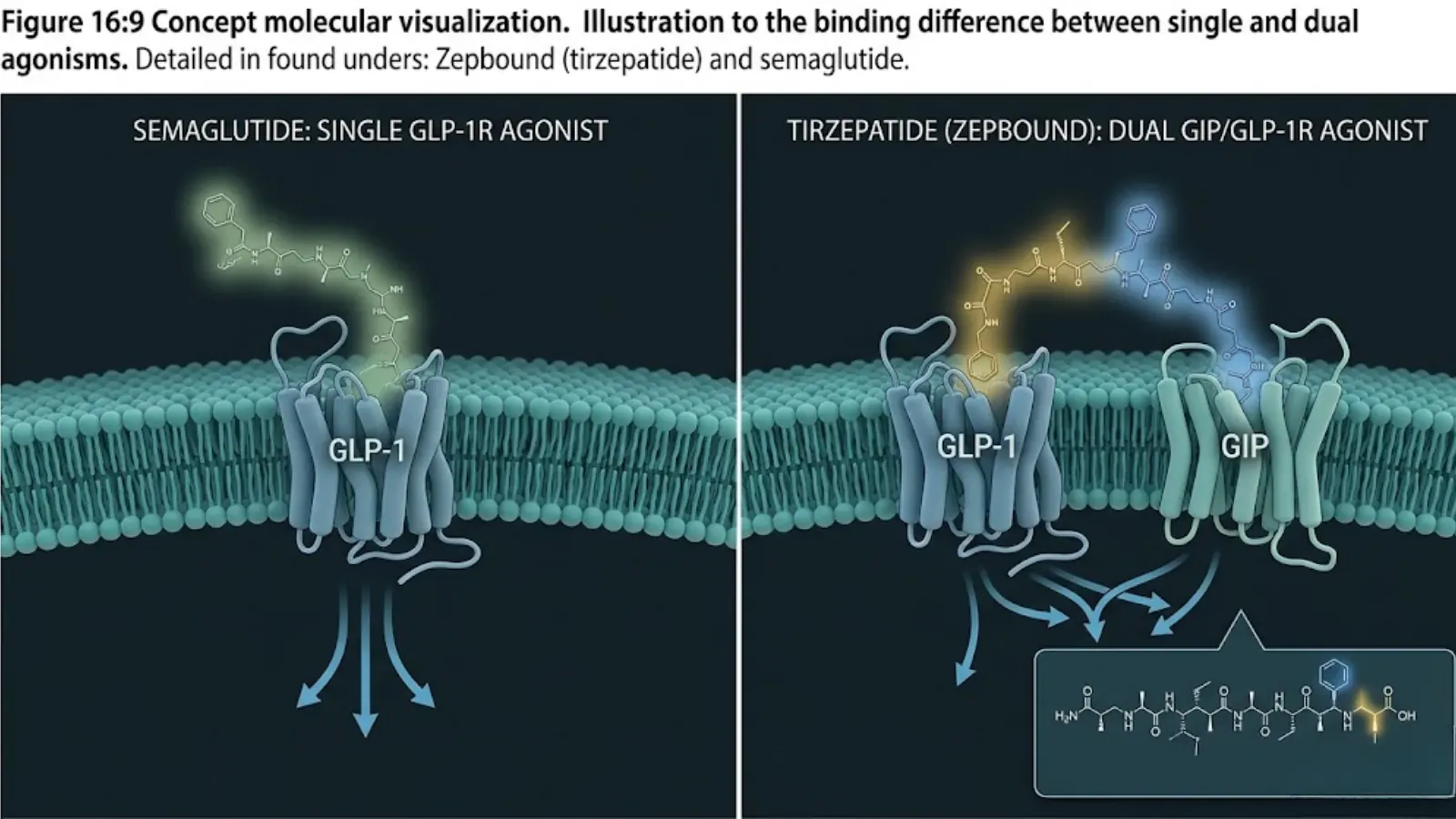
Image 1: Conceptual visualization illustrating the binding differences between single (GLP-1R) and dual (GIP/GLP-1R) agonism.
Semaglutide: The Standard GLP-1 Receptor Agonist
Semaglutide is a potent, highly selective GLP-1 receptor agonist. Its primary mechanism involves binding to the GLP-1 receptor, a G-protein-coupled receptor (GPCR) predominantly expressed in pancreatic beta cells, the central nervous system (CNS), and the gastrointestinal tract.
Upon binding, semaglutide initiates an intracellular signaling cascade mediated by adenylate cyclase. This enzyme catalyzes the conversion of ATP to cyclic AMP (cAMP). Elevated intracellular cAMP levels subsequently activate Protein Kinase A (PKA) and the exchange protein directly activated by cAMP (Epac2). This cascade culminates in the exocytosis of insulin-containing secretory granules in a strictly glucose-dependent manner—meaning it actively prevents hypoglycemia. Beyond the pancreas, semaglutide agonizes receptors in the hypothalamus, particularly the arcuate nucleus, downregulating orexigenic (appetite-stimulating) pathways while upregulating anorexigenic signals. Furthermore, it significantly slows gastric motility via vagal afferent signaling, creating a prolonged sensation of early satiety.
Zepbound (Tirzepatide): The GIP/GLP-1 Synergist
Tirzepatide is a synthetic peptide engineered to activate both the GIP and GLP-1 receptors, but it does so with a highly specific, unbalanced affinity profile. It is often described as an “imbalanced” dual agonist. It binds to the GIP receptor with an affinity equal to or slightly greater than native human GIP, but it binds to the GLP-1 receptor with an affinity approximately five times weaker than native GLP-1.
This specific molecular weighting is a masterclass in pharmacological engineering. Overstimulation of the GLP-1 receptor often triggers severe gastrointestinal distress (nausea, emesis). By leaning heavily on GIP agonism, Zepbound circumvents this tolerability ceiling. GIP receptors are densely populated on white adipose tissue (WAT). When activated by Zepbound, GIP signaling directly enhances lipid buffering—increasing the storage capacity of subcutaneous fat, which prevents lipotoxicity and the dangerous ectopic deposition of visceral fat around organs.
Metabolic Synergy
The true power of Zepbound lies in its synergistic interplay. While semaglutide relies almost entirely on suppressing caloric intake via delayed gastric emptying and CNS appetite suppression, Zepbound fundamentally alters how the body partitions nutrients. The GIP component enhances blood flow to adipose tissue and promotes insulin-stimulated glucose uptake, while the GLP-1 component manages the central appetite axis. Together, they promote a metabolic environment that heavily favors lipid oxidation (fat burning) while offering superior protection to pancreatic beta-cell function compared to a single agonist.
3. Molecular Structures and API Synthesis
The structural architecture of an Active Pharmaceutical Ingredient (API) dictates its stability, half-life, and receptor binding efficacy. Both semaglutide and tirzepatide require complex Solid-Phase Peptide Synthesis (SPPS) protocols, but their amino acid sequences and lipidation strategies differ vastly.
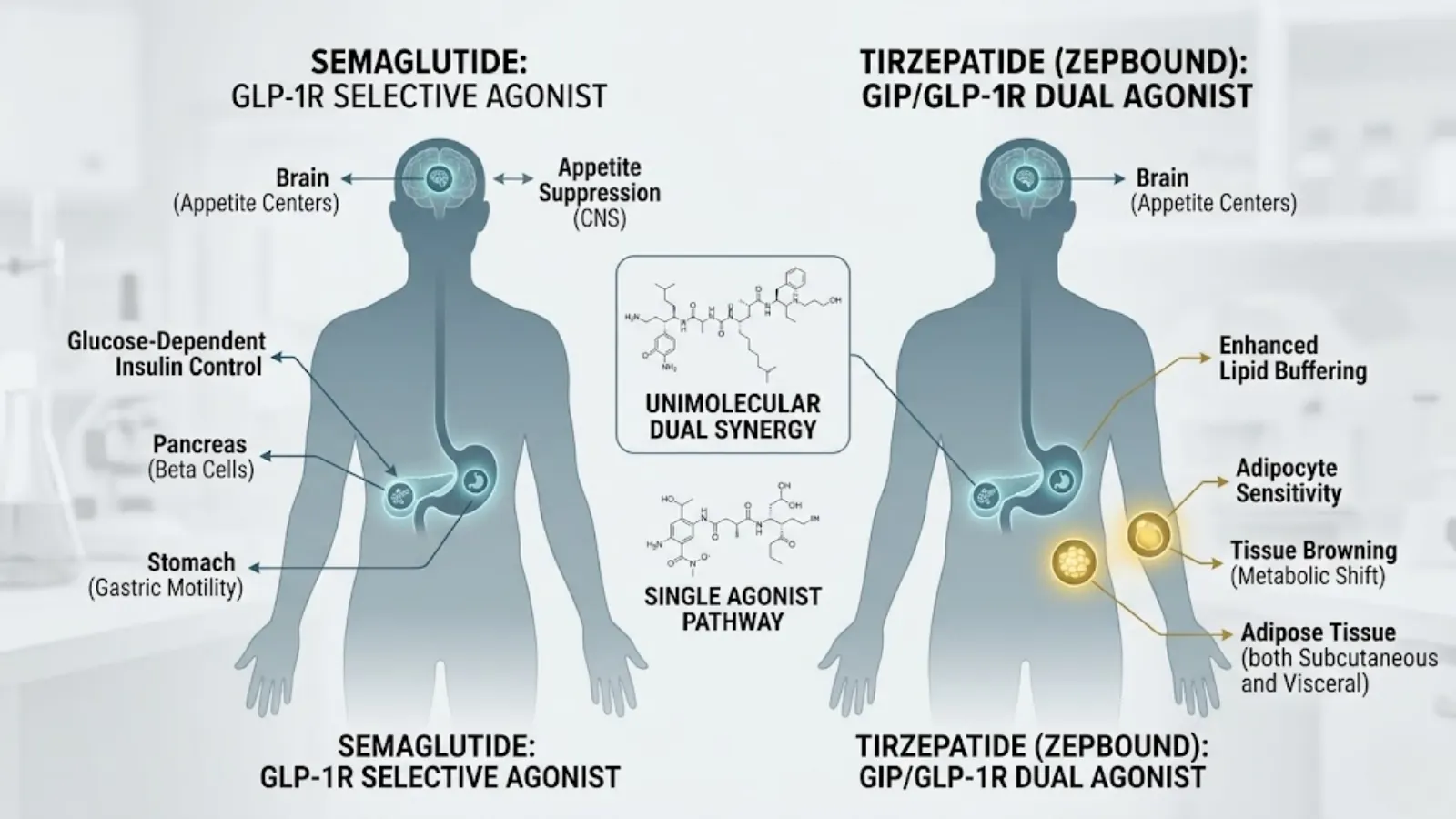
Image 2: Physiological targeting map comparing the tissue-specific receptor engagement of Semaglutide vs. Zepbound (Tirzepatide).
Table 1: Structural and Chemical Comparison
| Metric / Characteristic | Semaglutide (API) | Zepbound (Tirzepatide API) |
|---|---|---|
| Amino Acid Sequence Length | 31 Amino Acids | 39 Amino Acids |
| Receptor Targets | GLP-1 (Selective) | GIP and GLP-1 (Dual) |
| DPP-4 Resistance Modification | Aib (Position 8) substitution | Aib (Position 2 and 13) substitutions |
| Lipidation (Fatty Acid) | C18 fatty diacid | C20 fatty diacid |
| Attachment Linker | Hydrophilic PEG spacer (Lys26) | Hydrophilic linker (Lys20) |
| Molecular Weight | 4113.6 g/mol | 4810.5 g/mol |
Semaglutide Peptide Synthesis Complexity
Native human GLP-1 is notoriously fragile, sporting a half-life of roughly 1.5 to 2 minutes in the bloodstream. It is rapidly cleaved and deactivated by the enzyme Dipeptidyl Peptidase-4 (DPP-4). Semaglutide is synthesized using standard Fmoc-based SPPS but incorporates critical structural modifications to survive the bloodstream. First, the crucial alanine at position 8 is replaced with alpha-aminoisobutyric acid (Aib), which completely blocks DPP-4 enzymatic degradation. Second, a C18 fatty diacid is covalently attached to the lysine residue at position 26 via a complex hydrophilic spacer. This acylation is the masterstroke that grants semaglutide its prolonged half-life by enabling strong, reversible binding to human serum albumin.
Tirzepatide (Zepbound) API Manufacturing
Tirzepatide is a significantly larger and more complex 39-amino acid linear peptide. Its backbone is based on the native GIP sequence rather than GLP-1, engineered to incorporate GLP-1 receptor-binding elements. To achieve its dual-agonist profile and enzymatic resistance, tirzepatide utilizes two Aib substitutions (at positions 2 and 13).
The lipidation strategy is also more robust. A highly engineered C20 fatty diacid moiety is attached at the lysine-20 position. The synthesis of this C20 chain and its precise conjugation via a bespoke hydrophilic linker significantly increases the overall complexity and cost of the API synthesis process compared to semaglutide. For B2B wholesale and synthesis laboratories, achieving the requisite >99% purity of tirzepatide requires advanced Reverse-Phase High-Performance Liquid Chromatography (RP-HPLC) to meticulously separate truncated peptide failure sequences and correctly fold the 39-chain structure.
Lyophilization and Peptide Stability
In a laboratory setting, both APIs must undergo rigorous lyophilization (freeze-drying) to ensure stability. The inclusion of the heavy fatty diacid chains makes both semaglutide and tirzepatide highly prone to aggregation and fibrillation if exposed to excessive moisture or aggressive agitation during reconstitution. Researchers handling these APIs must ensure storage at -20°C in their lyophilized state, protected from light, utilizing sterile bacteriostatic water containing 0.9% benzyl alcohol for final reconstitution to prevent rapid degradation.
4. Pharmacokinetics and Half-Life Analysis
Absorption and Bioavailability
Both compounds are administered via subcutaneous injection. Once introduced into the subcutaneous tissue, the lipidation of both molecules causes them to self-associate into multimeric oligomers, creating a slow-release “depot” effect at the injection site. This prevents rapid systemic flushing. The bioavailability of semaglutide is heavily dependent on injection site vascularity but generally reaches systemic circulation steadily over 1 to 3 days post-injection. Zepbound displays similar absorption kinetics, though its larger molecular weight and distinct C20 fatty diacid influence how tightly it binds to tissue proteins before reaching the bloodstream.
The 5-Day vs. 7-Day Half-Life Debate
The pharmacokinetic elimination phase is heavily governed by how tightly these peptides bind to circulating albumin, which shields them from renal clearance and systemic proteases.
Semaglutide’s C18 fatty acid chain bonds so effectively to human serum albumin that it achieves an elimination half-life of roughly 165 hours (approximately 7 days). This makes it highly conducive to steady-state accumulation on a once-weekly dosing schedule.
Zepbound, conversely, has an elimination half-life of approximately 116.7 hours (roughly 5 days). Despite having a longer C20 fatty diacid chain, the larger 39-amino acid backbone alters the overall spatial conformation, resulting in a slightly faster clearance rate. For advanced biohackers and clinical strategists, this 5-day half-life is a critical variable. While it is prescribed once weekly, the 5-day half-life means serum trough levels are significantly lower on days 6 and 7, which can lead to a return of hunger signaling. Advanced protocols often address this by adjusting micro-dosing frequencies (e.g., dosing every 5 days) to maintain more stable blood plasma concentrations and mitigate the “day-six dip.”
Receptor Downregulation Dynamics
Because these peptides provide sustained, multi-day receptor agonism, they intrinsically push against the body’s homeostatic feedback loops. Continuous activation of GPCRs inevitably triggers internal cellular mechanisms that result in receptor desensitization and internalization—a phenomenon commonly known in biohacking circles as downregulation. Understanding the half-life difference is essential; semaglutide’s longer residency time may theoretically precipitate faster GLP-1 receptor desensitization compared to the slightly faster clearing tirzepatide, making targeted cycling protocols a necessity for long-term optimization.
5. Clinical Data and Efficacy Comparison
When assessing zepbound vs semaglutide, empirical clinical data heavily favors the dual-agonist approach for sheer total body weight loss (TBWL) and advanced metabolic correction.
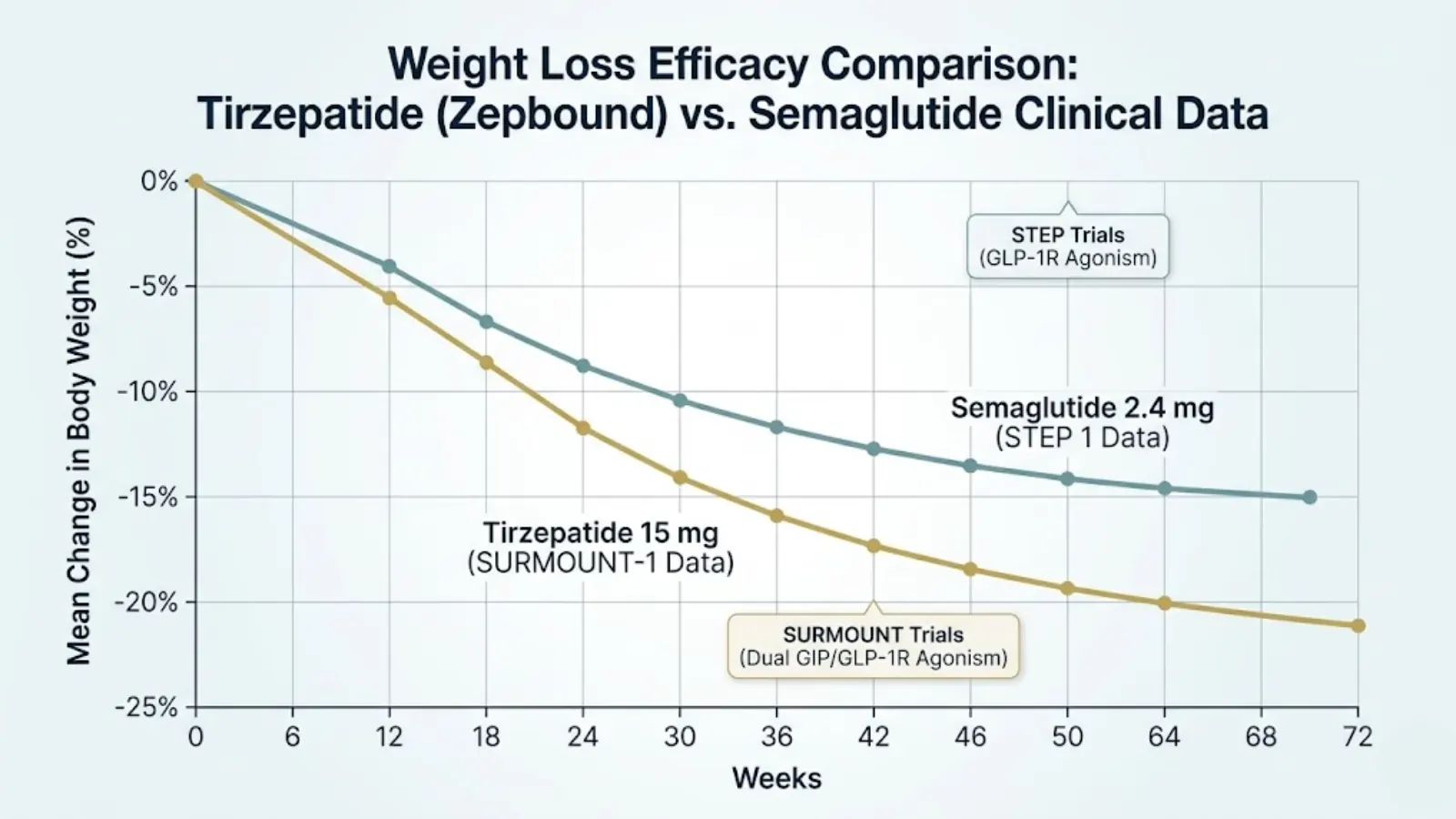
Image 3: Clinical graph comparing the weight loss efficacy of Tirzepatide (Zepbound) vs. Semaglutide based on STEP and SURMOUNT clinical data.
Total Body Weight Loss (TBWL) Outcomes
The efficacy of semaglutide was firmly established in the landmark STEP (Semaglutide Treatment Effect in People with obesity) trials. Patients utilizing the maximum 2.4 mg weekly dose achieved an average weight loss of approximately 14.9% to 15% of their initial body weight over 68 weeks. This was unprecedented at the time and set a high bar for pharmacological obesity intervention.
However, the SURMOUNT clinical trial program for tirzepatide (Zepbound) completely redefined the ceiling of weight loss therapeutics. In SURMOUNT-1, participants taking the maximum 15 mg weekly dose of tirzepatide achieved an astounding average weight loss of 20.9% to 22.5% over 72 weeks. More remarkably, a significant subset of the Zepbound cohort lost over 25% of their total body weight, placing its efficacy in the same statistical tier as bariatric surgery (such as a sleeve gastrectomy), but achieved entirely via peptide biochemistry.
Glycemic Control and Insulin Sensitivity
Both peptides excel at normalizing blood glucose, yet they do so with different magnitudes of impact. In comparative studies (such as the SURPASS trials focusing on Type 2 Diabetes), tirzepatide demonstrated superior reductions in Hemoglobin A1c (HbA1c) compared to semaglutide. The inclusion of the GIP agonism in Zepbound forces the beta cells into a highly insulin-sensitized state, clearing fasting blood glucose with greater efficiency while heavily lowering fasting insulin levels—a prime indicator of restored systemic insulin sensitivity and reversal of metabolic syndrome.
Lipid Profiles and Cardiovascular Markers
Cardiovascular risk mitigation is fundamentally tied to circulating lipid profiles. Semaglutide provides excellent reductions in total cholesterol and Low-Density Lipoprotein (LDL). However, because GIP directly regulates lipid metabolism within white adipocytes, Zepbound exhibits a profoundly superior capability to clear triglycerides from the bloodstream. Tirzepatide radically downregulates the presence of Very-Low-Density Lipoproteins (VLDL), highly atherogenic particles directly linked to cardiovascular disease and fatty liver disease (NASH/MASLD). This proves that the metabolic benefits of dual-agonism extend far beyond the scale, executing deep cellular repairs to systemic metabolic lipid clearing pathways.
6. Advanced Biohacking: Metabolic Protocols
While the clinical guidelines for zepbound vs semaglutide provide a rigid framework for general population obesity management, the advanced biohacking community approaches these incretin mimetics through a lens of extreme precision. The goal shifts from mere weight reduction to comprehensive body recomposition, longevity enhancement, and metabolic flexibility.
Micro-Dosing and Titration Strategies
Standard clinical titration schedules for semaglutide (escalating from 0.25 mg to 2.4 mg weekly) or Zepbound (escalating from 2.5 mg to 15 mg weekly) are designed for systemic saturation and maximum appetite suppression. However, these steep escalation curves often result in high peak plasma concentrations (Cmax), leading to severe gastrointestinal distress and profound anhedonia surrounding food.
Advanced metabolic protocols frequently utilize micro-dosing to flatten the pharmacokinetic curve. Instead of a single massive weekly bolus, users may split their dosage, administering the peptide every 3 to 4 days. For example, dividing a 5 mg weekly Zepbound dose into two 2.5 mg subcutaneous injections significantly reduces the Cmax spike while maintaining a steady trough concentration. This strategy keeps the GLP-1 and GIP receptors gently stimulated, providing a subtle, continuous modulation of insulin and glucagon without paralyzing the gastric emptying process.
Preserving Lean Muscle Mass During Fat Loss
The most critical error in the mainstream application of GLP-1 therapies is the rapid degradation of lean muscle tissue. Incretin mimetics are highly effective at lowering fasting insulin. Because insulin is a profoundly anti-catabolic hormone, pairing artificially low insulin levels with a severe, drug-induced caloric deficit creates an environment highly conducive to skeletal muscle breakdown (sarcopenia).
To counteract this, biohackers engineer protocols that forcefully upregulate the Mechanistic Target of Rapamycin Complex 1 (mTORC1), the primary cellular driver of muscle protein synthesis. This requires two non-negotiable inputs:
- Mechanical Tension: Rigorous, hypertrophy-focused resistance training to sensitize the muscle tissue to amino acid uptake.
- Leucine Thresholding: Consuming highly bioavailable protein sources with enough circulating leucine (approximately 3 to 4 grams per meal) to trigger the mTOR pathway, overriding the catabolic signals generated by the caloric deficit.
Peptide Stacking
In the pursuit of ultimate physiological optimization, researchers often stack incretin mimetics with complementary peptide therapeutics. When analyzing zepbound vs semaglutide in a stacked environment, the synergies become complex.
A common advanced protocol involves stacking a GLP-1/GIP agonist with a Growth Hormone Secretagogue (GHS) like CJC-1295 (without DAC), Ipamorelin, or Hexarelin Acetate. The rationale is highly synergistic: while Zepbound forcefully drives lipolysis and insulin sensitivity, the nightly administration of Ipamorelin stimulates natural growth hormone pulses. Elevated growth hormone strongly preserves lean muscle mass and enhances the mobilization of free fatty acids from adipocytes. Additionally, tissue-healing peptides like BPC-157 are frequently integrated to mitigate systemic inflammation and support gut lining integrity, effectively buffering the gastrointestinal stress sometimes caused by delayed gastric emptying.
7. Cycling Strategies to Prevent Downregulation
The Physiology of GLP-1 Receptor Desensitization
A fundamental principle of endocrinology is that continuous, high-affinity agonism of a G-protein-coupled receptor (GPCR) inevitably leads to negative feedback loops. When the GLP-1 and GIP receptors are subjected to the prolonged, 24/7 activation facilitated by the extended half-lives of semaglutide and tirzepatide, the body attempts to restore homeostasis through receptor downregulation.
This desensitization is governed by GPCR kinases (GRKs) and beta-arrestin proteins. Upon continuous stimulation, GRKs phosphorylate the intracellular domain of the receptor. Beta-arrestin then binds to the phosphorylated receptor, physically blocking further G-protein signaling (uncoupling) and tagging the receptor for endocytosis (internalization). Over time, continuous high ligand presence decreases the total available receptors on the cell surface. This is why patients often report that the “food noise” returns after several months, even on the maximum clinical dose.
Washout Periods and Receptor Reset Protocols
To circumvent tachyphylaxis (rapidly diminishing response to a drug), rigorous cycling protocols are implemented. Advanced users do not remain on these peptides indefinitely. A standard biohacking protocol might involve a 12-to-16-week active cycle, followed by an 8-week structured “washout” phase.
During the washout period, the exogenous peptides are cleared entirely from the system. Because Zepbound has a roughly 5-day half-life, it requires approximately 25 to 30 days for complete systemic clearance, whereas semaglutide requires closer to 35 to 40 days. During this off-cycle, individuals must rely heavily on the insulin-sensitizing habits built during the cycle—such as zone 2 cardiovascular training, strict carbohydrate timing, and optimized sleep architecture—to allow the GLP-1 and GIP receptors to migrate back to the cellular surface and restore native sensitivity.
8. B2B Wholesale: Purity, Testing, and Compliance
For laboratory researchers, compounding pharmacies, and B2B wholesale distributors, navigating the global peptide supply chain requires an uncompromising adherence to analytical chemistry. The molecular fragility and synthesis complexity of these compounds demand rigorous verification.
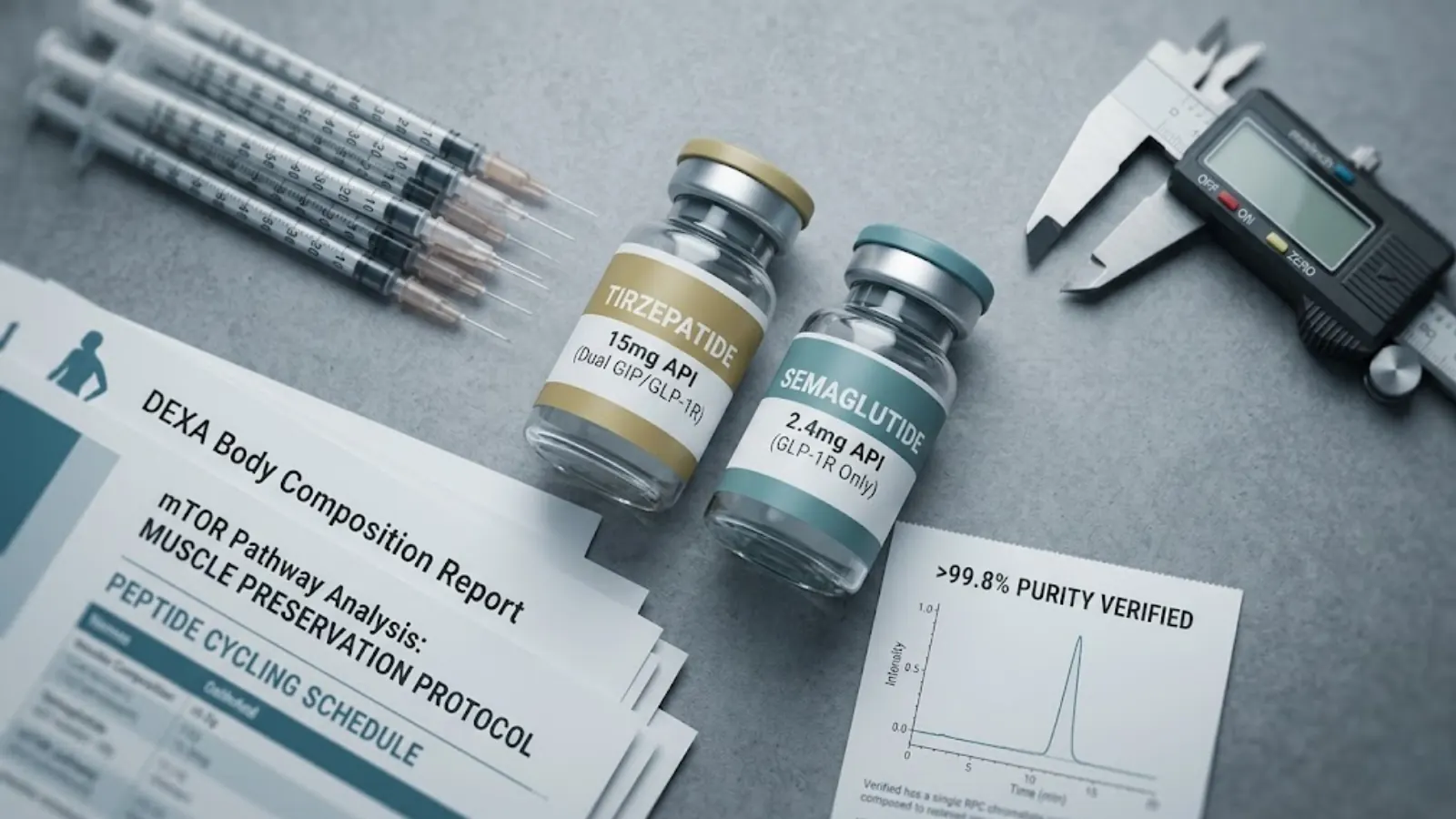
Image 4: Conceptual flat lay illustrating B2B laboratory purity analysis and advanced biohacking protocol reporting.
Navigating Third-Party COAs (Certificates of Analysis)
A Certificate of Analysis (COA) is the foundational document of peptide quality assurance. However, in the B2B peptide market, forged or mathematically manipulated COAs are rampant. A legitimate COA for tirzepatide or semaglutide API must not merely state “99% Purity.” It must display clear, legible data from an independent, accredited, ISO-certified analytical laboratory. Researchers must scrutinize the date of testing, the batch number matching the physical vial, and the specific molecular weight identified to ensure it aligns perfectly with the known mass of the intended API.
HPLC and Mass Spectrometry in Peptide Verification
The twin pillars of peptide verification are High-Performance Liquid Chromatography (HPLC) and Mass Spectrometry (MS).
- HPLC separates the various components of the synthesized batch based on their chemical polarity. A clean HPLC chromatogram will show a single, massive, sharp peak indicating the primary peptide, with virtually undetectable “noise” (smaller peaks) representing truncated failure sequences or degraded fragments.
- Mass Spectrometry (MS) verifies the exact molecular identity of that peak. For example, if a laboratory orders tirzepatide API, the mass spectrometer must definitively confirm a mass-to-charge ratio that correlates exactly to 4810.5 g/mol. If the mass is off by even a fraction, it indicates missing amino acids or incorrect fatty acid conjugation.
Identifying Impurities and TFA (Trifluoroacetic Acid) Removal
During standard Solid-Phase Peptide Synthesis (SPPS), Trifluoroacetic acid (TFA, CF3COOH) is used as a highly corrosive cleavage cocktail to detach the finished peptide from the synthesis resin. While effective for manufacturing, TFA is highly cytotoxic in vivo.
Raw, unrefined wholesale peptides often contain residual TFA salts exceeding 10% of the total mass. For a peptide to be considered research-grade or safe for human cellular modeling, the laboratory must perform a counter-ion exchange, typically replacing the toxic TFA salts with biocompatible acetate or hydrochloride (HCl) salts. Verifying TFA removal is a paramount compliance step for any B2B entity sourcing these active pharmaceutical ingredients.
9. Safety Profiles and Side Effect Mitigation
While incredibly effective, modulating the body’s master metabolic pathways carries inherent physiological risks. Understanding how to mitigate these downstream effects is what separates amateur experimentation from clinical mastery.
Gastrointestinal Distress Management
The most immediate and ubiquitous side effects of GLP-1 therapies are gastrointestinal: profound nausea, acid reflux, and in severe cases, gastroparesis (paralysis of the stomach). This occurs because GLP-1 natively functions to slow the transit of chyme from the stomach into the duodenum.
To mitigate this, advanced protocols require a total overhaul of food selection. High-fat meals and ultra-processed fibrous foods require heavy enzymatic breakdown and prolonged gastric residency; consuming them while on Zepbound or semaglutide severely exacerbates nausea. Mitigation strategies include transitioning to highly bioavailable, low-residue diets, utilizing exogenous digestive enzymes (like betaine HCl and pepsin), and strictly avoiding eating within four hours of sleep to prevent nocturnal acid aspiration.
Lean Mass Loss (Sarcopenia) Risks
As touched upon in the biohacking section, the “Ozempic Body”—characterized by a rapid loss of fat accompanied by severe muscle wasting, reduced bone mineral density, and facial hollowing—is a direct result of clinical negligence regarding protein synthesis. The safety protocols for preventing this include mandatory Dual-Energy X-ray Absorptiometry (DEXA) scans every 8 to 12 weeks to monitor fat-free mass. If a researcher or patient is losing more than 1 part lean muscle for every 3 parts body fat, the peptide dosage must be immediately reduced, or the mechanical tension (resistance training) stimulus must be heavily amplified.
Long-term Endocrine and Thyroid Considerations
A prominent black-box warning on both semaglutide and tirzepatide pertains to the risk of Medullary Thyroid Carcinoma (MTC). This warning stems from preclinical rodent data, where GLP-1 receptor activation caused C-cell hyperplasia in the thyroid glands of rats.
However, it is crucial for clinical researchers to contextualize this data. The density of GLP-1 receptors on the C-cells of human thyroid glands is exponentially lower than that of rodents. While the risk of MTC in humans is considered exceedingly rare, responsible use dictates that individuals with a personal or familial history of Multiple Endocrine Neoplasia syndrome type 2 (MEN 2) or medullary thyroid carcinoma must strictly avoid both single and dual incretin mimetics.
10. Frequently Asked Questions (FAQs)
Is Zepbound more effective than semaglutide for fat loss?
Yes. Clinical trials demonstrate that Zepbound (tirzepatide) yields significantly greater total body weight loss than semaglutide. Its dual GIP/GLP-1 receptor agonism provides a synergistic metabolic effect, resulting in up to 22.5% weight reduction compared to semaglutide’s 15% average over similar timelines.
Can you switch directly from semaglutide to Zepbound?
Yes, but it requires careful dose translation. Because the mechanisms and molecular weights differ, you do not switch at a 1:1 ratio. Medical professionals usually initiate Zepbound at a lower titration step (e.g., 2.5 mg or 5 mg) to assess GIP receptor tolerability before escalating.
What is the difference in peptide synthesis costs between the two APIs?
Tirzepatide is structurally more complex. It features a 39-amino acid sequence and a heavily engineered C20 fatty diacid chain, whereas semaglutide has 31 amino acids and a C18 chain. This increased length and structural complexity make Zepbound API significantly more expensive to synthesize and purify.
Do dual-agonists cause more muscle loss than single GLP-1s?
Muscle loss is driven by the magnitude of the caloric deficit, not the peptide itself. Because Zepbound generally causes a more profound caloric restriction than semaglutide due to enhanced metabolic shifting, the risk of sarcopenia is higher unless strictly managed with high protein intake and resistance training.
11. Key Takeaways
- Mechanistic Superiority: When evaluating zepbound vs semaglutide, Zepbound’s dual GIP/GLP-1 agonism fundamentally outperforms semaglutide’s single-receptor targeting by aggressively enhancing lipid buffering in white adipose tissue and driving superior systemic insulin sensitivity.
- Purity and API Synthesis: For B2B wholesale and laboratory settings, the 39-amino acid structure of tirzepatide requires advanced HPLC and mass spectrometry verification to ensure the removal of truncated sequences and toxic TFA salts used during synthesis.
- Muscle-Sparing Protocols are Mandatory: Advanced biohackers must actively combat the catabolic nature of profound caloric deficits induced by these peptides by forcing mTORC1 activation via targeted mechanical tension and optimized leucine-rich amino acid intake.